

Curtis


Senior Laboratory Furniture Industry Specialist

Guangzhou,China
Curtis Zhong is a Senior Laboratory Furniture Industry Specialist focused on laboratory cabinet and casework systems for clinical labs, universities, research facilities, and EPC/turnkey projects. Alex writes practical guides on material selection, durability, workflow planning, and project coordination—covering what buyers typically evaluate and how to reduce rework and lifecycle costs. The goal is to support spec-driven decisions with clear, project-friendly recommendations.
Articles Written by Curtis
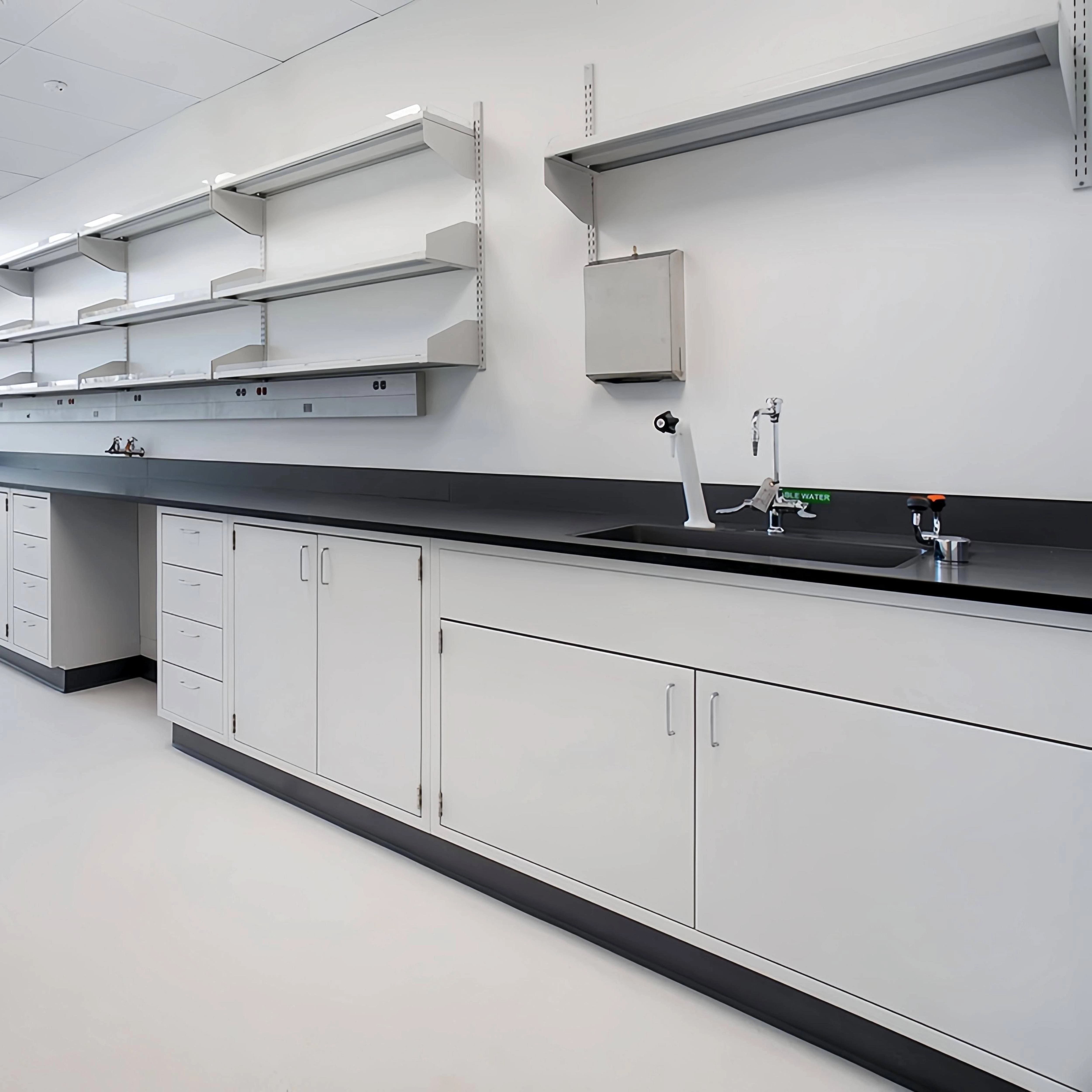

In a crowded lab furniture market, many suppliers position themselves as manufacturers—focused on producing and shipping standard products quickly and cheaply. But today’s laboratories are more complex. They need spaces that support workflow efficiency, safety compliance, equipment integration, and future expansion. That’s why we choose to be a lab furniture solution provider, not just a manufacturer. From early-stage consultation, space planning, CAD layouts and 3D renderings to on-site coordination and post-installation optimization, we deliver end-to-end solutions that help labs work smarter, safer, and more sustainably. We’re not simply building furniture—we’re building better work environments for science.
MAX LAB is a professional laboratory furniture and equipment manufacturer integrating design, manufacturing, and global sales. Relying on one of the largest laboratory production bases in Guangzhou, China, MAX LAB is committed to providing high-quality, innovative, and customized laboratory solutions for scientific research institutions, educational organizations, medical facilities, and industrial enterprises worldwide.
Our product range includes laboratory furniture, fume hoods, laboratory ventilation systems, safety equipment, and intelligent laboratory control systems. Guided by the core philosophy of “Innovation, Quality, and Service”, MAX LAB focuses on creating efficient, safe, intelligent, and environmentally friendly laboratory environments. With years of industry experience, advanced manufacturing capabilities, and a global service network, MAX LAB has become a trusted partner for laboratories around the world.

In cleanrooms, contamination control starts at the entrance. This blog explains what a cleanroom air shower is and why it’s a critical transition zone between uncontrolled areas and cleanroom environments. It covers how air showers use high-velocity HEPA/ULPA-filtered air to dislodge particles from personnel or equipment, how contaminated air is exhausted through vents, and how a typical 10–30 second cycle helps protect cleanroom integrity. You’ll also learn key features (interlocking doors, automated sensors, corrosion-resistant construction), common air shower types (personnel, material, tunnel, cargo, customized), and where they’re used across pharmaceuticals, semiconductors, medical devices, and sterile facilities—plus how MAX LAB supports compliant, high-performance installations.
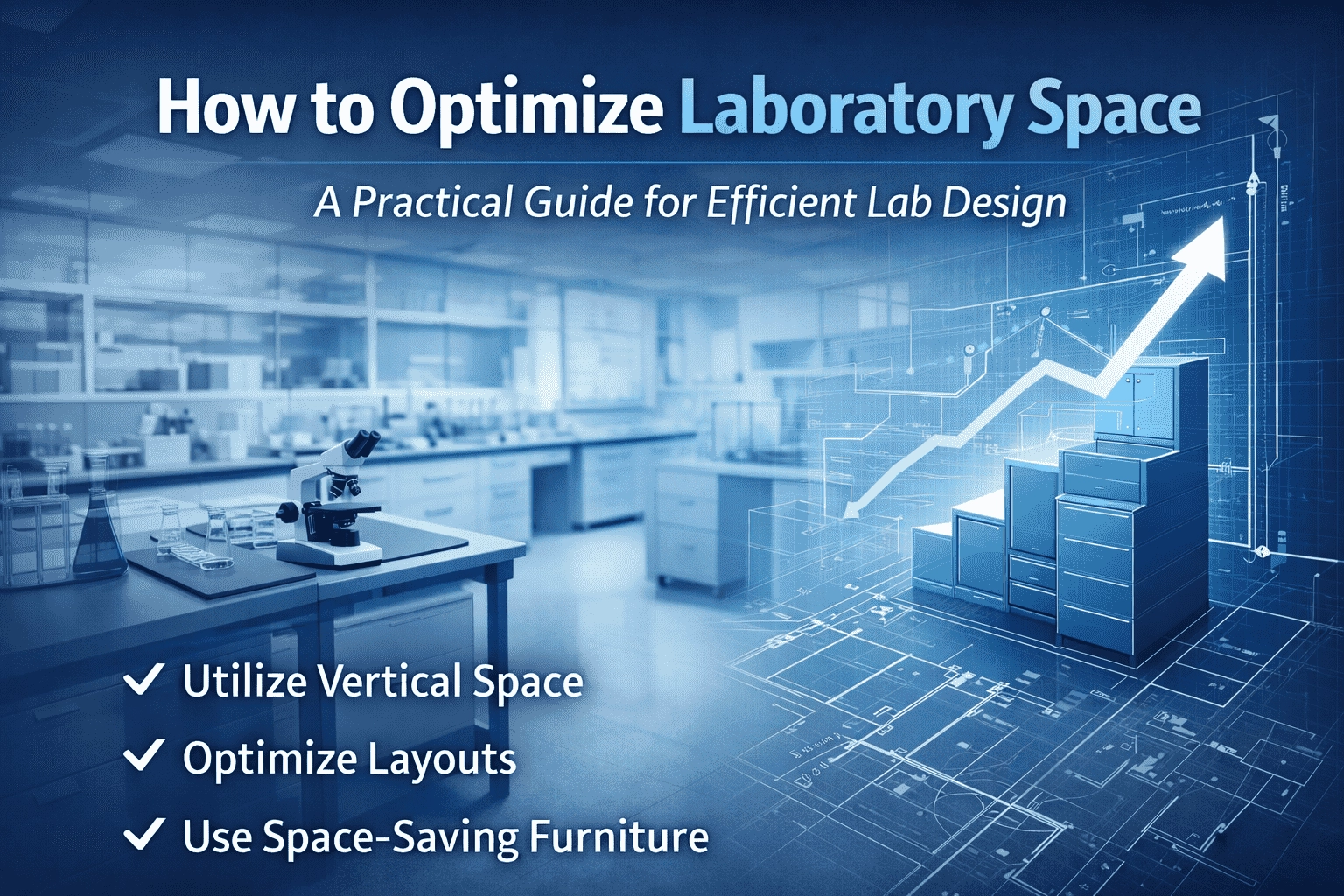
Laboratory space is often limited, yet laboratories must support complex workflows, equipment, and safety requirements.
This guide explains practical and proven strategies to optimize laboratory space, helping planners and decision-makers design laboratories that are efficient, flexible, and ready for future growth.
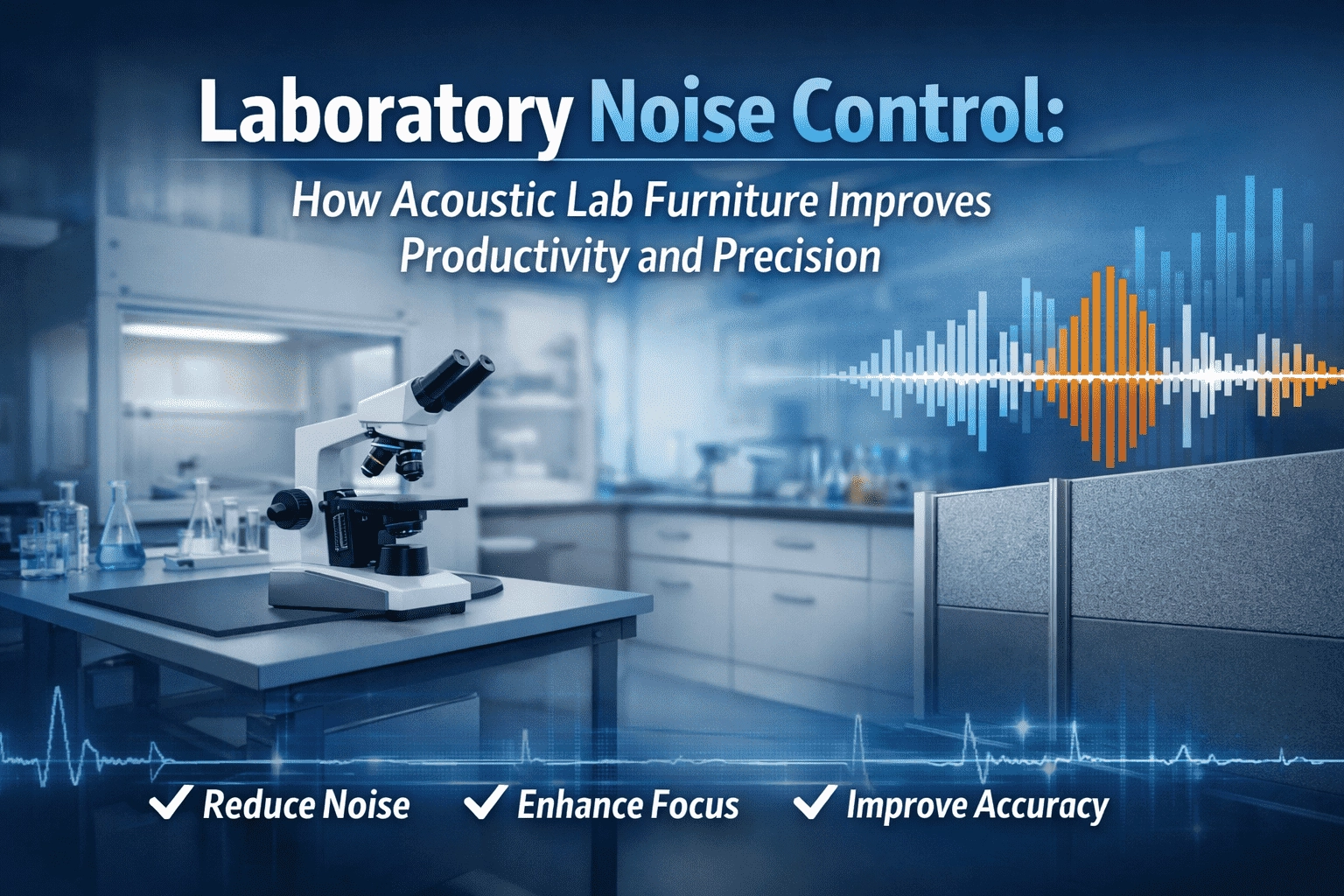
Excessive noise is a hidden but serious issue in modern laboratories. From equipment vibration to airflow systems, uncontrolled noise can reduce concentration, affect accuracy, and increase long-term fatigue.
This article explains why laboratory acoustics matter, how acoustic lab furniture helps reduce noise, and what to consider when designing a quieter, more efficient laboratory environment.
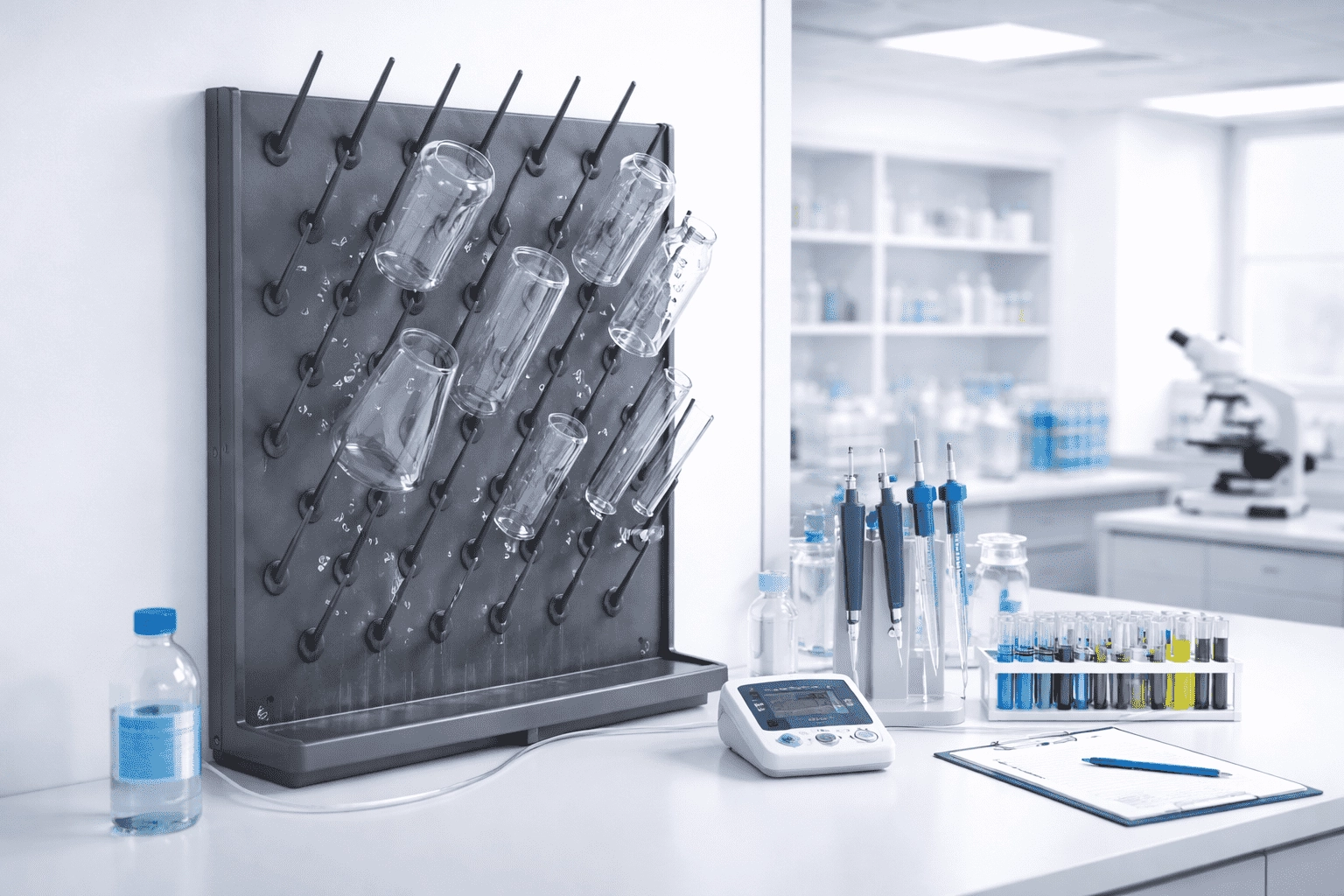
A laboratory pegboard (drip rack) is a modular, wall-mounted system that improves lab organization and supports clean air drying of glassware. This guide explains what lab pegboards are, compares steel vs phenolic resin vs mobile systems, and provides step-by-step installation tips plus common mistakes to avoid—helping you choose the best pegboard for your workflow, safety needs, and lab environment.
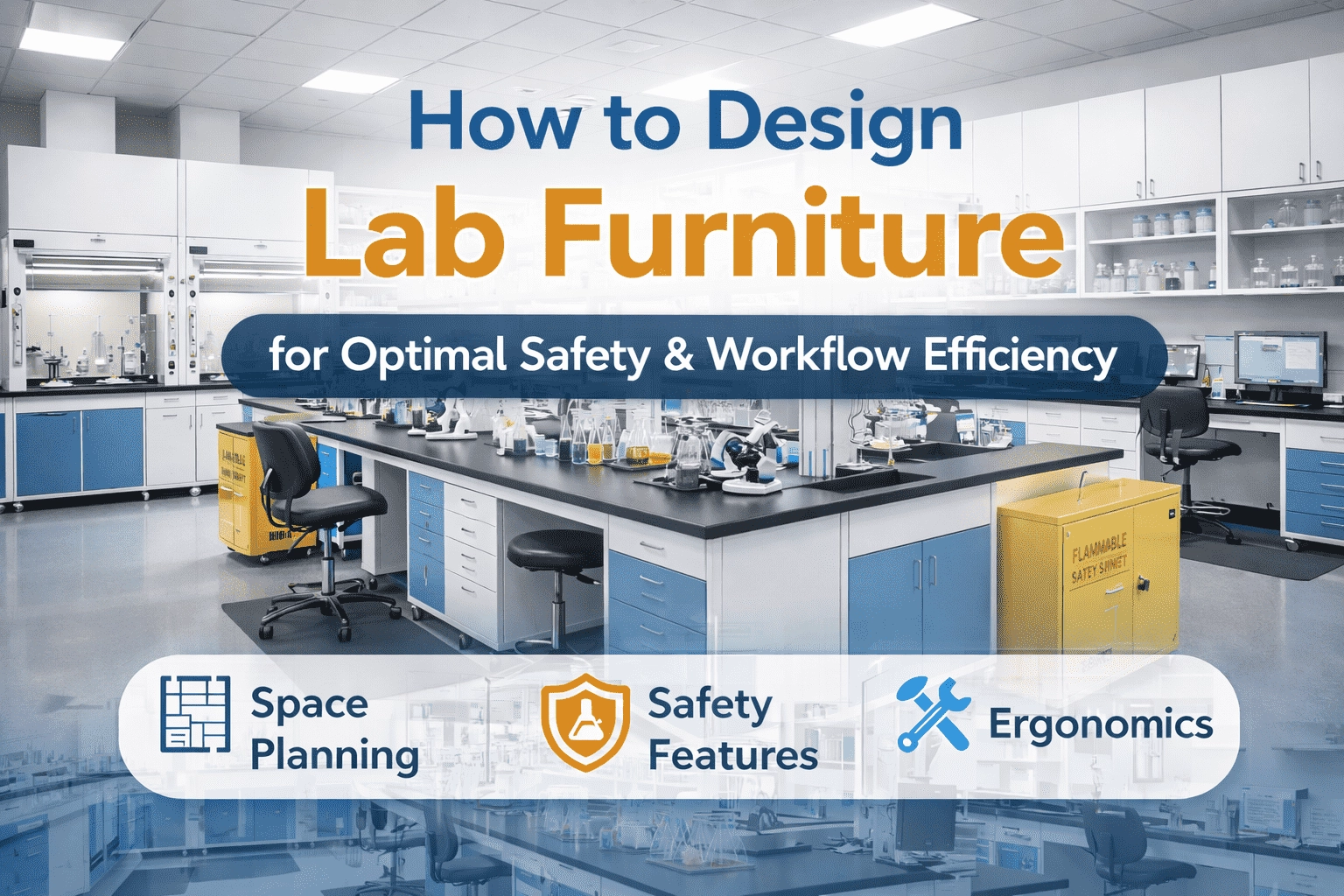
As a leading supplier of laboratory furniture and equipment, we understand that lab furniture design is critical to the success of any laboratory. It's not just about aesthetics; the right design enhances productivity, safety, and comfort. Whether you're setting up a new lab or upgrading an existing one, thoughtful lab furniture design can transform how your team works. In this article, we’ll explore why laboratory furniture design is so important, key considerations for choosing the right pieces, and the latest trends shaping modern lab spaces.

When designing or upgrading a laboratory, choosing the right laboratory furniture is critical to ensuring safety, efficiency, and long-term performance. This guide walks you through key factors such as laboratory purpose, ergonomics, materials, space optimization, safety compliance, and budget considerations to help you select the most suitable lab furniture for your needs. Whether you’re setting up a research, medical, or teaching laboratory, this article provides practical insights to create a functional and professional lab environment.
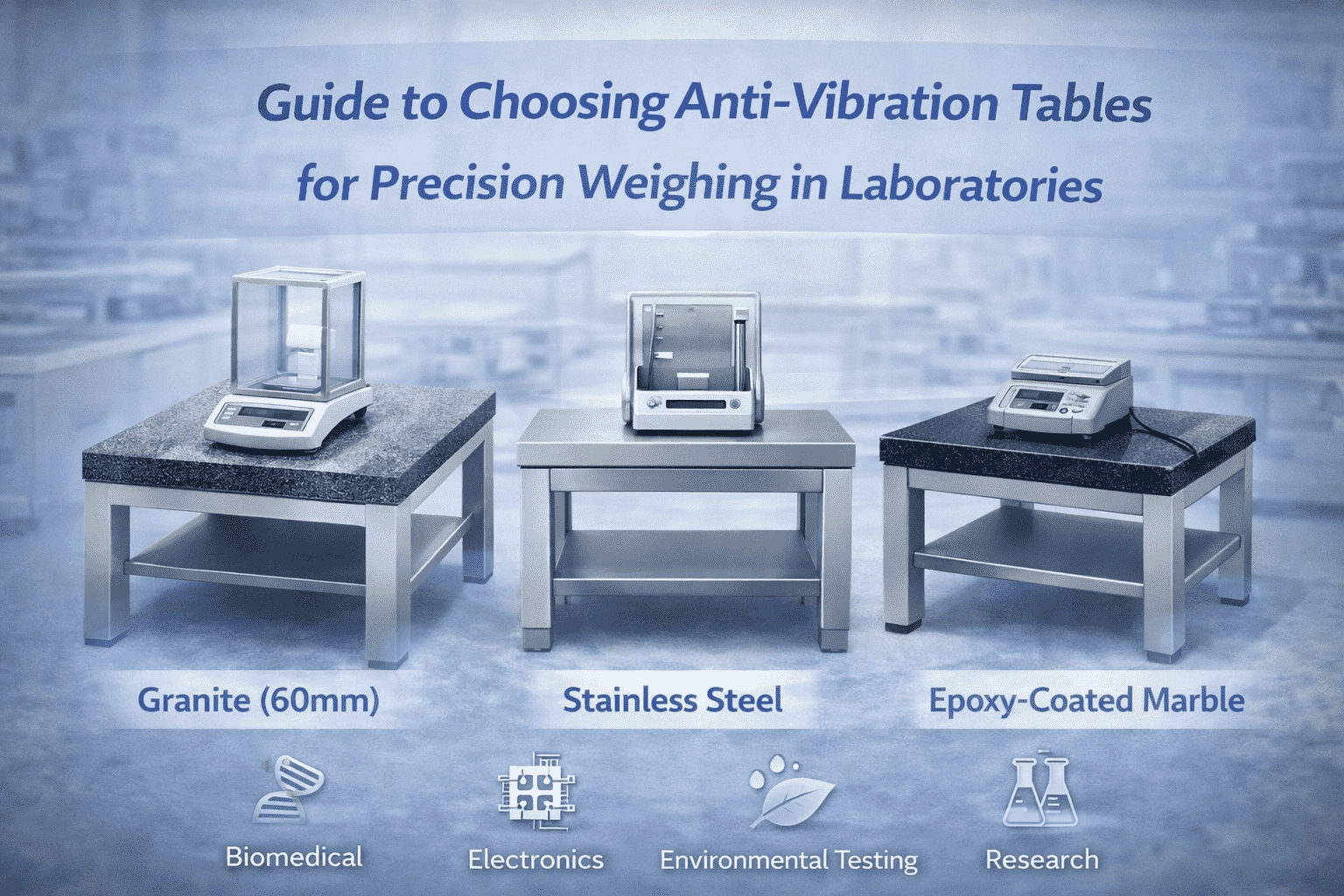
Precision weighing in modern laboratories requires more than a standard workbench. In this guide, we explain why professional anti-vibration tables are essential for achieving ultra-high accuracy in biomedical research, electronics R&D, and environmental testing. Learn how different vibration damping technologies, tabletop materials, and certifications impact weighing precision—and how to choose the right anti-vibration table for your laboratory’s specific application.
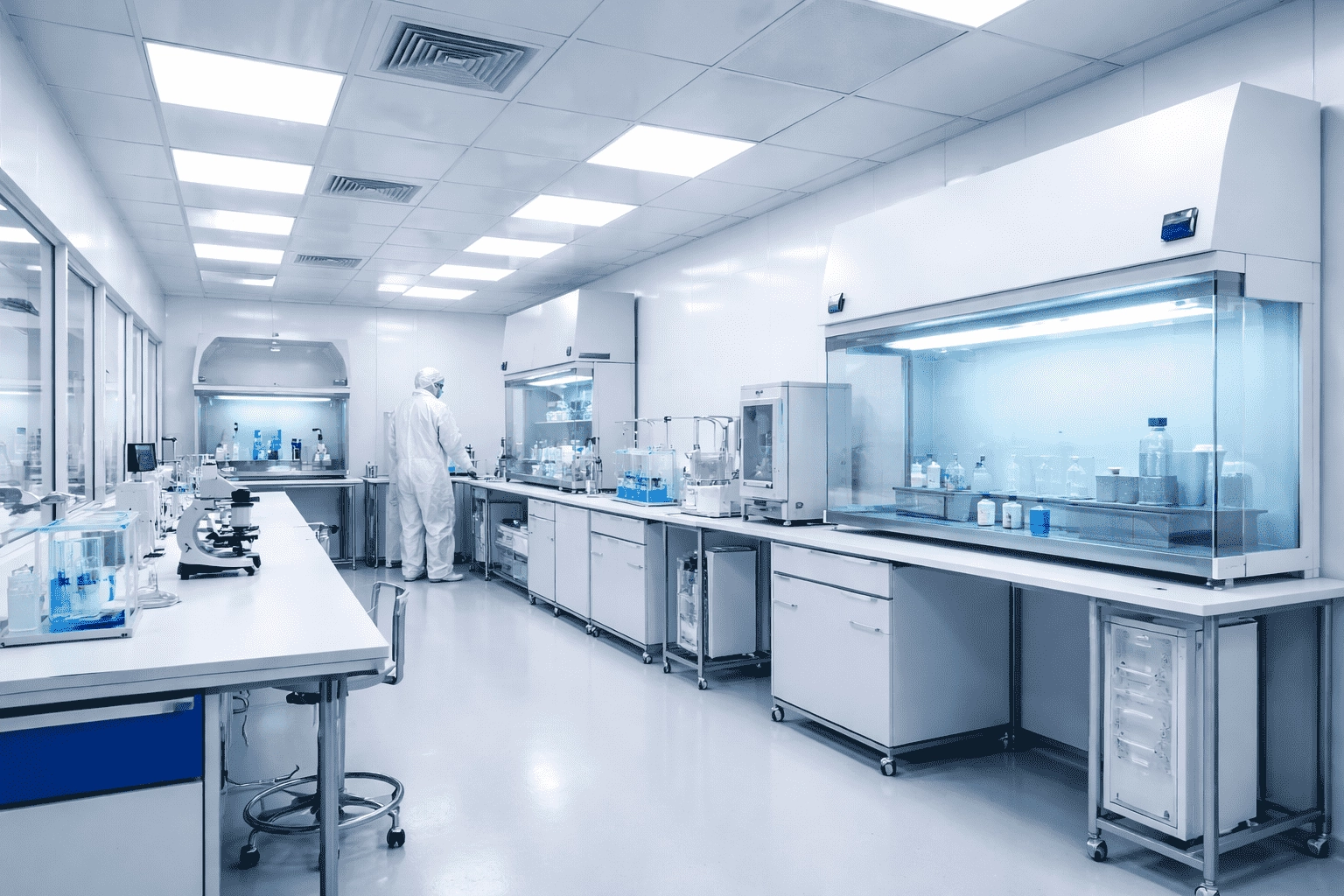
This guide is designed for laboratory planners, engineers, and procurement teams who need to understand what furniture and equipment are required in a cleanroom environment.
Rather than focusing on products alone, this guide explains why each type of cleanroom lab furniture matters, how it supports contamination control, and what to consider when selecting furniture for ISO and GMP-compliant cleanrooms.
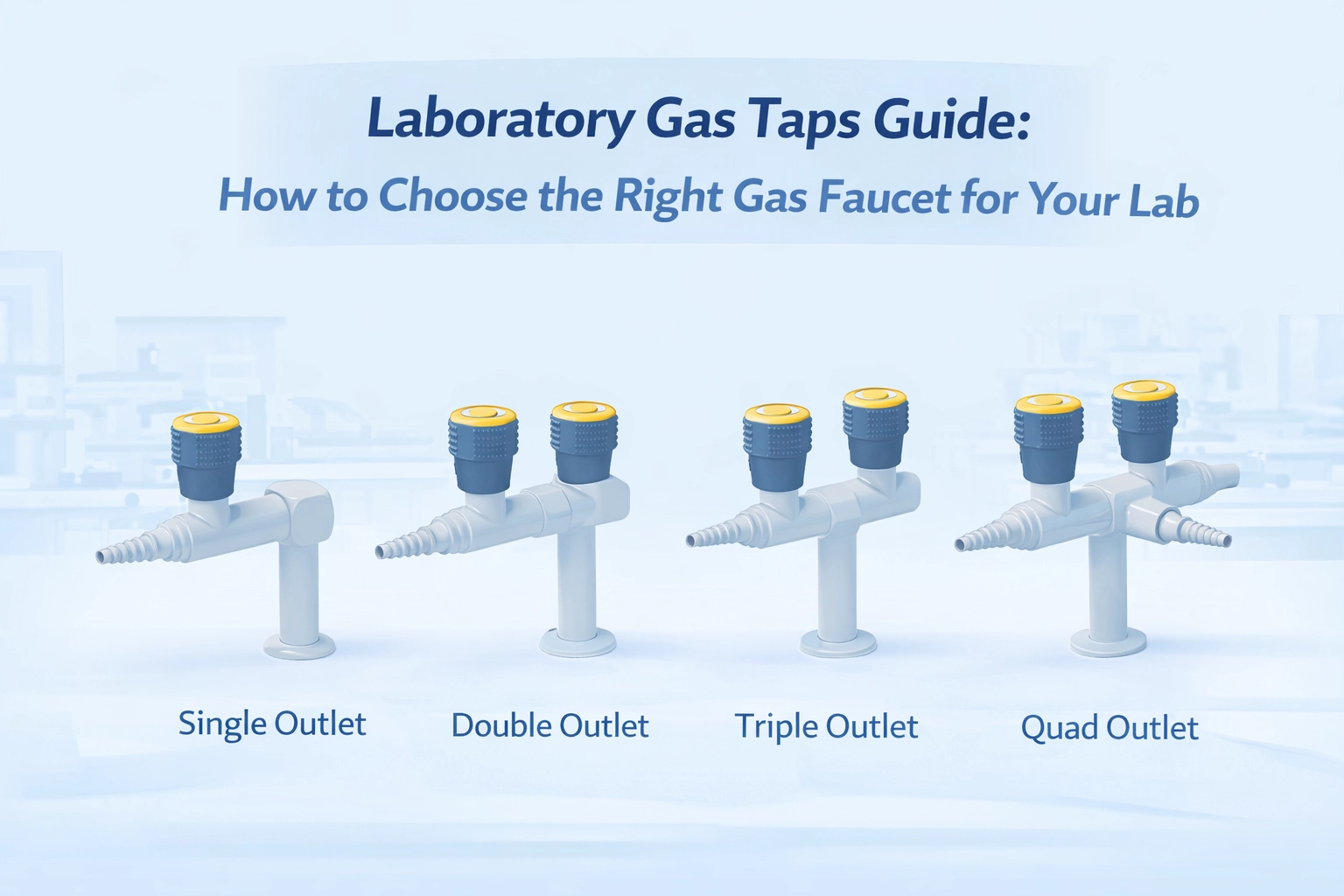
Laboratory gas taps play a critical role in ensuring experimental accuracy, operational safety, and long-term efficiency in modern laboratories. In this comprehensive guide, we explain what laboratory gas taps are, why choosing the right model matters, and how to select the ideal gas faucet based on material, outlet configuration, control mechanism, and application. Whether for school labs, hospitals, research institutions, or industrial environments, this article helps you make an informed and safe choice.

Anti-vibration tables play a critical role in laboratories that require high-precision weighing and stable instrument operation. In this comprehensive guide, we explore which types of laboratories truly need anti-vibration tables, from biomedical and electronic R&D labs to environmental testing, cleanrooms, and industrial quality control. Learn how different applications demand specific vibration control solutions and how to choose the right configuration for accuracy, stability, and long-term performance.

A walk-in fume hood is designed for laboratories and industrial environments that handle oversized equipment, large-scale experiments, or high-volume hazardous materials. In this article, we explain what a walk-in fume hood is, explore its key features, dimensions, and applications, and compare it with standard fume hoods to help you choose the right solution for your laboratory.

Efficient laboratory storage is critical for hospitals, pathology labs, and histology departments handling large volumes of slides and tissue samples. In this article, we explore how paraffin block cabinets, dry slide cabinets, and slide cabinets help protect valuable specimens, improve organization, and streamline daily laboratory workflows. Learn how to choose the right storage solution for long-term sample preservation and operational efficiency.

Designing or upgrading a laboratory is not simply about purchasing workbenches or storage cabinets—it is about creating a functional, safe, and efficient working environment that supports specific experimental activities. Different laboratory types—chemistry, biology, physics, school teaching labs, and university research facilities—have unique requirements for safety standards, material durability, storage, ventilation, and ergonomics.
In this article, we provide a comprehensive guide to laboratory furniture configurations, analyzing the rationale behind each choice, industry best practices, and material recommendations.

Proper storage of flammable and hazardous chemicals isn’t optional—it’s a safety and compliance requirement in labs, manufacturing plants, and research facilities. This blog explains how to choose the right explosion-proof (flammable safety) cabinet, covering what these cabinets are designed to do, the construction features that matter (double-wall steel, self-latching doors, spill sump, ventilation ports), how to match cabinet types to chemical categories, what certifications to look for (e.g., OSHA, NFPA, CE, FM), and the installation and maintenance practices that keep your site compliant long-term.
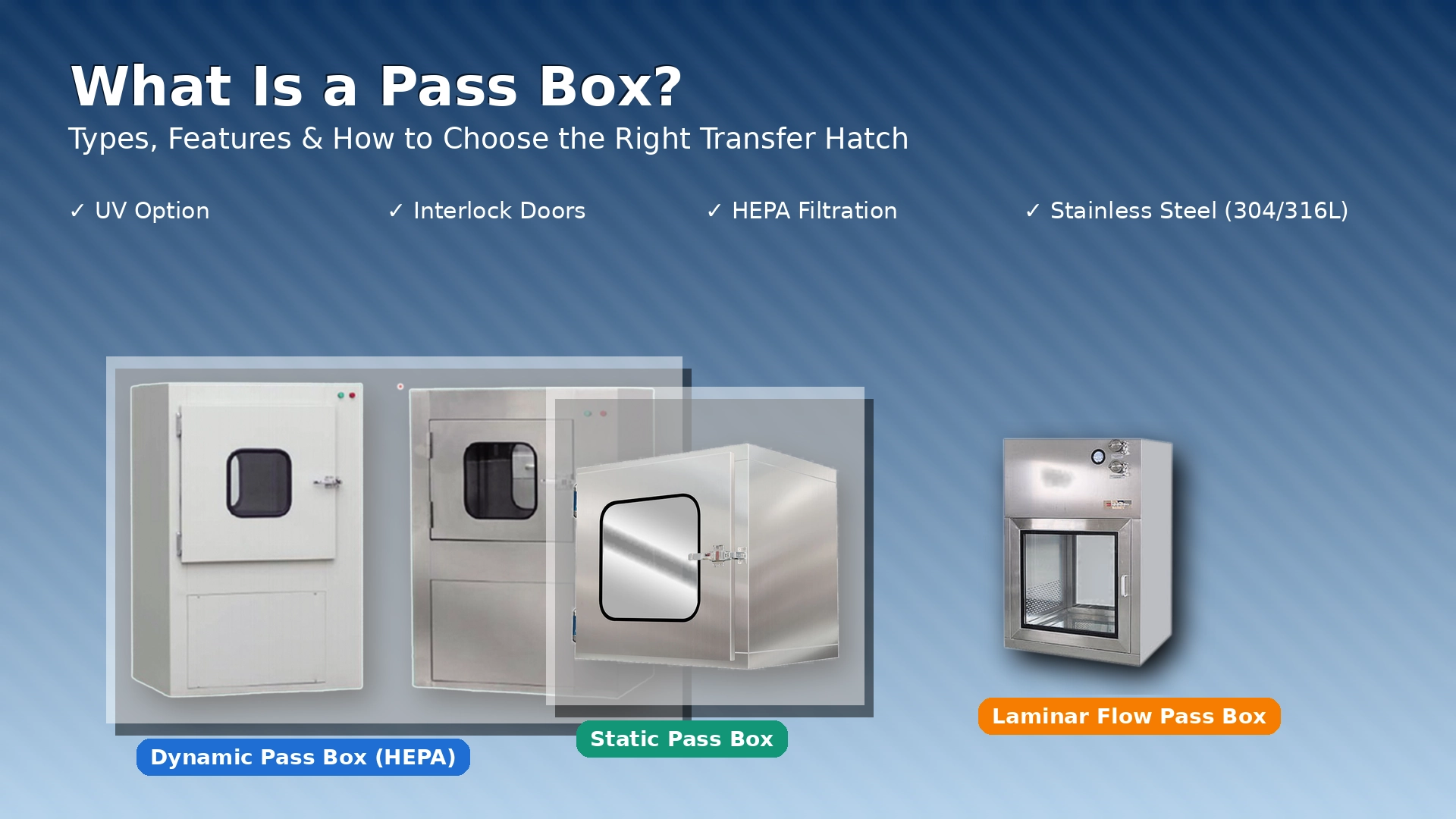
A pass box (transfer hatch) is a controlled enclosure that enables safe material transfer between cleanroom zones without compromising ISO-classified air quality. This guide explains what pass boxes are, compares static and dynamic models (including UV, laminar flow, and air shower types), and provides a practical selection framework based on cleanroom class differences, industry requirements, and compliance needs.

When chemical reagents are stored properly, it not only reduces the risks of leaks, incompatible chemical reactions, and personnel exposure, but also extends shelf life, improves lab management efficiency, and helps your facility comply with safety standards such as OSHA and NFPA.
This article explains the key principles of safe chemical reagent storage, introduces common types of chemical storage cabinets (flammable, corrosive, acid & alkali, and toxic/hazardous material cabinets), and highlights the must-have features to consider when selecting the right solution—ventilation, locking mechanisms, spill containment, corrosion-resistant materials, and adjustable shelving. It also provides practical tips for organization and routine maintenance to help your lab build a safer, more compliant, and more efficient chemical storage system.

Discover why MAX LAB stainless steel laboratory countertops are the top choice for safety, durability, and performance. Learn about material options, maintenance tips, and how they outperform other lab work surfaces.

Welcome to our comprehensive Laboratory Furniture Installation Guide. Whether you’ve just received your custom-built lab benches, storage cabinets, or complete steel and wood lab systems, this guide is designed to walk you through the installation process from start to finish.
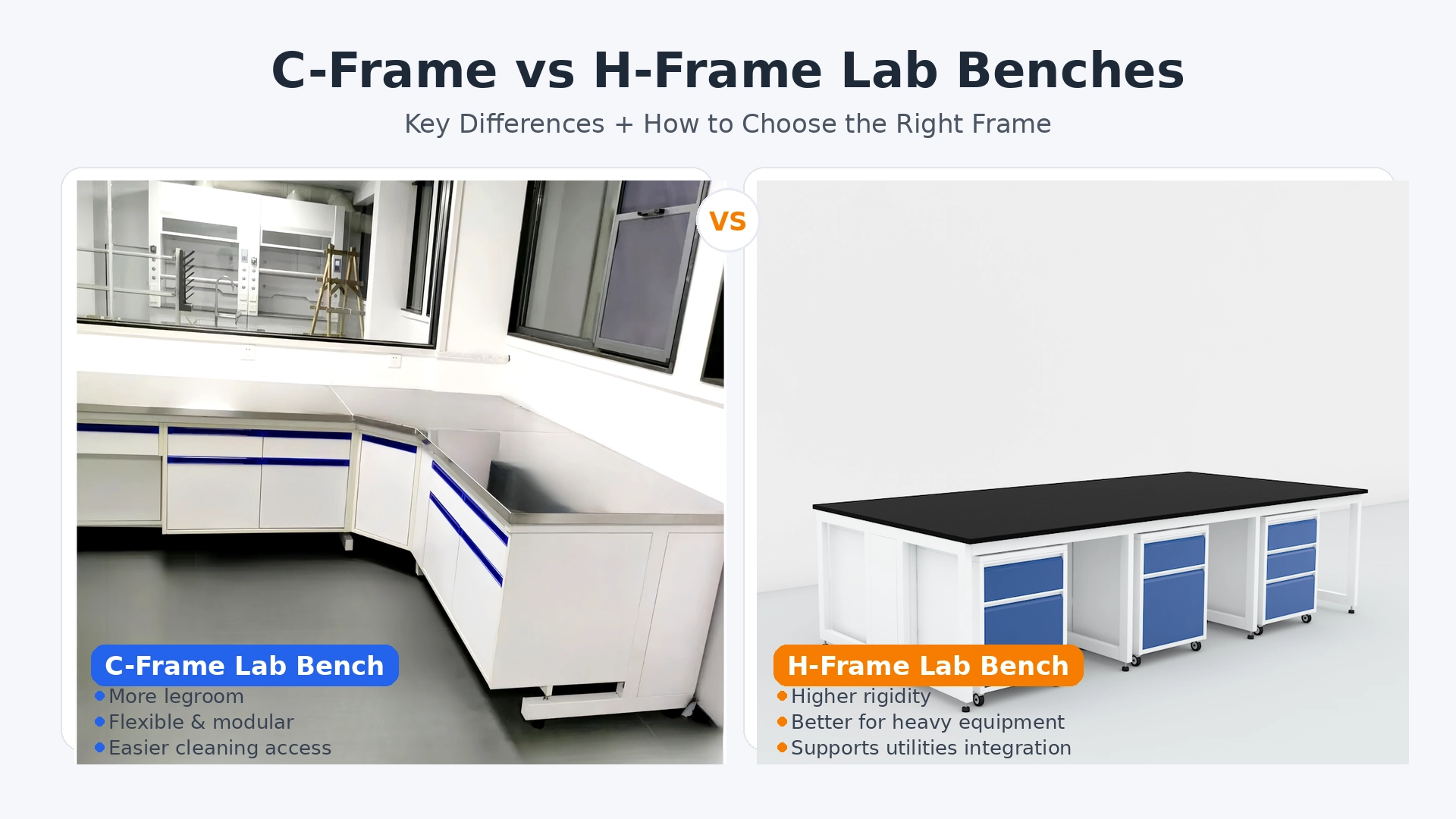
The lab benchtop is important, but the factor that truly determines load capacity, safety, comfort, and long-term expansion costs is often the support structure underneath. C-frame and H-frame designs are the two most common lab bench frames—one prioritizes flexibility and open space, while the other focuses on stability and heavy-duty support.
This article compares the pros and cons of C-frame and H-frame benches across structural design, space utilization, equipment load requirements, utilities integration, retrofit potential, and typical applications. It also includes a quick selection checklist to help you choose the right bench support structure based on your lab layout, equipment weight, and future expansion plans.
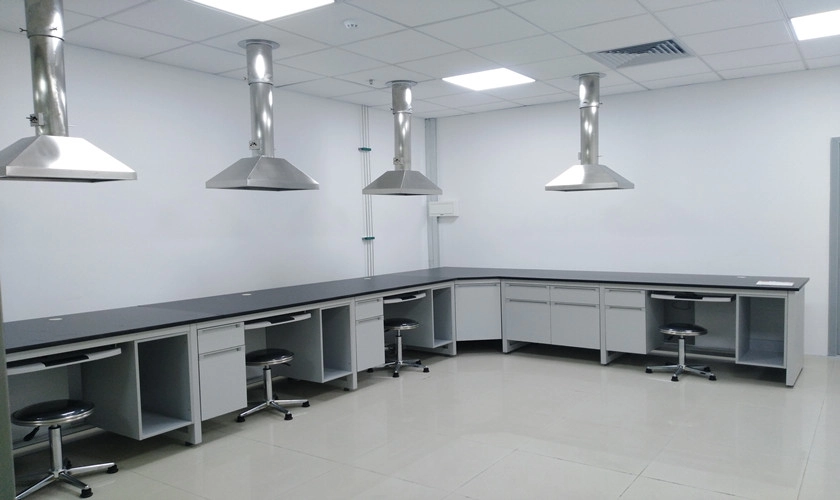
In any modern laboratory, maintaining clean air and a safe working environment isn’t just a best practice—it’s a necessity. That’s exactly why a fume extractor is essential.
In this guide, we explain why a fume extractor may be one of the smartest investments you can make for your lab this year—and how to choose the right model.

Many “abnormal” lab results are caused by poor specimen handling—not the patient’s condition. This in-depth guide explains which laboratory tests require special handling, why specimens are sensitive, and how to control temperature, time, light, packaging, and biosafety. You’ll also learn how a specimen-friendly lab setup (receiving, storage, wet area, ventilation) reduces errors and improves quality.
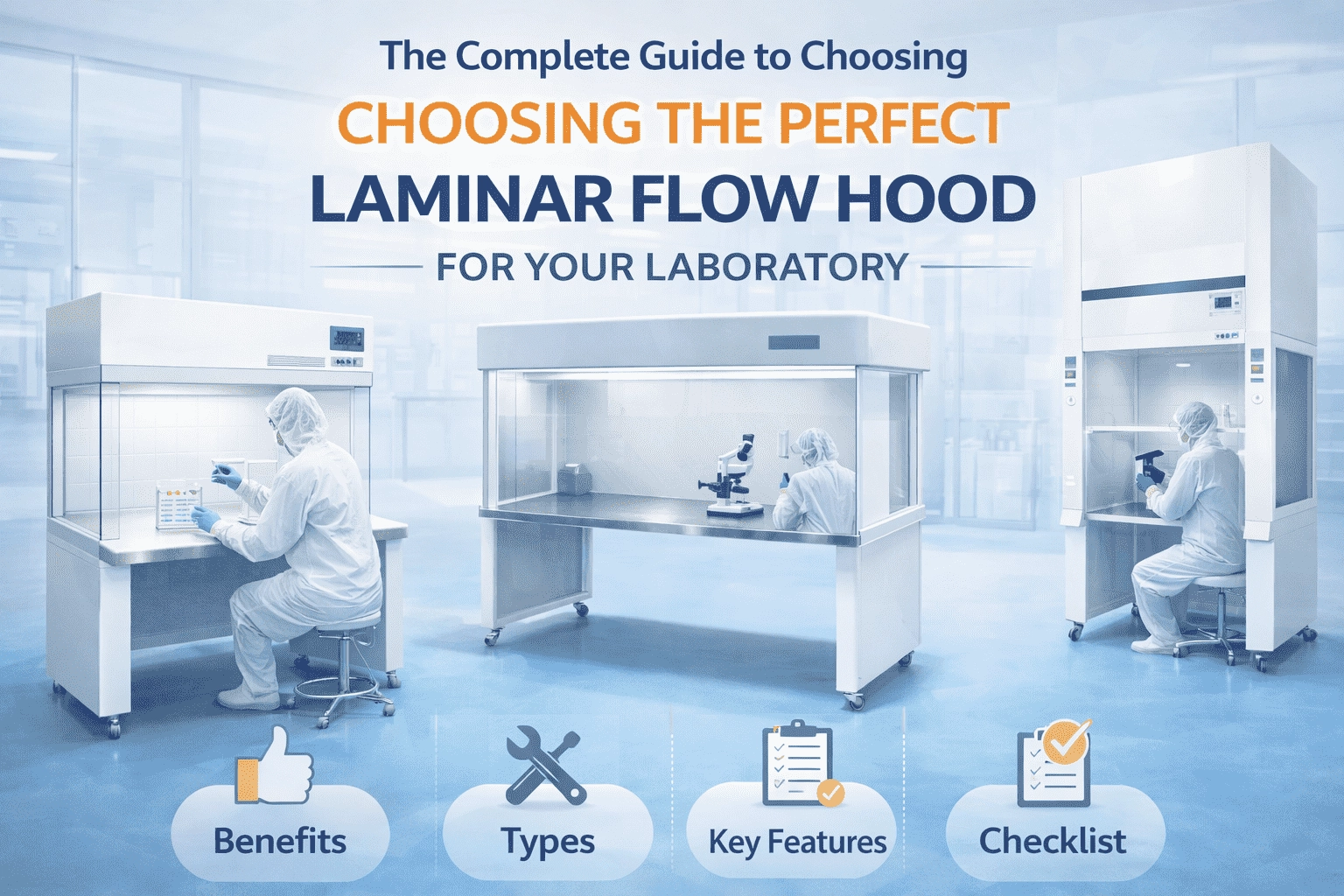
When setting up a laboratory, selecting the right equipment is crucial for safety, efficiency, and workflow optimization. Laminar Flow Hoods and Fume Hoods are two common pieces of lab equipment, each serving distinct functions and applications. This article explores the key differences between these two devices, helping you choose the most suitable one based on your laboratory's needs. Laminar flow hoods are primarily used to protect samples from contamination, making them ideal for tasks requiring sterile conditions. On the other hand, fume hoods are designed to protect users from hazardous gases, vapors, and chemicals. Understanding their operating principles, suitable applications, and energy efficiency differences will help you select the best equipment for your lab, ensuring safety and research effectiveness.

Comparing steel, PP, and stainless steel lab benches? This guide explains the differences in durability, chemical resistance, hygiene, and cost to help you choose the right lab bench material.
Looking for the best laboratory furniture brands for biotech startups? This guide explains what early-stage biotech companies should evaluate when selecting lab furniture suppliers, from flexibility to long-term scalability.
/ Let’s Build Together
Partner With a Trusted OEM/ODM Manufacturer
We provide end-to-end support tailored to your business needs.

Aelen Tran
Property Manager

 Scan QR Code
MaxLabFurniture
MaxLab Furniture
daihongada
Max Laboratory