
Variable Air Volume Fume Hood Airflow Balancing Tips

- Understanding VAV Fume Hood Fundamentals
- What makes a variable air volume fume hood different?
- Core performance targets: face velocity and containment
- Key components affecting balance
- Step-by-step Airflow Balancing Procedure
- 1. Pre-commissioning checks
- 2. Establish baseline static pressures and minimum flows
- 3. Calibrate face velocity setpoints and BMS integration
- Testing, Validation and Ongoing Verification
- ASHRAE 110 and tracer gas testing
- Commissioning checklist
- Routine re-verification
- Troubleshooting and Optimization
- Common issues and fixes
- Balancing multiple hoods on one exhaust riser
- Energy optimization without compromising safety
- Comparison: VAV vs CAV Fume Hood Performance
- Best Practices and Pro Tips
- Design and procurement tips
- Operator training and SOPs
- Documentation and records
- FAQ
- How often should a VAV fume hood be re-balanced?
- Can Venturi valves eliminate the need for BMS control?
- What measurement tools are recommended for balancing?
- How does sharing an exhaust riser affect balancing?
- What are acceptable face velocity tolerances?
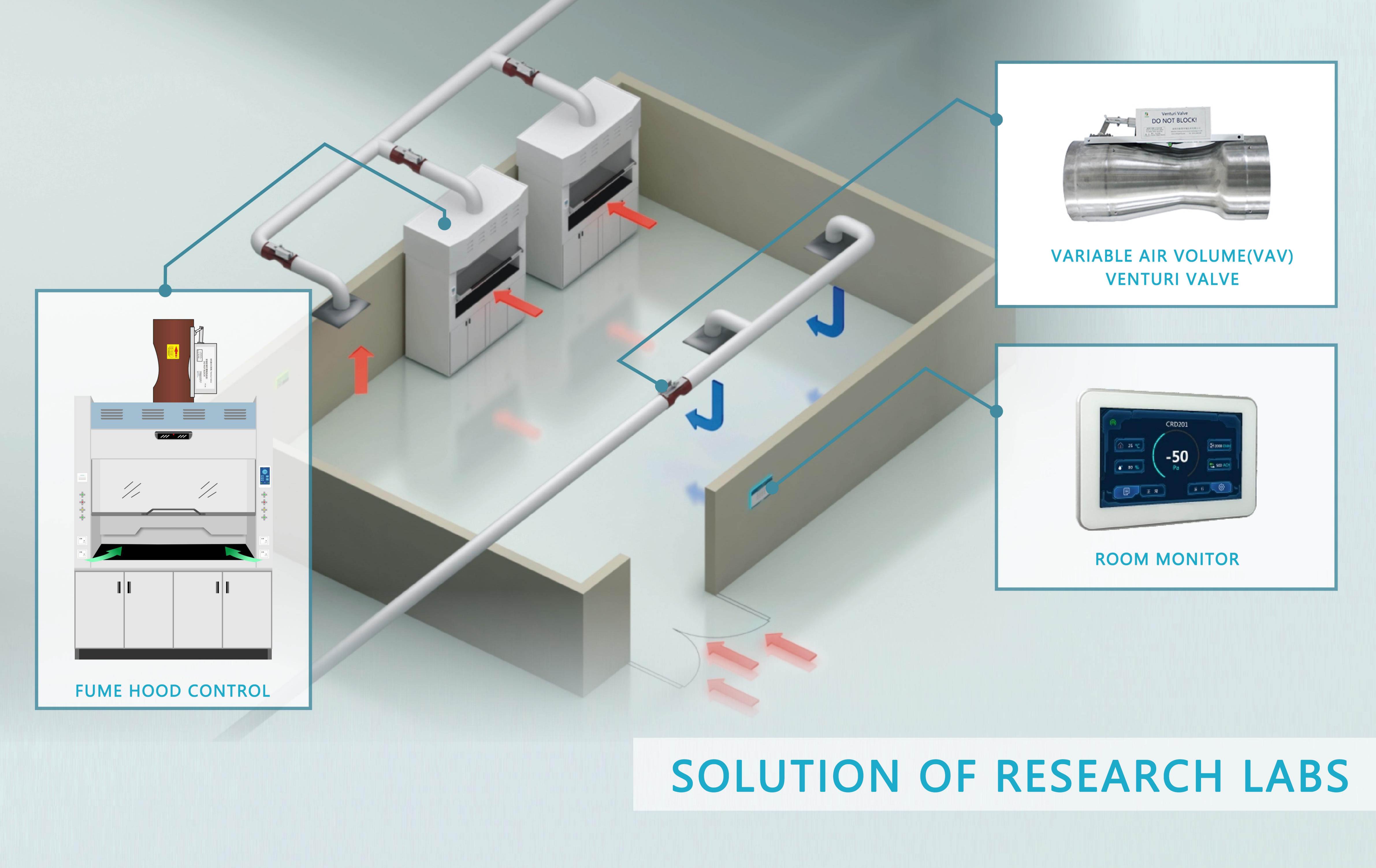
Achieving reliable containment and energy savings with a variable air volume fume hood requires careful airflow balancing, accurate measurement, and correct integration of control hardware such as venturi valves. This guide focuses on practical, field-proven methods to commission, adjust, and maintain a variable air volume fume hood system so it consistently meets face velocity targets while minimizing energy use. It covers measurement techniques, sequence-of-operations, commissioning tests (including ASHRAE 110 checks), and troubleshooting strategies that lab managers, HVAC technicians, and commissioning agents can apply today.
Product brief:
Optimize airflow regulation and ensure precise laboratory ventilation with MAX LAB Venturi Valve Air Velocity Control System. Designed for high-performance air pressure control, this system automatically adjusts to changes in duct static pressure, maintaining stable and energy-efficient air velocity management. Ideal for laboratories, cleanrooms, and healthcare facilities, it provides fast response times, low maintenance, and superior contaminant control. Our Venturi valve system enhances HVAC efficiency, improves air quality, and ensures compliance with critical environment safety standards.
Understanding VAV Fume Hood Fundamentals
What makes a variable air volume fume hood different?
A variable air volume fume hood (VAV fume hood) modulates exhaust airflow in response to sash position or containment needs, unlike constant air volume (CAV) hoods that exhaust a fixed volume. This modulation reduces energy use by allowing the building HVAC system to lower makeup air and conditioning loads when the sash is closed or partially closed. The trade-off is that VAV systems require accurate controls and balancing to maintain safe face velocities across varying duct static pressures and sash positions.
Core performance targets: face velocity and containment
Safe operation depends on maintaining a target face velocity (typically 80–120 fpm / 0.4–0.6 m/s depending on local guidelines and the hood's use). The commissioning goal is to hold this velocity across the normal sash travel range while ensuring containment during tracer gas or smoke testing. Referencing standardized test methods, such as ASHRAE Standard 110, helps validate performance under laboratory conditions.
Key components affecting balance
Airflow balance depends on the hood, sash, ductwork, fan controls, VAV controller or Venturi valve, and Building Management System (BMS). The MAX LAB Venturi Valve Air Velocity Control System reduces sensitivity to upstream duct static pressure changes by dynamically adjusting flow with high responsiveness — an important advantage when balancing multiple VAV fume hoods on the same exhaust riser.
Step-by-step Airflow Balancing Procedure
1. Pre-commissioning checks
Before balancing, confirm mechanical readiness: verify ductwork is unobstructed, exhaust fans and VFDs are functional, and the Venturi valve actuators are powered and responsive. Check that the hood sash moves smoothly and that any bypass or makeup dampers are set to manual baseline positions. Ensure instrumentation (anemometer, manometer, smoke pencil, tracer gas toolkit) is calibrated.
2. Establish baseline static pressures and minimum flows
Measure static pressure at the Venturi valve inlet and downstream in the exhaust riser. Establish a minimum safe exhaust flow for when sash is closed (to maintain containment at rest) and a maximum design flow for fully open sash. Configure the Venturi valve's minimum position to meet the closed-sash minimum without starving the hood. The Venturi valve's ability to automatically compensate for duct static pressure is especially helpful during this step.
3. Calibrate face velocity setpoints and BMS integration
Place an anemometer grid or hood face traverse to capture baseline face velocity across the work face. Program the VAV controller or Venturi valve to maintain the target face velocity at specified sash positions, then verify with a series of sash stops (closed, 25%, 50%, fully open). Integrate control setpoints and alarms into the BMS so operators receive alerts on under- or over-flow conditions. For guidance on safe laboratory ventilation practices refer to NIOSH ventilation guidance.
Testing, Validation and Ongoing Verification
ASHRAE 110 and tracer gas testing
Use the ASHRAE Standard 110 methodology to validate containment and quantify performance. This includes tracer gas or sulfur hexafluoride (SF6) testing, smoke visualization, and face velocity measurements at several sash positions. The standard provides repeatable criteria to compare design vs. achieved performance (see ASHRAE Standard 110).
Commissioning checklist
- Verify face velocity at multiple sash positions (target and tolerance).
- Confirm Venturi valve response time and stability under transient conditions.
- Check alarm thresholds and BMS logging for accuracy.
- Perform containment testing (smoke/tracer gas) at typical operating conditions.
Routine re-verification
Schedule periodic verification (quarterly or semi-annually depending on lab risk) that includes face velocity measurements, Venturi valve health checks, and a brief containment test. Include inspection of sash seals and airfoil integrity because physical wear affects balance. OSHA and other agencies recommend documented maintenance and testing schedules; see the OSHA laboratory safety resources for best practices (OSHA).
Troubleshooting and Optimization
Common issues and fixes
Hunting or oscillation: If the system hunts, increase control damping or tune PID loops in the VAV controller or BMS. The MAX LAB Venturi Valve’s fast response may require different tuning than conventional dampers.
Low face velocity at open sash: Check for blocked ductwork, fan underperformance, or an incorrectly set minimum flow. If multiple VAV hoods are on a common exhaust, verify that riser balancing and setback schedules prevent one hood from starving others.
Noise and vibration: High modulation rates can induce noise; inspect for loose duct hangers and confirm the Venturi valve and actuators are mounted correctly and isolated from structural vibration.
Balancing multiple hoods on one exhaust riser
When several variable air volume fume hoods share a common riser, static pressure interactions can make individual balancing hard. Solutions include setting riser pressure control at a stable point, using pressure-independent devices like Venturi valves at each hood, or implementing staged fan control with a master riser setpoint in the BMS. The Venturi valve’s automatic compensation for duct static pressure swings is particularly advantageous in multi-hood configurations.
Energy optimization without compromising safety
Set minimum flows to the lowest safe value and use sash management policies (automatic sash closers, user training) to reduce average exhaust volumes. Use variable frequency drives (VFDs) on exhaust fans coordinated with VAV/venturi valve signals to maximize energy recovery and minimize makeup air conditioning loads. Proper commissioning and control integration ensure that energy-saving strategies do not reduce containment reliability.
Comparison: VAV vs CAV Fume Hood Performance
Below is a concise comparison to help stakeholders decide or justify VAV hood installations versus traditional CAV hoods.
| Feature | VAV Fume Hood (Variable Air Volume) | CAV Fume Hood (Constant Air Volume) |
|---|---|---|
| Energy Efficiency | High when properly balanced and controlled; reduces makeup air and conditioning loads. | Lower; constant exhaust requires continuous makeup air conditioning. |
| Control Complexity | Higher; needs accurate sensors, control tuning, and verification (Venturi valves simplify pressure independence). | Lower; simpler controls but less operational flexibility. |
| Containment Stability | Good if properly commissioned (may be sensitive to riser interactions). | Consistent face velocity; less sensitive to upstream pressure changes. |
| Initial Cost | Higher (controls, sensors, specialized valves like Venturi). | Lower initial capital cost. |
| Maintenance | Requires periodic verification and occasional control tuning. | Routine mechanical maintenance; less control tuning. |
Best Practices and Pro Tips
Design and procurement tips
Specify pressure-independent control devices (e.g., Venturi valves) and include acceptance testing language in procurement documents. Require vendor support during commissioning to ensure proper valve calibration and control integration. Include spare parts and explicit maintenance intervals in contracts.
Operator training and SOPs
Provide clear SOPs for sash use, chemical procedures, and emergency isolation. Train laboratory personnel to understand BMS alarms, sash open/close policies, and how to report airflow issues. Regular user training helps maintain the low-energy benefits of VAV systems without sacrificing safety.
Documentation and records
Keep a commissioning dossier with baseline face velocity readings, Venturi valve calibration curves, control logic diagrams, and BMS alarming thresholds. Document each re-verification event and any tuning changes to ensure continuity across facility shifts and contractor changes.
FAQ
How often should a VAV fume hood be re-balanced?
Perform a quick verification quarterly and a full re-commissioning (including containment testing) annually or after any significant HVAC changes. Higher-risk labs may require more frequent checks. Maintain records for compliance and trend analysis.
Can Venturi valves eliminate the need for BMS control?
No. Venturi valves provide pressure-independent flow control and fast response to duct static changes, but the BMS is still needed for scheduling, alarms, setpoint changes, trend logging, and integration with building-wide fan control strategies.
What measurement tools are recommended for balancing?
Use a calibrated hot-wire or vane anemometer for face velocity, differential manometers for static pressure, and smoke pencils or tracer gas kits for containment testing. For grid traverses consider a calibrated hood face capture device for more precise measurement.
How does sharing an exhaust riser affect balancing?
Shared risers introduce static pressure interactions that can cause flow redistribution. Use riser pressure control, pressure-independent valves at each hood, or staged fan control. The MAX LAB Venturi Valve offers automatic compensation that reduces inter-hood interference.
What are acceptable face velocity tolerances?
Common practice sets target face velocity ±10–20% depending on local standards and lab risk. Refer to institutional policies and ASHRAE/NIOSH guidelines for final acceptance criteria.
For further help optimizing a variable air volume fume hood system or to evaluate the MAX LAB Venturi Valve Air Velocity Control System for your facility, contact our technical sales team or view product details:
View MAX LAB Venturi Valve Product Page | Contact Sales
Recommended reading and standards:

Lifecycle Cost Analysis for Lab Countertops in Institutional Labs
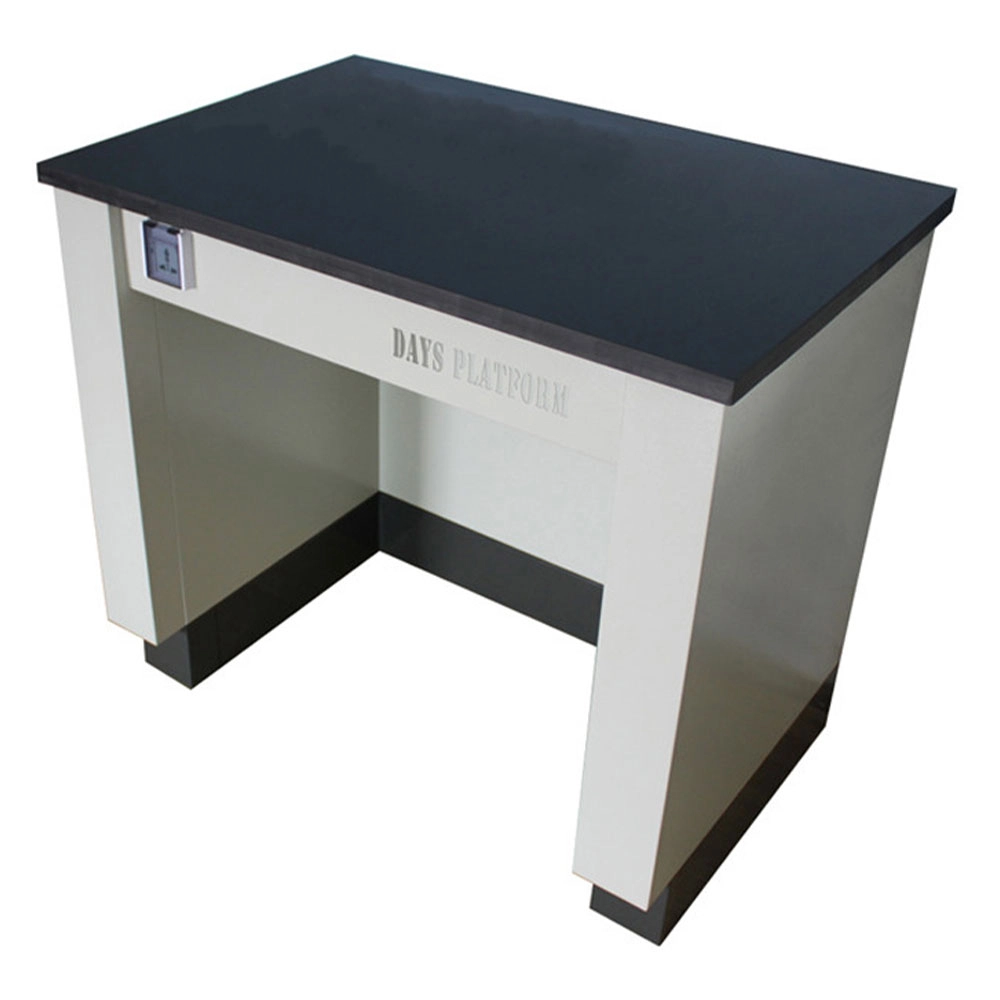
Anti-vibration Tables BT-03: Key specs for laboratory tables
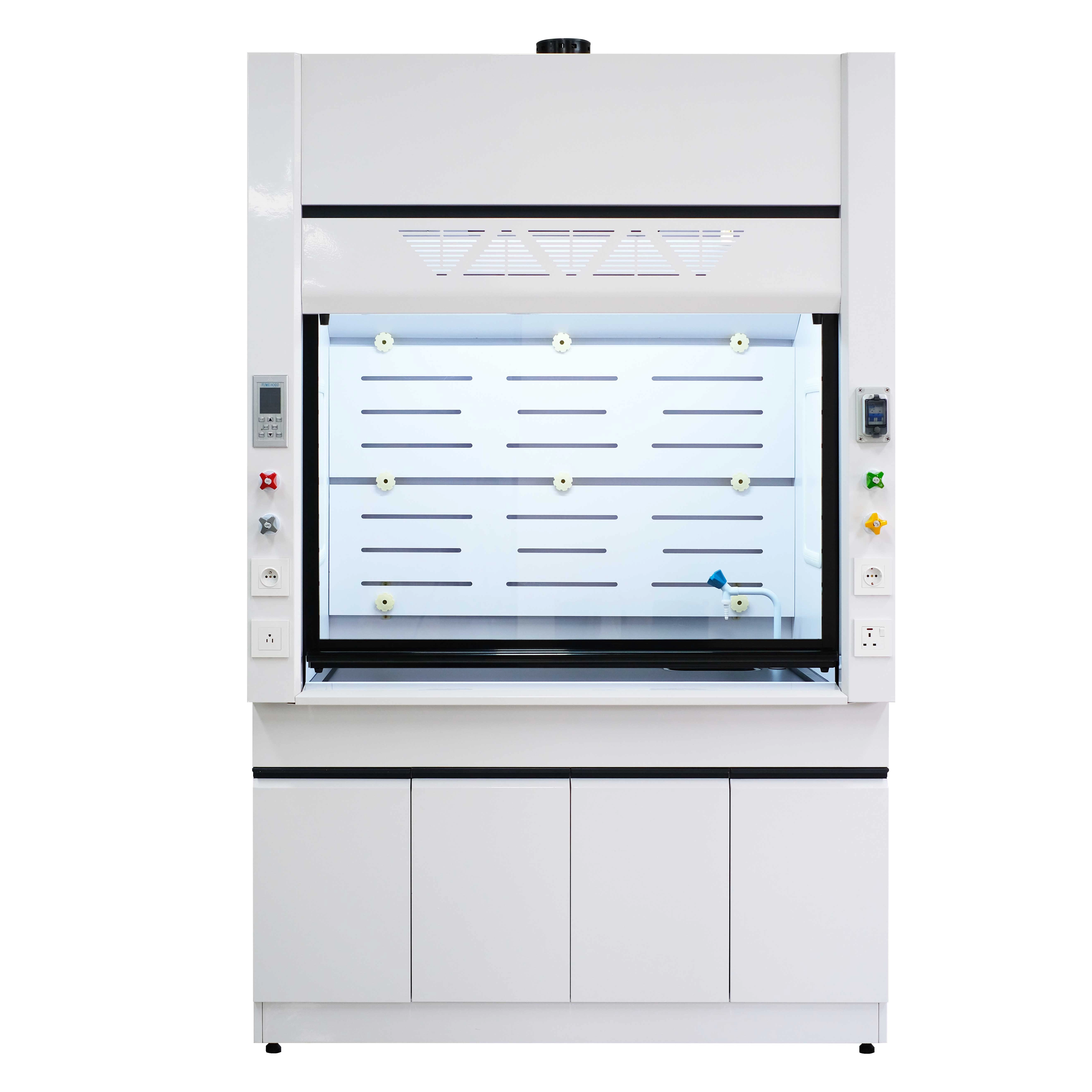
Fume Hood Lifecycle Costs: Total Cost of Ownership Guide
Comparing Chemical Resistance: Phenolic vs Epoxy vs Stainless
For After-Sales Support
How about your after sale service?
We will reply you within 24 hours by email or phone.
If we have local agent,we will arrange him to your site within 24 hours to assist you to shoot the problem.
Do you offer training for using your products?
Yes, we offer training for your staff on how to properly use and maintain the laboratory equipment we provide. Contact us to schedule a training session.
For Products
What materials do you use for your furniture?
We use a variety of durable materials such as stainless steel, steel wood, PP and wood composites. Our countertop materials are phenolic resin, epoxy resin, ceramic, trespa and granite, depending on your lab’s needs.
About Solution
Do you provide laboratory layout design service?
Yes, we provide professional laboratory layout design service to optimize space utilization and workflow according to customer's site and usage requirements.
For Company
Can I visit your factory or showroom?
Yes, we welcome visits to our showroom and production facility. Please contact us in advance to schedule an appointment.
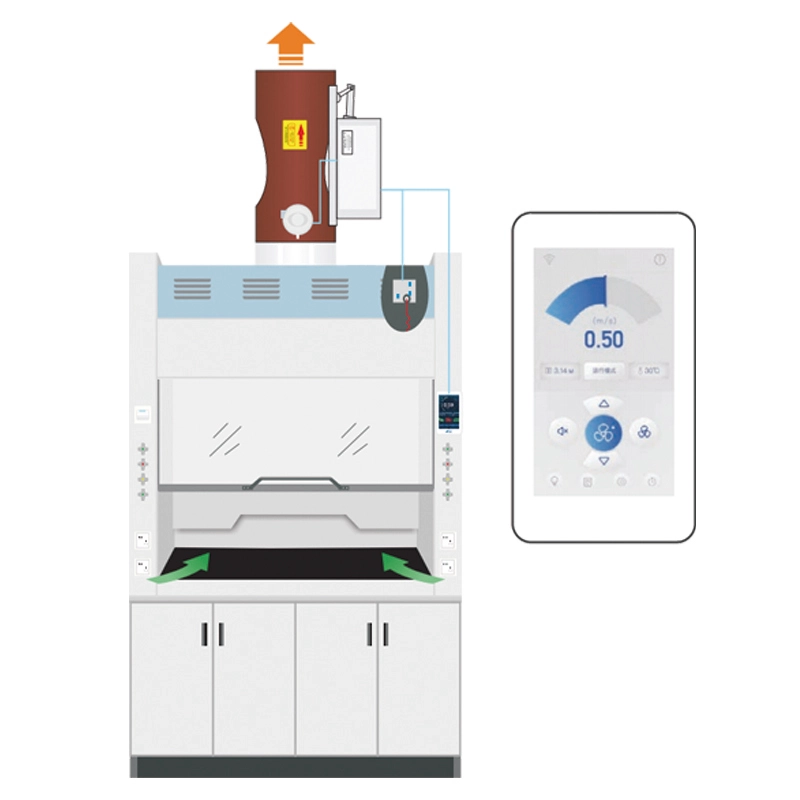
Variable Air Volume Fume Hood
Optimize airflow regulation and ensure precise laboratory ventilation with MAX LAB Venturi Valve Air Velocity Control System. Designed for high-performance air pressure control, this system automatically adjusts to changes in duct static pressure, maintaining stable and energy-efficient air velocity management. Ideal for laboratories, cleanrooms, and healthcare facilities, it provides fast response times, low maintenance, and superior contaminant control. Our Venturi valve system enhances HVAC efficiency, improves air quality, and ensures compliance with critical environment safety standards.

Floor Mounted Lab Bench
Our Floor Mounted Lab Bench is an essential, high-efficiency workspace for laboratories, made from high-quality steel-wood or corrosion-resistant stainless steel materials to ensure exceptional durability and stability. The unique floor-mounted design effectively reduces vibration, optimizes space usage, and provides a safe and tidy laboratory environment.
Customizable storage solutions help organize lab equipment efficiently, while the easy-to-clean surface maintains laboratory hygiene. It is widely suitable for research institutions, educational laboratories, and the chemical and pharmaceutical industries.
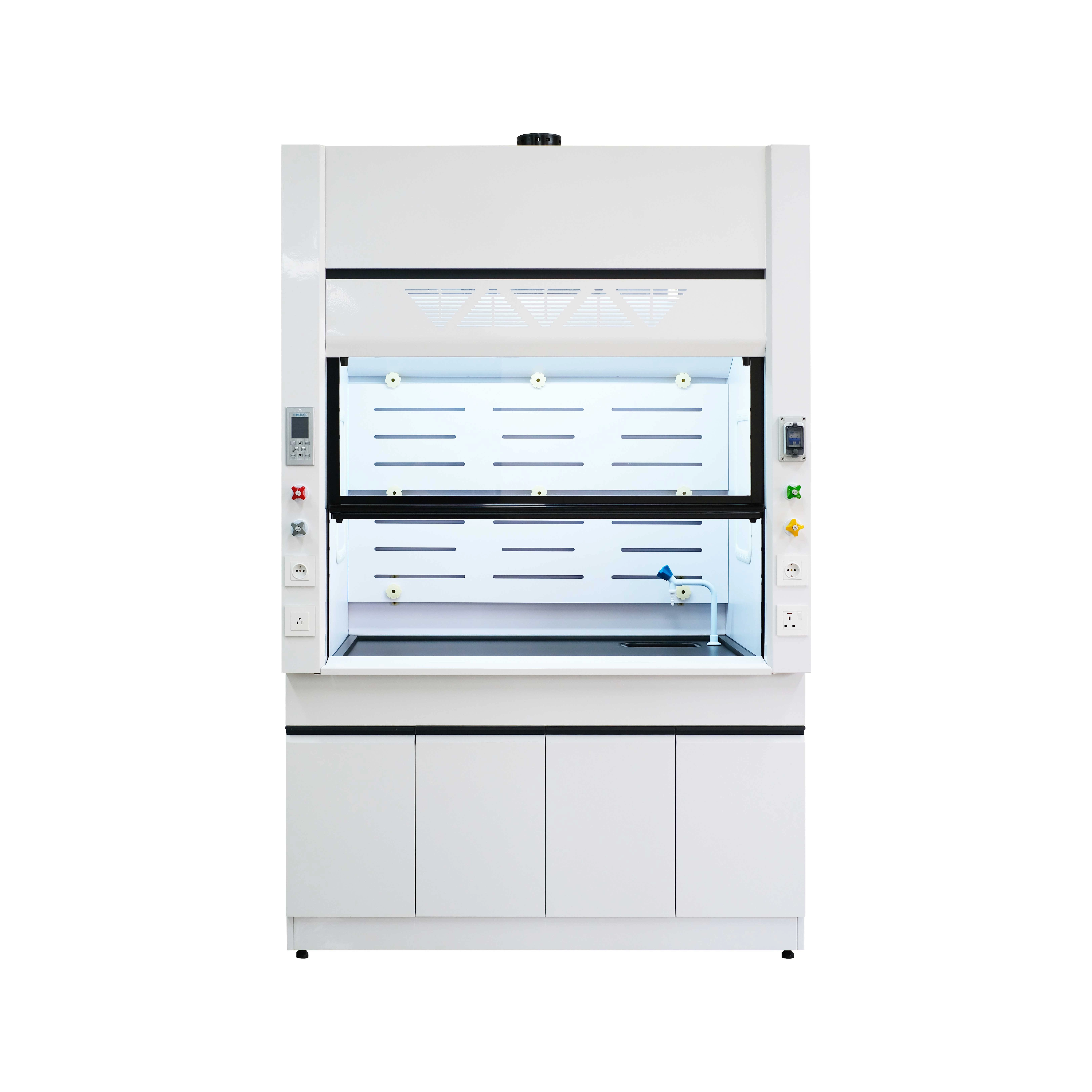
Fume Hood
The fume hood provides safe ventilation to protect against exposure to hazardous or toxic fumes, vapors, or airborne particulate. It is primarily used in laboratory and manufacturing applications to protect the user or environment outside the hood, but can also be used to protect the materials or experiment under the hood.
APPLICATION
Chemistry Lab, physics Lab, biological analysis, pharmaceutical medicine analysis, biological pharmaceutical, plant culture, environmental testing and electronic instrumentation scientific research and so on.
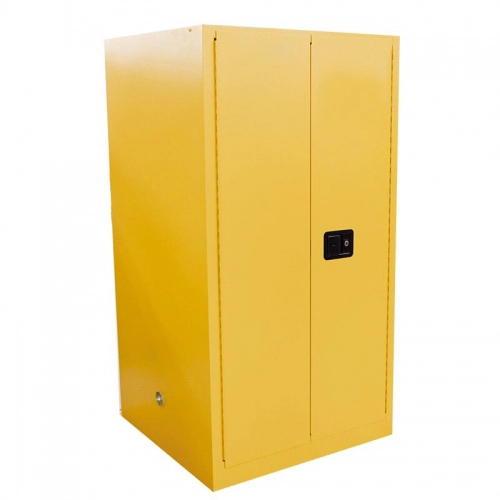
Flammable Storage Cabinet
Safety Cabinets store flammable liquids, corrosives, pesticides and other hazardous materials. All fire-resistant safety cabinets by meet fire codes and regulations for safety storage.
To help protect your people and facility from a potential fire, safety cabinets are engineered to safely contain flammable fuels, solvents, and chemicals. Safety cabinets can not only help everyone store chemicals reasonably, save chemical supplies, but also save human resources, and avoid fires caused by chemicals with the greatest strength.

 Scan QR Code
MaxLabFurniture
MaxLab Furniture
daihongada
Max Laboratory