
Variable Air Volume Fume Hood Warranty and Service Terms

- Understanding Your VAV Fume Hood Warranty
- What a Standard Warranty Typically Covers
- Key Terms to Look For in Your Contract
- Product Spotlight: Variable Air Volume Fume Hood System
- Service & Maintenance: Best Practices for Performance and Compliance
- Preventive Maintenance Schedule and Tasks
- Performance Validation and Documentation
- Routine vs. Predictive Maintenance — What to Choose?
- Warranty Claims, Repairs, and Parts Replacement
- How to File a Warranty Claim
- Replacement Parts: OEM vs. Aftermarket
- Typical Response Times and Service Levels
- Maximizing Lifespan, Safety, and Energy Efficiency
- How Warranty and Service Affect Total Cost of Ownership
- Regulatory & Testing Standards You Should Know
- Practical Steps to Extend Equipment Life
- Warranty Comparison and Decision Checklist
- Warranty Comparison Table
- Decision Checklist for Procurement Teams
- When to Consider Extended Service Agreements
- Frequently Asked Questions (FAQ)
- Q: How long is the typical warranty for a Variable Air Volume fume hood?
- Q: Does using aftermarket parts void my warranty?
- Q: How often should a VAV fume hood be re-certified?
- Q: What documentation is required for a warranty claim?
- Q: Can Venturi valve VAV systems save energy compared to constant volume systems?

Variable air volume fume hoods are a critical component of modern laboratories, cleanrooms, and healthcare facilities. A clear, enforceable warranty and a structured service program ensure sustained containment performance, energy efficiency, and regulatory compliance. This page explains typical warranty scopes, recommended service intervals, acceptance testing, and claim procedures for Variable Air Volume Fume Hood systems — including Venturi valve and airflow control technologies — so facility managers and safety officers can make informed decisions and reduce operational risk.
Understanding Your VAV Fume Hood Warranty
What a Standard Warranty Typically Covers
A warranty for a Variable Air Volume fume hood should clearly define components and labor coverage, the warranty period for each item, and exclusions. Typical coverage items include:
- Structural components (hood shell, baffles, sash) — usually 1–5 years
- Mechanical components (sash hardware, fans supplied by vendor) — often 1–3 years
- Control systems and sensing devices (VAV controllers, Venturi valves, sensors) — typically 1–3 years
- Seals, filters, and consumables — sometimes limited or excluded
Good warranty language will also describe start date (shipment, installation, or commissioning) and any conditions on coverage such as professional installation, adherence to preventive maintenance schedules, and use of manufacturer-authorized parts.
Key Terms to Look For in Your Contract
When reviewing service terms, pay attention to the following clauses: warranty start and expiration dates, definitions of defects, required notification procedures, permitted repairs or modifications, limitations of liability, and requirements for preventive maintenance. Also check whether calibration and face-velocity verification tests (e.g., per ANSI/ASHRAE standards) are required at set intervals to preserve warranty validity. For industry testing references, see the fume hood testing overview on Wikipedia.
Product Spotlight: Variable Air Volume Fume Hood System
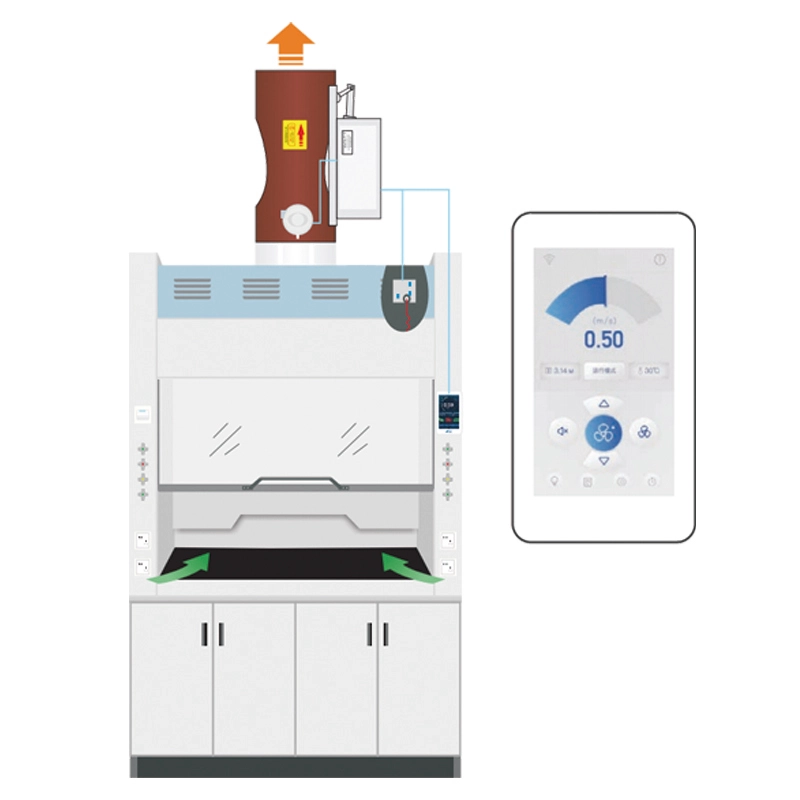
Optimize airflow regulation and ensure precise laboratory ventilation with MAX LAB Venturi Valve Air Velocity Control System. Designed for high-performance air pressure control, this system automatically adjusts to changes in duct static pressure, maintaining stable and energy-efficient air velocity management. Ideal for laboratories, cleanrooms, and healthcare facilities, it provides fast response times, low maintenance, and superior contaminant control. Our Venturi valve system enhances HVAC efficiency, improves air quality, and ensures compliance with critical environment safety standards.
Service & Maintenance: Best Practices for Performance and Compliance
Preventive Maintenance Schedule and Tasks
Consistent preventive maintenance preserves containment, reduces energy use, and prevents costly emergency repairs. A recommended schedule for a Variable Air Volume fume hood includes:
- Monthly: Visual inspection of sash operation, alarms, and basic control readouts.
- Quarterly: Check face velocity and sash stop positions; inspect filters and seals.
- Annually: Full performance test (smoke or tracer gas), calibration of sensors, ventilation balance check, and verification of Venturi valve or VAV controller response.
- As needed: Replace consumables and repair physical damage immediately.
Accepted laboratory ventilation and testing practices are described by organizations such as ISO 14644 for cleanrooms and relevant CDC laboratory guidance for biosafety HVAC design (CDC Labs).
Performance Validation and Documentation
Every service visit should include documented test results: face velocity (fpm), sash height, alarms tested, and visual condition. Maintaining a digital log helps demonstrate compliance during audits and can be a requirement for warranty coverage. When commissioning or after major repairs, perform a baseline test and record results to compare future performance.
Routine vs. Predictive Maintenance — What to Choose?
Routine (time-based) maintenance is essential for safety equipment. For VAV systems, adding predictive maintenance — using trend data from the Venturi valve controllers and static pressure sensors — can reduce service frequency and detect failures early. Predictive strategies often rely on controller logs and simple analytics to flag drift in face velocity or abnormal damper behavior, maximizing life span and maintaining energy savings.
Warranty Claims, Repairs, and Parts Replacement
How to File a Warranty Claim
To expedite claims, follow these steps:
- Document the issue with date/time, serial numbers, photos, and attached test results.
- Notify the manufacturer or authorized service center per contract (email and phone) and provide your purchase order/invoice and commissioning report.
- Schedule a remote diagnostic if available; many modern VAV controllers support remote readout, speeding diagnosis.
- If on-site repair is needed, ensure access, utilities, and safety authorizations (lockout/tagout, chemical precautions).
Well-managed vendors will provide a warranty RMA number and expected response times. Emergency repairs for fume hood containment failures should be prioritized to protect personnel and experiments.
Replacement Parts: OEM vs. Aftermarket
Using OEM parts (original Venturi valves, sensors, controllers) typically preserves warranty and ensures calibration compatibility. Aftermarket components may reduce short-term cost but can void warranty clauses tied to unauthorized parts. Carefully weigh lifecycle cost: OEM parts and authorized service often reduce long-term downtime and liability.
Typical Response Times and Service Levels
Service level agreements (SLAs) vary by vendor. Typical tiers include:
| Service Tier | Response Time | Common Coverage |
|---|---|---|
| Standard Warranty | 5–10 business days | Core defects, parts-only, limited labor |
| Priority/Extended | 24–72 hours | On-site labor, diagnostics, expedited parts |
| Emergency/Urgent | 4–24 hours | Critical containment failures, immediate dispatch |
Negotiate SLAs that match your risk profile; healthcare and pharmaceutical labs often require faster response times than standard research spaces.
Maximizing Lifespan, Safety, and Energy Efficiency
How Warranty and Service Affect Total Cost of Ownership
A comprehensive warranty plus a proactive service plan lowers total cost of ownership (TCO) by reducing unplanned downtime and preserving HVAC efficiency. VAV fume hoods that use an efficient Venturi valve and intelligent controller typically return energy savings through lower makeup air requirements compared with constant air volume (CAV) systems. Quantifying savings with a short payback analysis helps justify extended service contracts.
Regulatory & Testing Standards You Should Know
Maintain compliance with relevant standards and guidance. For example, ANSI/ASHRAE 110 (fume hood performance testing) is widely referenced for hood containment testing; a summary is available at Wikipedia. For cleanroom air cleanliness classes and control, refer to ISO 14644. For laboratory biosafety ventilation guidance, consult CDC materials. These authoritative sources inform commissioning and periodic re-certification practices.
Practical Steps to Extend Equipment Life
Simple operational practices extend service life:
- Train users on correct sash operation and safe storage inside the hood to avoid blocking airflow patterns.
- Keep a maintenance log and act on minor issues before they escalate.
- Use manufacturer-recommended filters and follow recommended replacement intervals.
- Schedule annual re-certification and re-balance ventilation as part of HVAC preventive maintenance.
Warranty Comparison and Decision Checklist
Warranty Comparison Table
| Feature | Basic | Standard | High Quality |
|---|---|---|---|
| Coverage Period (major components) | 1 year | 2 years | 5 years |
| Control Systems (VAV/venturi) | 1 year | 2 years | 3 years |
| On-site Labor | Not included | Included (first year) | Included (3 years) |
| Response SLA | 5–10 days | 48–72 hours | 24 hours (priority) |
Decision Checklist for Procurement Teams
When selecting a Variable Air Volume fume hood vendor, confirm the following:
- Warranty specifics for Venturi valves and control electronics.
- Availability of authorized service partners in your region.
- Inclusion of commissioning, performance testing, and documentation.
- Options for extended warranty or service contracts and what they cover.
When to Consider Extended Service Agreements
Extended agreements make sense when equipment downtime is costly or when your facility must meet strict regulatory timelines. Facilities that require continuous operation (pharma production, critical healthcare labs) often buy High Quality SLAs to get guaranteed response and prioritized parts shipments.
Frequently Asked Questions (FAQ)
Q: How long is the typical warranty for a Variable Air Volume fume hood?
A: Warranty lengths vary. Structural components commonly have 1–5 year warranties; control electronics and Venturi valves often have 1–3 year coverage. Always confirm start date and conditions (shipment vs. commissioning).
Q: Does using aftermarket parts void my warranty?
A: Many manufacturers specify OEM-only parts to preserve warranty coverage. Using unauthorized parts can void warranty clauses related to the component replaced or to related system failures. Read your warranty carefully and consult the vendor.
Q: How often should a VAV fume hood be re-certified?
A: Annual re-certification is common for many labs. High-risk environments may require more frequent checks. Record baseline performance at commissioning and use that data to guide testing frequency. Refer to standards such as ANSI/ASHRAE 110 for testing methods (reference).
Q: What documentation is required for a warranty claim?
A: Typical requirements include proof of purchase, commissioning report, maintenance logs, photos, serial numbers, and test results showing the fault. Early documentation speeds resolution.
Q: Can Venturi valve VAV systems save energy compared to constant volume systems?
A: Yes. Variable Air Volume control (including Venturi valves) reduces makeup air and fan power when hood sash height is reduced, leading to significant HVAC energy savings. Quantify projected savings during procurement to justify the investment.
If you have further questions or want a customized warranty and service proposal for Variable Air Volume Fume Hood installations, contact our technical team or view the Variable Air Volume Fume Hood product page to learn more and request a quote.
Request for Proposal Tips for Variable Air Volume Fume Hoods
Laboratory table guide: Benefits of Anti-vibration Tables BT-03
Fume Hood Airflow Testing: Critical Checks Buyers Should Require
What are the different types of Laboratory?
For Logistics
Do you handle customs clearance for international shipments?
Of course, if you need it, we will handle the customs clearance of international shipments for our customers to ensure that your laboratory furniture arrives on time.
FAQS
Where are your products manufactured?
All products are manufactured in our advanced facility—the largest laboratory furniture factory in Guangzhou—ensuring strict quality control.
For Products
Do you offer ergonomic solutions for lab furniture?
Yes, our laboratory furniture includes ergonomic designs such as height-adjustable lab benches and chairs that reduce strain during long hours of work.
Customization
Can equipment be customized to specific experimental safety standards?
Yes. We offer customized equipment to specific safety standards, such as ANSI/ASHRAE standards, UL certification and ISO safety standards.
For Customization
Can I customize the size and configuration of my lab furniture?
Yes, we offer full customization for laboratory benches, modular systems, and storage units to meet your specific space and functional needs.
Variable Air Volume Fume Hood
Optimize airflow regulation and ensure precise laboratory ventilation with MAX LAB Venturi Valve Air Velocity Control System. Designed for high-performance air pressure control, this system automatically adjusts to changes in duct static pressure, maintaining stable and energy-efficient air velocity management. Ideal for laboratories, cleanrooms, and healthcare facilities, it provides fast response times, low maintenance, and superior contaminant control. Our Venturi valve system enhances HVAC efficiency, improves air quality, and ensures compliance with critical environment safety standards.

Floor Mounted Lab Bench
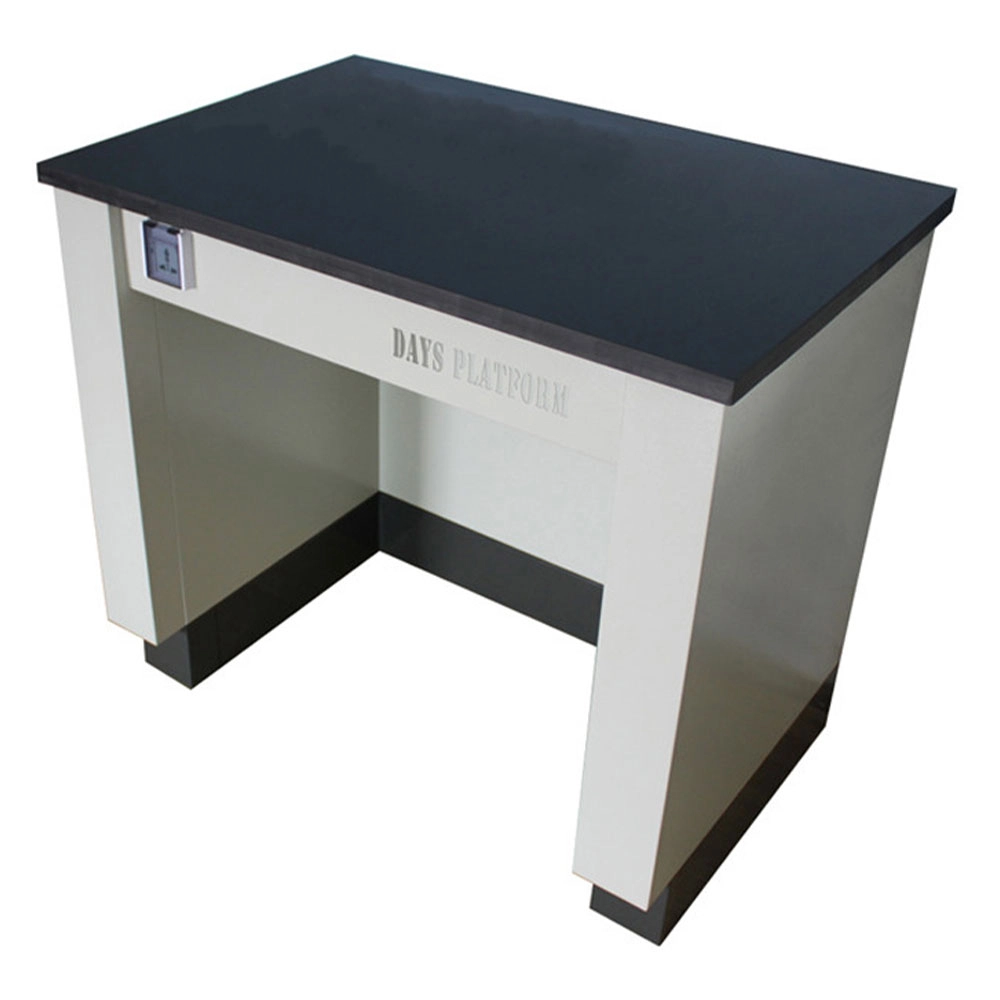
Our Floor Mounted Lab Bench is an essential, high-efficiency workspace for laboratories, made from high-quality steel-wood or corrosion-resistant stainless steel materials to ensure exceptional durability and stability. The unique floor-mounted design effectively reduces vibration, optimizes space usage, and provides a safe and tidy laboratory environment.
Customizable storage solutions help organize lab equipment efficiently, while the easy-to-clean surface maintains laboratory hygiene. It is widely suitable for research institutions, educational laboratories, and the chemical and pharmaceutical industries.
Fume Hood
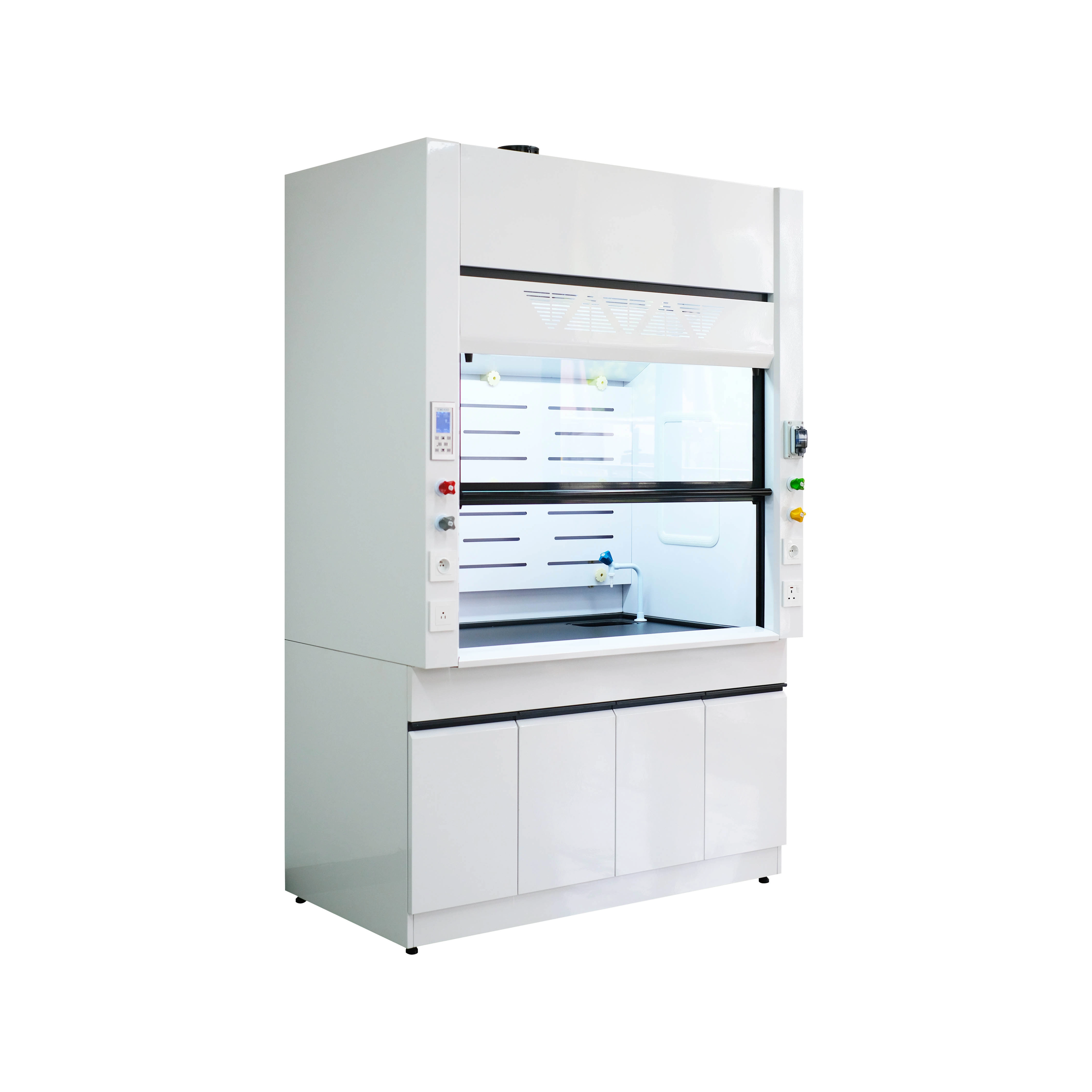
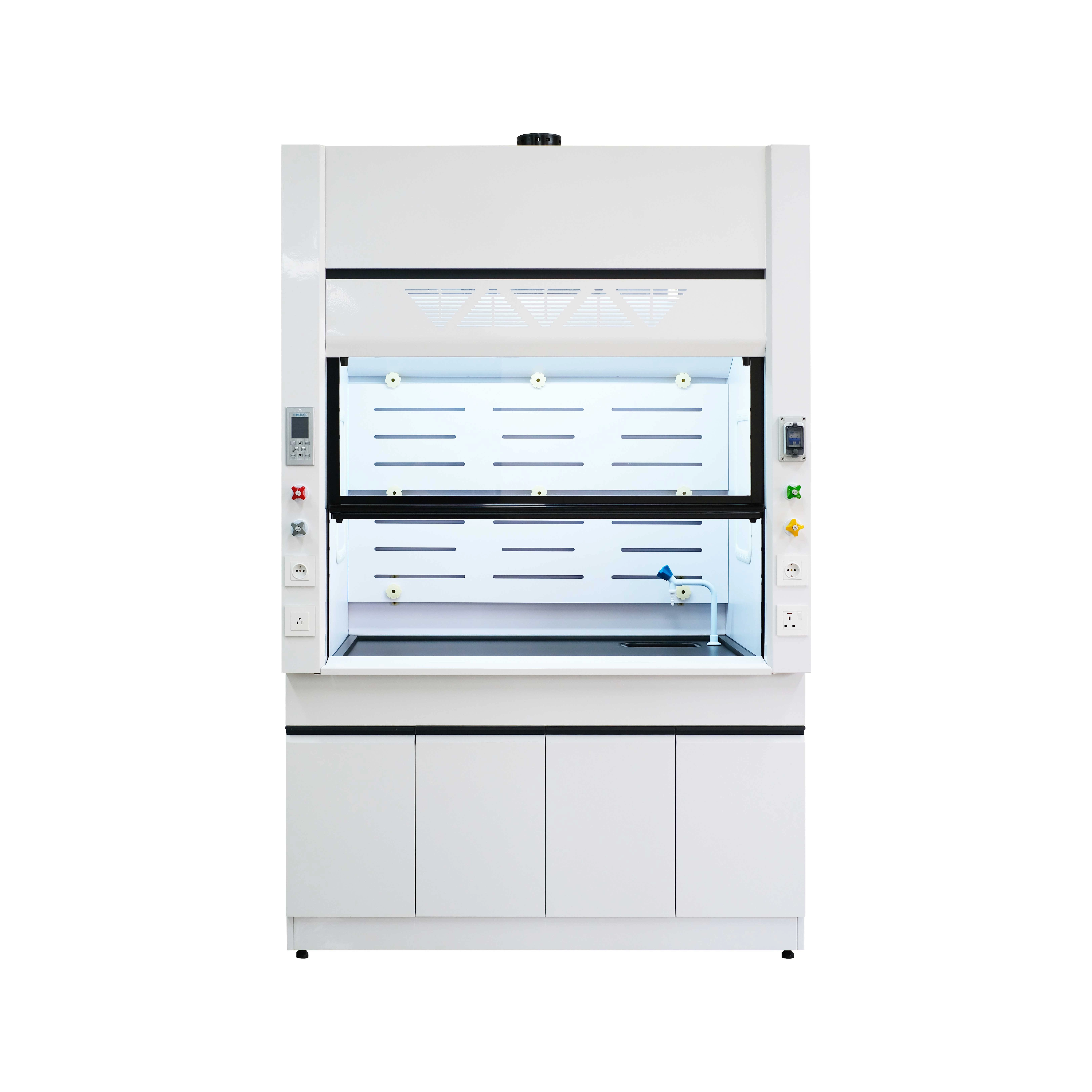
The fume hood provides safe ventilation to protect against exposure to hazardous or toxic fumes, vapors, or airborne particulate. It is primarily used in laboratory and manufacturing applications to protect the user or environment outside the hood, but can also be used to protect the materials or experiment under the hood.
APPLICATION
Chemistry Lab, physics Lab, biological analysis, pharmaceutical medicine analysis, biological pharmaceutical, plant culture, environmental testing and electronic instrumentation scientific research and so on.
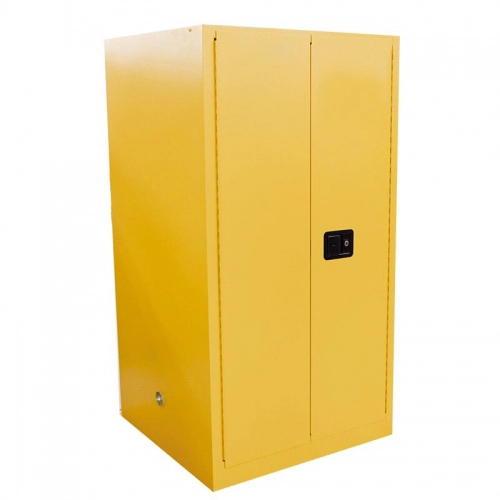
Flammable Storage Cabinet
Safety Cabinets store flammable liquids, corrosives, pesticides and other hazardous materials. All fire-resistant safety cabinets by meet fire codes and regulations for safety storage.
To help protect your people and facility from a potential fire, safety cabinets are engineered to safely contain flammable fuels, solvents, and chemicals. Safety cabinets can not only help everyone store chemicals reasonably, save chemical supplies, but also save human resources, and avoid fires caused by chemicals with the greatest strength.

 Scan QR Code
MaxLabFurniture
MaxLab Furniture
daihongada
Max Laboratory