
Stainless Steel vs Epoxy Lab Sink Cabinets: Pros and Cons

- Choosing the Right Lab Cabinets for Your Facility
- Key considerations before choosing
- Typical lab environments and their needs
- Product overview: Lab Sink Cabinet
- Stainless Steel Lab Sink Cabinets: Advantages and Limitations
- Advantages
- Limitations
- Best use cases for stainless steel cabinets
- Epoxy Resin Lab Sink Cabinets: Advantages and Limitations
- Advantages
- Limitations
- Best use cases for epoxy cabinets
- Side-by-side Comparison and Selection Guide
- Direct comparison table
- Maintenance, cleaning and lifecycle cost
- Integration with lab bench systems and accessories
- Making the Final Decision: Practical Recommendations
- Decision flow based on lab function
- Common hybrid approaches
- Safety and regulatory considerations
- Brand Advantages and How Our Lab Sink Cabinet Meets Your Needs
- Why choose our Lab Sink Cabinet
- Customization and support
- Installation, warranty and after-sales
- FAQ — Frequently Asked Questions
- Q: Which material is better for a general-purpose teaching lab?
- Q: Can stainless steel handle bleach and disinfectants?
- Q: How do I repair small chips in an epoxy sink?
- Q: Are epoxy sinks safe for biological labs?
- Q: What should I check before ordering a Lab Sink Cabinet?

This comparative guide helps lab managers, facilities planners and purchasing teams evaluate two popular lab cabinets materials—stainless steel and epoxy resin—so you can select the most appropriate lab cabinets and Lab Sink Cabinet for your chemistry labs, teaching labs, biopharmaceutical facilities and testing departments. The analysis covers corrosion resistance, chemical and heat resistance, maintenance, lifecycle cost, ergonomics and compatibility with laboratory bench systems and wet lab workflows. Semantic keywords used throughout: chemical-resistant cabinets, laboratory storage, wet lab cabinetry, corrosion-resistant lab furniture, lab worktops, cleanroom-compatible cabinets, biosafety, bench integration. Material selection also affects future adaptability, making modular lab sink cabinets for flexible, evolving labs an attractive option.
Choosing the Right Lab Cabinets for Your Facility
Key considerations before choosing
Before selecting a Lab Sink Cabinet, clarify your lab’s primary activities: routine water-based cleaning, aggressive solvent handling, high-temperature processes, or biological work. Important factors include chemical compatibility, durability, frequency of maintenance, cleaning protocols (e.g., disinfectants), and compatibility with fume hood or biosafety cabinet layouts. Also consider ergonomic needs (sink height and faucet type), storage capacity, and how the cabinet integrates with modular bench systems.
Typical lab environments and their needs
Different environments have different priorities: teaching labs and general wet labs often prioritize cost and durability for heavy daily use; biopharmaceutical and clinical testing labs emphasize hygiene, easy decontamination, and corrosion resistance; chemical labs may require extreme chemical and heat resistance. Map those needs to material properties: stainless steel for mechanical strength and cleanability, epoxy resin for broad chemical resistance and heat tolerance.
Product overview: Lab Sink Cabinet
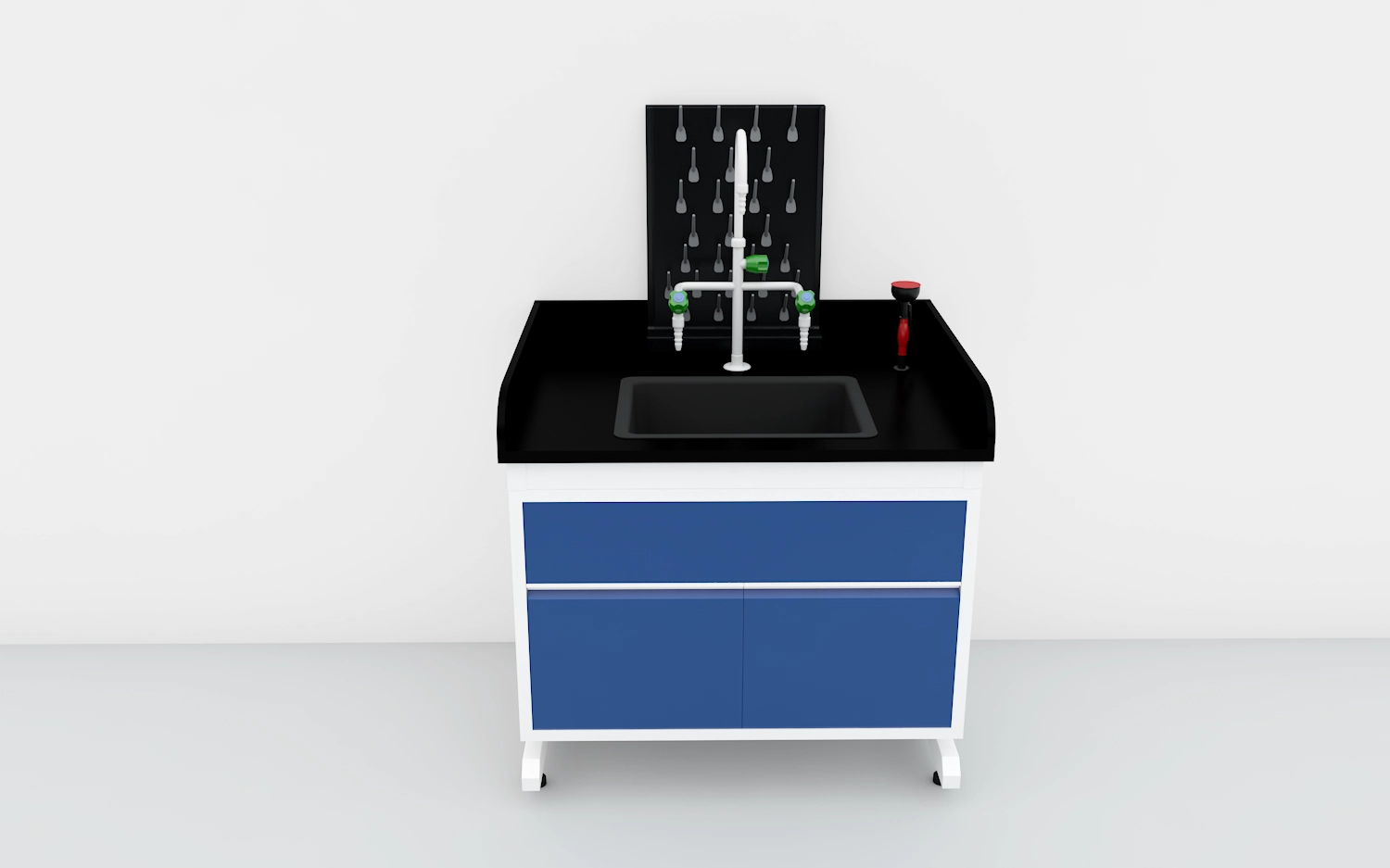
The Lab Sink Cabinet is designed for chemistry labs, teaching labs, biopharmaceutical facilities and testing departments, and can be seamlessly integrated into complete laboratory bench systems. The product offers C-type, floor-mounted and H-type structures, combined with a chemical-resistant lab sink and lab faucet to meet cleaning, rinsing, drainage and temporary storage needs.
Stainless Steel Lab Sink Cabinets: Advantages and Limitations
Advantages
Stainless steel lab cabinets are known for mechanical strength, durability and hygienic surfaces. They provide excellent resistance to physical wear and are easy to clean with standard detergents and disinfectants. Stainless steel is non-porous, which reduces bacterial harboring and suits environments that require frequent sanitation. For a technical reference on the material, learn more about stainless steel.
Limitations
While stainless steel resists many corrosive agents, it is not impervious to all chemicals—strong acids, chlorides, or prolonged exposure to certain solvents can cause pitting or crevice corrosion unless higher alloy grades (e.g., 316) are used. Stainless finishes can also scratch and show fingerprints, which may affect appearance in teaching labs. Cost is typically higher than basic epoxy cabinetry, and welding/repair requires skilled labor.
Best use cases for stainless steel cabinets
Use stainless steel Lab Sink Cabinets where mechanical durability, frequent cleaning, and hygiene are top priorities: hospitals, biopharmaceutical processing areas, and high-traffic educational lab benches. Stainless is also preferred when heavy equipment or containers are stored inside the cabinet.
Epoxy Resin Lab Sink Cabinets: Advantages and Limitations
Advantages
Epoxy resin lab cabinets (including epoxy resin sinks and worktops) are prized for broad chemical resistance—many acids, bases and organic solvents will not damage cured epoxy surfaces. Epoxy offers excellent heat resistance for short exposures and typically resists stains and chemical burns better than standard painted metal surfaces. Epoxy surfaces are seamless when molded, lowering the risk of contamination and making decontamination straightforward.
Limitations
Epoxy resin can be brittle under heavy impact and may crack or chip if overloaded or struck. Long-term exposure to strong oxidizers or certain solvents (over extended periods) can degrade epoxy. Repairing damaged epoxy surfaces can be more complex than refurbishing scratched metal. Also, epoxy cabinetry frames are often constructed from metal with epoxy coatings, so substrate quality and edge protection matter.
Best use cases for epoxy cabinets
Epoxy Lab Sink Cabinets are ideal for chemical analysis labs, general chemistry teaching labs, and environments handling a wide variety of reagents where chemical resistance of the sink and worktop is critical. They also work well where seamless benchtops and stain resistance are needed, or when cost-effective chemical resistance is a priority.
Side-by-side Comparison and Selection Guide
Direct comparison table
| Feature | Stainless Steel Lab Sink Cabinets | Epoxy Resin Lab Sink Cabinets |
|---|---|---|
| Chemical resistance | Good for many reagents; vulnerable to chlorides and strong acids without proper alloy (use 316) | Excellent for a broad range of acids, bases and solvents; some oxidizers can degrade over long term |
| Heat resistance | Excellent; resists high temperatures and thermal shock | Good for short-term exposures; prolonged high heat may discolor or damage |
| Durability / impact | High mechanical strength; resists dents and heavy loads | Moderate; can chip or crack under high impact |
| Hygiene / cleanability | Non-porous and easy to disinfect; can show scratches | Seamless options reduce crevices; easy to clean but damaged areas may be harder to repair |
| Cost | Typically higher initially, especially high-alloy grades | Competitive; depends on resin quality and cabinet construction |
| Appearance / finish | Professional, metallic look; prone to fingerprints | Varied colors and finishes; matte or gloss options |
| Lifecycle & maintenance | Long lifespan with correct alloy and maintenance; easier spot repairs | Good lifespan; repairs require resin work and may be visible |
Maintenance, cleaning and lifecycle cost
Calculate true lifecycle cost by including maintenance, expected repairs and replacement intervals. Stainless steel often costs more upfront but can last longer under heavy mechanical stress and routine cleaning. Epoxy cabinets may cost less initially and offer superior chemical resistance, but consider repair frequency if the lab uses heavy equipment. Maintenance actions for both materials include regular inspection of sink seals, faucet connections, leak detection and ensuring that drain and trap materials are compatible with chemical wastes.
Integration with lab bench systems and accessories
Both stainless steel and epoxy Lab Sink Cabinets can be integrated with modular lab benches, shelving, and service modules (gas, vacuum, water). When designing bench systems, confirm sink cutouts, faucet mount type and drainage layout. For guidance on laboratory work area design and safety planning, consult authoritative resources such as laboratory equipment guidelines and national safety regulations.
Making the Final Decision: Practical Recommendations
Decision flow based on lab function
- If your lab handles aggressive solvents and needs a seamless, chemically resistant sink surface: prioritize epoxy resin cabinetry.
- If the lab requires high mechanical strength, frequent heavy loads, high-temperature work or maximum durability: prioritize stainless steel (consider 316 grade for chloride resistance).
- For mixed-use teaching labs, weigh cost, frequency of heavy use, and the types of chemicals used. Often a hybrid approach (stainless steel cabinet body with epoxy sink or stainless sink with epoxy worktop) can deliver balanced performance.
Common hybrid approaches
Hybrid systems combine advantages: stainless steel cabinet frames for strength plus epoxy or phenolic resin sinks/worktops for chemical resistance. Another option is a stainless steel sink with epoxy resin worktop; this pairing harnesses heat and impact resistance of stainless with solvent resistance of epoxy surfaces. When designing hybrids, ensure that junctions, fasteners and seals are compatible with both materials to avoid galvanic corrosion or adhesive failures.
Safety and regulatory considerations
Always review chemical compatibility charts for specific reagents and reference institutional safety guidelines before selecting cabinetry. For regulatory and safety frameworks relevant to lab design and operations, consult resources such as occupational safety agencies and lab safety standards—these will guide waste handling, ventilation and material selection. For example, general material references are available on stainless steel and epoxy pages.
Brand Advantages and How Our Lab Sink Cabinet Meets Your Needs
Why choose our Lab Sink Cabinet
Our Lab Sink Cabinet is engineered to integrate seamlessly with modular bench systems, available in C-type, floor-mounted and H-type structures to match laboratory layouts. It pairs a chemical-resistant sink and lab faucet with robust cabinet construction that supports wet lab workflows—cleaning, rinsing, drainage and temporary storage—while meeting hygiene and maintenance expectations for teaching, pharmaceutical and testing labs.
Customization and support
We offer multiple material configurations (stainless steel bodies, epoxy resin sinks, hybrid options), customizable heights, and accessory options such as adjustable shelving, corrosion-resistant hinges, integrated waste traps, and service modules for gas and vacuum. Our technical team provides pre-sale consultations to match material selection to your chemical list, helping reduce lifecycle costs and prevent premature corrosion or damage.
Installation, warranty and after-sales
Our cabinets are supplied with installation guidelines to ensure correct leveling, sealing and integration with existing bench systems. We provide a standard warranty that covers manufacturing defects and support packages for maintenance and spare parts. For questions about installation or to request a chemical compatibility assessment for your lab, contact our technical support team.
FAQ — Frequently Asked Questions
Q: Which material is better for a general-purpose teaching lab?
A: For teaching labs, cost, durability and ease of cleaning are primary concerns. Many institutions choose epoxy Lab Sink Cabinets for chemical resistance and ease of stain removal, or stainless steel cabinets when heavy-duty use and impact resistance are expected. A hybrid approach is common.
Q: Can stainless steel handle bleach and disinfectants?
A: Stainless steel tolerates many disinfectants, but prolonged exposure to chlorine-based cleaners can cause pitting, especially on lower-grade stainless. Use recommended concentrations and rinsing protocols; consider higher alloy grades (e.g., 316) if frequent exposure to chlorides is expected.
Q: How do I repair small chips in an epoxy sink?
A: Small epoxy chips can often be repaired with resin repair kits matched to the original material. For larger damage, professional resurfacing or sink replacement may be required. Regular inspections help catch damage early.
Q: Are epoxy sinks safe for biological labs?
A: Yes—epoxy sinks are non-porous and easy to disinfect, making them suitable for many biological labs. Ensure that cleaning and sterilization protocols are compatible with the resin, and avoid prolonged exposure to strong oxidizers that could degrade the surface.
Q: What should I check before ordering a Lab Sink Cabinet?
A: Provide a chemical list, expected loads, sink size and faucet requirements, bench system dimensions, drainage layout, and any regulatory needs. This information allows material selection (stainless grade or epoxy formulation) and accessory recommendations to ensure safe, long-lasting installation.
Still not sure which option fits your facility? Contact our sales and technical team to discuss use cases, request chemical compatibility checks, or view product specifications for the Lab Sink Cabinet. To see the product or request a quote, please contact us or visit our product page: View Lab Sink Cabinet.
Authoritative references used in this guide: information on material properties and common lab equipment best practices can be found on stainless steel, epoxy, and general laboratory equipment resources.
Fume Hood Lifecycle Costs: Total Cost of Ownership Guide
Custom Lab Sink Cabinets: When to Choose Customization
Ergonomic Principles in Lab Furniture Design
Ergonomic Considerations for Lab Benches to Reduce Fatigue
For Company
Can I visit your factory or showroom?
Yes, we welcome visits to our showroom and production facility. Please contact us in advance to schedule an appointment.
For After-Sales Support
Can you help with product troubleshooting?
Yes, our customer support team is available to help with any issues or troubleshooting you may need for your laboratory equipment.
What do I do if I am not satisfied with my purchase?
We strive to ensure customer satisfaction. If you are not happy with your purchase, please contact us, and we will do our best to resolve any concerns.
For Customization
Can I request a specific material for my lab furniture?
Yes, we can customize the material for your lab benches, fume hoods, and other equipment based on your preferences and the type of work being done in your lab.
About Solution
What is the warranty policy of the product?
We provide 1-3 years warranty service, depending on the product type. Meanwhile, comprehensive after-sales support is provided, including repair and replacement services.

Floor Mounted Lab Bench
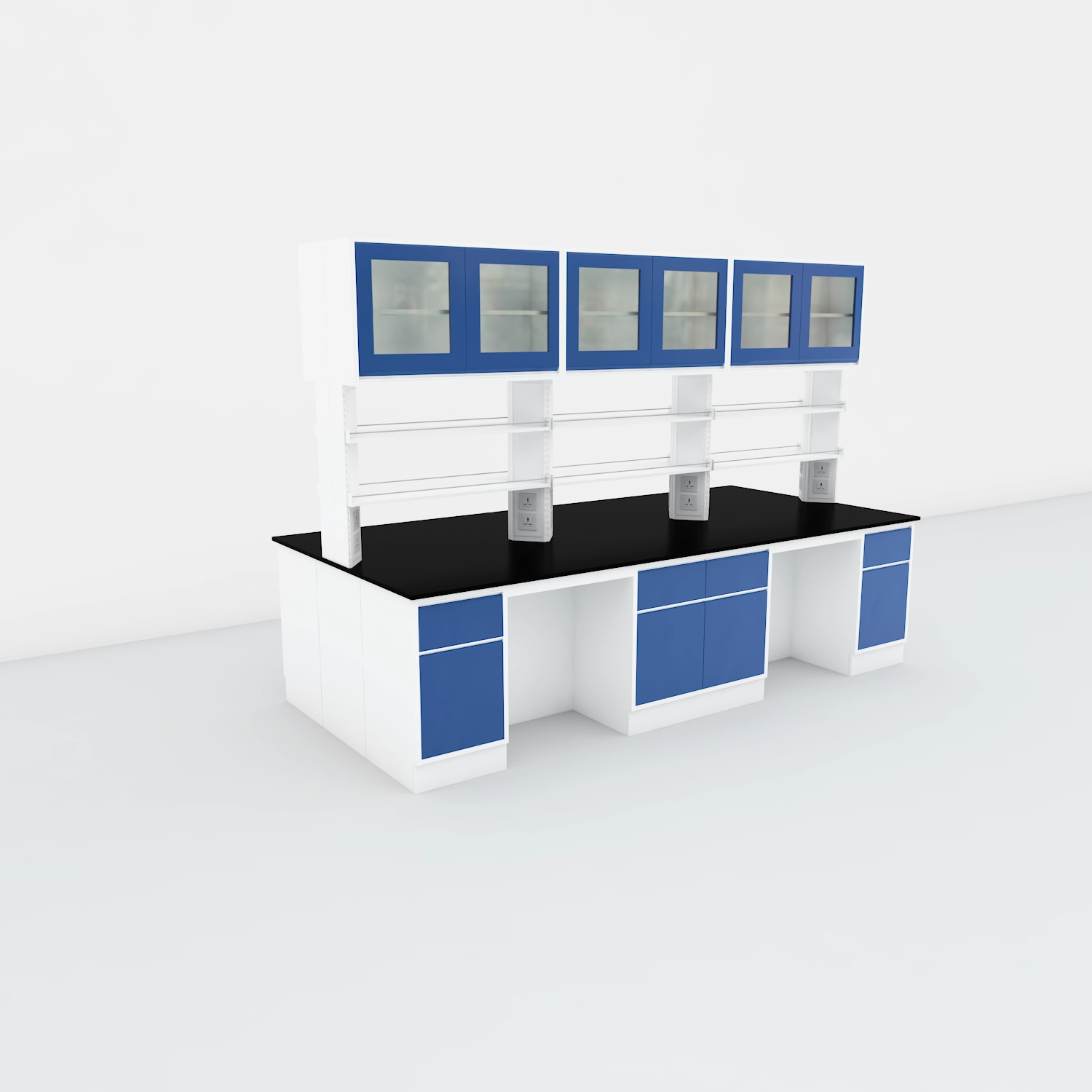
Our Floor Mounted Lab Bench is an essential, high-efficiency workspace for laboratories, made from high-quality steel-wood or corrosion-resistant stainless steel materials to ensure exceptional durability and stability. The unique floor-mounted design effectively reduces vibration, optimizes space usage, and provides a safe and tidy laboratory environment.
Customizable storage solutions help organize lab equipment efficiently, while the easy-to-clean surface maintains laboratory hygiene. It is widely suitable for research institutions, educational laboratories, and the chemical and pharmaceutical industries.
Fume Hood
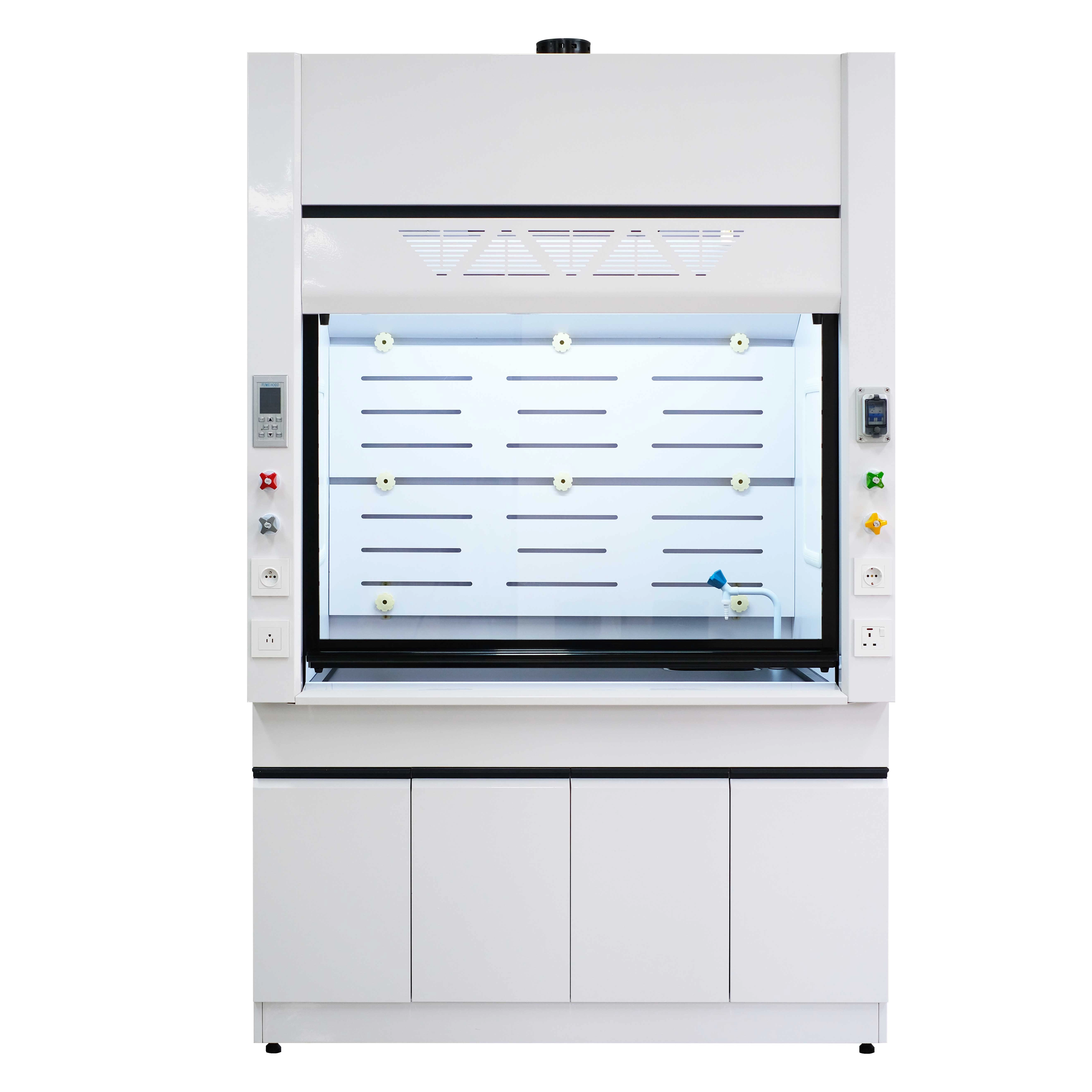
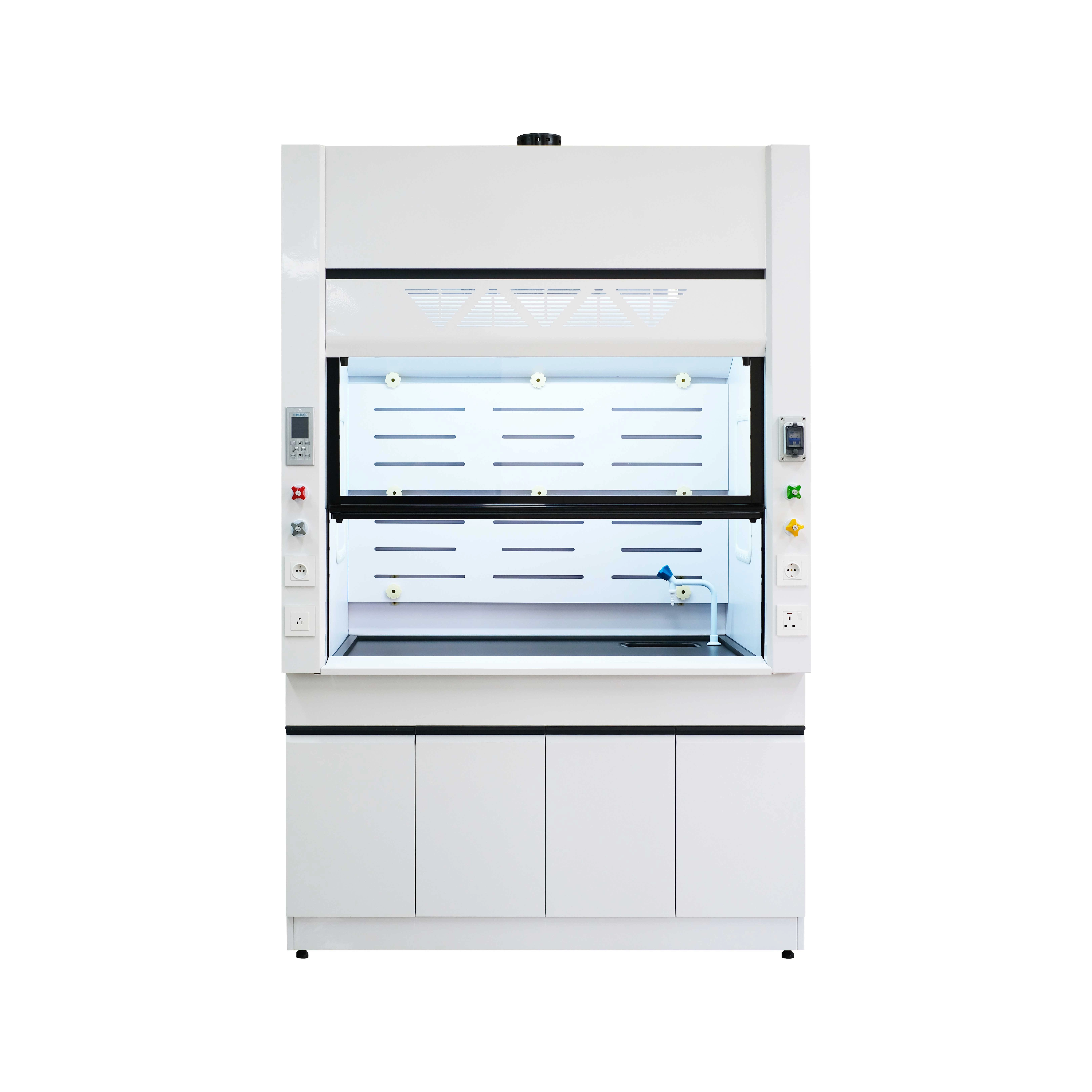
The fume hood provides safe ventilation to protect against exposure to hazardous or toxic fumes, vapors, or airborne particulate. It is primarily used in laboratory and manufacturing applications to protect the user or environment outside the hood, but can also be used to protect the materials or experiment under the hood.
APPLICATION
Chemistry Lab, physics Lab, biological analysis, pharmaceutical medicine analysis, biological pharmaceutical, plant culture, environmental testing and electronic instrumentation scientific research and so on.
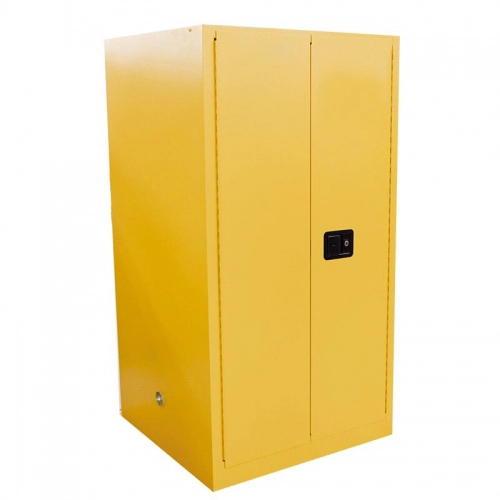
Flammable Storage Cabinet
Safety Cabinets store flammable liquids, corrosives, pesticides and other hazardous materials. All fire-resistant safety cabinets by meet fire codes and regulations for safety storage.
To help protect your people and facility from a potential fire, safety cabinets are engineered to safely contain flammable fuels, solvents, and chemicals. Safety cabinets can not only help everyone store chemicals reasonably, save chemical supplies, but also save human resources, and avoid fires caused by chemicals with the greatest strength.
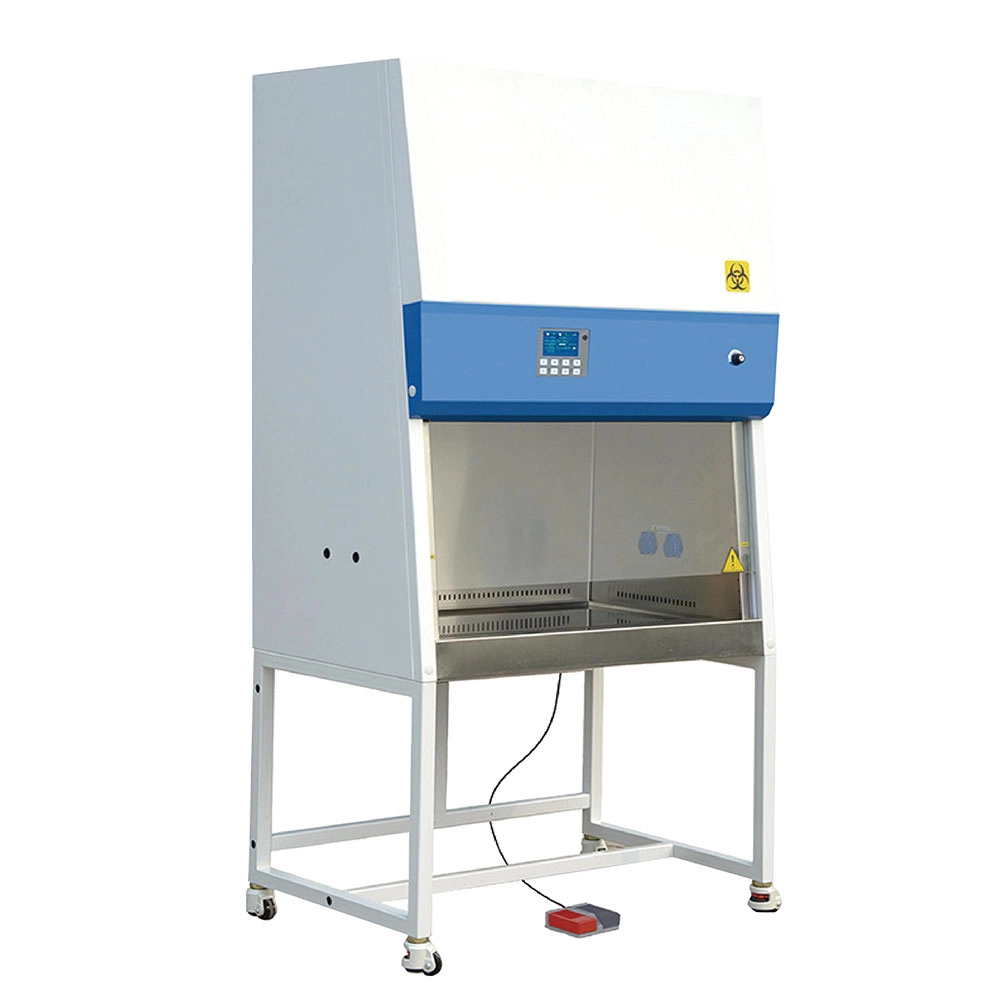
Class II Type A2 Biological Safety Cabinet for Laboratory
The Class II A2 Biological Safety Cabinet is designed to provide superior biosafety and contamination control for laboratories, research facilities, and clinical settings. With 70% air recirculation and 30% air exhaust, this cabinet ensures a safe and efficient work environment while protecting both the user and the samples.
Equipped with advanced features like a HEPA filtration system, motorized front window, and ergonomic design, this cabinet is a must-have for safe and reliable biological research.

 Scan QR Code
MaxLabFurniture
MaxLab Furniture
daihongada
Max Laboratory