
Corrosion-Resistant Coatings for Lab Sink Cabinets

- Choosing the Right Corrosion-Resistant Lab Cabinets
- Understanding the lab environment and exposure
- Substrate options: which lab cabinets perform best?
- Product fit: Lab Sink Cabinet overview
- Coating Technologies and Their Performance
- Epoxy coatings: balanced performance for many labs
- Powder coating vs. wet-applied coatings
- PVC lining and phenolic resin: lining and engineered surfaces
- Comparative Performance: Data and Selection Matrix
- Quick comparison table of common coating systems
- How test standards inform selection
- Installation, Maintenance and Lifecycle Considerations
- Proper installation to prevent corrosion undercutting
- Routine maintenance checklist
- Repair and touch-up best practices
- Selecting and Specifying Lab Sink Cabinets for Procurement
- Specification checklist for procurement teams
- Case example: Upgrading teaching lab cabinets
- Brand and supplier considerations: why supplier expertise matters
- Brand Advantages and How Our Lab Sink Cabinet Stands Out
- Integrated design for durability and workflow
- Materials selection and quality assurance
- After-sales support and warranty
- Frequently Asked Questions (FAQ)
- Q: Which coating is best for a chemistry teaching lab with frequent spills?
- Q: Are epoxy coatings resistant to solvents used in organic chemistry?
- Q: How do I prevent corrosion at cabinet seams around sinks?
- Q: What maintenance products are recommended for coated lab cabinets?
- Q: Can I request custom sizes and configurations?
- Contact and Product Links
- Authoritative References

This guide focuses on corrosion-resistant coatings for lab sink cabinets and related lab cabinets used in wet labs, teaching environments and biopharmaceutical facilities. It describes how coating type, substrate selection and installation affect chemical resistance, durability and maintenance. The recommendations are practical for laboratory managers, procurement teams and facility designers who need cabinets that withstand acids, bases, solvents and frequent cleaning cycles. Semantic keywords used throughout: lab cabinets, laboratory cabinets, chemical-resistant cabinets, corrosion-proof coating, epoxy coating, powder coating, PVC lining, phenolic resin, stainless steel, wet lab furniture, lab benches, lab sink cabinet.
Choosing the Right Corrosion-Resistant Lab Cabinets
Understanding the lab environment and exposure
Begin by mapping the expected chemical exposure: acids, alkalis, solvents, bleach, saline solutions, and frequent water contact from sinks and faucets. Wet labs and teaching labs have different risk profiles — teaching labs often see spill risks from many inexperienced users, while research labs or biopharma facilities may use concentrated acids or organic solvents. Matching a lab sink cabinet to the environment reduces unexpected corrosion and costly replacement. Consider ventilation, frequency of use, and whether the cabinet will be under a fume hood or near a wash station. These factors influence both substrate selection and the coating system.
Substrate options: which lab cabinets perform best?
Common substrates for lab cabinets include powder-coated steel, stainless steel (304 or 316 grades), and phenolic-resin-faced panels. Each has pros and cons:
- Stainless steel: excellent corrosion resistance especially 316 grade for chloride environments, hygienic and easy to clean; higher cost.
- Powder-coated steel: cost-effective and attractive; performance depends on coating thickness and formulation — susceptible to undercutting if coating is damaged.
- Phenolic resin panels: inherently chemical resistant at the surface, excellent for interior shelving and casework; may delaminate if edges are exposed to constant liquid ingress.
Product fit: Lab Sink Cabinet overview
Lab Sink Cabinet — designed for chemistry labs, teaching labs, biopharmaceutical facilities and testing departments, and can be seamlessly integrated into complete laboratory bench systems. The product offers C-type, floor-mounted and H-type structures, combined with a chemical-resistant lab sink and lab faucet to meet cleaning, rinsing, drainage and temporary storage needs.
Coating Technologies and Their Performance
Epoxy coatings: balanced performance for many labs
Epoxy coatings are widely used on metal lab cabinets due to their strong adhesion, chemical resistance to many acids and alkalis, and mechanical toughness. They form a continuous film that protects steel substrate from moisture and corrosives. Benefits: good abrasion resistance, repairability (touch-up possible), and cost-effectiveness. Limitations: some organic solvents (e.g., ketones, strong chlorinated solvents) can soften epoxy over time. Proper surface preparation and curing are critical for long-term performance.
Powder coating vs. wet-applied coatings
Powder coating (thermoset polyester/epoxy blends) provides a uniform, durable finish often used on lab cabinets and shelving. It typically gives better thickness and toughness than conventional liquid paints. Wet-applied epoxy or polyurethane coatings can be formulated for specific chemical resistance. Powder coatings are environmentally friendly (low VOC) and economically attractive for large production runs. Choose high-quality formulations tested for chemical resistance when used around sinks and sinks' splash zones.
PVC lining and phenolic resin: lining and engineered surfaces
PVC liners and phenolic resin tops or cabinet panels provide excellent localized chemical resistance. Phenolic resin is common for bench tops and internal shelving because it resists inorganic acids and many solvents, while PVC-lined steel cabinets protect internal cavities; however, joints and seams must be carefully sealed to prevent undercutting by liquids. For wet areas around lab sinks, phenolic-lined or integral resin components often outperform painted metal surfaces.
Comparative Performance: Data and Selection Matrix
Quick comparison table of common coating systems
Use this table to compare typical properties of coatings and substrates for lab cabinets.
| System | Chemical Resistance | Durability/Impact Resistance | Maintenance | Typical Cost |
|---|---|---|---|---|
| 316 Stainless Steel (uncoated) | Excellent vs. acids, chloride environments | High | Easy clean, resists staining | High |
| Powder-coated steel | Good (dependent on formulation); vulnerable at damaged edges | High | Touch-up possible; avoid abrasive cleaners | Medium |
| Epoxy paint on steel | Good for acids/bases; limited vs. some solvents | Medium-High | Repairable; periodic checking for blistering | Medium |
| PVC lining / Phenolic resin | Excellent for many chemicals; dependent on temperature | Medium | Keep edges sealed; replace if delaminated | Medium |
How test standards inform selection
When comparing coatings, look for lab test data such as chemical spot tests, immersion tests, and ASTM standards for corrosion and chemical resistance. Authoritative resources like Wikipedia on Corrosion and ASTM publications provide baseline definitions and test methods. For safety and regulatory context, consult lab safety guidance from agencies such as OSHA and operational guidance from the CDC.
Installation, Maintenance and Lifecycle Considerations
Proper installation to prevent corrosion undercutting
Correct installation reduces failure points: ensure cabinet seams are sealed, sinks are clamped and caulked correctly, and faucets have appropriate backflow prevention. Edge banding and seam sealing prevent chemical ingress that causes delamination or undercutting. For floor-mounted and H-type lab cabinets, allow adequate clearance for cleaning and inspect areas under sinks frequently for leaks. A well-installed cabinet integrated into lab benches minimizes moisture traps and extends service life.
Routine maintenance checklist
- Daily: wipe up spills immediately, especially acids and solvents.
- Weekly: inspect cabinet interiors, doors and sealants for stains, blisters or delamination.
- Monthly: check fasteners, hinges and faucet seals; touch up small coating damages promptly.
- Annually: perform a detailed inspection and reapply sealants around sinks and seams if necessary.
Repair and touch-up best practices
Minor coating damage can be repaired on-site using compatible touch-up paints or epoxy fillers. For severe corrosion or delamination, replace affected panels or consider upgrading to a more resistant substrate such as stainless steel or phenolic-faced units. Always follow manufacturer instructions for surface preparation before applying touch-up products.
Selecting and Specifying Lab Sink Cabinets for Procurement
Specification checklist for procurement teams
Include the following items in specifications to ensure durability and compliance:
- Coating type and minimum film thickness (e.g., powder coat 60-80 microns; epoxy 100 microns cured).
- Substrate material and grade (e.g., 316 stainless for chloride exposure).
- Seam and edge sealing requirements (e.g., continuous caulk or welded seams with phenolic edge banding).
- Acceptance tests: spot chemical resistance tests, adhesion tests per ASTM standards.
- Warranty terms and expected service life under stated conditions.
Case example: Upgrading teaching lab cabinets
For a university teaching lab with frequent spills and mixed chemicals, a cost-effective approach is powder-coated steel with a phenolic interior shelf and sealed sink cutouts. This combination balances cost and resistance. For specialized chemical labs handling chlorinated solvents or high-salt environments, upgrade to 316 stainless sink cabinets to avoid pitting and long-term corrosion.
Brand and supplier considerations: why supplier expertise matters
Choose suppliers with lab-specific experience and test data. A supplier who understands wet lab workflows, offers custom C-type, H-type and floor-mounted Lab Sink Cabinet configurations and can provide chemical resistance data is more valuable than a general furniture vendor. Consider local support for installation, maintenance training and spare parts availability.
Brand Advantages and How Our Lab Sink Cabinet Stands Out
Integrated design for durability and workflow
Our Lab Sink Cabinet is engineered to integrate seamlessly into complete laboratory bench systems. The available C-type, floor-mounted and H-type structures allow flexible layouts. Chemical-resistant sinks and faucets are matched to the cabinet finishes so that splash zones have appropriate protection, and drainage routes reduce liquid pooling inside cabinets.
Materials selection and quality assurance
We offer multiple finish options—high-performance epoxy and powder coatings, phenolic interior surfaces, and stainless-steel upgrades—backed by lab spot-test data and installation guidance. Each unit is inspected before shipping and comes with documentation for chemical resistance where available.
After-sales support and warranty
We provide guidance for maintenance, recommended cleaners and touch-up materials. Our warranty covers coating delamination and manufacturing defects under normal lab conditions, and we offer replacement parts and onsite assistance where required.
Frequently Asked Questions (FAQ)
Q: Which coating is best for a chemistry teaching lab with frequent spills?
A: For teaching labs, powder-coated steel with phenolic shelves and properly sealed sink cutouts provides a good balance of cost and chemical resistance. Ensure quick spill cleanup protocols and regular inspections.
Q: Are epoxy coatings resistant to solvents used in organic chemistry?
A: Epoxy coatings resist many inorganic acids and bases, but some organic solvents (e.g., acetone, MEK) can degrade epoxy over time. For heavy solvent use, consider stainless steel or specialized phenolic surfaces, and validate with spot tests.
Q: How do I prevent corrosion at cabinet seams around sinks?
A: Use continuous seam welding where possible, or apply proper laboratory-grade sealants and edge banding. Ensure sink flanges are clamped and caulked with a compatible chemical-resistant sealant. Inspect seals periodically.
Q: What maintenance products are recommended for coated lab cabinets?
A: Use mild, non-abrasive cleaners and neutral pH detergents. Avoid strong solvents and abrasive pads. For disinfecting, check compatibility—bleach diluted properly is often acceptable, but always test in an inconspicuous area.
Q: Can I request custom sizes and configurations?
A: Yes. Our Lab Sink Cabinet is available in C-type, floor-mounted and H-type structures and can be customized to fit laboratory bench systems, utility runs and sink configurations. Contact our technical team to discuss layout and materials.
Contact and Product Links
Coating performance often depends on the base material, which is why comparing stainless steel vs epoxy lab sink cabinets and their pros and cons is useful.To learn more or request a quote, contact our sales team or view the Lab Sink Cabinet product page. For technical questions about coatings, installation or maintenance, our specialists can provide test data and lifecycle cost comparisons.
Authoritative References
- Corrosion — Wikipedia
- OSHA Laboratory Safety Guidance
- CDC Laboratory Safety
- ASTM International (standards for coatings and corrosion testing)
Note: For specific ASTM test methods and standards related to coatings and corrosion testing, consult the ASTM catalog and reference the exact test numbers when specifying materials.
Choosing Materials for Durable Lab Furniture
Top Lab Furniture Design Trends for Modern Laboratories
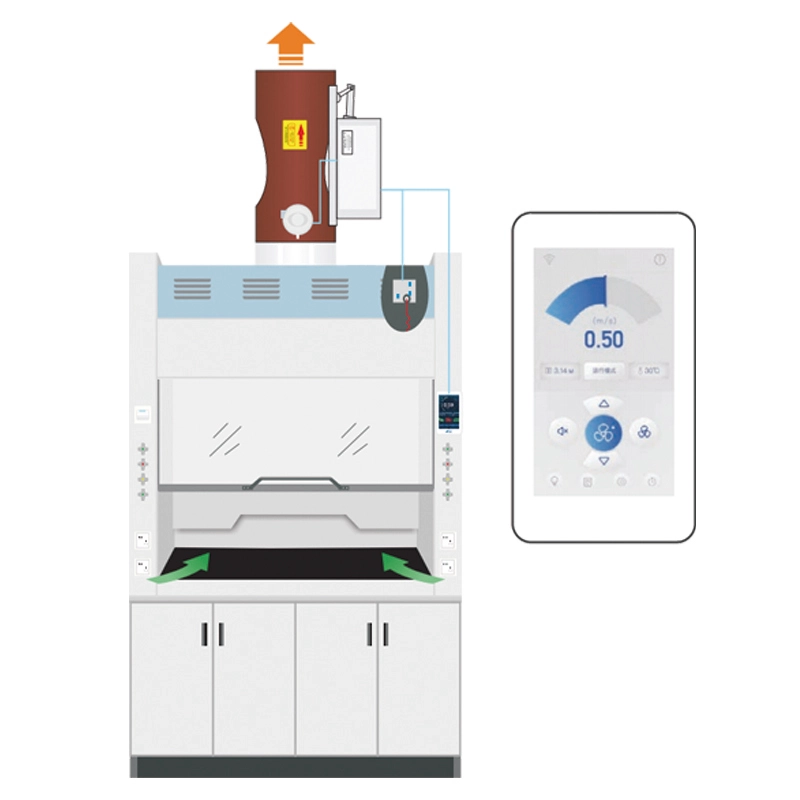
Request for Proposal Tips for Variable Air Volume Fume Hoods
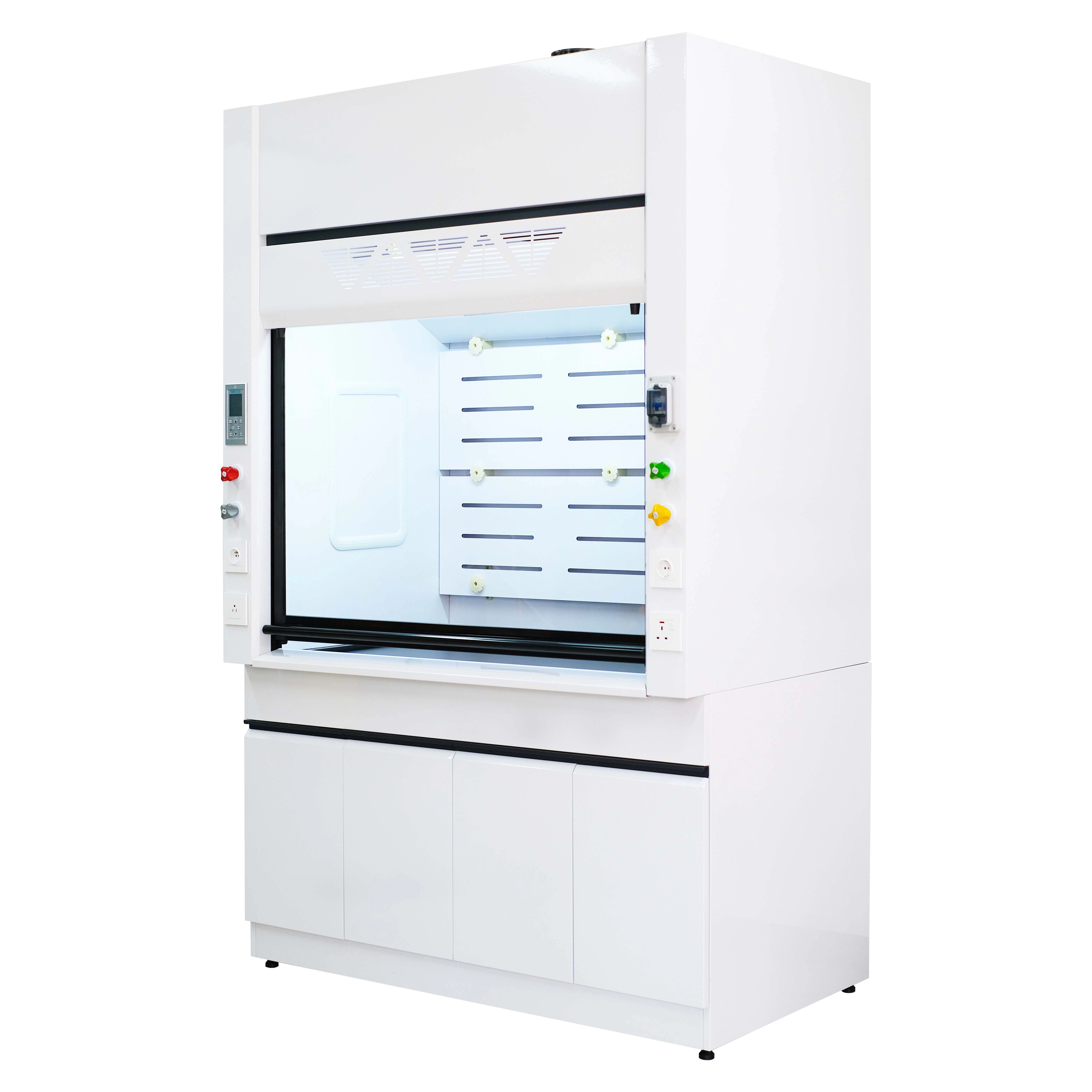
Custom Fume Hood Configurations for Specialized Laboratory Needs
For After-Sales Support
What happens if my product is damaged during delivery?
If your product is damaged during shipping, please contact our customer service team immediately. We will arrange for a replacement or repair at no additional cost.
For Products
Are your products customizable?
Absolutely! We offer customized solutions for laboratory benches, lab tables, and furniture systems to meet the specific requirements of your workspace.
What products does MAX LAB offer?
We specialize in laboratory furniture and equipment, including lab benches, fume hoods, storage cabinets, lab accessories, and custom lab solutions.
Customization
What is the after-sales support for customized services?
We provide a full range of after-sales service, including equipment installation guidance, regular maintenance, troubleshooting, operation training, etc., to ensure the safe and efficient operation of equipment.
For Company
How long has your company been in business?
Our company has been in the laboratory furniture and equipment business for over 15 years, during which we have gained extensive experience and built a solid reputation in the industry. We specialize in serving a variety of industries, including academic research labs, pharmaceutical labs, healthcare, manufacturing, and more.

Floor Mounted Lab Bench
Our Floor Mounted Lab Bench is an essential, high-efficiency workspace for laboratories, made from high-quality steel-wood or corrosion-resistant stainless steel materials to ensure exceptional durability and stability. The unique floor-mounted design effectively reduces vibration, optimizes space usage, and provides a safe and tidy laboratory environment.
Customizable storage solutions help organize lab equipment efficiently, while the easy-to-clean surface maintains laboratory hygiene. It is widely suitable for research institutions, educational laboratories, and the chemical and pharmaceutical industries.
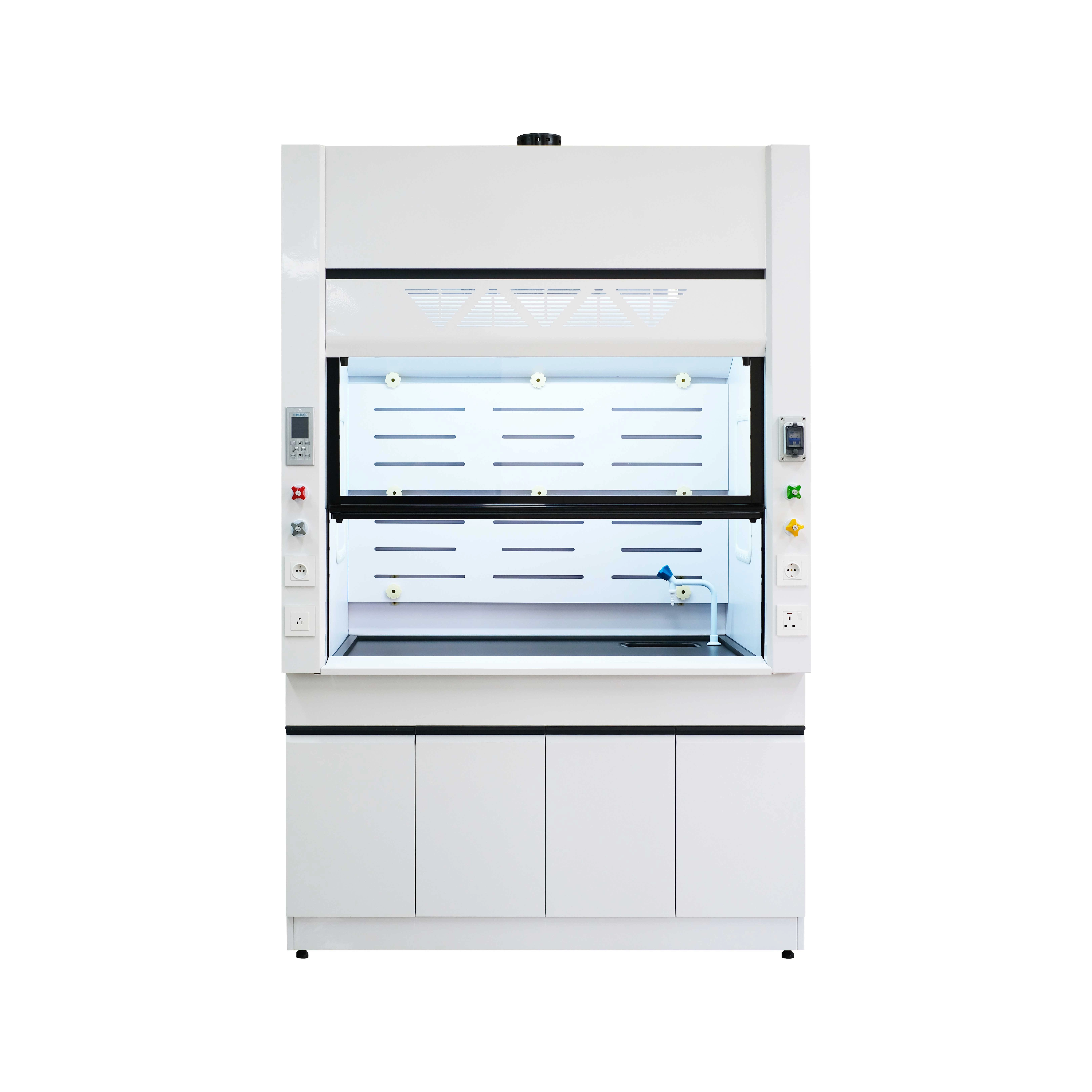
Fume Hood
The fume hood provides safe ventilation to protect against exposure to hazardous or toxic fumes, vapors, or airborne particulate. It is primarily used in laboratory and manufacturing applications to protect the user or environment outside the hood, but can also be used to protect the materials or experiment under the hood.
APPLICATION
Chemistry Lab, physics Lab, biological analysis, pharmaceutical medicine analysis, biological pharmaceutical, plant culture, environmental testing and electronic instrumentation scientific research and so on.
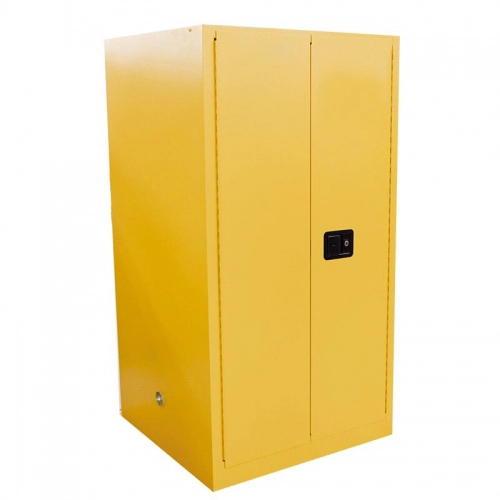
Flammable Storage Cabinet
Safety Cabinets store flammable liquids, corrosives, pesticides and other hazardous materials. All fire-resistant safety cabinets by meet fire codes and regulations for safety storage.
To help protect your people and facility from a potential fire, safety cabinets are engineered to safely contain flammable fuels, solvents, and chemicals. Safety cabinets can not only help everyone store chemicals reasonably, save chemical supplies, but also save human resources, and avoid fires caused by chemicals with the greatest strength.
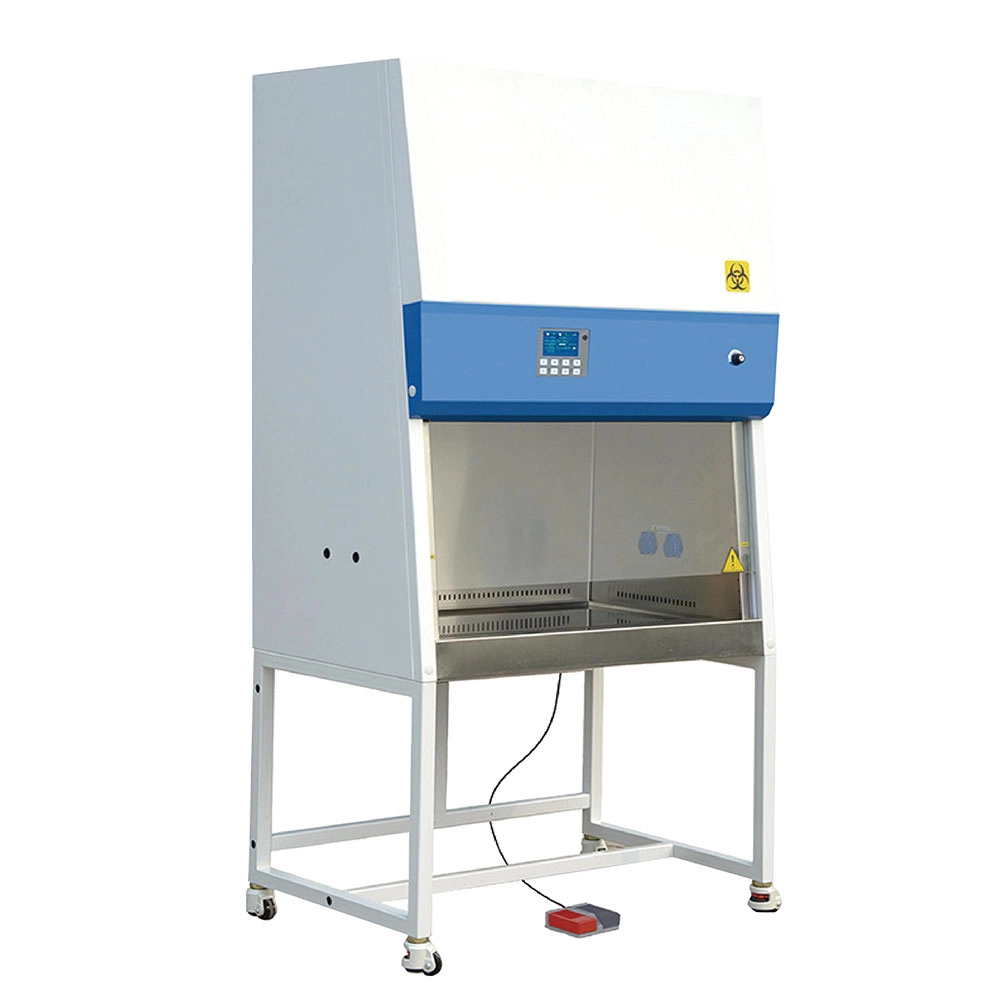
Class II Type A2 Biological Safety Cabinet for Laboratory
The Class II A2 Biological Safety Cabinet is designed to provide superior biosafety and contamination control for laboratories, research facilities, and clinical settings. With 70% air recirculation and 30% air exhaust, this cabinet ensures a safe and efficient work environment while protecting both the user and the samples.
Equipped with advanced features like a HEPA filtration system, motorized front window, and ergonomic design, this cabinet is a must-have for safe and reliable biological research.

 Scan QR Code
MaxLabFurniture
MaxLab Furniture
daihongada
Max Laboratory