
Comparing Variable Air Volume Fume Hood Models: What to Ask

- Understanding Core Performance: Airflow, Containment, and Control
- What actual airflow range and face velocity does the model support?
- How does the hood maintain containment during pressure transients?
- What control strategy is used—VAV modulation, bypass, or Venturi-based?
- Energy & Operational Costs: Long-Term Savings vs. Upfront Price
- How much energy can a VAV fume hood save compared to a constant air volume (CAV) hood?
- What are the total cost of ownership and maintenance requirements?
- Is there validated data comparing operating costs across models?
- Controls, Sensors, and Integration: What to Verify
- Which sensors and feedback loops are used for face velocity control?
- How does the system integrate with building automation systems (BMS)?
- Are there programmable control modes for different laboratory scenarios?
- Compliance, Testing, and Installation Considerations
- Which standards and certifications does the model comply with?
- What are the ducting and HVAC capacity requirements for installation?
- What testing and commissioning will be performed on site?
- Feature-by-Feature Comparison: Example Table
- Practical Questions to Ask a Vendor Before Purchase
- Can you provide third-party containment test results and an on-site commissioning plan?
- What are failure modes and safety interlocks?
- Do you offer training, spare parts, and extended service agreements?
- FAQ — Frequently Asked Questions
- Q: How do VAV fume hoods compare to CAV in terms of safety?
- Q: Are Venturi valve systems better than modulating dampers?
- Q: What should I look for in performance data from vendors?
- Q: How often must velocity sensors be calibrated?
- Q: Can VAV hoods be retrofitted into existing HVAC systems?
- Final Recommendations & Next Steps

Optimize laboratory ventilation decisions by focusing on the core performance, control accuracy, and compliance factors that differentiate variable air volume fume hood models. This guide outlines the practical questions to ask manufacturers and specifiers to match your safety, energy and operational goals—highlighting automatic air pressure control solutions such as the MAX LAB Venturi Valve Air Velocity Control System for consistent, energy-efficient airflow management.
Understanding Core Performance: Airflow, Containment, and Control
What actual airflow range and face velocity does the model support?
Ask manufacturers for the certified operating range (sash open, sash partially open, sash closed). A variable air volume fume hood must maintain safe face velocity across the expected sash positions and capture velocities for the tasks performed. Typical acceptable face velocities fall between 80–120 fpm (0.4–0.6 m/s) but verify against your lab’s procedures and risk assessment. Request measured performance data, not just design targets.
How does the hood maintain containment during pressure transients?
Containment is tested under dynamic conditions. Request results of containment tests using standards such as ASHRAE Standard 110 (for tracer gas containment) and any site-specific tests. ASHRAE’s guidance on fume hood testing is an authoritative reference: ASHRAE standards. For many labs, a VAV hood must rapidly compensate for upstream duct static pressure changes to avoid loss of containment—this is where fast-response control valves (e.g., Venturi valve systems) show clear advantages.
What control strategy is used—VAV modulation, bypass, or Venturi-based?
Not all VAV fume hoods are controlled the same way. Traditional VAV systems may use a modulating damper, bypass ducts, or proportional control valves. The MAX LAB Venturi Valve Air Velocity Control System is designed to automatically adjust to changes in duct static pressure, maintaining stable air velocity with fast response and low maintenance—advantages in facilities requiring precise contaminant control. Ask for control diagrams and response-time data to understand how quickly the system returns to target face velocity after disturbances.
Energy & Operational Costs: Long-Term Savings vs. Upfront Price
How much energy can a VAV fume hood save compared to a constant air volume (CAV) hood?
Variable air volume fume hoods can deliver significant energy savings because exhaust volume follows actual sash positions and usage patterns. Savings depend on lab occupancy, sash management policy, and HVAC design. Manufacturers should provide modeled energy savings for your site or reference case studies. For methodology, consider ASHRAE guidance and life-cycle cost analysis best practices available through authoritative resources like the U.S. Occupational Safety and Health Administration (OSHA): OSHA laboratory safety guidance.
What are the total cost of ownership and maintenance requirements?
Evaluate maintenance costs for sensors, actuators, control valves, and any proprietary components. Venturi valve systems often have fewer moving parts in the duct than mechanical linkages or dampers and may offer lower maintenance and longer calibration intervals. Request expected maintenance intervals, mean time between failures (MTBF), onsite service procedures, and spare-parts lists.
Is there validated data comparing operating costs across models?
Ask suppliers for life-cycle costs or comparative tables showing energy consumption (kWh/year), exhaust air volume (CFM or m3/h) under typical use patterns, and projected payback period. If possible, obtain third-party measurement reports or independent lab audits. Use ISO and national standards to ensure consistent methods for measurement; ISO 14644 (cleanrooms) and test norms can be relevant for controlled environments: ISO 14644.
Controls, Sensors, and Integration: What to Verify
Which sensors and feedback loops are used for face velocity control?
Reliable control requires robust sensors (face-velocity sensors, differential pressure sensors, sash position encoders). Ask for sensor specifications (accuracy, calibration interval, placement) and how sensor failure is detected and handled. Models that combine multiple feedback signals and perform sensor diagnostics generally offer better safety and uptime.
How does the system integrate with building automation systems (BMS)?
Modern labs need seamless integration. Verify BACnet, Modbus, or other supported protocols, recommended data points (e.g., face velocity, sash position, exhaust flow, alarm states), and available APIs. Integration allows centralized monitoring, demand-based ventilation coordination, and easier validation records.
Are there programmable control modes for different laboratory scenarios?
Ask whether the hood supports modes such as eco-mode, high-flow capture mode, night setback, or scheduled test modes. Also confirm user access levels, alarm thresholds, and event logging. The MAX LAB Venturi Valve Air Velocity Control System typically provides fast-response air velocity control that can work with advanced BMS logic to optimize HVAC efficiency and safety.
Compliance, Testing, and Installation Considerations
Which standards and certifications does the model comply with?
Confirm compliance with applicable standards: ASHRAE Standard 110 for containment, local building codes, and any industry-specific regulations. For biomedical or pharmaceutical environments, check GMP or biosafety guidance. Authoritative references like the Centers for Disease Control and Prevention (CDC) and WHO provide laboratory biosafety guidance that may influence hood selection: CDC laboratory safety and WHO biosafety guidance.
What are the ducting and HVAC capacity requirements for installation?
Understand required exhaust fan capacity, static pressure range, make-up air arrangements, and recommended duct runs. VAV systems are more sensitive to duct static pressure changes; therefore, discuss whether the building’s existing HVAC can supply stable conditions or whether additional controls (e.g., bypass or recirculation strategies, or Venturi valve systems to stabilize velocity) are needed to achieve performance targets.
What testing and commissioning will be performed on site?
Require a commissioning plan that includes airflow balancing, containment verification (ASHRAE 110), sensor calibration, and functional testing of alarms and BMS interfaces. A good supplier will include on-site training and a final Acceptance Test Report. For reproducible containment testing methods and performance reporting, ASHRAE resources and peer-reviewed lab ventilation papers are good references for standardized methods: Fume hood overview (Wikipedia).
Feature-by-Feature Comparison: Example Table
The following table illustrates how to capture comparable data across models when evaluating variable air volume fume hoods. Replace example values with manufacturer-provided measurements.
| Feature | Model A (Standard VAV) | Model B (VAV + Advanced Controls) | Model C (VAV + Venturi Valve) |
|---|---|---|---|
| Face Velocity Range (fpm) | 80–120 | 70–130 | 75–125 |
| Response Time to Disturbance | 3–6 s | 2–4 s | 1–2 s |
| Energy Savings vs. CAV | 20–35% | 25–45% | 30–50% |
| Maintenance Needs | Quarterly sensor checks | Quarterly + annual calibration | Biannual checks; low moving parts |
| Integration | BACnet optional | BACnet/Modbus; advanced logging | BACnet/Modbus; recommended for Venturi control |
| Typical Applications | General chemistry labs | High-turnover teaching & research labs | High-safety labs, cleanrooms, healthcare facilities |
Practical Questions to Ask a Vendor Before Purchase
Can you provide third-party containment test results and an on-site commissioning plan?
Insist on independent or manufacturer-performed tests with documented protocols and pass/fail criteria. A thorough commissioning plan ensures that the installed hood performs as promised in your facility’s specific HVAC conditions.
What are failure modes and safety interlocks?
Ask how the hood behaves if sensors fail, if exhaust fan capacity drops, or if building pressure changes unexpectedly. Confirm audible/visual alarms, automatic safing modes, and BMS notifications. Safety interlocks should default to conservative modes (e.g., increased exhaust or sash lockdown) when faults are detected.
Do you offer training, spare parts, and extended service agreements?
Operational reliability depends on training for lab staff and preventive maintenance agreements. Ask about local service networks, remote diagnostics, and turnaround times for critical components.
FAQ — Frequently Asked Questions
Q: How do VAV fume hoods compare to CAV in terms of safety?
A: When properly specified, installed, and commissioned, VAV fume hoods provide equivalent containment to CAV hoods while offering energy savings. The key is control performance—fast, accurate face velocity regulation and robust fail-safe behavior. Verify containment testing (e.g., ASHRAE 110) under expected operational disturbances.
Q: Are Venturi valve systems better than modulating dampers?
A: Venturi valve systems like the MAX LAB Venturi Valve Air Velocity Control System offer rapid response to static pressure changes and can maintain stable air velocity with fewer moving parts in some configurations. They often show advantages in energy efficiency and lower maintenance, particularly in facilities with variable upstream conditions.
Q: What should I look for in performance data from vendors?
A: Request measured face velocity ranges, response times to disturbances, containment test reports, energy projections for your site, sensor specifications, and commissioning protocols. Prefer vendors who supply third-party test reports or documented case studies.
Q: How often must velocity sensors be calibrated?
A: Calibration frequency depends on sensor type and operational criticality. Many facilities perform sensor checks quarterly and full calibrations annually, but models with self-diagnostics or redundant sensing may extend intervals. Get vendor recommendations and include calibration tasks in your preventive maintenance schedule.
Q: Can VAV hoods be retrofitted into existing HVAC systems?
A: Yes—many VAV hoods are designed for retrofit, but successful outcomes depend on the building’s exhaust fan capacity, make-up air strategy, duct static pressure ranges, and control integration. A site assessment and possibly addition of Venturi valves or control upgrades may be needed to stabilize performance.
Final Recommendations & Next Steps
When comparing variable air volume fume hood models, prioritize measured containment performance, control response time, sensor robustness, integration capability with your BMS, and total cost of ownership. For high-performance labs or facilities with variable duct conditions, consider designs incorporating the MAX LAB Venturi Valve Air Velocity Control System to ensure fast, energy-efficient, and low-maintenance air velocity control. Consult ASHRAE standards and local codes during specification and require complete commissioning and training as part of procurement.
Contact our sales team to discuss site-specific requirements, request on-site testing or a demo, and receive a customized performance and life-cycle cost comparison for Variable Air Volume Fume Hood models. View the product page and tech datasheet for the Variable Air Volume Fume Hood and MAX LAB Venturi Valve Air Velocity Control System to learn more.
Product Overview:
Optimize airflow regulation and ensure precise laboratory ventilation with MAX LAB Venturi Valve Air Velocity Control System. Designed for high-performance air pressure control, this system automatically adjusts to changes in duct static pressure, maintaining stable and energy-efficient air velocity management. Ideal for laboratories, cleanrooms, and healthcare facilities, it provides fast response times, low maintenance, and superior contaminant control. Our Venturi valve system enhances HVAC efficiency, improves air quality, and ensures compliance with critical environment safety standards.
For detailed specifications, commissioning support, and quotes, contact us or view the Variable Air Volume Fume Hood product page.
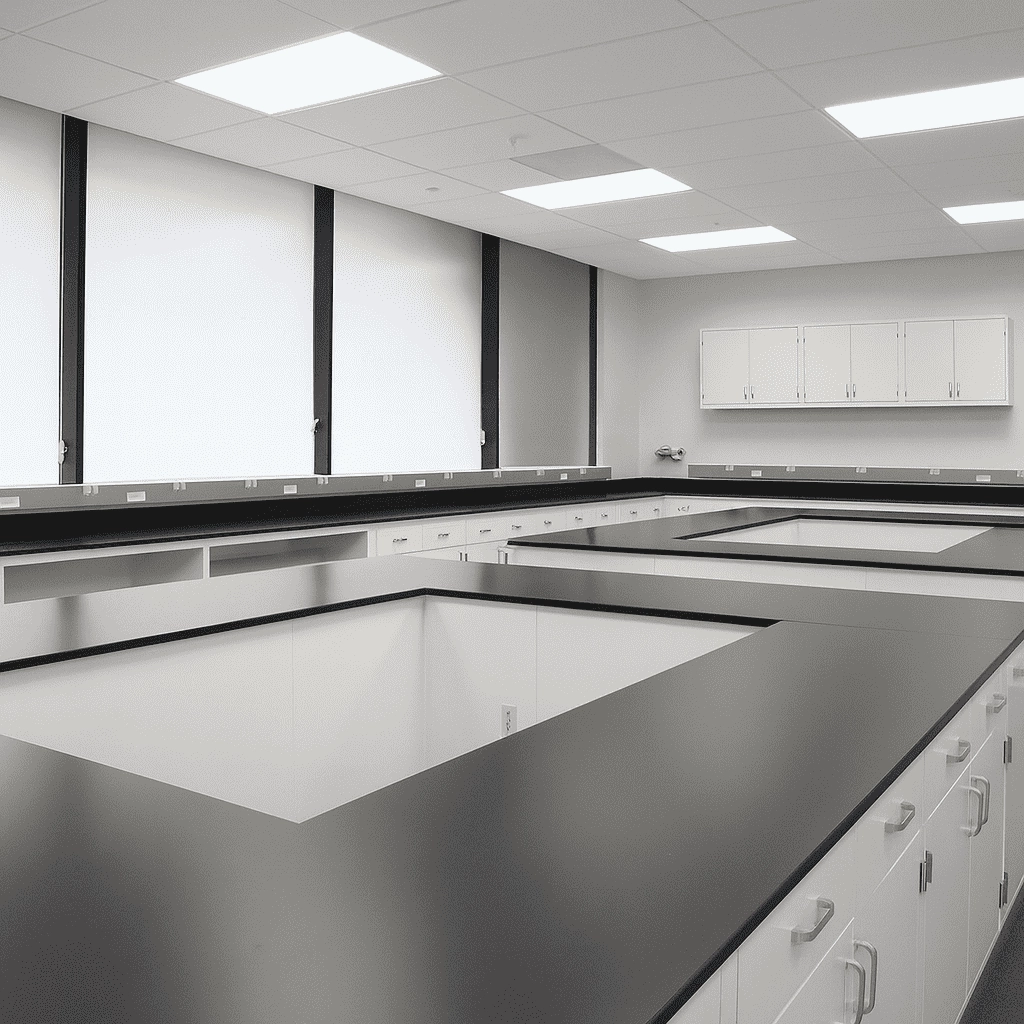
Lifecycle Cost Analysis for Lab Countertops in Institutional Labs
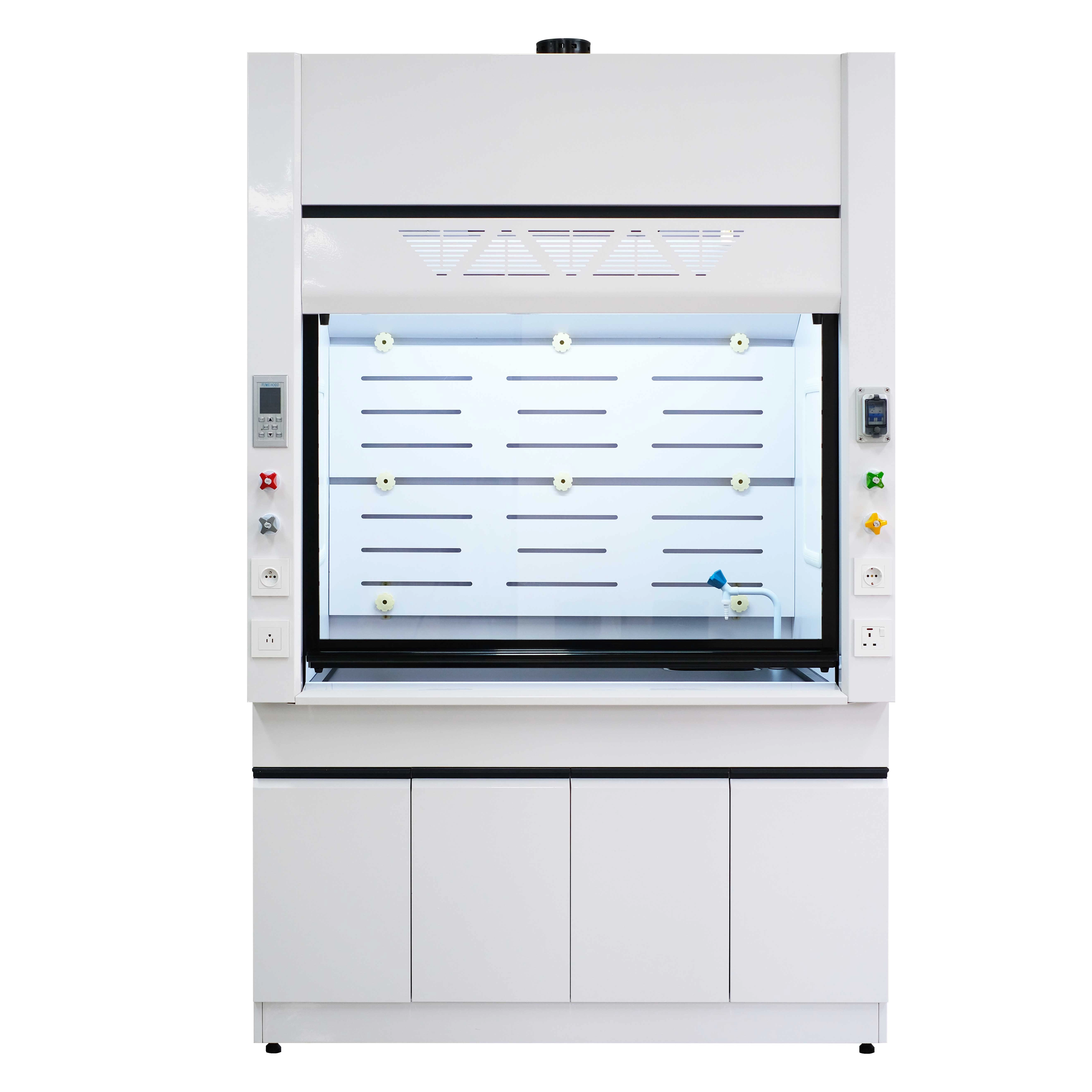
Fume Hood Lifecycle Costs: Total Cost of Ownership Guide
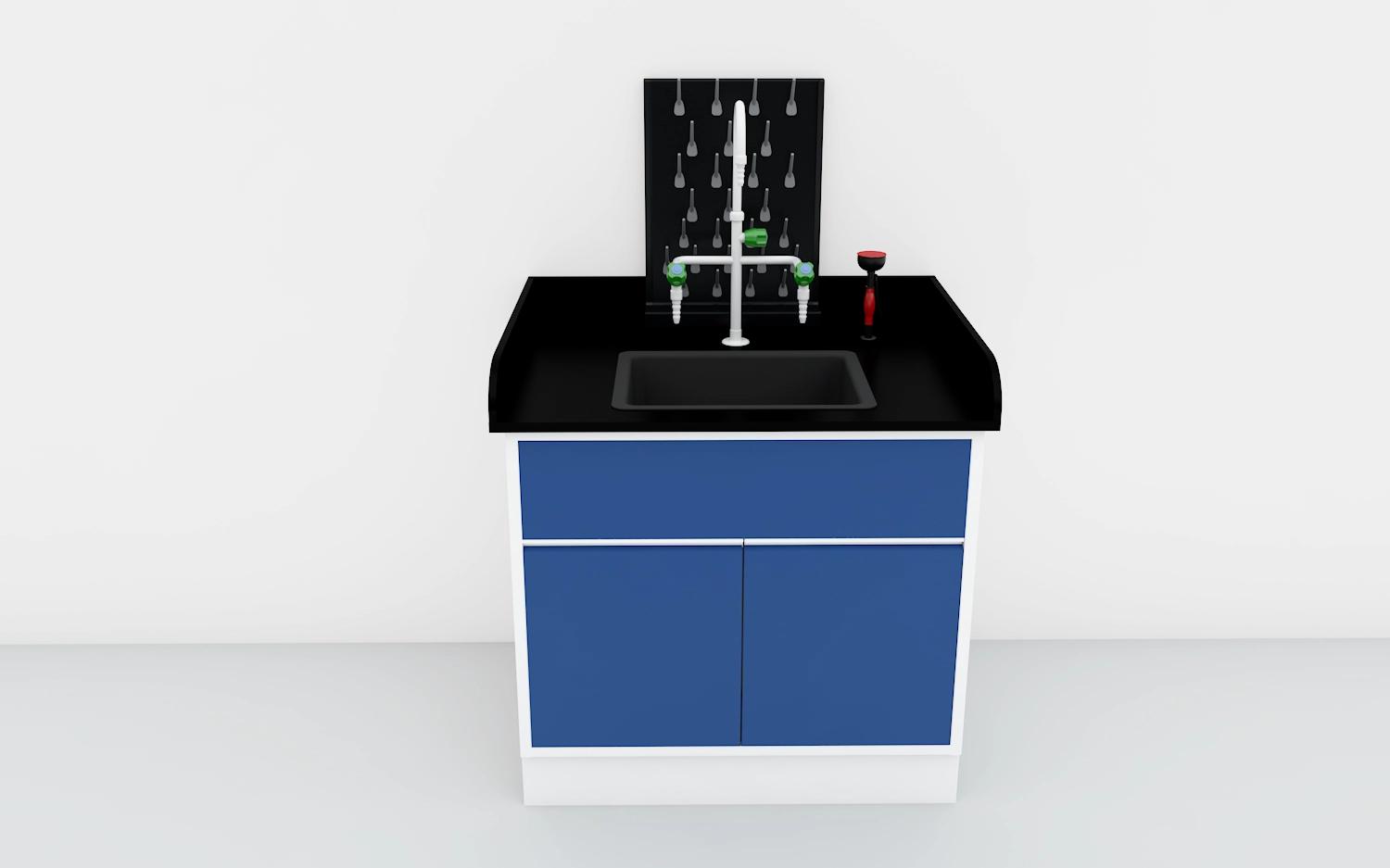
Safety Features to Look for in Lab Sink Cabinets
Custom vs Standard Lab Furniture: Pros and Cons
For After-Sales Support
Why choose your company?
We have been engaged in the manufacturing of various packing machines professionally over 15 years, and we can provide better after-sales service.
Can you help with product troubleshooting?
Yes, our customer support team is available to help with any issues or troubleshooting you may need for your laboratory equipment.
Customization
Are customized services suitable for small laboratories?
Yes, our customized services are suitable for all types of laboratories, including small ones. We are able to provide customized solutions according to the actual needs of the laboratory.
For Logistics
How do you ensure the safety of items during shipping?
We have 15 years of experience in loading, fragile goods are packed in plywood boxes to ensure that they will not be damaged during transportation.
For Company
Do you offer services internationally?
Yes, we serve clients around the world, including Europe, North America, and Asia. Our international experience enables us to provide solutions that meet local regulations and standards.
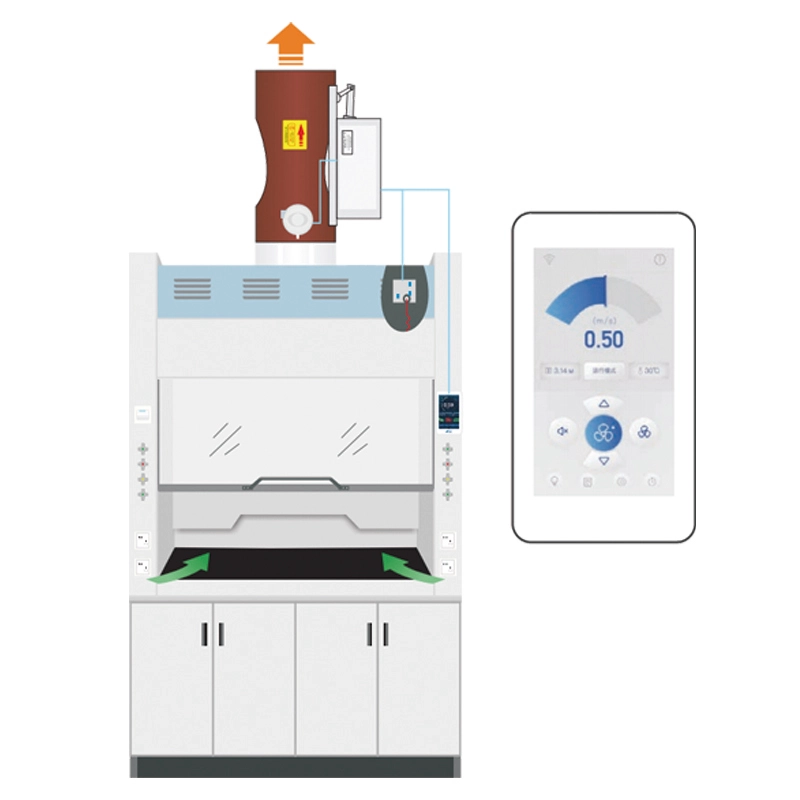
Variable Air Volume Fume Hood
Optimize airflow regulation and ensure precise laboratory ventilation with MAX LAB Venturi Valve Air Velocity Control System. Designed for high-performance air pressure control, this system automatically adjusts to changes in duct static pressure, maintaining stable and energy-efficient air velocity management. Ideal for laboratories, cleanrooms, and healthcare facilities, it provides fast response times, low maintenance, and superior contaminant control. Our Venturi valve system enhances HVAC efficiency, improves air quality, and ensures compliance with critical environment safety standards.

Floor Mounted Lab Bench
Our Floor Mounted Lab Bench is an essential, high-efficiency workspace for laboratories, made from high-quality steel-wood or corrosion-resistant stainless steel materials to ensure exceptional durability and stability. The unique floor-mounted design effectively reduces vibration, optimizes space usage, and provides a safe and tidy laboratory environment.
Customizable storage solutions help organize lab equipment efficiently, while the easy-to-clean surface maintains laboratory hygiene. It is widely suitable for research institutions, educational laboratories, and the chemical and pharmaceutical industries.
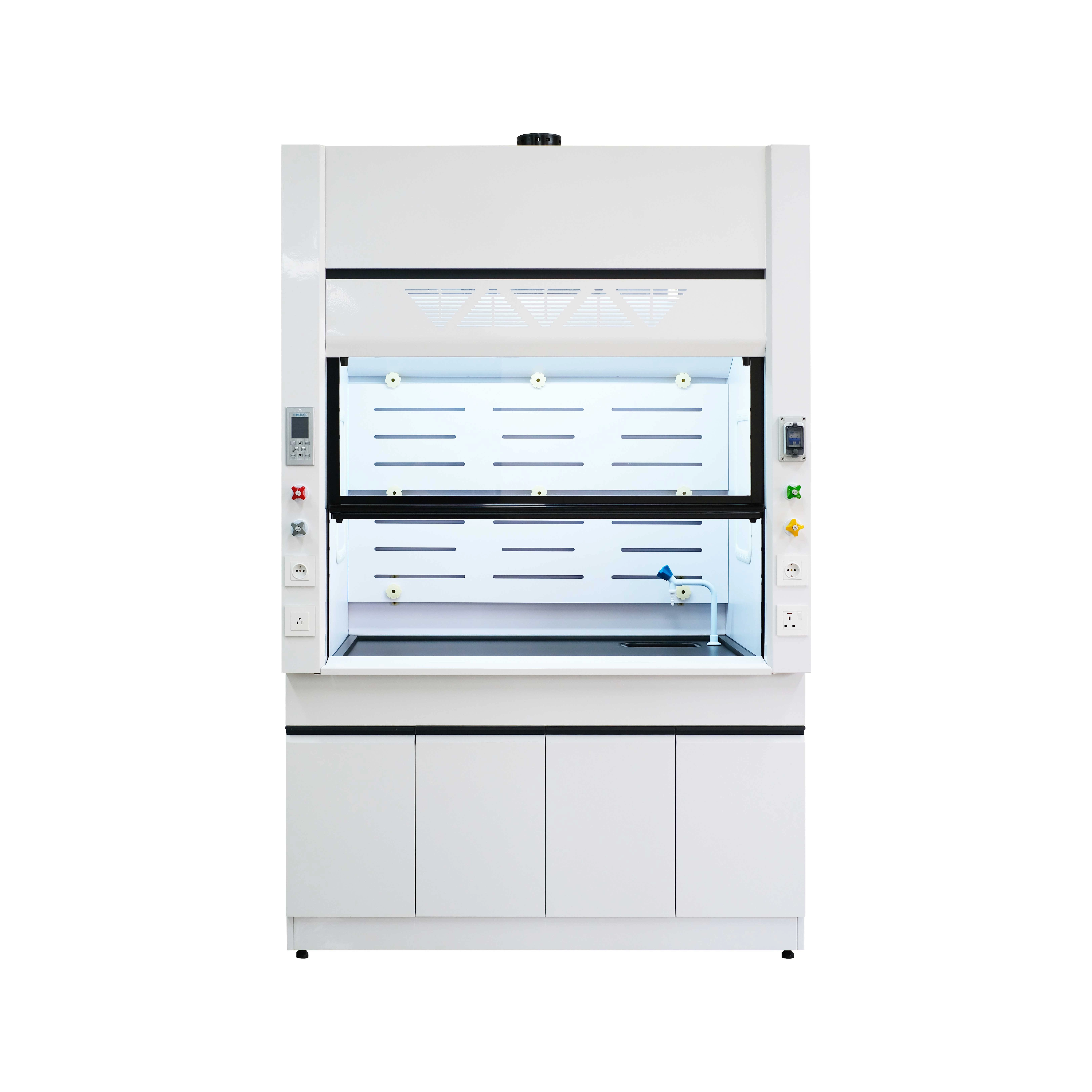
Fume Hood
The fume hood provides safe ventilation to protect against exposure to hazardous or toxic fumes, vapors, or airborne particulate. It is primarily used in laboratory and manufacturing applications to protect the user or environment outside the hood, but can also be used to protect the materials or experiment under the hood.
APPLICATION
Chemistry Lab, physics Lab, biological analysis, pharmaceutical medicine analysis, biological pharmaceutical, plant culture, environmental testing and electronic instrumentation scientific research and so on.
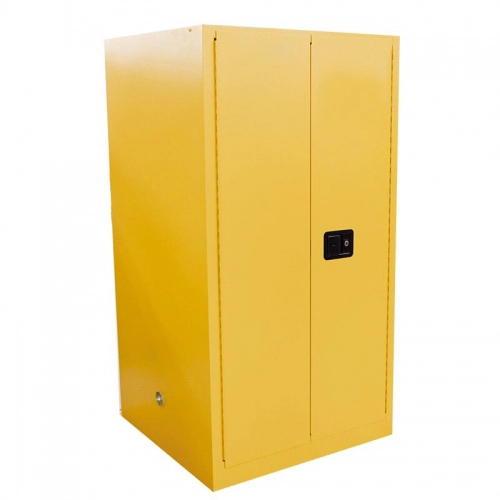
Flammable Storage Cabinet
Safety Cabinets store flammable liquids, corrosives, pesticides and other hazardous materials. All fire-resistant safety cabinets by meet fire codes and regulations for safety storage.
To help protect your people and facility from a potential fire, safety cabinets are engineered to safely contain flammable fuels, solvents, and chemicals. Safety cabinets can not only help everyone store chemicals reasonably, save chemical supplies, but also save human resources, and avoid fires caused by chemicals with the greatest strength.

 Scan QR Code
MaxLabFurniture
MaxLab Furniture
daihongada
Max Laboratory