
Chemical-Resistant Lab Sink Solutions for Safety and Durability

- Designing Chemical-Resistant Lab Sink Solutions
- Safety-first layout for chemistry and teaching labs
- Integration with laboratory bench systems
- Choosing the right sink configuration
- Material Choices and Performance
- Common sink materials: strengths and limitations
- Chemical resistance, durability and maintenance comparison
- Selecting sink finishes and accessories
- Installation, Maintenance and Compliance
- Installation best practices
- Routine cleaning and preventive maintenance
- Regulatory and environmental compliance
- Selecting the Right Lab Sink Cabinet for Your Facility
- Match function to environment
- Cost of ownership and lifecycle planning
- Why choose our Lab Sink Cabinet
- FAQs — Chemical-Resistant Lab Sink Solutions
- Q: What sink material is best for strong acids?
- Q: How do I prevent corrosion under the sink cabinet?
- Q: Can a lab sink handle solvent waste?
- Q: What maintenance should be scheduled for lab faucets?
- Q: How do I choose between C-type, floor-mounted and H-type cabinets?
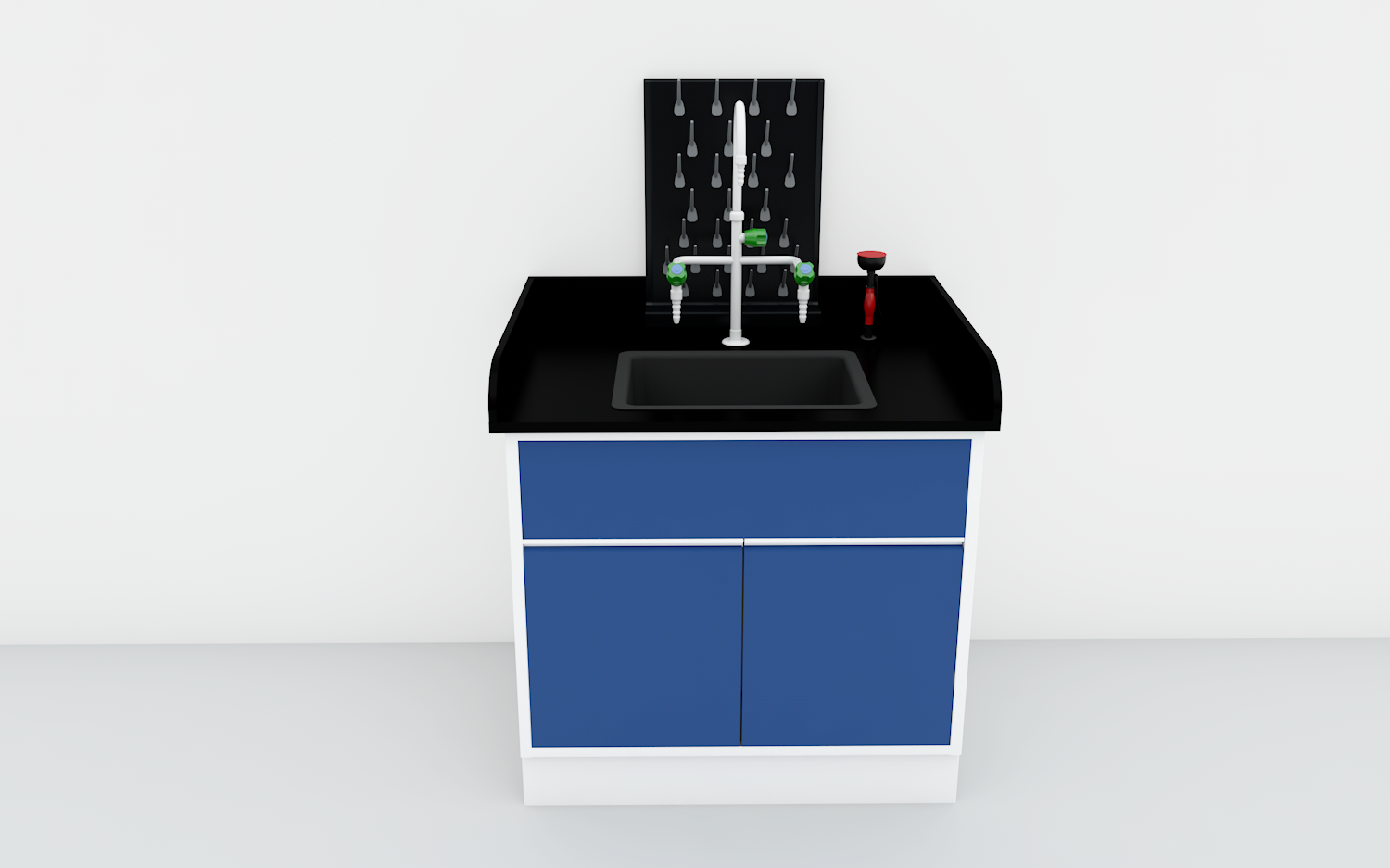
Chemical-resistant lab sink solutions are a critical element of modern laboratory design, balancing user safety, long-term durability and seamless integration with bench systems. Proper selection of materials, configurations and maintenance practices reduces chemical exposure risks, minimizes downtime, and extends service life for sinks, faucets and sink cabinets across chemistry labs, teaching labs, biopharmaceutical facilities and testing departments.
Designing Chemical-Resistant Lab Sink Solutions
Safety-first layout for chemistry and teaching labs
A well-designed laboratory sinks area prioritizes containment, ventilation and ergonomic access. Locate sinks near workstations but away from open flames and sensitive instruments. Ensure adequate eye-wash and emergency shower proximity according to your facility risk assessment. For teaching labs, place sinks to support multiple users with clear traffic patterns and spill containment. Integrating lab sinks into continuous bench runs reduces trip hazards and simplifies drainage routing.
Integration with laboratory bench systems
The Lab Sink Cabinet is designed for chemistry labs, teaching labs, biopharmaceutical facilities and testing departments, and can be seamlessly integrated into complete laboratory bench systems. The product offers C-type, floor-mounted and H-type structures, combined with a chemical-resistant lab sink and lab faucet to meet cleaning, rinsing, drainage and temporary storage needs.
Integration considerations include plumbing access, sink mounting type (undermount, top-mount, or recessed), and compatibility with lab faucets that may include gooseneck, mixing, or safety faucet options. For bench-mounted sinks, coordinated cutouts and support framing prevent premature fatigue under load.
Choosing the right sink configuration
Select configurations based on workflow: C-type (compact) sinks for tight areas, floor-mounted sinks for heavy-use and robust drainage, and H-type setups where double-sided access is needed in island benches. Each configuration affects cabinet design, storage, and routing of utilities (water, gas, drains). Consider modular sink cabinets that allow future reconfiguration as lab needs change.
Material Choices and Performance
Common sink materials: strengths and limitations
Typical laboratory sink materials include epoxy resin, polypropylene, and stainless steel (grade 304 or 316). Each offers distinct advantages:
- Epoxy resin: Excellent chemical resistance to many acids and alkalis, good heat and scratch resistance; often matched with epoxy worktops.
- Polypropylene (PP): Highly resistant to solvents and many corrosive chemicals, lightweight and impact-resistant; suitable for aggressive chemical environments.
- Stainless steel (304/316): Mechanically strong and heat-resistant; 316 provides better resistance to chlorides and certain acids but may be attacked by strong oxidizers.
For material background and properties see the material references on Wikipedia: Epoxy resin, Polypropylene, Stainless steel.
Chemical resistance, durability and maintenance comparison
Selecting a chemical-resistant sink depends on the types of reagents and expected exposure. The table below summarizes typical performance to help specify the right laboratory sink and cabinet combination.
| Material | Chemical Resistance | Durability | Typical Cost | Maintenance | Recommended Use |
|---|---|---|---|---|---|
| Epoxy Resin | High for acids/alkalis; moderate vs. strong solvents | High (stain, heat and scratch resistant) | Medium | Wipe clean; avoid strong solvents; repairable | Chemistry labs, teaching labs, general-purpose sinks |
| Polypropylene (PP) | Very high vs. many solvents and corrosives | Good (impact-resistant, less heat resistant) | Low–Medium | Easy to clean; avoid prolonged heat exposure | Aggressive chemical handling, waste sinks |
| Stainless Steel (304/316) | Good overall; 316 best for chlorides/oxidizers | Very high (mechanical strength) | Medium–High | Cleans easily; may require passivation | Biotech, sterile prep, heat-exposed tasks |
Selecting sink finishes and accessories
Finish choices (matt vs polished) affect cleanability and glare. Integrated rims, overflow protection, and seamless bowl-to-top transitions reduce contamination traps. Choose lab faucets with chemical-resistant coatings or solid materials compatible with your sink — for example, PTFE-lined valves or acid-resistant handles for aggressive use.
Installation, Maintenance and Compliance
Installation best practices
Professional installation ensures correct slope for drainage, secure mounting to bench frames, and leak-free connections. For floor-mounted sinks and H-type island installations, coordinate under-bench utility chases to conceal plumbing while allowing service access. Use chemical-resistant sealants and gaskets compatible with sink material to avoid premature degradation.
Routine cleaning and preventive maintenance
Establish cleaning SOPs matched to the materials and chemicals used. General guidance:
- Daily removal of residues with mild detergents and warm water.
- Neutralize acid or base spills immediately following your lab's chemical hygiene plan.
- Periodic inspection for cracks, swelling, discoloration or corrosion.
- Maintain drain strainers and traps to prevent blockages from solids.
For official lab safety procedures and chemical hygiene references see OSHA's chemical hazard guidance: OSHA Chemical Hazards and CDC laboratory safety resources: CDC Laboratory Safety.
Regulatory and environmental compliance
Ensure sinks and drain systems comply with local wastewater and disposal regulations. Some aggressive chemicals require neutralization or separate waste containment. Design Lab Sink Cabinet drainage and storage to prevent accidental disposal of incompatible reagents together—label drains and provide secondary containment where needed.
Selecting the Right Lab Sink Cabinet for Your Facility
Match function to environment
Match sink material and cabinet configuration to your primary laboratory activities. Teaching labs benefit from robust, easy-clean epoxy surfaces; chemical process labs may prioritize polypropylene for solvent resistance; biopharmaceutical labs often require stainless steel for aseptic processing and heat resistance. Consider the Lab Sink Cabinet options (C-type, floor-mounted, H-type) to match bench geometry and user access.
Cost of ownership and lifecycle planning
Evaluate lifecycle cost, not just capital cost. A slightly more expensive chemical-resistant sink may reduce replacement cycles, downtime and maintenance costs. Factors to assess include expected chemical exposures, daily usage rates, maintenance budgets and service contracts. Track metrics such as time-to-first-repair and mean time between failures to inform future procurement.
Why choose our Lab Sink Cabinet
Our Lab Sink Cabinet is engineered for long-term performance in demanding lab environments. Brand advantages include:
- Modular configurations (C-type, floor-mounted, H-type) for flexible bench integration.
- Choice of chemical-resistant sink materials to match your workflow and reagent profile.
- Precision manufacturing with reinforced cabinet structures to prevent sagging or deformation under heavy loads.
- Compatibility with lab faucets and utility hookups, simplifying installation and reducing custom plumbing costs.
- Comprehensive after-sales support and documentation for maintenance and compliance.
We follow industry best practices and provide detailed specification sheets, installation guides and maintenance plans to meet Google E-E-A-T standards and help facilities demonstrate due diligence in safety and procurement.
FAQs — Chemical-Resistant Lab Sink Solutions
Q: What sink material is best for strong acids?
A: Polypropylene and certain epoxy resin formulations offer strong resistance to many acids. Stainless steel 316 is resistant to some acids but can be attacked by oxidizing acids and chlorides. Always check the chemical compatibility chart for the specific reagent and concentration.
Q: How do I prevent corrosion under the sink cabinet?
A: Use corrosion-resistant finishes on cabinet interiors, install drip trays or secondary containment for potential leaks, select compatible sealants and ensure proper ventilation to avoid trapped vapors. Regular inspections and immediate repair of leaks are essential.
Q: Can a lab sink handle solvent waste?
A: Some sinks (e.g., polypropylene) handle many solvents well, but solvent disposal must follow local regulations. For volatile or flammable solvents, use designated solvent waste collection and avoid routing directly to drains unless permitted and treated.
Q: What maintenance should be scheduled for lab faucets?
A: Inspect seals and valve packing quarterly in high-use areas. Replace worn washers and check for leaks. For chemical-resistant faucets, clean external surfaces and confirm that materials (PTFE, PVDF coatings) remain intact.
Q: How do I choose between C-type, floor-mounted and H-type cabinets?
A: C-type is compact for single-sided bench runs; floor-mounted is ideal where heavy use or larger basins are needed; H-type (double-sided) suits island benches and multi-user teaching labs. Match the choice to bench layout and user traffic patterns.
When chemical resistance is addressed, layout efficiency becomes the focus—especially in compact labs—where space-saving lab sink cabinet designs for modern laboratories offer clear advantages.If you have additional questions about specifying or installing a chemical-resistant lab sink or the Lab Sink Cabinet, contact our technical sales team or view product details below.
View Lab Sink Cabinet product page | Contact our team
References: OSHA Chemical Hazards: https://www.osha.gov/chemical-hazards; CDC Laboratory Safety: https://www.cdc.gov/labsafety/; Material references: Epoxy resin, Polypropylene, Stainless steel.
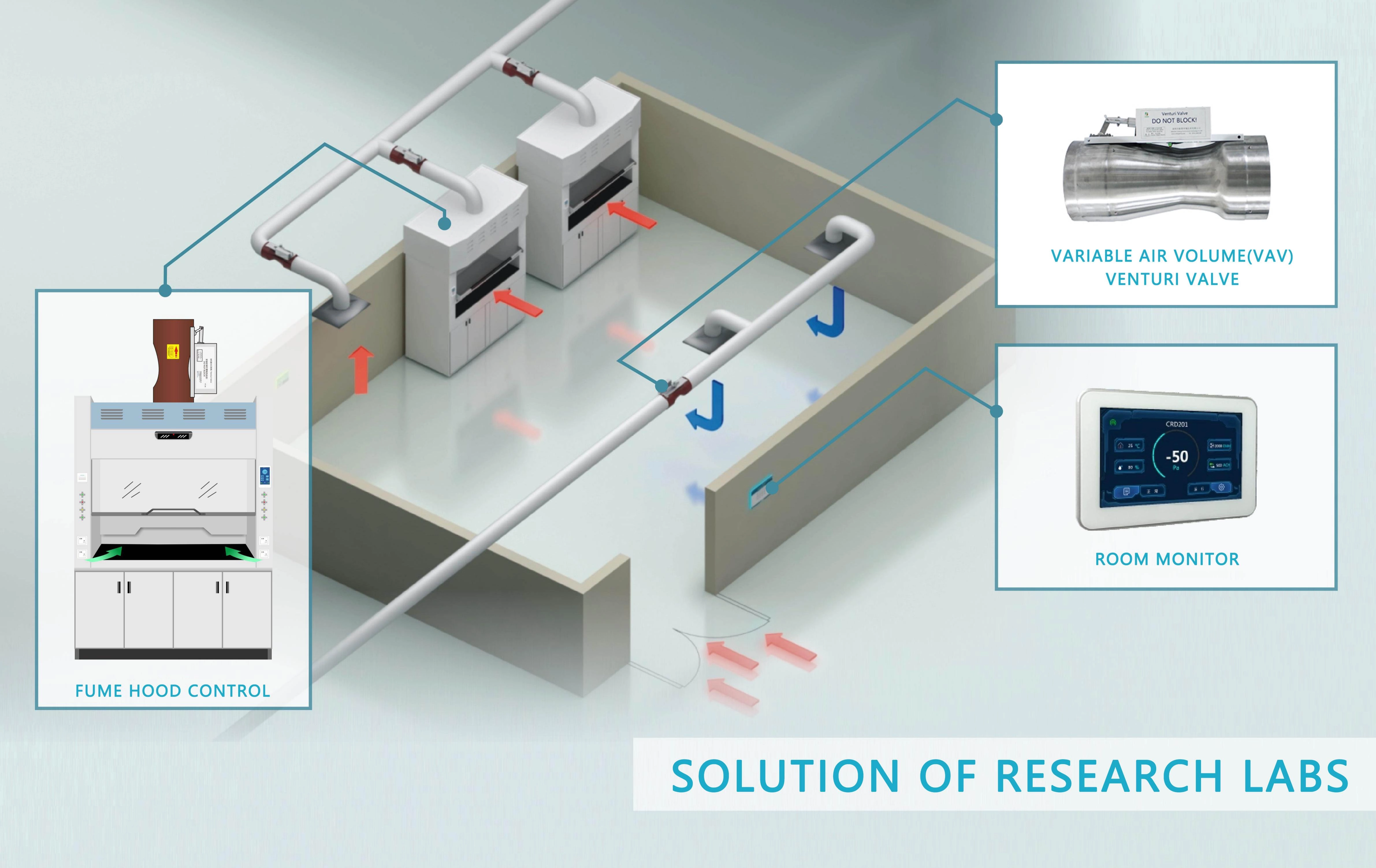
Variable Air Volume Fume Hood Airflow Balancing Tips
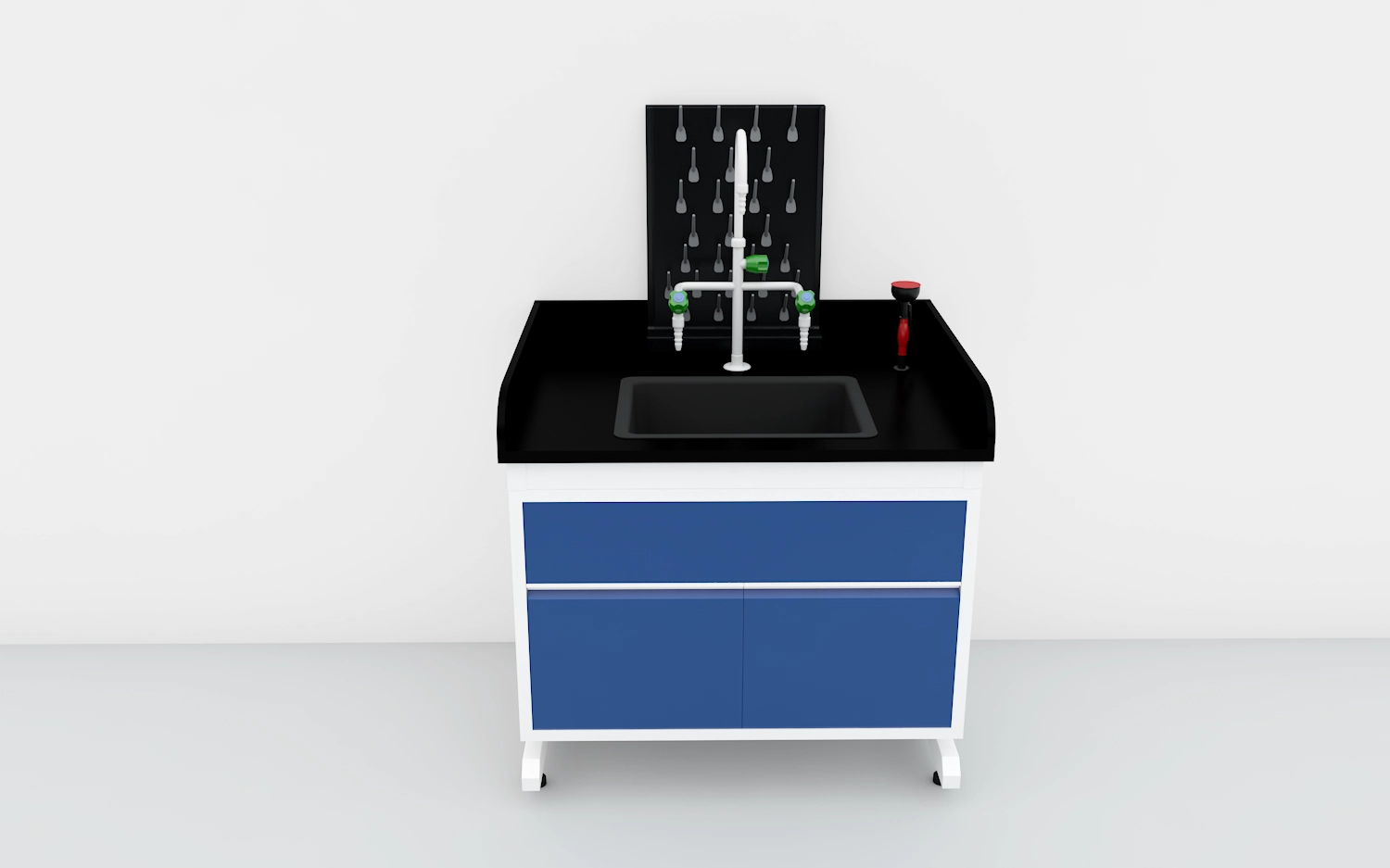
How to Choose the Right Lab Sink for Your Facility
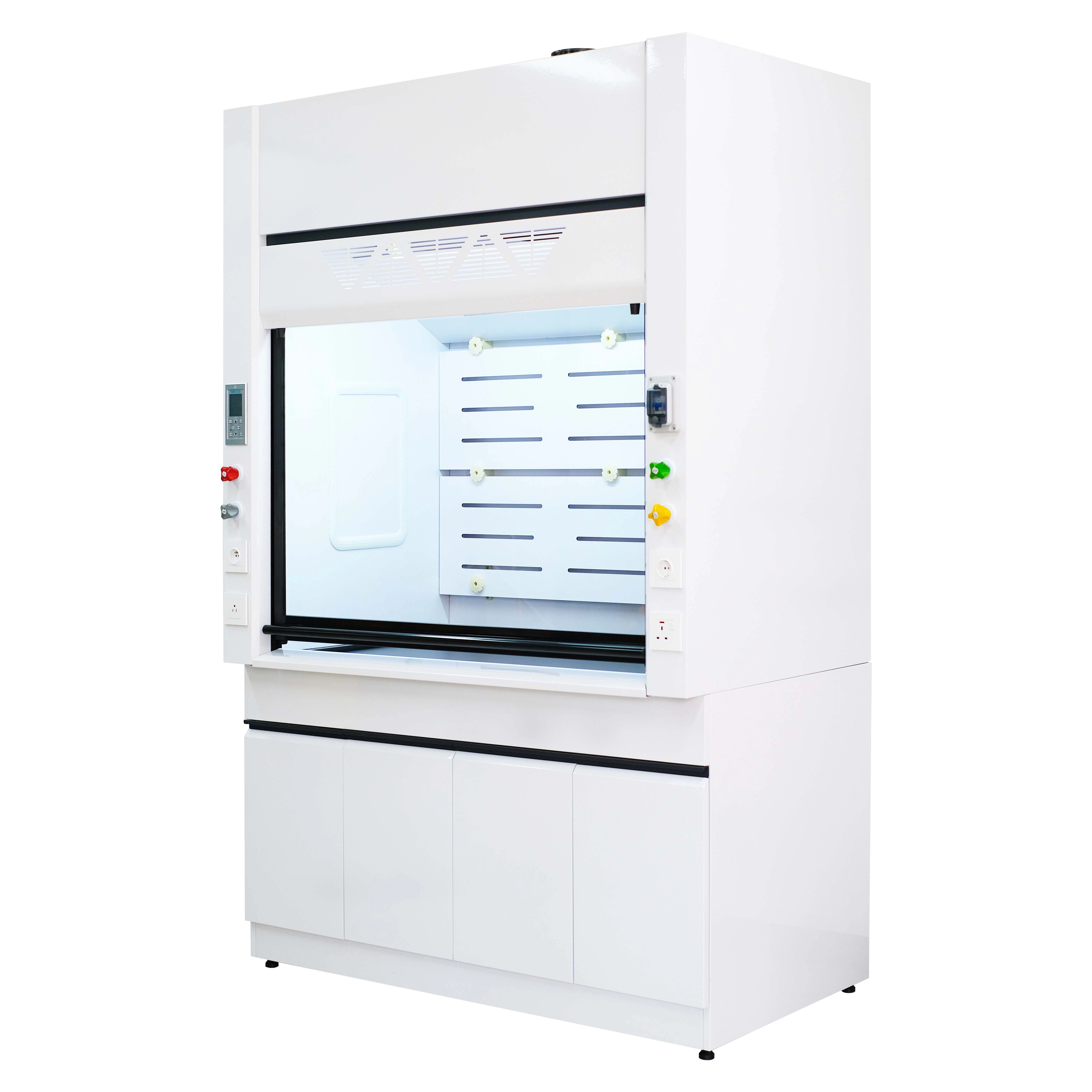
Fume Hood Maintenance Plans to Minimize Downtime
Vendor Selection Guide for Variable Air Volume Fume Hoods
About Solution
How about your after sale service?
We will reply to you within 24 hours by email or phone.
If we have a local agent, we will arrange for him to be at your site within 24 hours to assist you in shooting the problem.
For After-Sales Support
How can I get technical support for my equipment?
You can contact our technical support team via email or phone for assistance with installation, troubleshooting, or any issues you encounter with your laboratory equipment.
For Customization
Can I customize the size and configuration of my lab furniture?
Yes, we offer full customization for laboratory benches, modular systems, and storage units to meet your specific space and functional needs.
For Products
Are your products customizable?
Absolutely! We offer customized solutions for laboratory benches, lab tables, and furniture systems to meet the specific requirements of your workspace.
Do you offer ergonomic solutions for lab furniture?
Yes, our laboratory furniture includes ergonomic designs such as height-adjustable lab benches and chairs that reduce strain during long hours of work.
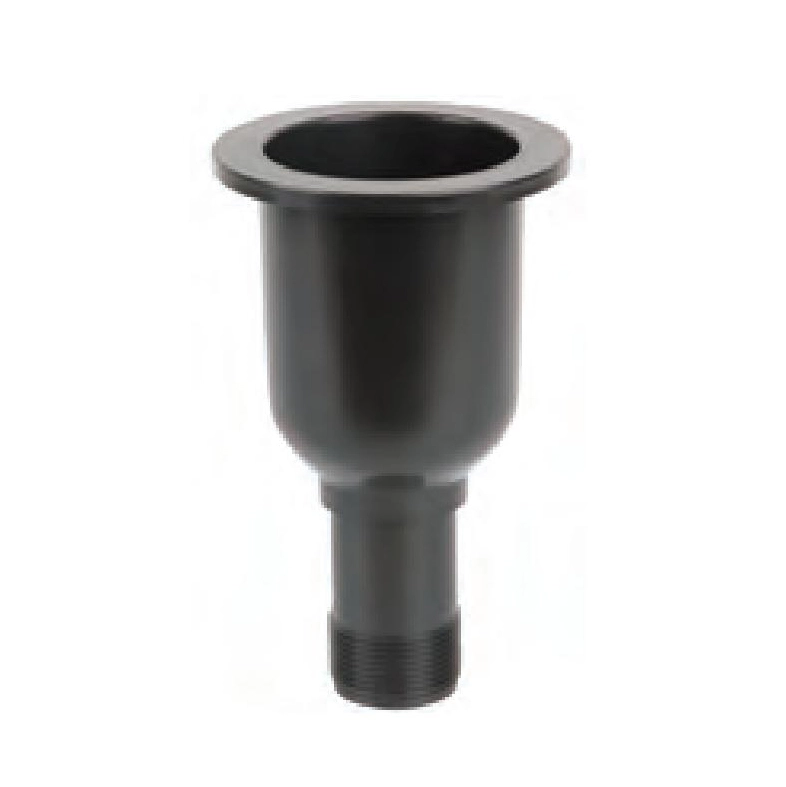
Lab Sink LS-08
The LS-08 Round Cup / Funnel Sink is a small-diameter, deep cup sink designed as a funnel-type drain point on laboratory worktops. Constructed from chemical-resistant black PP, it features an extended threaded outlet that connects directly to drain piping.
This design is perfect for apparatus drain lines, RO reject water, condensate and other continuous or intermittent discharges where an open, funnel-like inlet is required.

Floor Mounted Lab Bench
Our Floor Mounted Lab Bench is an essential, high-efficiency workspace for laboratories, made from high-quality steel-wood or corrosion-resistant stainless steel materials to ensure exceptional durability and stability. The unique floor-mounted design effectively reduces vibration, optimizes space usage, and provides a safe and tidy laboratory environment.
Customizable storage solutions help organize lab equipment efficiently, while the easy-to-clean surface maintains laboratory hygiene. It is widely suitable for research institutions, educational laboratories, and the chemical and pharmaceutical industries.
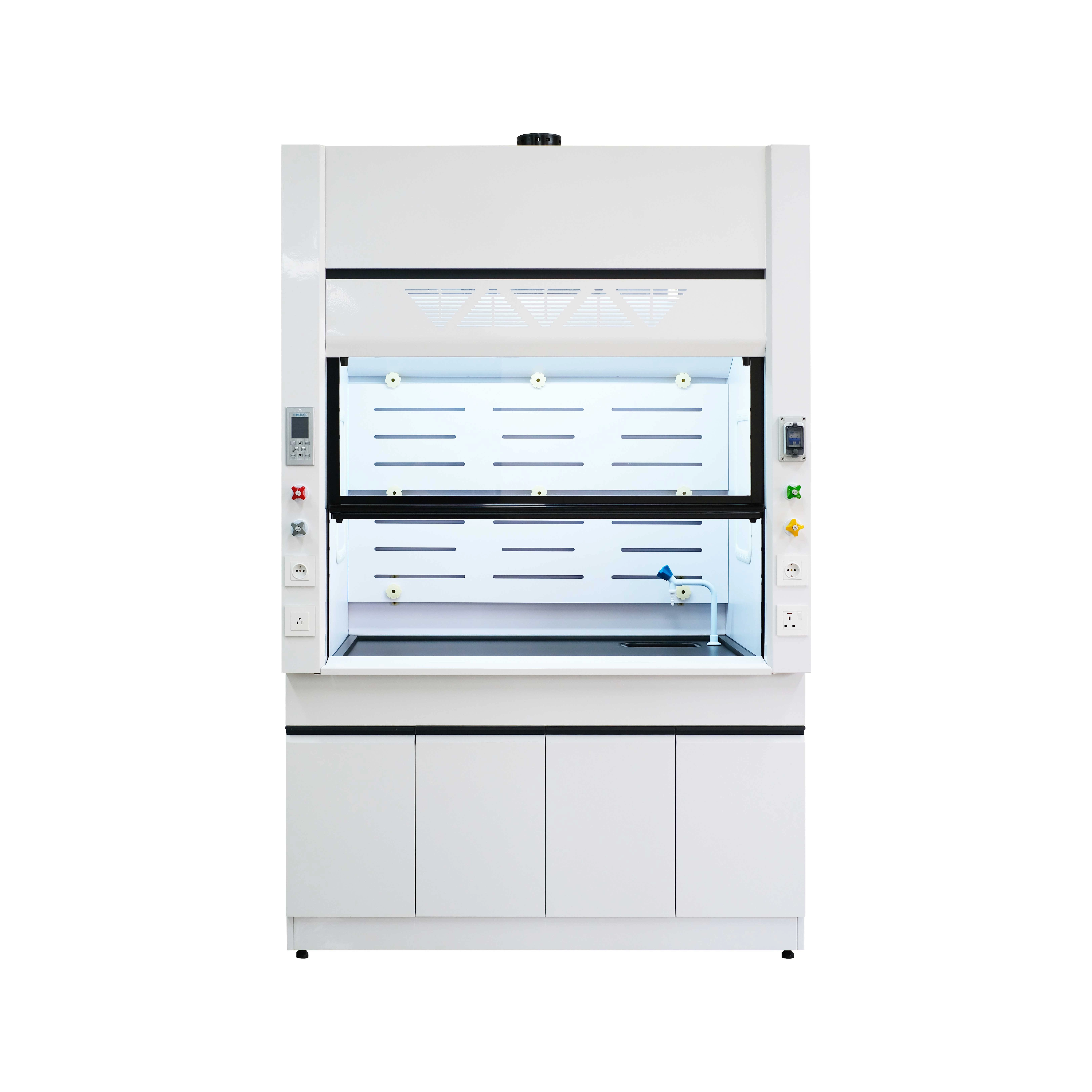
Fume Hood
The fume hood provides safe ventilation to protect against exposure to hazardous or toxic fumes, vapors, or airborne particulate. It is primarily used in laboratory and manufacturing applications to protect the user or environment outside the hood, but can also be used to protect the materials or experiment under the hood.
APPLICATION
Chemistry Lab, physics Lab, biological analysis, pharmaceutical medicine analysis, biological pharmaceutical, plant culture, environmental testing and electronic instrumentation scientific research and so on.
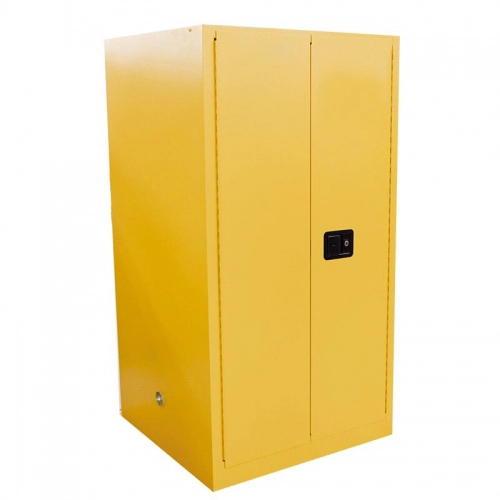
Flammable Storage Cabinet
Safety Cabinets store flammable liquids, corrosives, pesticides and other hazardous materials. All fire-resistant safety cabinets by meet fire codes and regulations for safety storage.
To help protect your people and facility from a potential fire, safety cabinets are engineered to safely contain flammable fuels, solvents, and chemicals. Safety cabinets can not only help everyone store chemicals reasonably, save chemical supplies, but also save human resources, and avoid fires caused by chemicals with the greatest strength.

 Scan QR Code
MaxLabFurniture
MaxLab Furniture
daihongada
Max Laboratory