
Top Lab Furniture Design Trends for Modern Laboratories
- Designing for Discovery: The New Era of Lab Furniture
- 1. Modular and Flexible Lab Furniture Design for Changing Workflows
- Practical tips
- 2. Ergonomics and Human-Centered Lab Furniture Design
- Practical tips
- 3. Materials and Surfaces: Balancing Chemical Resistance, Durability, and Cost
- Material comparison
- 4. Integrated Utilities and Service Distribution in Lab Furniture Design
- Practical tips
- 5. Safety-First Lab Furniture Design: Fume Hoods and Storage
- Practical tips
- 6. Sustainability and Circular Design in Lab Furniture
- Practical tips
- 7. Smart and Connected Lab Furniture Design
- Practical tips
- 8. Cost, Lead Time, and Procurement Strategies for Lab Furniture Design
- Comparative procurement metrics
- MAX LAB: Manufacturing Strength and Product Coverage
- How to Evaluate and Specify Lab Furniture Design for Your Project
- Frequently Asked Questions (FAQ)
- 1. What is the best countertop material for a chemistry lab?
- 2. How do I plan for future reconfiguration in lab furniture design?
- 3. Are modular lab furniture systems as durable as fixed casework?
- 4. How should fume hoods be specified with lab furniture?
- 5. What sustainability certifications or documentation should I request?
- 6. How much should I budget for lab furniture relative to total lab fit-out?
- 7. Can I integrate smart sensors into existing lab furniture?
- Contact and Next Steps
- References
Designing for Discovery: The New Era of Lab Furniture
Laboratories today face more pressure than ever to be adaptable, safe, and cost-effective while supporting increasingly complex science. Effective lab furniture design is a critical—but often underappreciated—element that impacts workflow, safety compliance, sustainability, and long-term operating cost. This article examines the top trends shaping lab furniture design, provides practical guidance for facility managers and lab planners, and highlights how to choose solutions that align with regulatory and operational needs.
1. Modular and Flexible Lab Furniture Design for Changing Workflows
Trend: Flexibility is now a baseline requirement. Modular lab furniture design—moving from fixed casework to reconfigurable benches, mobile islands, and plug‑and‑play utilities—allows labs to adapt to new protocols, team sizes, and equipment without costly renovations.
Why it matters: Research projects, instrumentation layouts, and team structures change frequently. Modular systems reduce downtime, lower renovation costs, and support scalability. For procurement, prioritize systems with standardized panels, adjustable shelving, and quick-connect utility columns. This reduces lead times and future capital expenses.
Practical tips
- Specify modular frames with open channels for power and data routing.
- Use mobile benches on lockable casters for mixed-use zones.
- Plan utility islands with isolated service risers to simplify adding gases or vacuum later.
2. Ergonomics and Human-Centered Lab Furniture Design
Trend: Ergonomic design is moving beyond chairs and keyboard trays to include adjustable bench heights, sit-stand workstations, anti-fatigue flooring integration, and optimized reach zones. Good lab furniture design reduces musculoskeletal strain, improves accuracy, and lowers absenteeism.
Why it matters: Repetitive pipetting, microscope work, and prolonged standing are common. Ergonomically designed lab benches and seating reduce injury risk, increase throughput, and are recognized in occupational guidance (e.g., OSHA ergonomics resources).
Practical tips
- Specify adjustable-height benches (manual or electric) for multi-user benches.
- Design defined work zones for tasks with high precision and prolonged focus (e.g., microscopy) with dedicated seating and proper lighting.
- Include inset anti-vibration platforms for sensitive instruments.
3. Materials and Surfaces: Balancing Chemical Resistance, Durability, and Cost
Trend: Material selection is a top determinant of lifetime cost and lab safety. Popular countertop materials include epoxy resin, phenolic resin, stainless steel, and high-pressure laminate with chemical-resistant coatings. Each has trade-offs in chemical resistance, abrasion resistance, cost, and maintenance.
Why it matters: Countertop failure or inappropriate materials can cause contamination, equipment damage, or safety hazards. Specification should be matched to laboratory type (wet chemistry, biosafety, analytical) and cleaning/sterilization regimens.
Material comparison
| Material | Chemical Resistance | Durability | Typical Use | Relative Cost |
|---|---|---|---|---|
| Epoxy resin | Excellent to most chemicals, strong acid/base resistance | High; heat and scratch resistant | Wet chemistry, general-purpose labs | Medium–High |
| Phenolic resin | Good solvent and chemical resistance | Good; moisture resistant | Teaching labs, where cost matters | Medium |
| Stainless steel (304/316) | Excellent for many chemicals; can corrode with chlorides (316 better) | Very high; easy to sterilize | Microbiology, clean areas, food labs | High |
| High-pressure laminate (HPL) w/ coating | Variable; surface coatings boost resistance | Moderate; susceptible to delamination if wet | Administrative areas, dry labs | Low–Medium |
Sources and standards: Material selection should reference manufacturer chemical resistance charts and recognized standards for laboratory surfaces. For biological labs, cleaning/sterilization compatibility is essential (refer to CDC biosafety guidance).
4. Integrated Utilities and Service Distribution in Lab Furniture Design
Trend: Built-in utility distribution—gas, vacuum, compressed air, power, and data—integrated into furniture (service columns, overhead panels, under-bench channels) is now expected in modern lab design. Intelligent integration simplifies commissioning and future upgrades.
Why it matters: Centralized and modular utilities reduce downtime and increase safety by organizing piping and wiring into accessible, maintainable routes. They also make labs more adaptable for changing experimental setups.
Practical tips
- Use quick-connect fittings for low‑pressure services where applicable to speed reconfiguration.
- Design separate cable management for data (Cat6/7/fiber) and electrical to prevent interference and simplify testing.
- Plan for capacity: allow spare conduits and spare utility stub-outs for future expansions.
5. Safety-First Lab Furniture Design: Fume Hoods and Storage
Trend: Safety integration is a baseline expectation—fume hoods, biosafety cabinets, and properly ventilated storage must work with furniture design. Newer hood designs focus on energy efficiency (variable air volume, VAV), improved containment, and ergonomic sash design.
Why it matters: Properly specified fume hoods and storage cabinets prevent exposure to hazardous chemicals and biological agents and impact HVAC loads. ASHRAE test methods and OSHA guidance are commonly used during selection and commissioning.
Practical tips
- Choose hoods with certified performance (e.g., ASHRAE 110 containment tests).
- Store flammables and corrosives in dedicated, code-compliant storage cabinets adjacent to work zones for safe workflow.
- Coordinate hood exhaust with building HVAC to avoid cross-contamination or negative pressurization of occupied spaces.
6. Sustainability and Circular Design in Lab Furniture
Trend: Sustainability is influencing material choices, manufacturing, and end-of-life planning. Buyers increasingly request low-VOC finishes, recycled-content materials, and furniture designed for disassembly and reuse.
Why it matters: Operational energy for labs is high; furniture choices that reduce renovation frequency, improve durability, and use sustainable materials lower the lifecycle carbon footprint. Certifications such as LEED and initiative alignment with institutional sustainability goals are common procurement drivers.
Practical tips
- Request Environmental Product Declarations (EPDs) and Material Safety Data Sheets for finishes.
- Prioritize modular systems designed for reuse or resale.
- Consider lifecycle cost analysis, not just first cost, when selecting materials and systems.
7. Smart and Connected Lab Furniture Design
Trend: The smart lab concept extends to furniture—embedded sensors for occupancy, work-surface monitoring, integrated power/data metering, and asset tracking. These features help optimize space utilization, energy use, and maintenance planning.
Why it matters: Data-driven facilities reduce operating costs and improve safety (e.g., detecting chemical spills or ventilation failures). Integration of smart systems should follow cybersecurity best practices and allow vendor-neutral protocols for future compatibility.
Practical tips
- Start with low-risk sensors (temperature, humidity, occupancy) before integrating critical safety monitoring.
- Use open standards (MQTT, BACnet) where possible for interoperability with building management systems (BMS).
- Ensure data privacy and security policies are in place for any connected lab furniture systems.
8. Cost, Lead Time, and Procurement Strategies for Lab Furniture Design
Trend: Buyers want predictable delivery and lower total cost of ownership. Manufacturers that keep modular inventory, standardized lines, and efficient production can shorten lead times and reduce cost variability.
Why it matters: Extended lead times delay research and can create temporary safety compromises. Choosing manufacturers with transparent supply chains, quality control, and local/regional warehouses reduces risk.
Comparative procurement metrics
| Metric | What to ask a supplier | Why it matters |
|---|---|---|
| Lead time | Average production & delivery time; inventory availability | Impacts project schedule and downtime |
| Quality control | Inspection processes, testing records | Reduces defects and rework costs |
| Warranty & service | Warranty length, spare parts policy, on-site service | Protects TCO and uptime |
Choose suppliers who can back up claims with factory photos, QC documentation, and client references.
MAX LAB: Manufacturing Strength and Product Coverage
Founded in 2000, Guangzhou Max Laboratory Equipment Co., Ltd. (MAX LAB) is a leading manufacturer that integrates the design, production, and sales of laboratory furniture and equipment. With over 15 years of export experience, our founder has led the company to serve clients in more than 60 countries and regions, earning a reputation for reliability and excellence. Guided by our core values—Quality First, Delivery First, Price First, and Service First—we are committed to delivering superior laboratory solutions that meet the highest global standards.
Our 5,000 m² factory in Guangzhou is equipped with advanced German-imported machinery and operates under modern management systems to ensure precision and consistency. With three standardized production lines and a well-stocked modular inventory, we achieve production efficiency and delivery times up to 30% faster than industry peers.
At MAX LAB, we insist on stringent quality control for every product before it leaves the factory. Using materials from leading global suppliers, we ensure that every item—from lab furniture and storage cabinets to fume hoods and countertops—meets international quality and environmental standards. Our dedication to innovation, efficiency, and customer satisfaction has made MAX LAB a trusted partner in laboratory projects worldwide.
MAX LAB's core product offerings include lab storage cabinets, fume hoods, lab countertops, lab benches, purifying equipment, and anti-vibration tables. Our strengths are fast modular production, strict QC, and a product range that supports wet chemistry, biosafety, analytical, and educational lab environments.
How to Evaluate and Specify Lab Furniture Design for Your Project
Stepwise approach:
- Define the scientific program and workflows (types of experiments, equipment, hazardous materials).
- Map zones: wet benches, dry benches, instrumentation, sample storage, and administrative space.
- Select materials and furniture that align to the most demanding zone (e.g., wet bench requirements govern countertop choice).
- Specify modular utility routes and future-proof conduits.
- Request factory QA documentation, test reports (hood testing, finish VOC tests), and references.
Include the furniture supplier early in the design process so their modular systems can be integrated into MEP drawings and commissioning plans.
Frequently Asked Questions (FAQ)
1. What is the best countertop material for a chemistry lab?
Epoxy resin countertops are commonly recommended for general-purpose chemistry labs because of their broad chemical resistance and durability. Stainless steel is preferred where sterilization is frequent or for biological labs. Always consult chemical resistance charts and confirm compatibility with your specific reagents.
2. How do I plan for future reconfiguration in lab furniture design?
Specify modular benches with standardized frames and quick-connect utility columns, include spare conduits for power/data, and choose mobile or bench-top systems where possible. Planning for a 20–30% reconfiguration allowance in the initial furniture budget is prudent in fast-changing labs.
3. Are modular lab furniture systems as durable as fixed casework?
Modern modular systems, when properly specified and installed, can equal or exceed the durability of fixed casework. Look for welded steel frames, powder-coated finishes, and reputable warranty terms. Durability also depends on appropriate material selection for surfaces and storage.
4. How should fume hoods be specified with lab furniture?
Coordinate hood footprint, sash type, and exhaust connection early in design. Hoods should be located to avoid cross-drafts from doors or high-traffic corridors and be installed with service access for sash and ductwork. Specify performance verification by recognized tests (e.g., ASHRAE 110).
5. What sustainability certifications or documentation should I request?
Request Environmental Product Declarations (EPDs), low-VOC finish data, recycled-content statements, and end-of-life/disassembly details. Align selections with institutional sustainability goals and certifications like LEED, if applicable.
6. How much should I budget for lab furniture relative to total lab fit-out?
Budgeting practices vary, but a common rule of thumb is 10–20% of the total fit-out cost for furniture and casework in research labs. This depends heavily on equipment intensity—highly instrumented labs will have lower relative furniture percentages.
7. Can I integrate smart sensors into existing lab furniture?
Yes—many sensors are non-invasive and can be retrofitted for temperature, humidity, and occupancy. For critical safety functions, integrate with building management systems and ensure cybersecurity and data governance are addressed.
Contact and Next Steps
If you are planning a new lab or renovating existing space, evaluate vendors early and request modular options, QC documentation, and lead-time guarantees. For turnkey solutions or product inquiries—including lab storage cabinets, fume hoods, lab countertops, lab benches, purifying equipment, and anti-vibration tables—contact MAX LAB to discuss project requirements, request technical drawings, or get a quote.
Contact MAX LAB today to review modular lab furniture options that reduce installation time, meet international quality standards, and deliver long-term value.
References
- CDC: Laboratory Safety Guidance. Centers for Disease Control and Prevention. https://www.cdc.gov/labsafety/ (accessed 2025-06-01).
- OSHA: Ergonomics. Occupational Safety and Health Administration. https://www.osha.gov/ergonomics (accessed 2025-06-01).
- USGBC: LEED. U.S. Green Building Council. https://www.usgbc.org/leed (accessed 2025-06-01).
- BIFMA: Business and Institutional Furniture Manufacturers Association. https://www.bifma.org/ (accessed 2025-06-01).
- ASHRAE: Laboratory Design Guidance and Standards (including ASHRAE 110 testing). ASHRAE. https://www.ashrae.org/ (accessed 2025-06-01).
- Narrative discussion on lab design trends: Lab Manager — articles on laboratory design and trends. https://www.labmanager.com/ (accessed 2025-06-01).
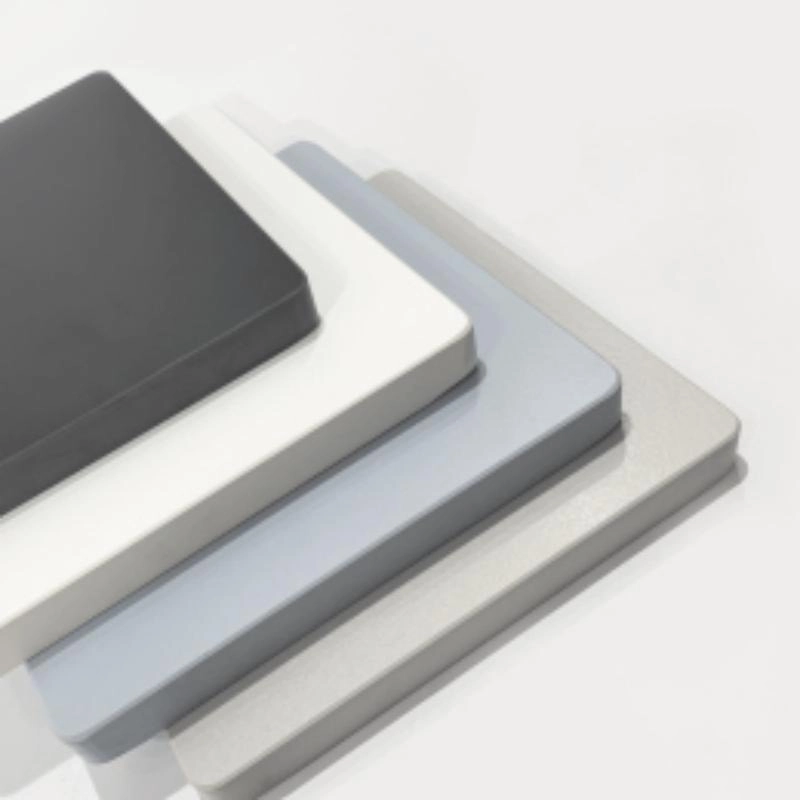
Inspection Checklist for New Lab Countertop Installations
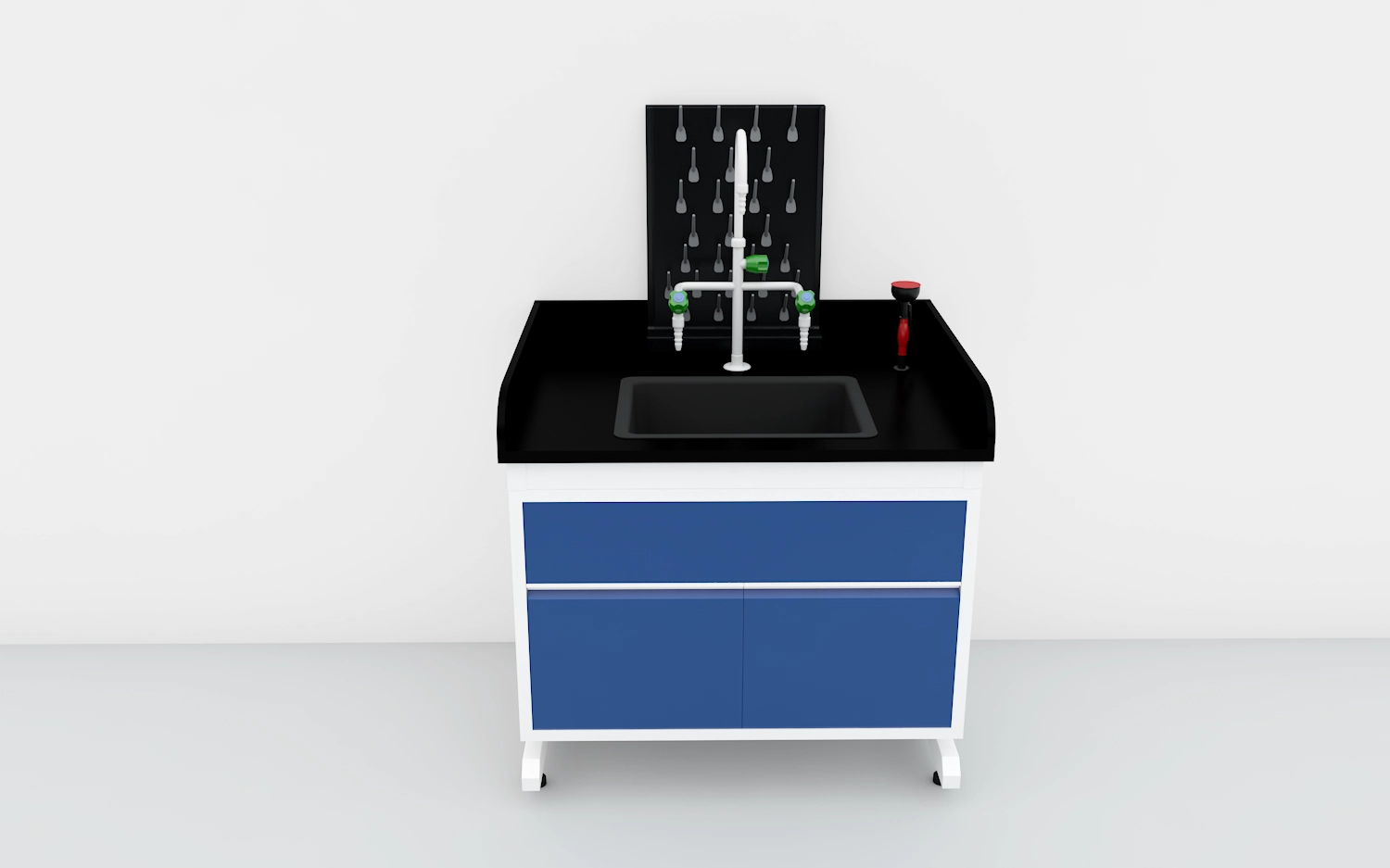
Corrosion-Resistant Coatings for Lab Sink Cabinets
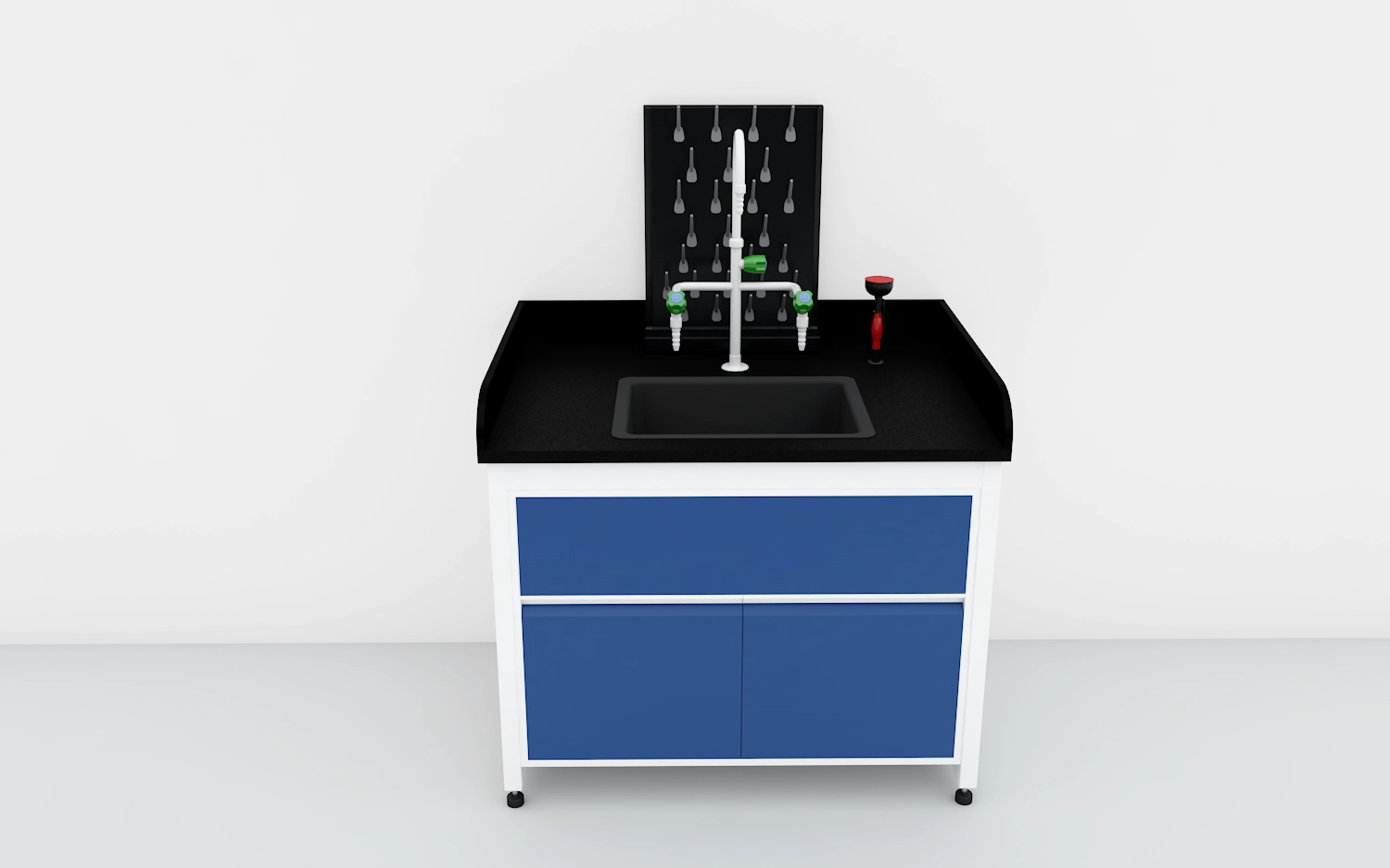
Modular Lab Sink Cabinets: Flexibility for Evolving Labs
Top 10 Laboratory furniture Manufacturers and Supplier Brands in 2026
For Logistics
How can I track my shipment?
Once your order has been shipped, we will provide tracking information so you can monitor the status of your delivery.
How are shipping costs calculated?
Shipping costs are calculated based on the size, weight, and destination of your order. We provide a detailed shipping quote during the ordering process.
Customization
What kind of laboratory equipment is suitable for customization?
All types of laboratory equipment can be customized, including test benches, fume hoods, hoods, chemical cabinets, exhaust units, etc.
How to calculate the cost of customized services?
Customization services incur additional costs depending on the complexity of the design, material selection and production requirements. We will clearly list all costs at the quote stage to ensure that the client understands all costs.
For Customization
What is the process for requesting a custom quote?
To request a custom quote, please provide us with details about your lab’s size, needs, and desired specifications.

Floor Mounted Lab Bench
Our Floor Mounted Lab Bench is an essential, high-efficiency workspace for laboratories, made from high-quality steel-wood or corrosion-resistant stainless steel materials to ensure exceptional durability and stability. The unique floor-mounted design effectively reduces vibration, optimizes space usage, and provides a safe and tidy laboratory environment.
Customizable storage solutions help organize lab equipment efficiently, while the easy-to-clean surface maintains laboratory hygiene. It is widely suitable for research institutions, educational laboratories, and the chemical and pharmaceutical industries.
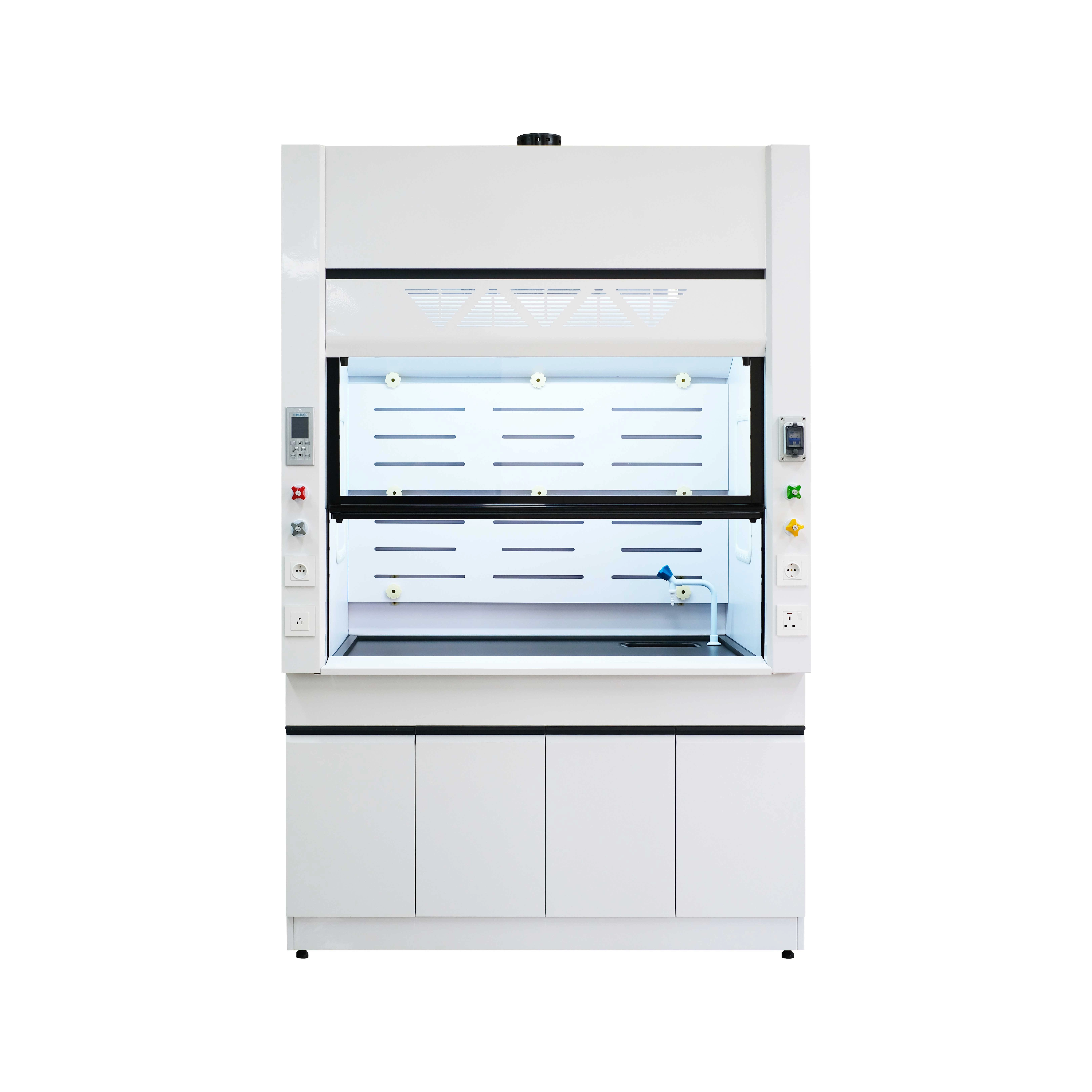
Fume Hood
The fume hood provides safe ventilation to protect against exposure to hazardous or toxic fumes, vapors, or airborne particulate. It is primarily used in laboratory and manufacturing applications to protect the user or environment outside the hood, but can also be used to protect the materials or experiment under the hood.
APPLICATION
Chemistry Lab, physics Lab, biological analysis, pharmaceutical medicine analysis, biological pharmaceutical, plant culture, environmental testing and electronic instrumentation scientific research and so on.
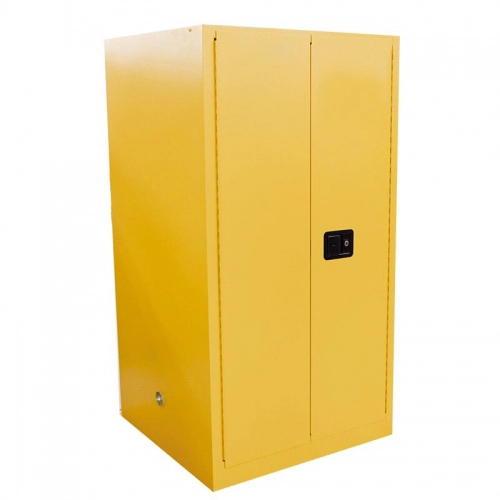
Flammable Storage Cabinet
Safety Cabinets store flammable liquids, corrosives, pesticides and other hazardous materials. All fire-resistant safety cabinets by meet fire codes and regulations for safety storage.
To help protect your people and facility from a potential fire, safety cabinets are engineered to safely contain flammable fuels, solvents, and chemicals. Safety cabinets can not only help everyone store chemicals reasonably, save chemical supplies, but also save human resources, and avoid fires caused by chemicals with the greatest strength.
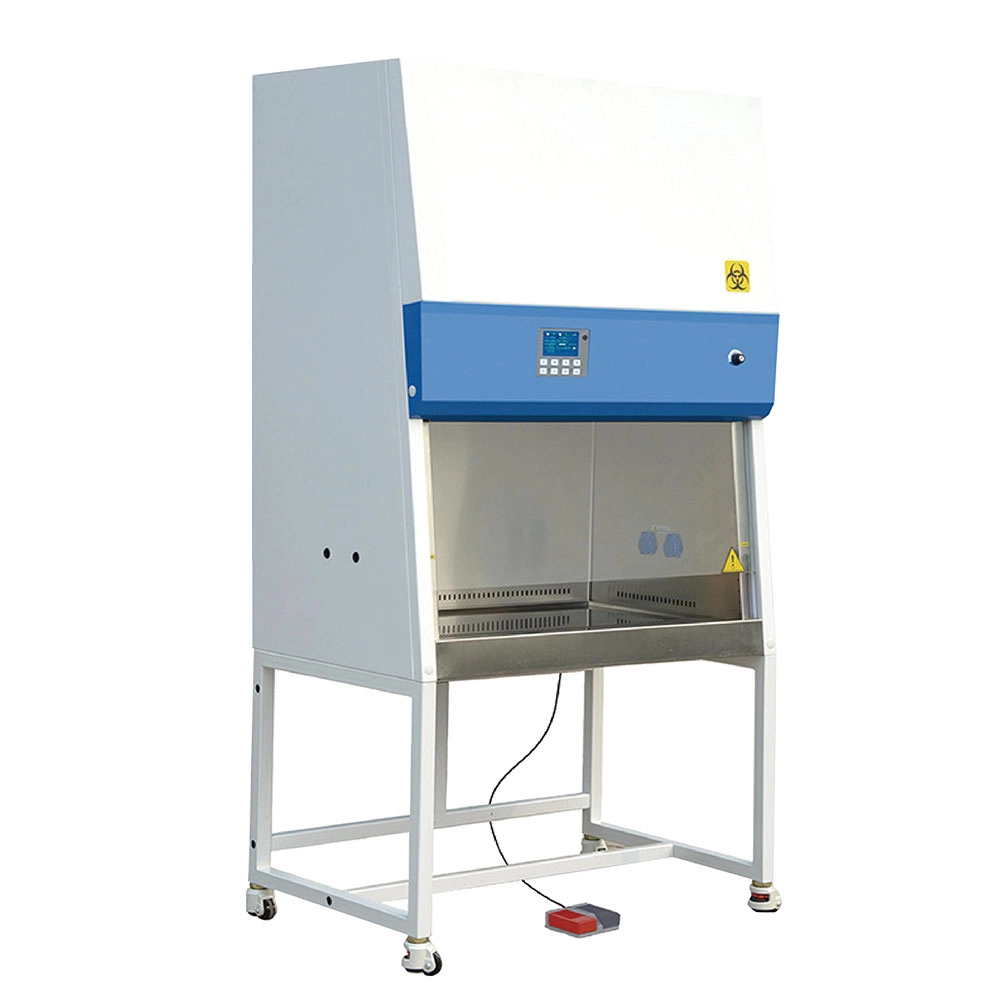
Class II Type A2 Biological Safety Cabinet for Laboratory
The Class II A2 Biological Safety Cabinet is designed to provide superior biosafety and contamination control for laboratories, research facilities, and clinical settings. With 70% air recirculation and 30% air exhaust, this cabinet ensures a safe and efficient work environment while protecting both the user and the samples.
Equipped with advanced features like a HEPA filtration system, motorized front window, and ergonomic design, this cabinet is a must-have for safe and reliable biological research.

 Scan QR Code
MaxLabFurniture
MaxLab Furniture
daihongada
Max Laboratory