
Sustainable Lab Furniture: Eco-Friendly Materials
- Designing Greener Laboratories: Principles for Sustainable Lab Furniture
- Why sustainable lab furniture design matters for modern labs
- Key performance requirements in lab furniture design
- Comparing eco-friendly materials in lab furniture design
- Material options and trade-offs for lab furniture design
- Evidence-based insights for material selection in lab furniture design
- Lifecycle assessment and embodied impact in lab furniture design
- Applying LCA principles to lab furniture design decisions
- Quantifying trade-offs: example indicators for lab furniture design
- Design strategies to make lab furniture design more sustainable
- Practical steps designers can implement now
- Cost, longevity, and procurement considerations in lab furniture design
- Balancing upfront cost and total cost of ownership
- Comparative cost-lifetime illustration
- Certifications, standards and testing relevant to lab furniture design
- Standards to demand from suppliers
- Implementing sustainable procurement in lab furniture design
- Procurement checklist for lab managers and specifiers
- MAX LAB: sustainable capability and product offerings for lab furniture design
- Supplier profile and why it matters for sustainable lab furniture design
- MAX LAB advantages and core products for sustainable projects
- Maintenance, reuse and end-of-life strategies in lab furniture design
- Extending life and enabling responsible disposal
- Real-world considerations and small-project tips for lab furniture design
- Practical tips for small labs and retrofits
- FAQ — Sustainable Lab Furniture: Eco-Friendly Materials
- 1. What materials are best for wet chemistry benches in sustainable lab furniture design?
- 2. Are recycled plastics acceptable for lab storage and cabinetry?
- 3. How do I evaluate a supplier's sustainability claims in lab furniture design?
- 4. Can sustainable lab furniture save money long-term?
- 5. What should I do at end-of-life for lab furniture to minimize environmental impact?
- 6. How can MAX LAB support sustainable lab furniture design projects?
- References
Designing Greener Laboratories: Principles for Sustainable Lab Furniture
Why sustainable lab furniture design matters for modern labs
Laboratory owners and designers must balance high-performance requirements with environmental responsibility. Sustainable lab furniture design reduces embodied carbon, minimizes hazardous emissions, extends product lifespan, and simplifies end-of-life reuse or recycling. For research institutions, universities, and commercial labs, choosing the right materials affects indoor air quality, compliance with regulations (such as CARB and local VOC limits), operating costs, and institutional sustainability targets (including net-zero commitments).
Key performance requirements in lab furniture design
Effective lab furniture design must satisfy mechanical strength, chemical resistance, fire safety, and ergonomic needs while meeting sustainability goals. Designers should ask: what are the chemical exposure profiles, cleaning agents, expected load and usage patterns, and the desired lifetime of the furniture? Answers drive material selection and help reconcile sustainability with safety and compliance.
Comparing eco-friendly materials in lab furniture design
Material options and trade-offs for lab furniture design
Below is a practical comparison of common materials used in lab furniture design, focusing on environmental credentials, durability, and typical lab applications. Data are summarized to support procurement decisions.
| Material | Eco credentials | Durability / Chemical resistance | Typical lab applications | Recyclability / End-of-life | Sources |
|---|---|---|---|---|---|
| Stainless steel (304/316) | High recyclability; contains significant recycled steel content in many suppliers | Excellent chemical resistance, heat resistance, long lifespan | Benches, sinks, cabinets in wet labs | Highly recyclable; stainless steel widely recycled (>60–90% depending on region) | World Steel Association; EPA |
| Phenolic resin (compact laminate) | Durable with low maintenance; depends on resin sourcing; low-VOC finishes available | Excellent chemical and moisture resistance; suitable for heavy-duty worktops | Countertops, splashbacks | Limited recycling; may be downcycled; long service life offsets frequent replacement | Manufacturer datasheets; industry LCA studies |
| Epoxy resin countertops | High functional life; resin is petroleum-derived; emissions controlled post-cure | Very good chemical resistance to acids/bases; heat sensitive to some solvents | Wet chemistry benches | Challenging to recycle; disposal via controlled waste streams | Industry technical guidance; EPA compliance docs |
| Recycled/HDPE plastics | Uses post-consumer or post-industrial plastic; reduces virgin plastic use | Good chemical resistance for many reagents; strong for cabinetry and shelving | Storage cabinets, shelving, seating | Often recyclable where local streams accept HDPE | PlasticsIndustry sources; EPA |
| Reclaimed wood / FSC-certified wood | Renewable when certified; lower embodied carbon than virgin metals/plastics | Lower chemical resistance; suitable for administrative areas or non-chemical zones | Office furniture, casework in low-risk areas | Biodegradable or recyclable; depends on finishes | FSC; USFS |
| Bamboo (engineered) | Rapidly renewable; good strength-to-weight ratio | Moderate chemical resistance; typically used where direct chemical exposure is low | Furniture, cabinetry in non-wet areas | Compostable/biodegradable where untreated; engineered panels may be harder to recycle | FAO; bamboo industry reports |
Evidence-based insights for material selection in lab furniture design
Choosing a material should reflect use-case risk. For chemical wet benches, stainless steel or phenolic/epoxy surfaces remain best-in-class. For storage and administrative furniture, recycled HDPE, reclaimed wood, or FSC-certified materials reduce embodied carbon while delivering acceptable durability. Prioritize long-lasting materials even if their upfront environmental impacts are higher, because longer service life reduces lifecycle impacts per year.
Lifecycle assessment and embodied impact in lab furniture design
Applying LCA principles to lab furniture design decisions
Lifecycle assessment (LCA) evaluates cradle-to-grave impacts: raw material extraction, manufacturing, transportation, use-phase, and end-of-life. ISO 14040/14044 provide the framework for LCAs. For lab furniture, the largest impacts often occur at material extraction and manufacturing. Reuse, repairability, and modularity are high-leverage levers to reduce lifetime impacts.
Quantifying trade-offs: example indicators for lab furniture design
Key indicators to consider: embodied carbon (kg CO2e), recyclability percentage, expected service life (years), and maintenance intensity. Where possible, request supplier EPDs (Environmental Product Declarations) to compare products on a like-for-like basis.
Design strategies to make lab furniture design more sustainable
Practical steps designers can implement now
- Specify durable, repairable and modular products to extend service life and simplify upgrades.
- Prioritize materials with high recycled content and high recyclability (stainless steel, recyclable plastics).
- Use low-VOC finishes and certified materials (CARB Phase 2, GREENGUARD) to protect indoor air quality.
- Plan for end-of-life: label materials, avoid mixed-material bonding that prevents recycling, and use mechanical fasteners instead of adhesives when feasible.
- Consider local manufacturing to reduce transport emissions and support regional circular economies.
Cost, longevity, and procurement considerations in lab furniture design
Balancing upfront cost and total cost of ownership
Although sustainable materials sometimes incur higher upfront costs, they can lower total cost of ownership via longer lifespans, reduced maintenance, and better resale or recycling value. Requesting EPDs, warranty terms, and service plans from suppliers supports more accurate lifetime cost comparisons.
Comparative cost-lifetime illustration
| Material | Estimated initial cost (relative) | Typical service life (years) | Maintenance intensity |
|---|---|---|---|
| Stainless steel | High | 20+ (often 30+ with maintenance) | Low to moderate |
| Phenolic resin | Moderate | 15–25 | Low |
| Epoxy resin | Moderate to high | 10–20 | Moderate |
| Recycled HDPE | Low to moderate | 10–20 | Low |
Certifications, standards and testing relevant to lab furniture design
Standards to demand from suppliers
Ask suppliers for compliance evidence: ISO 9001 (quality management), ISO 14001 (environmental management), EPDs, GREENGUARD or similar low-VOC certifications, and independent chemical resistance test reports for worktops. For composite wood products, ensure compliance with CARB Phase 2 or equivalent formaldehyde emission standards.
Implementing sustainable procurement in lab furniture design
Procurement checklist for lab managers and specifiers
Use this procurement checklist when evaluating vendors: request EPDs and material safety data sheets, confirm recycled content and end-of-life options, evaluate warranty and service, check local recycling infrastructure for specified materials, and prefer modular systems that allow component-level replacement.
MAX LAB: sustainable capability and product offerings for lab furniture design
Supplier profile and why it matters for sustainable lab furniture design
Founded in 2000, Guangzhou Max Laboratory Equipment Co., Ltd. (MAX LAB) is a leading manufacturer that integrates the design, production, and sales of laboratory furniture and equipment. With over 15 years of export experience, our founder has led the company to serve clients in more than 60 countries and regions, earning a reputation for reliability and excellence. Guided by our core values—Quality First, Delivery First, Price First, and Service First—we are committed to delivering superior laboratory solutions that meet the highest global standards.Our 5,000 m² factory in Guangzhou is equipped with advanced German-imported machinery and operates under modern management systems to ensure precision and consistency. With three standardized production lines and a well-stocked modular inventory, we achieve production efficiency and delivery times up to 30% faster than industry peers.At MAX LAB, we insist on stringent quality control for every product before it leaves the factory. Using materials from leading global suppliers, we ensure that every item—from lab furniture and storage cabinets to fume hoods and countertops—meets international quality and environmental standards. Our dedication to innovation, efficiency, and customer satisfaction has made MAX LAB a trusted partner in laboratory projects worldwide.
MAX LAB advantages and core products for sustainable projects
MAX LAB offers lab storage cabinets, fume hoods, lab countertops, lab benches, purifying equipment, and anti-vibration tables. Competitive strengths include rapid delivery enabled by modular inventory, precision manufacturing with German-imported machinery, strict QC processes, and use of materials sourced from reputable global suppliers. For sustainable projects, MAX LAB can supply high-durability surfaces (stainless steel, phenolic), modular bench systems for reuse, and documented material specifications to support LCA and certification requirements.
Maintenance, reuse and end-of-life strategies in lab furniture design
Extending life and enabling responsible disposal
Maintenance protocols (routine cleaning using compatible agents, protective mats, and prompt repair of damaged surfaces) extend life. Design for disassembly (using mechanical fixings, labeling components) enables reuse and recycling. When decommissioning, segregate materials to improve recycling rates, and where possible donate or resell usable furniture to extend service life and reduce waste.
Real-world considerations and small-project tips for lab furniture design
Practical tips for small labs and retrofits
- Start with a material audit: identify which areas need high chemical resistance and which can use lower-impact materials.
- Reuse cabinets or bench frames and replace only worn tops or work surfaces to save embodied carbon and cost.
- Choose vendor warranties and spare-parts availability—these improve the likelihood of long service life.
- Document materials and take photos to enable future recycling or resale.
FAQ — Sustainable Lab Furniture: Eco-Friendly Materials
1. What materials are best for wet chemistry benches in sustainable lab furniture design?
Stainless steel and high-quality phenolic resin are typically best due to durability and chemical resistance. While epoxy is also effective, consider lifecycle impacts and maintenance requirements when comparing options.
2. Are recycled plastics acceptable for lab storage and cabinetry?
Yes. Recycled HDPE and other engineering plastics can perform well for storage, shelving, and non-chemical-exposed cabinetry. Verify chemical compatibility if the storage area is near reagent handling and confirm local recyclability at end-of-life.
3. How do I evaluate a supplier's sustainability claims in lab furniture design?
Request EPDs, ISO certifications, material safety data sheets, and evidence of recycled content. Independent test reports for chemical resistance and GREENGUARD or CARB compliance for emissions are important. Site visits or factory documentation (as provided by MAX LAB) help verify production practices.
4. Can sustainable lab furniture save money long-term?
Yes. Durable, repairable, and modular furniture tends to lower total cost of ownership despite potentially higher upfront costs. Savings accrue from reduced replacement frequency, less downtime, and lower maintenance.
5. What should I do at end-of-life for lab furniture to minimize environmental impact?
Plan for disassembly, segregate materials (metals, plastics, composites), donate or resell usable components, and work with certified recyclers. Avoid permanently bonded mixed-material assemblies that hinder recycling.
6. How can MAX LAB support sustainable lab furniture design projects?
MAX LAB provides modular systems, durable materials (including stainless steel and phenolic surfaces), documented material specifications, and efficient production/delivery that supports fast, low-waste project execution. Their factory-level quality controls and supplier sourcing ensure consistent product performance and facilitate sustainability assessments.
If you would like expert support on sustainable lab furniture design, product specifications, or a quotation for green lab fit-outs, contact MAX LAB for consultation or browse our product catalog: lab storage cabinets, fume hoods, lab countertops, lab benches, purifying equipment, and anti-vibration tables. Email: sales@maxlab.com or visit our website to request a quote.
References
- World Steel Association — Steel recycling. https://www.worldsteel.org/steel-by-topic/recycling. (accessed 2025-11-01).
- ISO 14040/14044 — Environmental management — Life cycle assessment. https://www.iso.org/standard/38498. (accessed 2025-11-01).
- U.S. Environmental Protection Agency (EPA) — Sustainable Materials Management. https://www.epa.gov/smm (accessed 2025-11-01).
- Forest Stewardship Council (FSC) — FSC certification. https://fsc.org/en (accessed 2025-11-01).
- California Air Resources Board (CARB) — Formaldehyde Emissions Standards for Composite Wood Products. https://ww2.arb.ca.gov/our-work/programs/formaldehyde (accessed 2025-11-01).
- GREENGUARD — Indoor air quality certification. https://www.ul.com/resources/ul-greenguard-certification-program (accessed 2025-11-01).
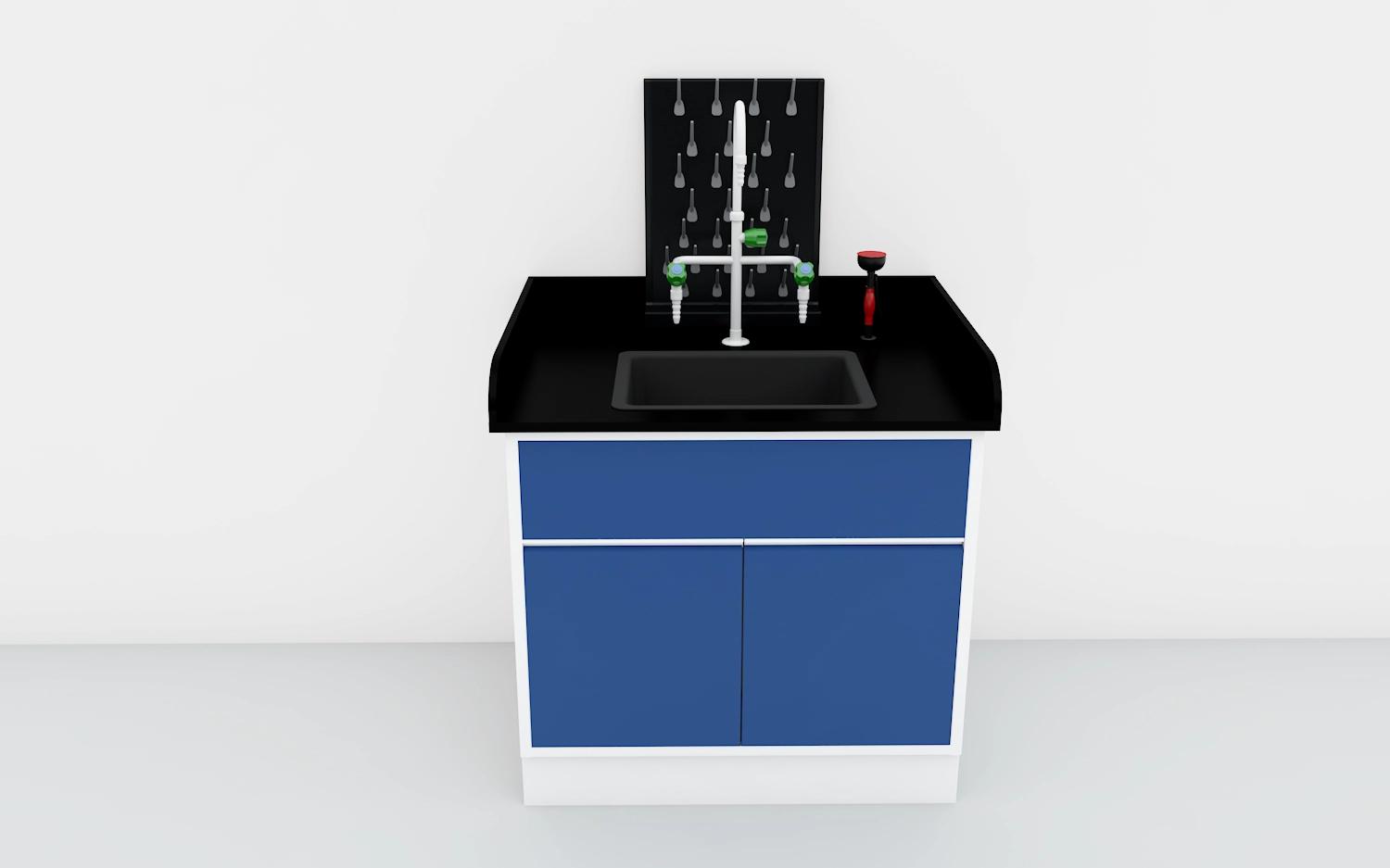
Chemical-Resistant Lab Sink Solutions for Safety and Durability
Top Lab Furniture Design Trends for Modern Laboratories
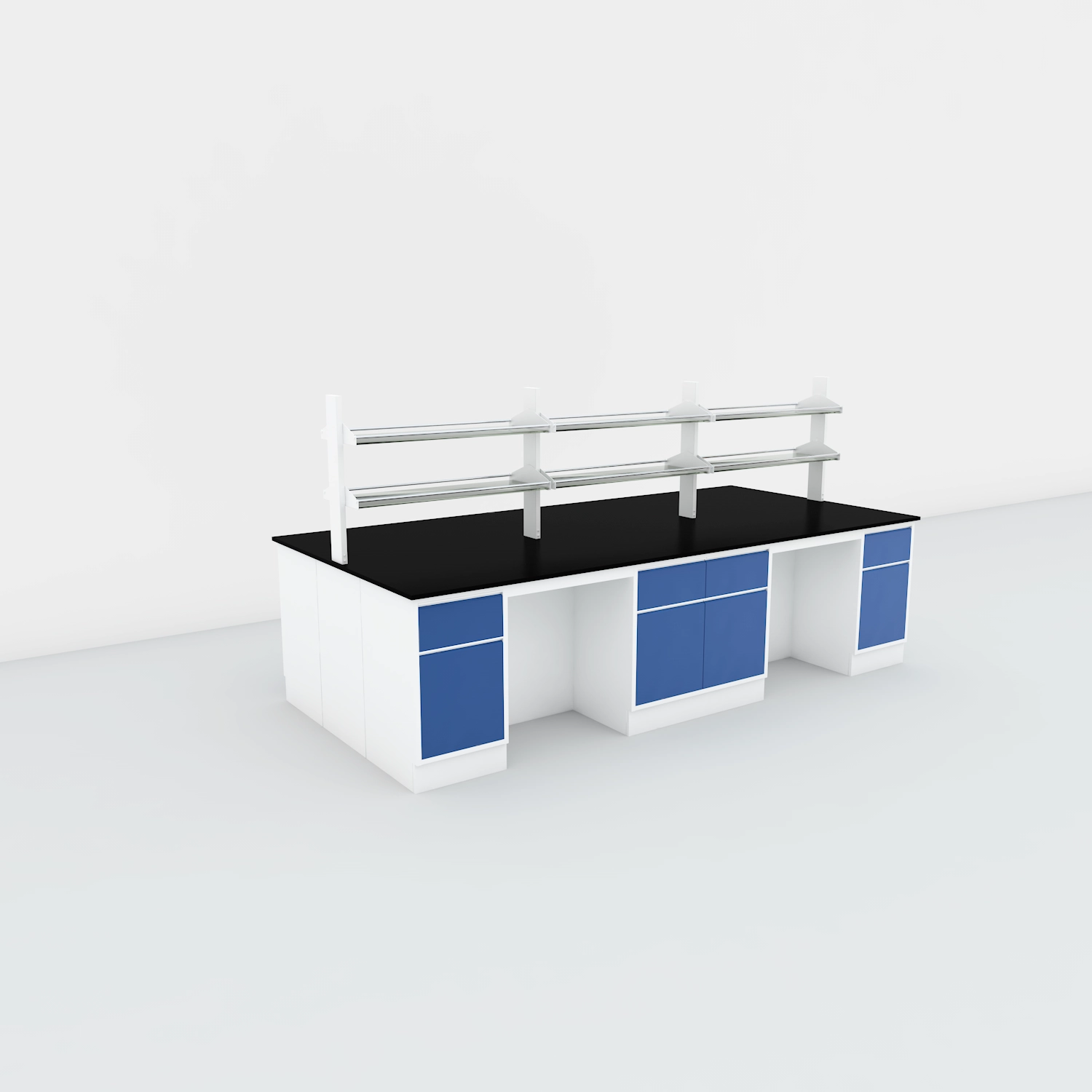
Installing Floor Mounted Lab Benches: What to Expect
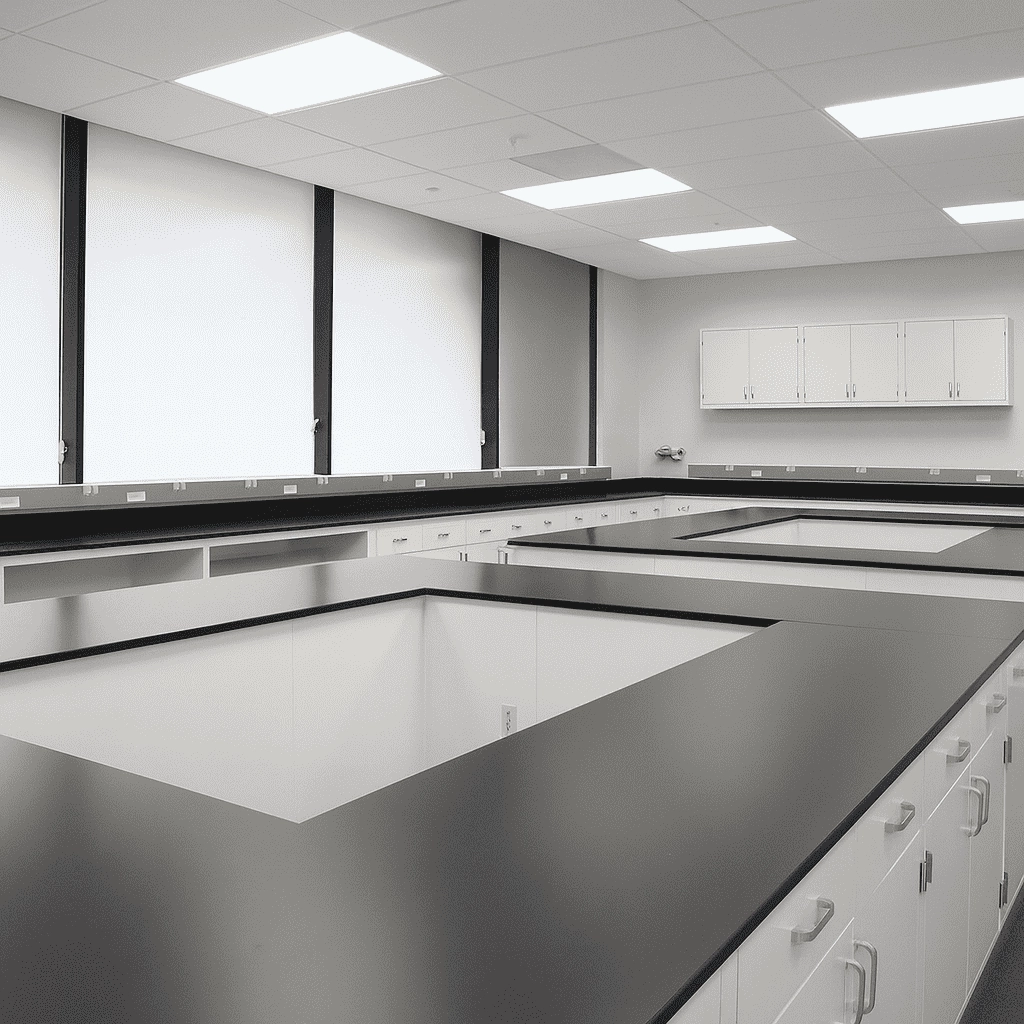
Lab Countertops Spec Sheet: Must-Have Requirements for Buyers
FAQS
How can I request a quote?
Simply contact us or fill out our online form with your project details. Our team will respond promptly with a free quote.
Where are your products manufactured?
All products are manufactured in our advanced facility—the largest laboratory furniture factory in Guangzhou—ensuring strict quality control.
For Customization
Can you create a lab design layout for us?
Yes, we'll provide preliminary layout, confirm 3D drawings and rendering drawings.
For Logistics
Do you handle customs clearance for international shipments?
Of course, if you need it, we will handle the customs clearance of international shipments for our customers to ensure that your laboratory furniture arrives on time.
Customization
What kind of laboratory equipment is suitable for customization?
All types of laboratory equipment can be customized, including test benches, fume hoods, hoods, chemical cabinets, exhaust units, etc.

Floor Mounted Lab Bench
Our Floor Mounted Lab Bench is an essential, high-efficiency workspace for laboratories, made from high-quality steel-wood or corrosion-resistant stainless steel materials to ensure exceptional durability and stability. The unique floor-mounted design effectively reduces vibration, optimizes space usage, and provides a safe and tidy laboratory environment.
Customizable storage solutions help organize lab equipment efficiently, while the easy-to-clean surface maintains laboratory hygiene. It is widely suitable for research institutions, educational laboratories, and the chemical and pharmaceutical industries.
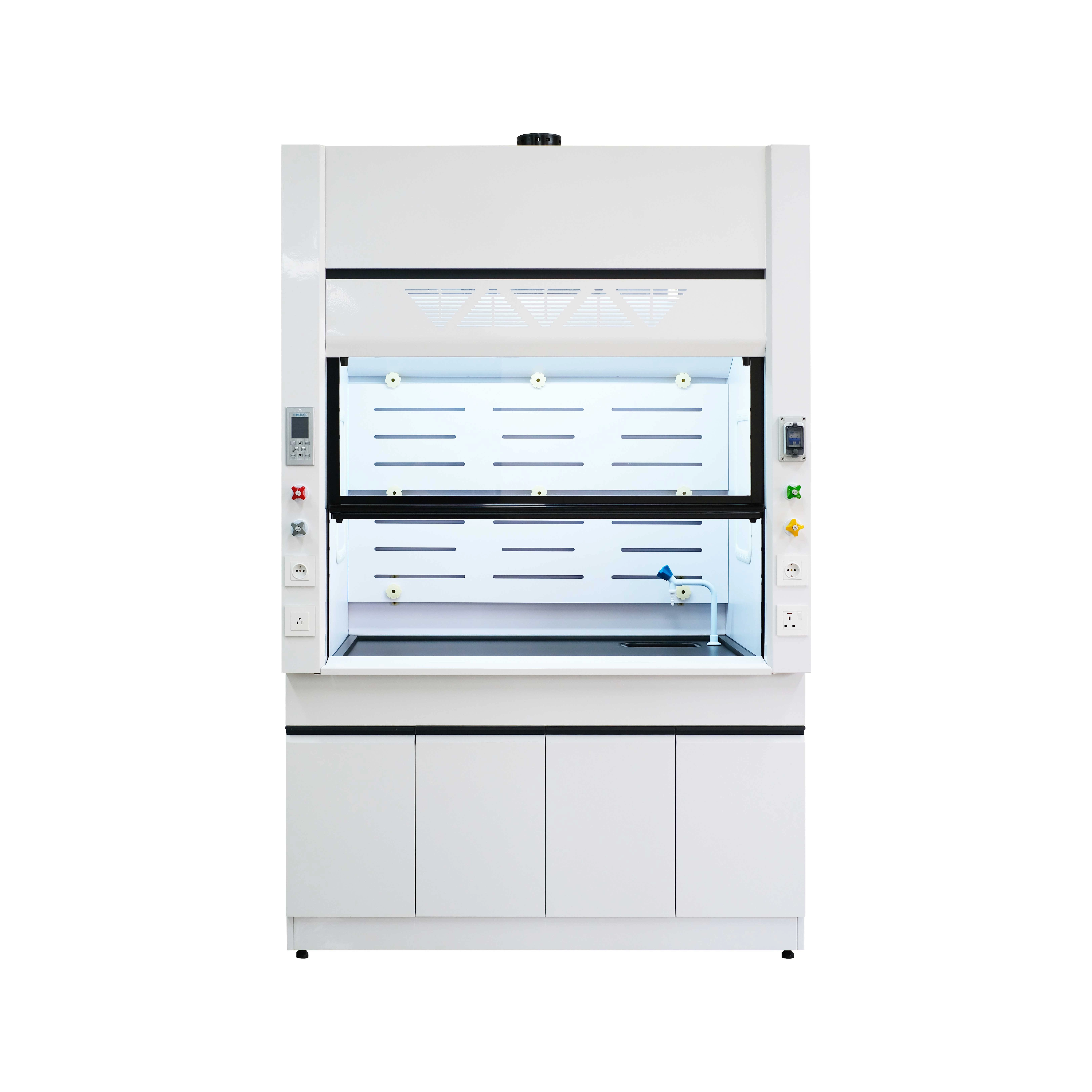
Fume Hood
The fume hood provides safe ventilation to protect against exposure to hazardous or toxic fumes, vapors, or airborne particulate. It is primarily used in laboratory and manufacturing applications to protect the user or environment outside the hood, but can also be used to protect the materials or experiment under the hood.
APPLICATION
Chemistry Lab, physics Lab, biological analysis, pharmaceutical medicine analysis, biological pharmaceutical, plant culture, environmental testing and electronic instrumentation scientific research and so on.
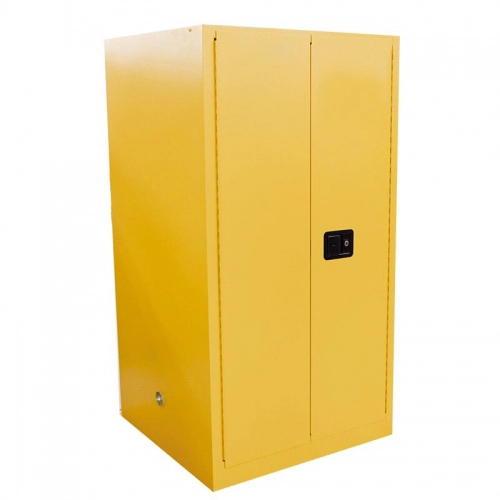
Flammable Storage Cabinet
Safety Cabinets store flammable liquids, corrosives, pesticides and other hazardous materials. All fire-resistant safety cabinets by meet fire codes and regulations for safety storage.
To help protect your people and facility from a potential fire, safety cabinets are engineered to safely contain flammable fuels, solvents, and chemicals. Safety cabinets can not only help everyone store chemicals reasonably, save chemical supplies, but also save human resources, and avoid fires caused by chemicals with the greatest strength.
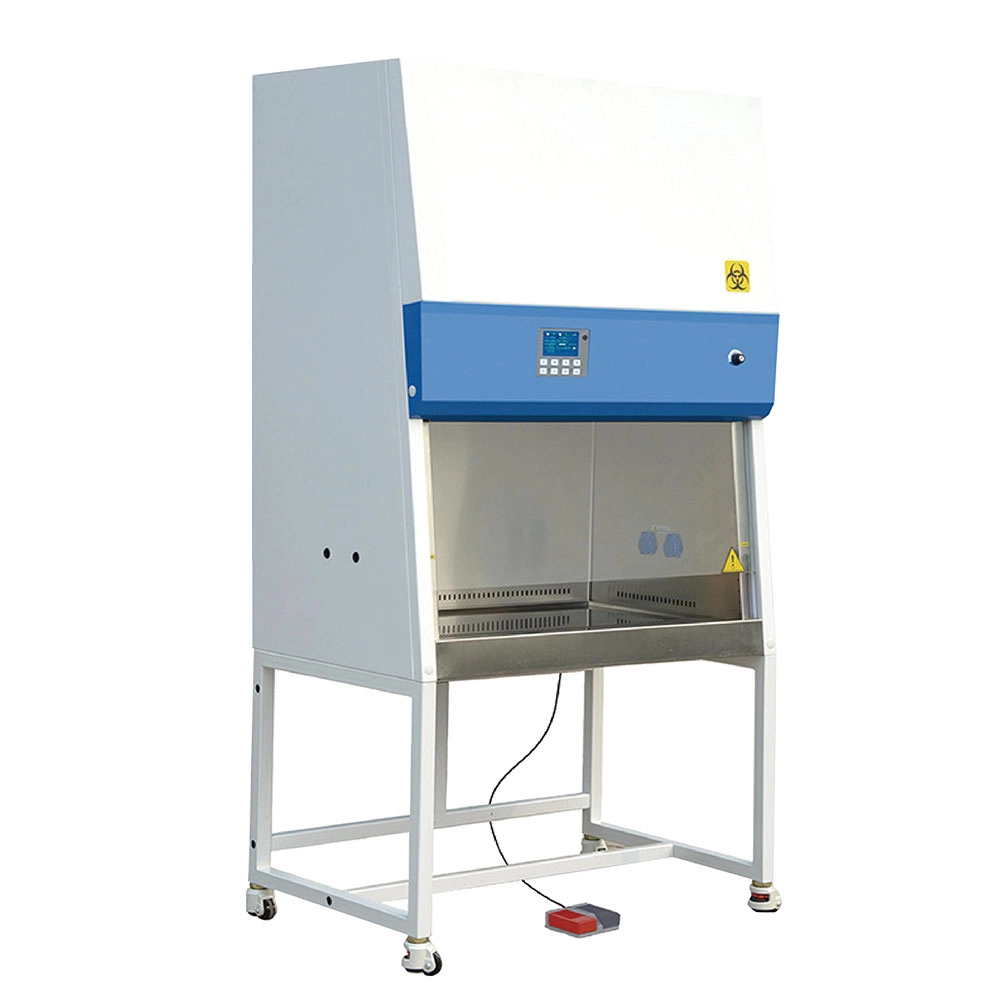
Class II Type A2 Biological Safety Cabinet for Laboratory
The Class II A2 Biological Safety Cabinet is designed to provide superior biosafety and contamination control for laboratories, research facilities, and clinical settings. With 70% air recirculation and 30% air exhaust, this cabinet ensures a safe and efficient work environment while protecting both the user and the samples.
Equipped with advanced features like a HEPA filtration system, motorized front window, and ergonomic design, this cabinet is a must-have for safe and reliable biological research.

 Scan QR Code
MaxLabFurniture
MaxLab Furniture
daihongada
Max Laboratory