
Safety and Compliance in Lab Furniture Design
- Designing Labs for Safety: Principles Every Stakeholder Should Know
- Why lab furniture design matters for safety and compliance
- Key outcomes from compliant lab furniture design
- Standards and regulations that shape lab furniture design
- Materials selection in lab furniture design: durability, emissions, and chemical resistance
- Comparison of common worktop materials
- Ventilation, fume hood integration, and containment strategies in lab furniture design
- Design checklist for ventilation compatibility
- Ergonomics, accessibility, and human factors in lab furniture design
- Best-practice ergonomic parameters
- Fire safety, chemical storage, and segregation in lab furniture design
- Testing, quality control, and verifying manufacturer claims
- Cost vs. compliance: making procurement decisions that avoid hidden costs
- Simple TCO comparison (illustrative)
- Manufacturer selection: questions to vet suppliers of lab furniture design
- MAX LAB company profile: production capacity, quality controls, and product range
- Implementation roadmap: from specification to commissioning
- Conclusion: balancing safety, compliance, and operational needs in lab furniture design
- Frequently Asked Questions (FAQ)
- 1. What standards should I request from a lab furniture manufacturer?
- 2. Which worktop material is best for chemical resistance?
- 3. How do I ensure a fume hood will perform properly once installed?
- 4. Are low-cost lab furniture options worth the savings?
- 5. How should chemical storage be integrated into lab furniture design?
- 6. What documentation should be retained for future audits?
- References
Designing Labs for Safety: Principles Every Stakeholder Should Know
Lab furniture design sets the foundation for safe, compliant, and efficient laboratory operations. From choice of worktops and storage to integration of fume hoods and utilities, decisions made at the design stage determine chemical exposure risk, fire-load, ergonomics, and long-term maintenance costs. This article outlines the technical and regulatory considerations that architects, lab managers, and procurement specialists must address to achieve robust safety and compliance in lab furniture design.
Why lab furniture design matters for safety and compliance
Lab furniture is not merely cosmetic or functional; it is a primary safety control. Well-designed lab benches and storage can reduce spill risk, support proper segregation of incompatible chemicals, and integrate safety systems (such as ventilation, emergency shutoffs, and containment). Conversely, poor materials or layout choices can increase exposure to toxins, accelerate equipment degradation, or fail to meet applicable health and environmental standards.
Key outcomes from compliant lab furniture design
- Reduced exposure incidents through appropriate containment and ventilation integration.
- Improved emergency response capability via accessible safety equipment and clear egress paths.
- Lower lifecycle costs through durable, maintainable materials that meet emission standards.
- Regulatory approval readiness for institutional audits and accreditations (e.g., ISO, GLP environments).
Standards and regulations that shape lab furniture design
Designers must align furniture selection with a matrix of standards: occupational safety guidance, fume hood testing protocols, material emission regulations, and local building/fire codes. Below is a practical comparison table showing common standards and why they matter to lab furniture design.
| Standard / Guideline | Relevant to | Design implication for lab furniture | Source / Use |
|---|---|---|---|
| OSHA Laboratory Safety Guidance | Lab layout, emergency equipment, chemical handling | Requires accessible eyewash/showers, safe storage and segregation, clear egress routes | Operational safety and compliance (OSHA) |
| ASHRAE 110 (Fume Hood Performance) | Fume hood containment testing | Specifies test methods for hood airflow, informing sash design and integration | Fume hood acceptance testing |
| CEN/EN 14175 / National equivalents | Fume cupboard performance | Defines construction and exhaust performance expectations for hoods | European market compliance |
| CARB / Formaldehyde emission limits | Composite wood emissions | Limits formaldehyde in casework materials; influences choice of MDF/plywood adhesives | Material emissions compliance (California & adopted globally) |
| ISO 14644 (Cleanrooms) | Air cleanliness for controlled environments | Impacts selection of easy-to-clean, low-particulate-release surfaces and furniture seams | Cleanroom furniture and finish specifications |
| Local fire and building codes | Fire load, egress, chemical storage | Determines storage capacities for flammables, spacing, and containment measures | Mandatory for facility approval |
References and official links for these standards are included in the references section at the end of this article.
Materials selection in lab furniture design: durability, emissions, and chemical resistance
Material choice drives safety in three main ways: chemical resistance (to spills and cleaning agents), emission profile (VOCs and formaldehyde), and mechanical durability (load-bearing and impact). For heavy chemical use, phenolic resin worktops or Epoxy Resin countertops often provide superior chemical resistance. For cleanrooms and clinical labs, stainless steel or non-porous solid surfaces reduce particle shedding and simplify decontamination.
Comparison of common worktop materials
| Material | Chemical resistance | Emission concerns | Typical uses |
|---|---|---|---|
| Epoxy resin | Excellent; resistant to most acids, alkalis, solvents | Low emissions once cured | Chemistry labs, general wet labs |
| Phenolic resin | Very good chemical resistance, good heat resistance | Low VOCs | Chemistry prep areas, heavy-duty benches |
| Stainless steel (304/316) | Corrosion resistant; vulnerable to some halogenated solvents over time | Inert (no VOCs) | Clinical labs, sterilization areas, cleanrooms |
| Solid surface (e.g., acrylic) | Good general resistance; can be scratched | Depends on binder; choose low-VOC certified products | Teaching labs, benchtops requiring repairs |
Procurement teams should ask manufacturers for third-party emission certifications (CARB, GREENGUARD/UL) and chemical resistance test reports to substantiate claims.
Ventilation, fume hood integration, and containment strategies in lab furniture design
Fume hoods, downdraft benches, and contained enclosures are critical engineered controls. Lab furniture must be designed to interface with these systems: bench heights, utility chase routing, and sash operation all influence hood performance. During design review, require documented ASHRAE 110 or EN 14175 test results for hood models and verify that bench layouts preserve required face velocities and minimize cross-drafts.
Design checklist for ventilation compatibility
- Confirm hood type and certified face velocity (cubic feet per minute per foot).
- Design bench back panels to minimize interference with airflow.
- Route gas, water, and electrical utilities away from hood exhaust to avoid contamination and backflow risks.
- Ensure sash dimensions allow ergonomic access without compromising containment.
Ergonomics, accessibility, and human factors in lab furniture design
Human error contributes to many incidents. Ergonomic design reduces fatigue-related errors and improves productivity. Adjustable-height benches, appropriate reach distances for storage cabinets, and clear labeling reduce handling time and the risk of spills. Design for maintenance access to valves and utilities and consider universal design principles to accommodate different users.
Best-practice ergonomic parameters
- Work surface height: adjustable ranges 700–1100 mm depending on seated/standing tasks.
- Storage reach zones: most-used items within 300–600 mm horizontally and 900–1200 mm vertically.
- Leg clearance and knee space for seated work: 650 mm width, 600 mm depth minimum.
Fire safety, chemical storage, and segregation in lab furniture design
Furniture design must accommodate approved flammable and corrosive storage cabinets, with secondary containment where needed. Layout must maintain appropriate separation distances and not obstruct fire doors or egress. Use of non-combustible or flame-retardant finishes in high-risk areas reduces fire-load. Coordinate with local fire marshals early in the design process.
Testing, quality control, and verifying manufacturer claims
When specifying lab furniture, require the following documentation from suppliers to validate safety and compliance:
- Third-party test reports for fume hood performance (ASHRAE 110 or EN 14175).
- Material certification for chemical resistance and emissions (CARB, GREENGUARD).
- Factory quality control protocols and product traceability records.
- Warranty terms and maintenance manuals.
On-site acceptance testing after installation (e.g., fume hood containment, airflow balancing) is non-negotiable for critical environments.
Cost vs. compliance: making procurement decisions that avoid hidden costs
Purchasing the cheapest lab furniture often leads to higher lifecycle costs: early failure, higher emissions, more frequent replacement, and potential regulatory non-compliance. Evaluate total cost of ownership (TCO): up-front cost, durability, maintenance, replacement cycles, and impact on ventilation (e.g., inadequate furniture can increase HVAC loads and energy costs).
Simple TCO comparison (illustrative)
| Item | Initial cost | Expected service life | Maintenance & replacement risk |
|---|---|---|---|
| Low-cost MDF benches (non-CARB compliant) | Low | 3–5 years | High (delamination, VOC concerns) |
| Epoxy/phenolic worktops, stainless frames | Moderate–High | 10–20 years | Low (reliable, repairable) |
Manufacturer selection: questions to vet suppliers of lab furniture design
When evaluating vendors, ask for specifics rather than marketing claims. Essential questions include:
- Can you provide third-party testing and certification documents for the products? (emissions, hood performance)
- What are your quality control processes and factory inspection records?
- Do you supply installation and on-site commissioning, including hood airflow validation?
- What warranty and spare parts support do you offer globally?
MAX LAB company profile: production capacity, quality controls, and product range
Founded in 2000, Guangzhou Max Laboratory Equipment Co., Ltd. (MAX LAB) is a leading manufacturer that integrates the design, production, and sales of laboratory furniture and equipment. With over 15 years of export experience, our founder has led the company to serve clients in more than 60 countries and regions, earning a reputation for reliability and excellence. Guided by our core values—Quality First, Delivery First, Price First, and Service First—we are committed to delivering superior laboratory solutions that meet the highest global standards.Our 5,000 m² factory in Guangzhou is equipped with advanced German-imported machinery and operates under modern management systems to ensure precision and consistency. With three standardized production lines and a well-stocked modular inventory, we achieve production efficiency and delivery times up to 30% faster than industry peers.At MAX LAB, we insist on stringent quality control for every product before it leaves the factory. Using materials from leading global suppliers, we ensure that every item—from lab furniture and storage cabinets to fume hoods and countertops—meets international quality and environmental standards. Our dedication to innovation, efficiency, and customer satisfaction has made MAX LAB a trusted partner in laboratory projects worldwide.
MAX LAB advantages and main products include:
- Laboratory furniture expertise with modular designs tailored for easy integration into ventilation and utility systems.
- High-quality lab storage cabinets built to regulatory standards for chemical and flammable storage.
- Certified fume hoods and fume cupboards tested to international performance norms.
- Durable lab countertops and epoxy worktops with proven chemical resistance.
- Custom lab benches engineered for ergonomic and load-bearing requirements.
- Purifying equipment and anti-vibration tables for sensitive instrumentation environments.
Implementation roadmap: from specification to commissioning
Follow a staged approach to ensure safety and compliance deliverables:
- Define functional program and hazard matrix for the lab space.
- Specify materials, finishes, and equipment with required standards and test reports as contract deliverables.
- Procure from vetted manufacturers with documented QC and inspection regimes.
- Oversee delivery and installation; preserve packaging until on-site inspections are complete.
- Conduct commissioning tests: fume hood containment, airflow balancing, and emergency equipment verification.
- File documentation and maintenance plans for future audits and accreditation reviews.
Conclusion: balancing safety, compliance, and operational needs in lab furniture design
Safety and compliance are integral to lab furniture design—not optional extras. By prioritizing certified materials, validated ventilation systems, ergonomic layouts, and strict manufacturer vetting, stakeholders can achieve environments that protect people, data, and investment. Thoughtful design and disciplined procurement reduce long-term costs and enhance research quality.
Frequently Asked Questions (FAQ)
1. What standards should I request from a lab furniture manufacturer?
Request fume hood test reports (ASHRAE 110 or EN 14175), material emission certifications (CARB, GREENGUARD/UL), and documented factory quality control processes. Also verify compliance with local building and fire codes.
2. Which worktop material is best for chemical resistance?
Epoxy resin and phenolic resin worktops are generally the best choices for chemical resistance. Stainless steel is excellent for clinical and cleanroom applications. The ideal choice depends on the chemicals used and the required maintenance regime.
3. How do I ensure a fume hood will perform properly once installed?
Require factory test certificates and perform on-site commissioning with ASHRAE 110 or equivalent containment testing after installation. Ensure the lab layout minimizes cross-drafts and that HVAC settings are balanced for the installed hood.
4. Are low-cost lab furniture options worth the savings?
Often not. Lower initial cost can result in higher lifecycle costs due to premature failure, higher emissions, or non-compliance. Evaluate total cost of ownership, including maintenance, replacement, and regulatory risk.
5. How should chemical storage be integrated into lab furniture design?
Use purpose-built flammable and corrosive storage cabinets that meet local fire codes. Design the layout for proper segregation of incompatibles, secondary containment where required, and clear access for emergency response.
6. What documentation should be retained for future audits?
Keep procurement specs, manufacturer test reports and certifications, factory QC records, installation and commissioning test results, and maintenance schedules. These documents demonstrate due diligence during audits.
For project inquiries, specification support, or to view MAX LAB product catalogs and technical datasheets (lab storage cabinets, fume hoods, lab countertops, lab benches, purifying equipment, anti-vibration tables), contact MAX LAB’s sales and technical team for tailored solutions and on-site consultation.
References
- OSHA Laboratory Safety Guidance — Occupational Safety and Health Administration. https://www.osha.gov/laboratory-safety (accessed 2025-11-24).
- ASHRAE 110-2016 Method of Testing Performance of Laboratory Fume Hoods — ASHRAE. https://www.ashrae.org/ (accessed 2025-11-24).
- CEN/EN 14175 Series — Fume Cupboards — European Committee for Standardization. https://www.cencenelec.eu/ (accessed 2025-11-24).
- California Air Resources Board (CARB) — Formaldehyde Emission Standards for Composite Wood. https://ww2.arb.ca.gov/our-work/programs/formaldehyde (accessed 2025-11-24).
- ISO 14644 Series — Cleanrooms and associated controlled environments. https://www.iso.org/standard/53394. (accessed 2025-11-24).
- UL GREENGUARD Certification Information — UL Solutions. https://www.ul.com/resources/ul-greenguard-certification (accessed 2025-11-24).
- CDC Laboratory Safety — Centers for Disease Control and Prevention. https://www.cdc.gov/labsafety/ (accessed 2025-11-24).
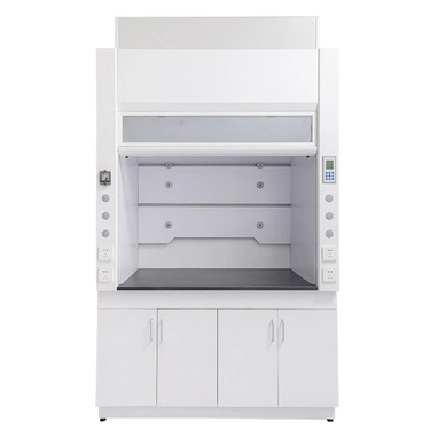
Fume Hood Installation Checklist for Procurement Teams
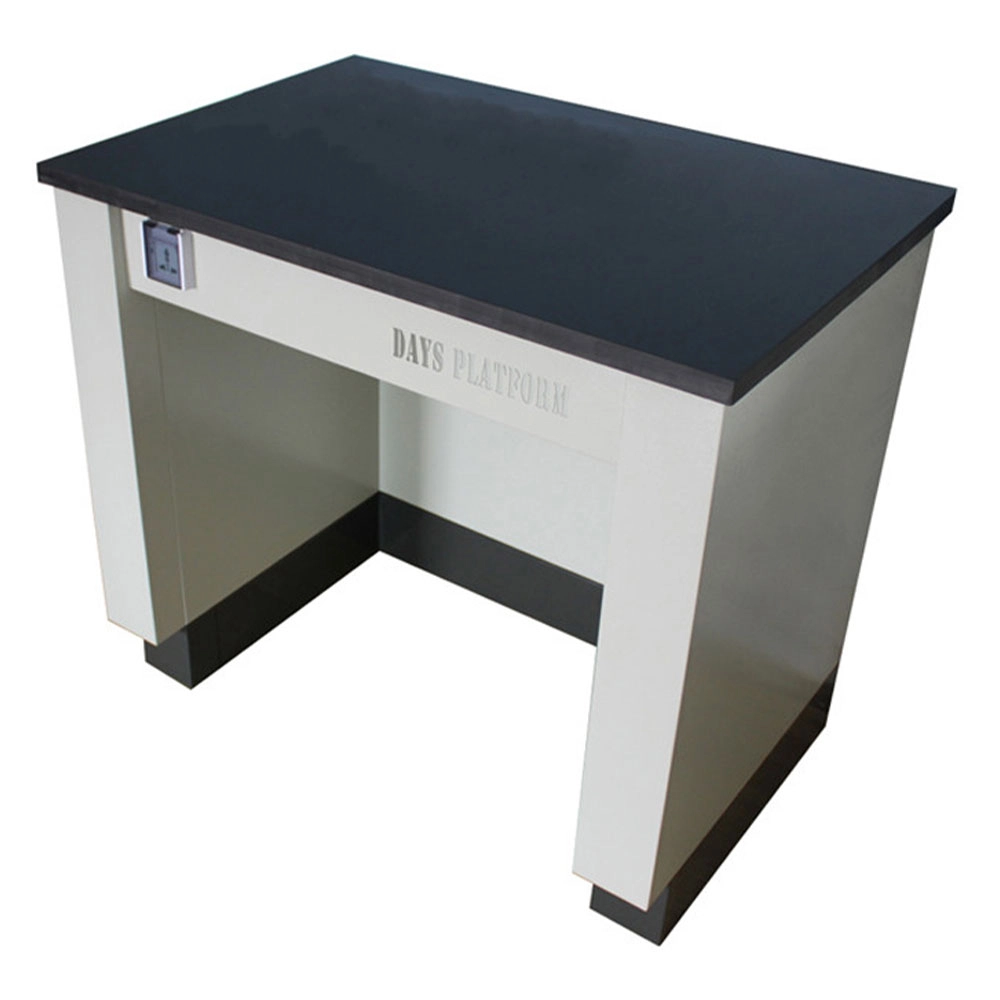
How Anti-vibration Tables & Balance Tables BT-03 improve accuracy
Ergonomic Principles in Lab Furniture Design
What are the different types of Laboratory?
Customization
How do I start a customized service?
Please contact our sales or technical support team for an initial enquiry. We will provide detailed customized recommendations and quotes according to your needs.
About Solution
Do you provide laboratory layout design service?
Yes, we provide professional laboratory layout design service to optimize space utilization and workflow according to customer's site and usage requirements.
How to ensure the safety performance of the fume hood?
Our fume hoods adopt high-efficiency filtration system and intelligent air speed control technology to ensure that harmful gases are effectively eliminated during experiments and protect users' health.
For Products
May I have my own design?
Yes, welcome. If you have your own design, please kindly send the Layout or plan to us. The designer team will make 3D drawings and Rendering drawings.
For Company
What sets your company apart from other lab furniture providers?
Our commitment to quality, innovation, and customer satisfaction sets us apart. We offer customized solutions, high-quality materials, and a full range of laboratory furniture and equipment to ensure optimal functionality and safety for every lab.

Floor Mounted Lab Bench
Our Floor Mounted Lab Bench is an essential, high-efficiency workspace for laboratories, made from high-quality steel-wood or corrosion-resistant stainless steel materials to ensure exceptional durability and stability. The unique floor-mounted design effectively reduces vibration, optimizes space usage, and provides a safe and tidy laboratory environment.
Customizable storage solutions help organize lab equipment efficiently, while the easy-to-clean surface maintains laboratory hygiene. It is widely suitable for research institutions, educational laboratories, and the chemical and pharmaceutical industries.
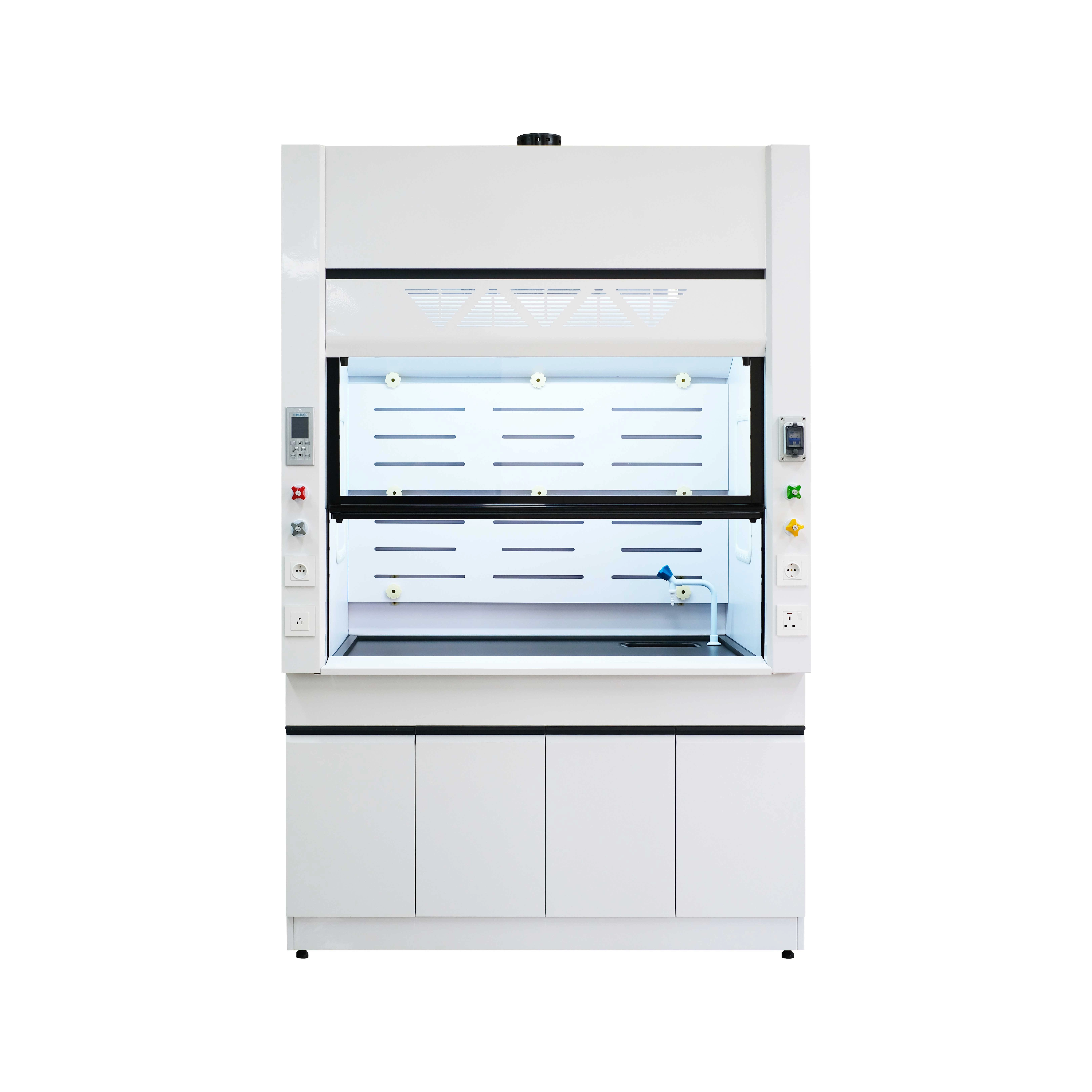
Fume Hood
The fume hood provides safe ventilation to protect against exposure to hazardous or toxic fumes, vapors, or airborne particulate. It is primarily used in laboratory and manufacturing applications to protect the user or environment outside the hood, but can also be used to protect the materials or experiment under the hood.
APPLICATION
Chemistry Lab, physics Lab, biological analysis, pharmaceutical medicine analysis, biological pharmaceutical, plant culture, environmental testing and electronic instrumentation scientific research and so on.
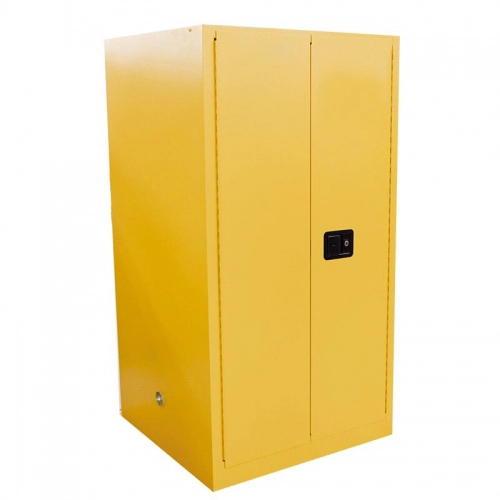
Flammable Storage Cabinet
Safety Cabinets store flammable liquids, corrosives, pesticides and other hazardous materials. All fire-resistant safety cabinets by meet fire codes and regulations for safety storage.
To help protect your people and facility from a potential fire, safety cabinets are engineered to safely contain flammable fuels, solvents, and chemicals. Safety cabinets can not only help everyone store chemicals reasonably, save chemical supplies, but also save human resources, and avoid fires caused by chemicals with the greatest strength.
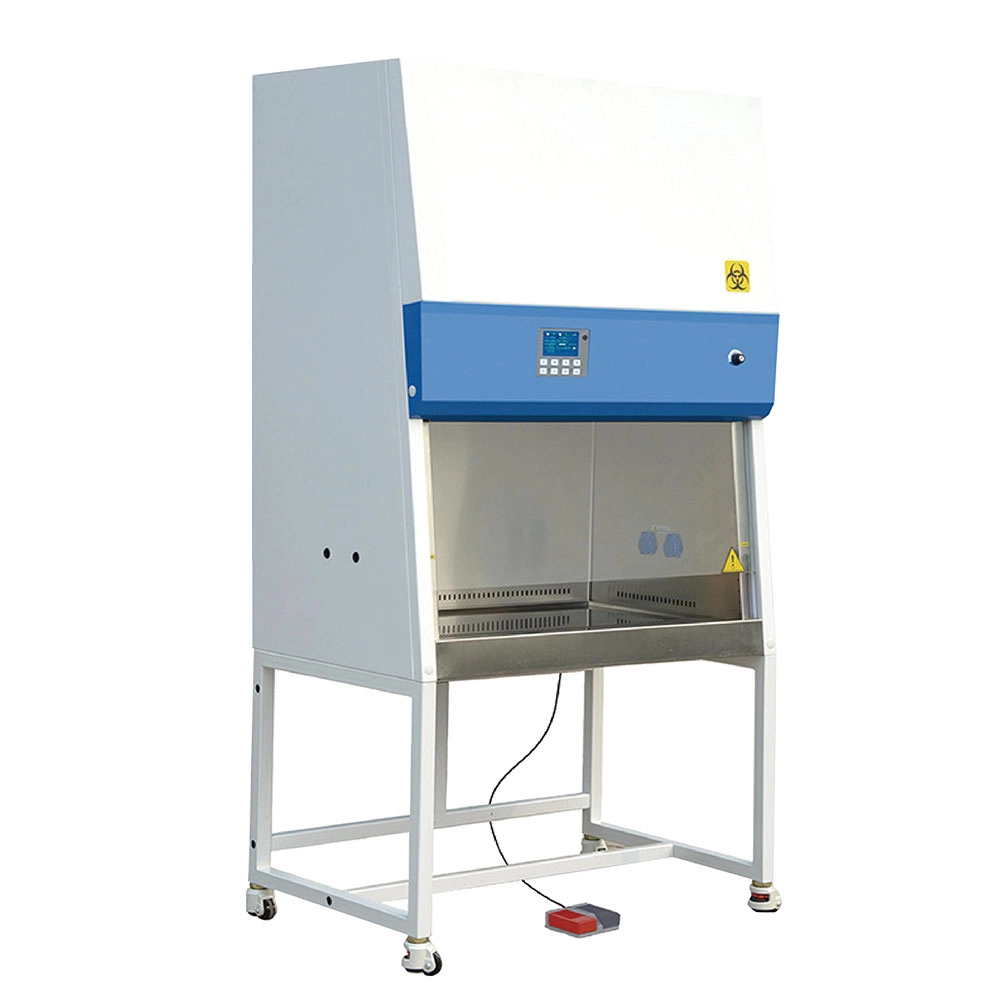
Class II Type A2 Biological Safety Cabinet for Laboratory
The Class II A2 Biological Safety Cabinet is designed to provide superior biosafety and contamination control for laboratories, research facilities, and clinical settings. With 70% air recirculation and 30% air exhaust, this cabinet ensures a safe and efficient work environment while protecting both the user and the samples.
Equipped with advanced features like a HEPA filtration system, motorized front window, and ergonomic design, this cabinet is a must-have for safe and reliable biological research.

 Scan QR Code
MaxLabFurniture
MaxLab Furniture
daihongada
Max Laboratory