
Resource
- Understanding Biological Safety Cabinets: A Comprehensive Guide for Laboratory Professionals
- 1. What Are Biological Safety Cabinets (BSCs)?
- 2. What Are the Different Classes and Types of BSCs?
- 3. How Do I Select the Appropriate BSC for My Facility?
- 4. What Are the Maintenance and Certification Requirements for BSCs?
- 5. What Are the Safety Protocols for Using a BSC?
- 6. How Do BSCs Differ from Other Laboratory Equipment?
- 7. What Are the Regulatory Standards for BSCs?
- 8. How Does MAXLAB Ensure the Quality and Safety of Its BSCs?
Which Class II Biological Safety Cabinet Best Fits Your Facility?
Understanding Biological Safety Cabinets: A Comprehensive Guide for Laboratory Professionals
As a laboratory professional, ensuring the safety of personnel, products, and the environment is paramount when handling biohazardous materials. Biological Safety Cabinets (BSCs) are critical in achieving this protection. This guide addresses common questions to assist you in selecting and maintaining the appropriate BSC for your facility.
1. What Are Biological Safety Cabinets (BSCs)?
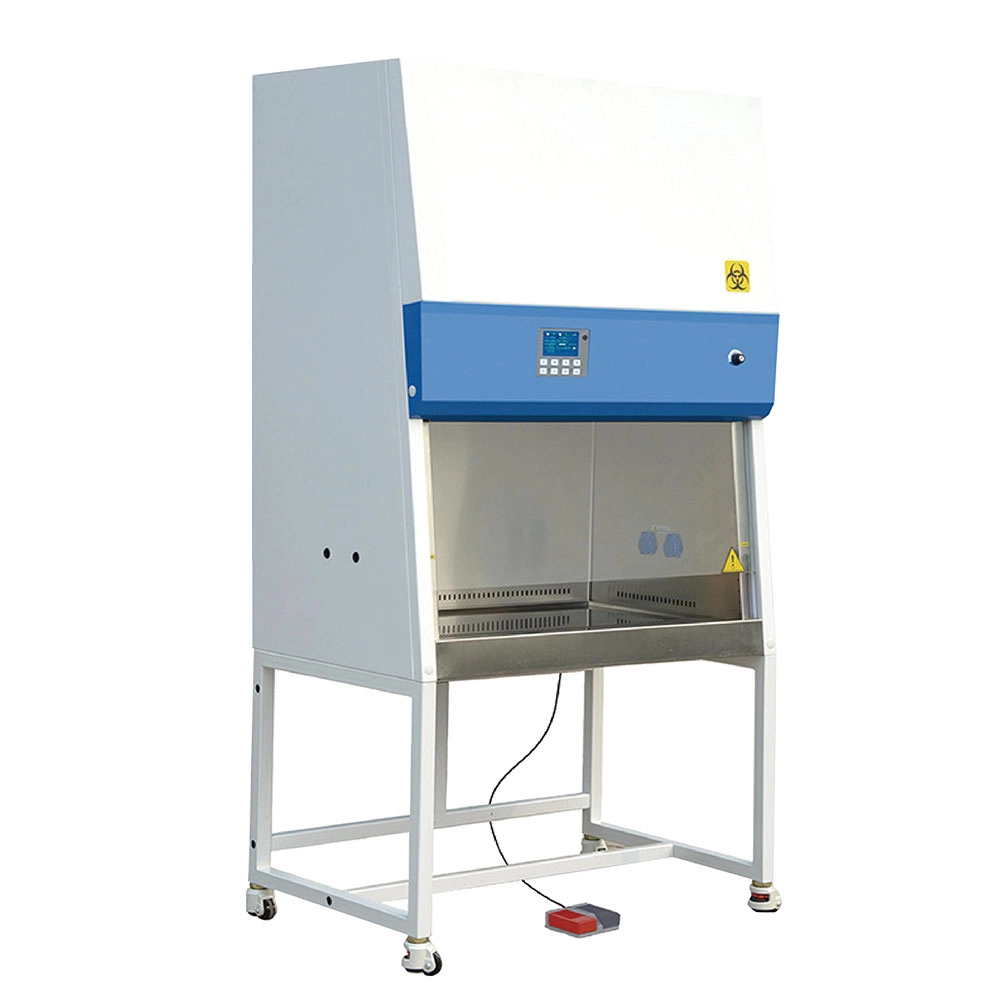
Biological Safety Cabinets are ventilated enclosures designed to provide containment and protection when working with biohazardous agents. They utilize high-efficiency particulate air (HEPA) filters to capture airborne contaminants, ensuring a sterile environment for both the user and the samples.
2. What Are the Different Classes and Types of BSCs?
BSCs are classified into three main classes, each offering varying levels of protection:
Class I: Provides personnel and environmental protection but does not protect the product. Suitable for work involving low to moderate-risk agents.
Class II: Offers protection for personnel, product, and the environment. Subtypes include:
- Type A1: Recirculates 70% of air within the cabinet and exhausts 30% into the room. Not suitable for work with volatile chemicals.
- Type A2: Similar to Type A1 but with increased inflow velocity, allowing for minimal use with volatile chemicals if connected to the building's exhaust system.
- Type B1: Recirculates 30% of air and exhausts 70% outdoors. Suitable for work with minute quantities of volatile chemicals and radionuclides.
- Type B2: Exhausts 100% of air outdoors, providing maximum protection. Suitable for work with significant quantities of volatile chemicals and radionuclides.
Class III: A gas-tight enclosure offering the highest level of protection, suitable for work with high-risk agents. Operations are conducted through attached rubber gloves.
3. How Do I Select the Appropriate BSC for My Facility?
When choosing a BSC, consider the following factors:
Nature of Work: Determine the biosafety level of the agents you will handle and select a BSC that provides adequate protection.
Chemical Use: Assess whether your work involves volatile chemicals or radionuclides, as certain BSC types are designed to handle these substances safely.
Facility Requirements: Ensure that the BSC's exhaust system aligns with your laboratory's ventilation capabilities.
Maintenance and Certification: Regular maintenance and annual certification are essential to ensure the BSC operates effectively. Consult with certified vendors for these services.
4. What Are the Maintenance and Certification Requirements for BSCs?
Proper maintenance and certification are crucial for the safe operation of BSCs:
Initial Certification: Before first use, have the BSC certified by a qualified technician to ensure it meets performance standards.
Annual Certification: Schedule annual certifications to maintain optimal performance and safety.
Maintenance: Regularly clean and decontaminate the BSC, following the manufacturer's guidelines and institutional protocols.
5. What Are the Safety Protocols for Using a BSC?
To ensure safety when using a BSC:
Training: Receive proper training on BSC operation and biosafety practices.
Personal Protective Equipment (PPE): Always wear appropriate PPE, such as gloves and lab coats, when working with biohazardous materials.
Work Practices: Follow standard operating procedures, including proper decontamination techniques and emergency response plans.
Regular Inspections: Conduct routine checks to ensure the BSC is functioning correctly and address any issues promptly.
6. How Do BSCs Differ from Other Laboratory Equipment?
It's important to distinguish BSCs from other equipment:
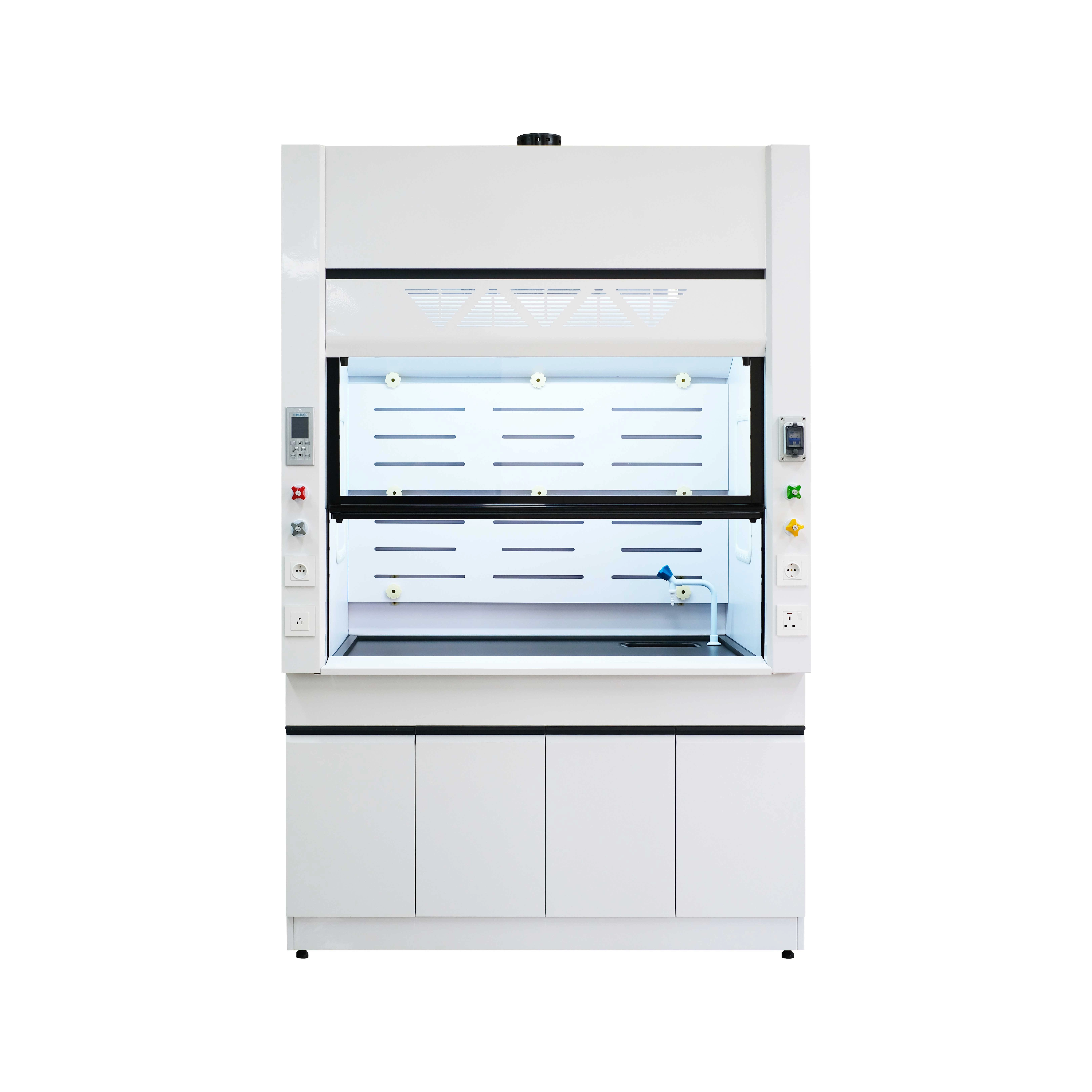
Fume Hoods: Designed to protect the user from chemical fumes, fume hoods do not provide protection for the product and are not suitable for work with biohazardous materials.
Laminar Flow Hoods: Provide a sterile environment for the product but do not protect the user or the environment from biohazardous agents.
Understanding these differences ensures the appropriate selection and use of laboratory equipment.
7. What Are the Regulatory Standards for BSCs?
BSCs must comply with specific standards to ensure safety and performance:
NSF/ANSI 49: Specifies the design, construction, and performance requirements for Class II BSCs.
EN 12469: European standard for microbiological safety cabinets, outlining performance criteria.
Adhering to these standards ensures that BSCs provide the necessary protection in laboratory settings.
8. How Does MAXLAB Ensure the Quality and Safety of Its BSCs?
MAXLAB is committed to providing high-quality BSCs that meet international standards. Our cabinets are designed with advanced features to ensure optimal protection for personnel, products, and the environment. We offer comprehensive support, including installation, maintenance, and certification services, to ensure the safe and effective operation of our BSCs in your facility.
By understanding the essential aspects of Biological Safety Cabinets, you can make informed decisions to enhance safety and compliance in your laboratory operations.
References:
(https://www.ehs.washington.edu/biological/biological-safety-cabinets)
(https://safety.umbc.edu/occupational-safety/biosafety/biosafety-cabinets/)
(https://www.escolifesciences.com/products/biological-safety-cabinet)
(https://www.lsuhsc.edu/admin/pfm/ehs/biological_safety_cabinets.aspx)
(https://icahn.mssm.edu/research/institutional-biosafety/biological-safety-cabinet)
(https://www1.udel.edu/ehs/research/biological/class-two-cabinets.html)
(https://ehs.wisc.edu/labs-research/biological-safety/biological-safety-cabinets/)
(https://ehs.mit.edu/biological-program/biological-biosafety-cabinets/)
(https://ehs.ucr.edu/laboratory/biosafety/biologicalsafetycabinets)
Note: The information provided is based on current standards and practices. Always consult with certified professionals and refer to the latest guidelines when selecting and operating Biological Safety Cabinets.
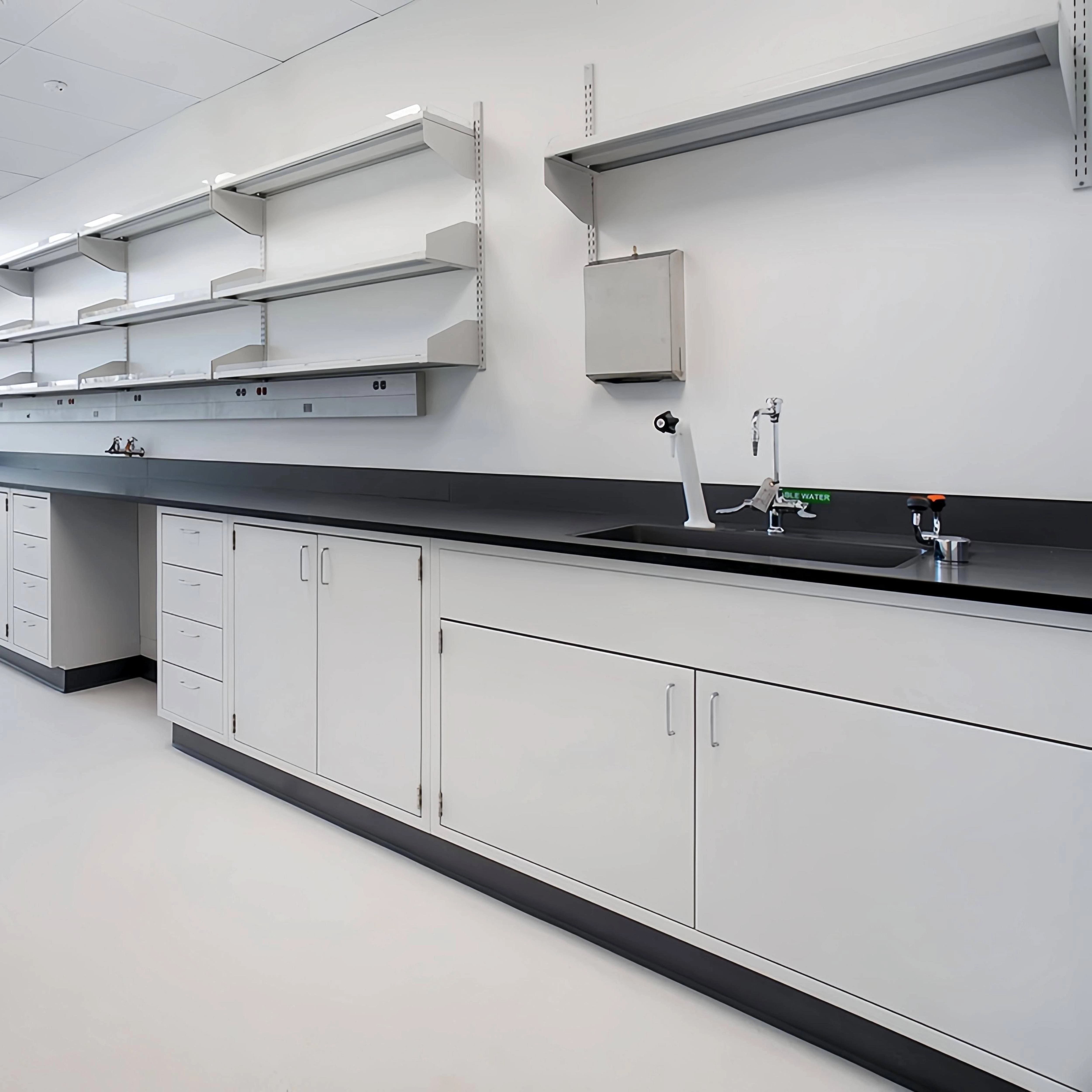
Why We Choose to Be Your Lab Furniture Solution Provider, Not Just a Manufacturer
Max Lab Introduction
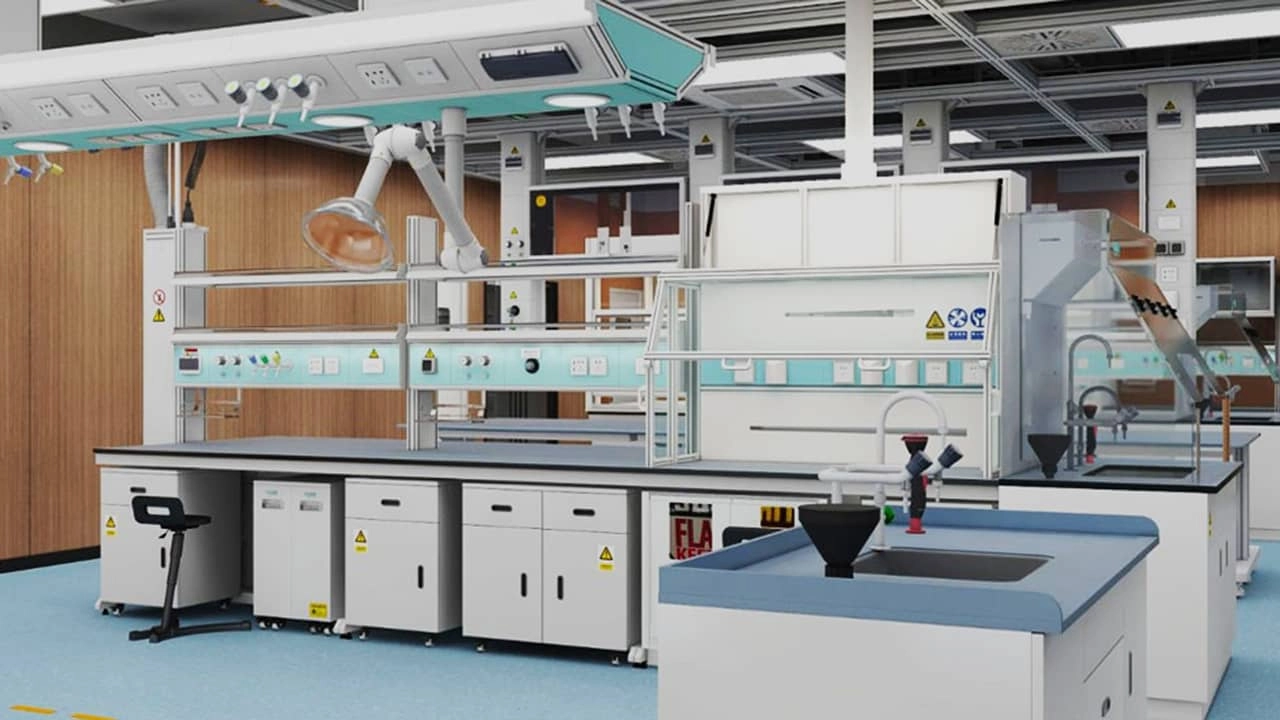
Electronics Lab Bench vs Chemistry Lab Bench: What You Need to Know
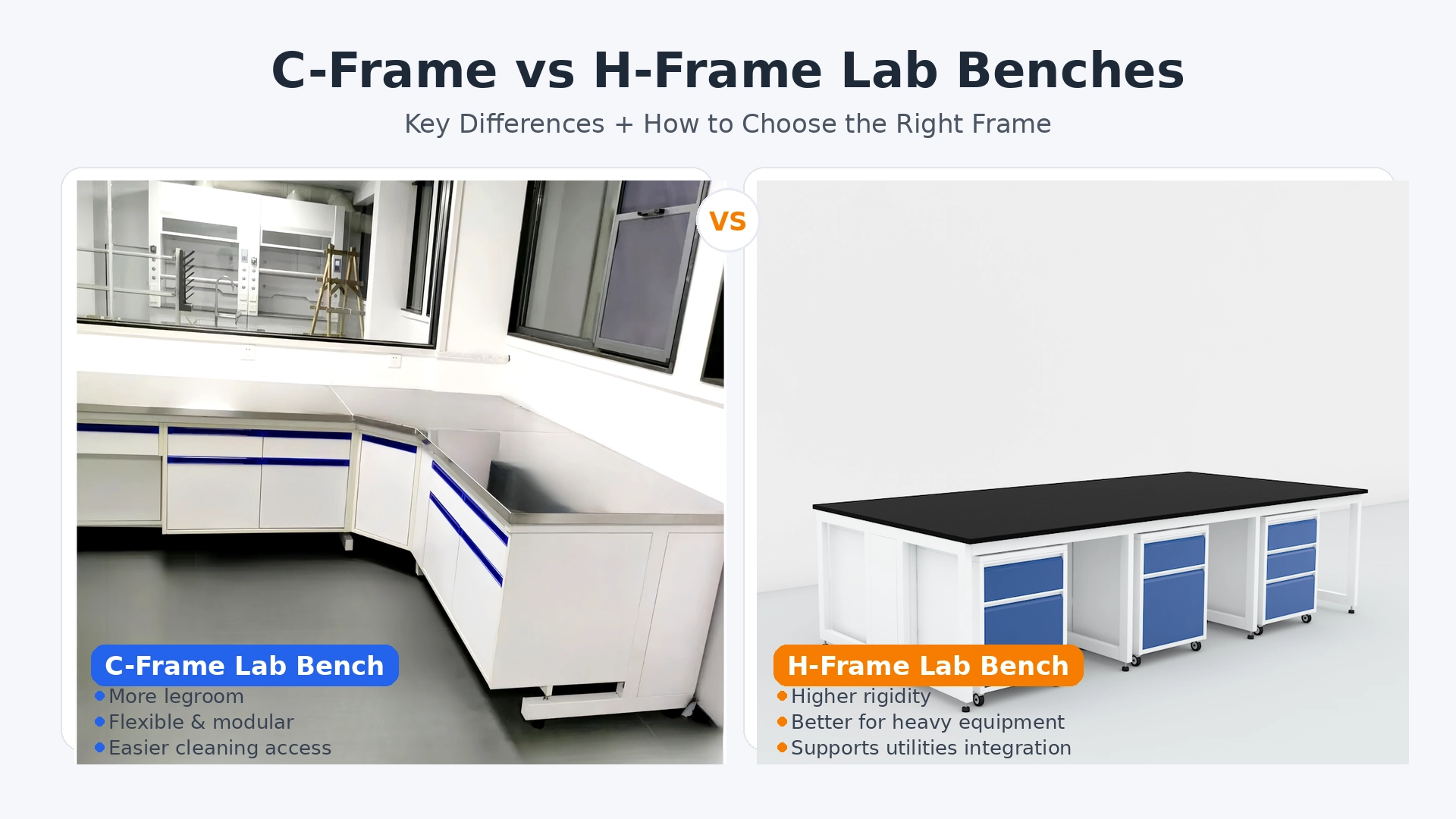
C-Frame vs H-Frame Lab Benches: How to Choose the Right Support Structure
For After-Sales Support
Why choose your company?
We have been engaged in the manufacturing of various packing machines professionally over 15 years, and we can provide better after-sales service.
For Company
Do you offer our design service from scratch?
Yes, we provide full design support tailored to your lab’s specific needs, including layout planning and furniture customization.
For Customization
Can I make changes to my order once it has been placed?
We offer limited flexibility to make changes to your order after it has been placed. Contact our sales team as soon as possible if you need to make modifications.
For Products
What materials do you use for your furniture?
We use a variety of durable materials such as stainless steel, steel wood, PP and wood composites. Our countertop materials are phenolic resin, epoxy resin, ceramic, trespa and granite, depending on your lab’s needs.
For Logistics
How do you ensure the safety of items during shipping?
We have 15 years of experience in loading, fragile goods are packed in plywood boxes to ensure that they will not be damaged during transportation.

Get in touch with us
If you have any comments or good suggestions, please leave us a message; later our professional staff will contact you as soon as possible.

 Scan QR Code
MaxLabFurniture
MaxLab Furniture
daihongada
Max Laboratory