
Resource
- Maximizing Energy Efficiency in Laboratory Fume Cupboards
- 1. What are the primary factors affecting the energy efficiency of laboratory fume cupboards?
- 2. How can fume cupboard design contribute to energy efficiency?
- 3. What operational practices can improve the energy efficiency of fume cupboards?
- 4. How do advanced technologies enhance the energy efficiency of fume cupboards?
- 5. What standards and guidelines should be considered when selecting energy-efficient fume cupboards?
- 6. How can laboratory managers assess the energy efficiency of their existing fume cupboards?
- 7. What are the potential cost savings from implementing energy-efficient fume cupboards?
- 8. How does the choice of fume cupboard impact laboratory sustainability goals?
- Conclusion: Why Choose MAXLAB for Your Laboratory Furniture Needs?
How to reduce energy costs without sacrificing fume cupboard safety?
Maximizing Energy Efficiency in Laboratory Fume Cupboards
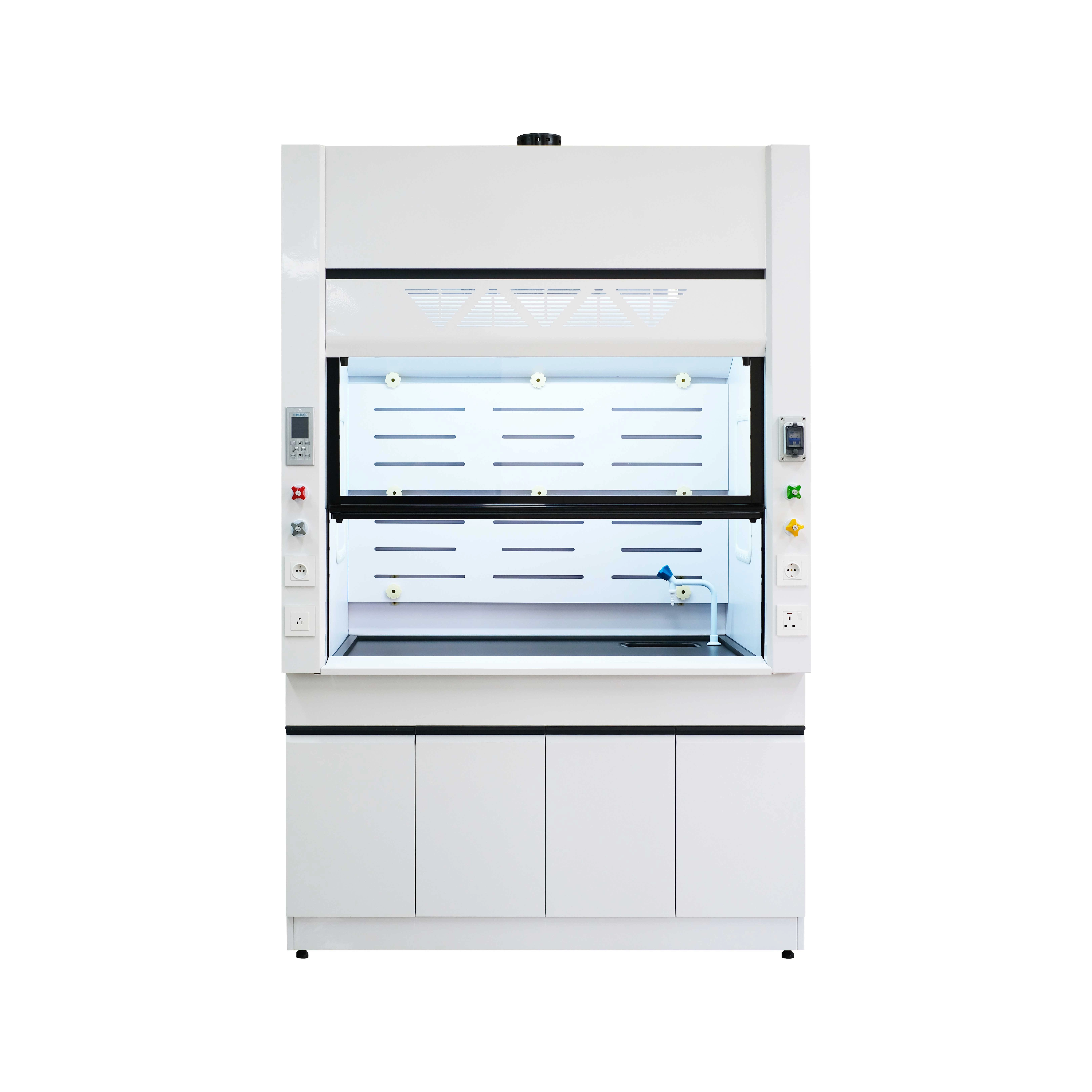
Laboratory fume cupboards are essential for maintaining a safe working environment by ventilating hazardous fumes. However, they are also significant consumers of energy. Implementing strategies to enhance their energy efficiency can lead to substantial cost savings and contribute to sustainability goals. Below are key considerations and practices to optimize energy use without compromising safety.
1. What are the primary factors affecting the energy efficiency of laboratory fume cupboards?
Several factors influence the energy efficiency of fume cupboards:
Sash Positioning: The height at which the sash is set directly impacts airflow and energy consumption. Lowering the sash when not in use reduces the volume of air extracted, conserving energy.
Airflow Management: The type of ventilation system—Constant Air Volume (CAV) or Variable Air Volume (VAV)—affects energy usage. VAV systems adjust airflow based on sash position, leading to energy savings.
Operational Practices: User habits, such as leaving sashes open unnecessarily or running fume cupboards continuously, can increase energy consumption.
2. How can fume cupboard design contribute to energy efficiency?
Design elements that enhance energy efficiency include:
Sash Configuration: Horizontal sliding sashes can reduce airflow requirements compared to vertical sashes. For instance, a 6-foot fume hood with a horizontal sash requires only 850 cfm when fully open, compared to 1,250 cfm for a vertical sash at a 30-inch height.
Auxiliary Air Supply: Incorporating an auxiliary air supply, or makeup air fume hood, provides unconditioned or partially conditioned outside air, reducing the need to condition all the air extracted by the fume cupboard.
Variable Air Volume (VAV) Systems: Implementing VAV systems allows for airflow adjustments based on sash position, leading to significant energy savings. For example, a VAV system can reduce energy usage by up to 85% compared to a CAV system.
3. What operational practices can improve the energy efficiency of fume cupboards?
Adopting the following practices can enhance energy efficiency:
Sash Management: Always close the sash when the fume cupboard is not in use. This simple action can lead to substantial energy savings. For example, at MIT, closing unused fume hoods resulted in a 17% decrease in electricity consumption, saving approximately $350,000 annually.
Scheduled Operation: Limit the operation of fume cupboards to periods when they are actively in use. Avoid running them continuously, especially during off-hours.
Regular Maintenance: Ensure that fume cupboards are well-maintained to operate efficiently. Regular checks can prevent energy wastage due to malfunctions.
4. How do advanced technologies enhance the energy efficiency of fume cupboards?
Advanced technologies that improve energy efficiency include:
Auto Sash Controllers: These devices automatically close the sash when the operator moves away from the fume cupboard, reducing unnecessary airflow and energy consumption.
Inverter Drives: Used in airflow management systems, inverter drives adjust the speed of the fan based on the sash position, optimizing energy use.
Occupancy Sensors: These sensors detect when the fume cupboard is in use and adjust airflow accordingly, ensuring energy is used only when necessary.
5. What standards and guidelines should be considered when selecting energy-efficient fume cupboards?
When selecting fume cupboards, consider the following standards and guidelines:
ASHRAE Standard 110: This standard provides performance criteria for fume cupboards, including containment and airflow requirements.
ANSI/AIHA Z9.5: This standard outlines the design, construction, and performance of laboratory ventilation systems.
Local Regulations: Ensure compliance with local building codes and environmental regulations related to laboratory ventilation and energy efficiency.
6. How can laboratory managers assess the energy efficiency of their existing fume cupboards?
Laboratory managers can assess energy efficiency by:
Conducting Energy Audits: Regular audits can identify areas where energy is being wasted and opportunities for improvement.
Monitoring Usage Patterns: Track the operational hours and sash positions of fume cupboards to identify inefficiencies.
Benchmarking: Compare energy consumption against industry standards or similar laboratories to gauge performance.
7. What are the potential cost savings from implementing energy-efficient fume cupboards?
Implementing energy-efficient practices can lead to significant cost savings. For example, at MIT, closing unused fume hoods resulted in a 17% decrease in electricity consumption, saving approximately $350,000 annually.
8. How does the choice of fume cupboard impact laboratory sustainability goals?
Selecting energy-efficient fume cupboards aligns with sustainability goals by:
Reducing Carbon Footprint: Lower energy consumption leads to fewer greenhouse gas emissions.
Conserving Resources: Efficient use of energy resources supports environmental conservation efforts.
Enhancing Reputation: Laboratories that prioritize sustainability can attract funding and partnerships from organizations committed to environmental responsibility.
Conclusion: Why Choose MAXLAB for Your Laboratory Furniture Needs?
MAXLAB offers a range of laboratory furniture designed with energy efficiency and safety in mind. Our fume cupboards incorporate advanced technologies such as VAV systems and auto sash controllers to optimize energy use. By choosing MAXLAB, you invest in high-quality, sustainable solutions that support both your operational needs and environmental goals.
References:- ((https://www.maxlabfurniture.com/guides/energy-efficiency-laboratory-fume-cupboards/))
Why We Choose to Be Your Lab Furniture Solution Provider, Not Just a Manufacturer
Max Lab Introduction
Electronics Lab Bench vs Chemistry Lab Bench: What You Need to Know
What Is an Air Shower for Cleanroom?
Customization
What information do I need to provide to start a custom project?
In order to start a custom project, you need to provide information about the spatial layout of the laboratory, functional requirements, equipment quantity and specifications, budget, etc. If possible, you can also provide reference drawings or patterns so that we can better understand your needs.
Are customized services suitable for small laboratories?
Yes, our customized services are suitable for all types of laboratories, including small ones. We are able to provide customized solutions according to the actual needs of the laboratory.
About Solution
Does your laboratory furniture support customization?
Yes, we provide fully customized services including size, material, color and functional design to meet customers' specific needs.
What is the corrosion resistance of the laboratory furniture?
Our products are made of high quality corrosion-resistant materials, such as epoxy resin, PP board and stainless steel, which can resist the erosion of various chemicals and prolong the service life of the products.
For After-Sales Support
What do I do if I am not satisfied with my purchase?
We strive to ensure customer satisfaction. If you are not happy with your purchase, please contact us, and we will do our best to resolve any concerns.

Get in touch with us
If you have any comments or good suggestions, please leave us a message; later our professional staff will contact you as soon as possible.

 Scan QR Code
MaxLabFurniture
MaxLab Furniture
daihongada
Max Laboratory