
Resource
- Understanding Noise Levels in Laboratory Fume Cupboards
- 1. What Are the Standard Noise Level Requirements for Laboratory Fume Cupboards?
- 2. How Does Noise from Fume Cupboards Affect Laboratory Personnel?
- 3. What Are the Primary Sources of Noise in Laboratory Fume Cupboards?
- 4. How Can Noise Levels in Fume Cupboards Be Reduced?
- 5. Are There Specific Standards for Noise Levels in Laboratory Fume Cupboards?
- 6. How Does Noise Interact with Chemical Exposures in Laboratories?
- 7. What Are the Benefits of Reducing Noise Levels in Laboratory Environments?
- 8. How Can Laboratories Ensure Compliance with Noise Level Standards?
How to ensure noise levels meet lab requirements for fume cupboards?
Laboratory fume cupboards are vital for maintaining safety by containing hazardous fumes, vapors, and dusts. However, the noise generated by these units can impact communication, concentration, and overall well-being. Understanding and managing noise levels in fume cupboards is crucial for a conducive laboratory environment.
Understanding Noise Levels in Laboratory Fume Cupboards
Laboratory fume cupboards are essential for protecting personnel from hazardous substances by containing and exhausting fumes, vapors, and dusts. However, the operation of these units can generate significant noise, which may affect communication, concentration, and overall well-being. Understanding and managing noise levels in fume cupboards is crucial for maintaining a safe and comfortable laboratory environment.
1. What Are the Standard Noise Level Requirements for Laboratory Fume Cupboards?
While specific noise level standards for laboratory fume cupboards may vary by region, general guidelines suggest that the time-weighted average (TWA) noise level should be below 55 dB(A) to prevent adverse effects on communication and concentration.
2. How Does Noise from Fume Cupboards Affect Laboratory Personnel?
Elevated noise levels in laboratories can lead to communication difficulties, increased stress, and potential hearing issues. Prolonged exposure to high noise levels may also contribute to fatigue and decreased productivity among laboratory staff.
3. What Are the Primary Sources of Noise in Laboratory Fume Cupboards?
The main sources of noise in fume cupboards include:
Airflow Systems: Fans, blowers, and ductwork can generate significant noise due to air movement.
Mechanical Components: Vibrations from exhaust fans, motorized dampers, and sashes contribute to noise levels.
Air Turbulence: Improper airflow patterns within the fume cupboard can create noise due to air resistance and pressure fluctuations.
4. How Can Noise Levels in Fume Cupboards Be Reduced?
To minimize noise levels, consider the following strategies:
Proper Fume Hood Selection: Choose fume hoods designed with noise-reduction features, such as sound-insulated fans and vibration-dampening technologies.
Optimized Ventilation System Design: Implement advanced airflow systems with well-designed ductwork layouts to reduce noise generation.
Regular Maintenance: Ensure routine inspection and maintenance of filters, ductwork, and mechanical components to prevent noise due to wear and tear.
5. Are There Specific Standards for Noise Levels in Laboratory Fume Cupboards?
While the U.S. does not have specific sound pressure level criteria for fume hoods, the German standard (DIN 12 924) specifies that the maximum sound pressure level for a laboratory fume hood should not exceed 55 dBA. Additionally, disturbing noises caused by pure-tone pitches or narrow-band tones are not permitted.
6. How Does Noise Interact with Chemical Exposures in Laboratories?
Exposure to both noise and ototoxic chemicals (substances harmful to hearing) can increase the risk of hearing damage. In noisy environments, the risk of hearing loss is significantly higher for individuals exposed to ototoxic chemicals.
7. What Are the Benefits of Reducing Noise Levels in Laboratory Environments?
Lowering noise levels in laboratories can enhance communication, reduce stress, improve concentration, and increase overall productivity. A quieter environment also contributes to better health and safety for laboratory personnel.
8. How Can Laboratories Ensure Compliance with Noise Level Standards?
Laboratories can ensure compliance by selecting fume cupboards with low noise emissions, implementing effective noise-reduction strategies, and conducting regular noise assessments to monitor and maintain acceptable noise levels.
In conclusion, managing noise levels in laboratory fume cupboards is essential for the health, safety, and productivity of laboratory personnel. By understanding the sources of noise and implementing appropriate reduction strategies, laboratories can create a more comfortable and efficient working environment.
MAXLAB offers a range of laboratory furniture solutions designed with noise-reduction features to enhance the laboratory environment. Our products are engineered to meet safety standards while providing a quieter workspace for optimal performance.
For more information on our noise-reducing laboratory furniture, visit our website or contact our sales team.
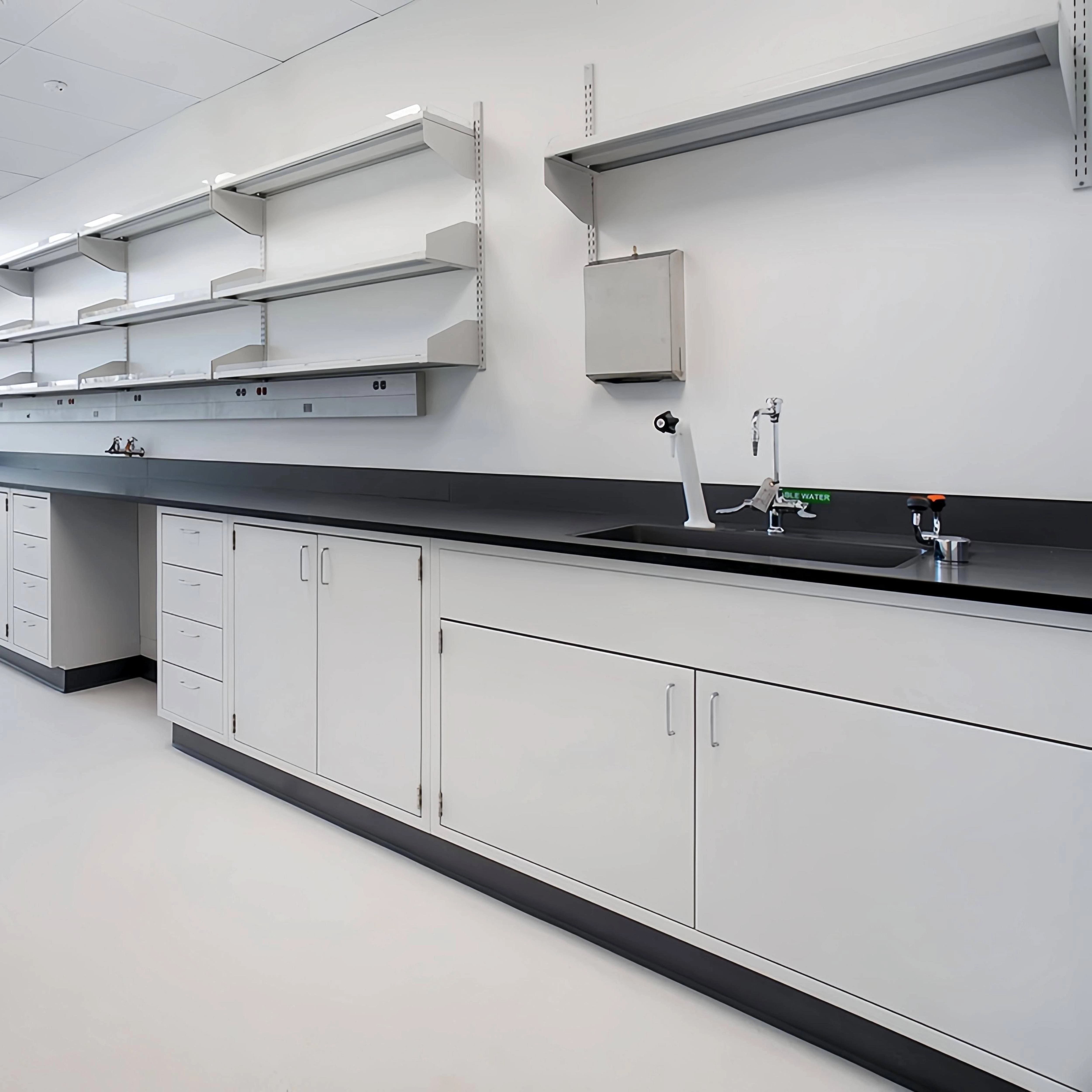
Why We Choose to Be Your Lab Furniture Solution Provider, Not Just a Manufacturer
Max Lab Introduction
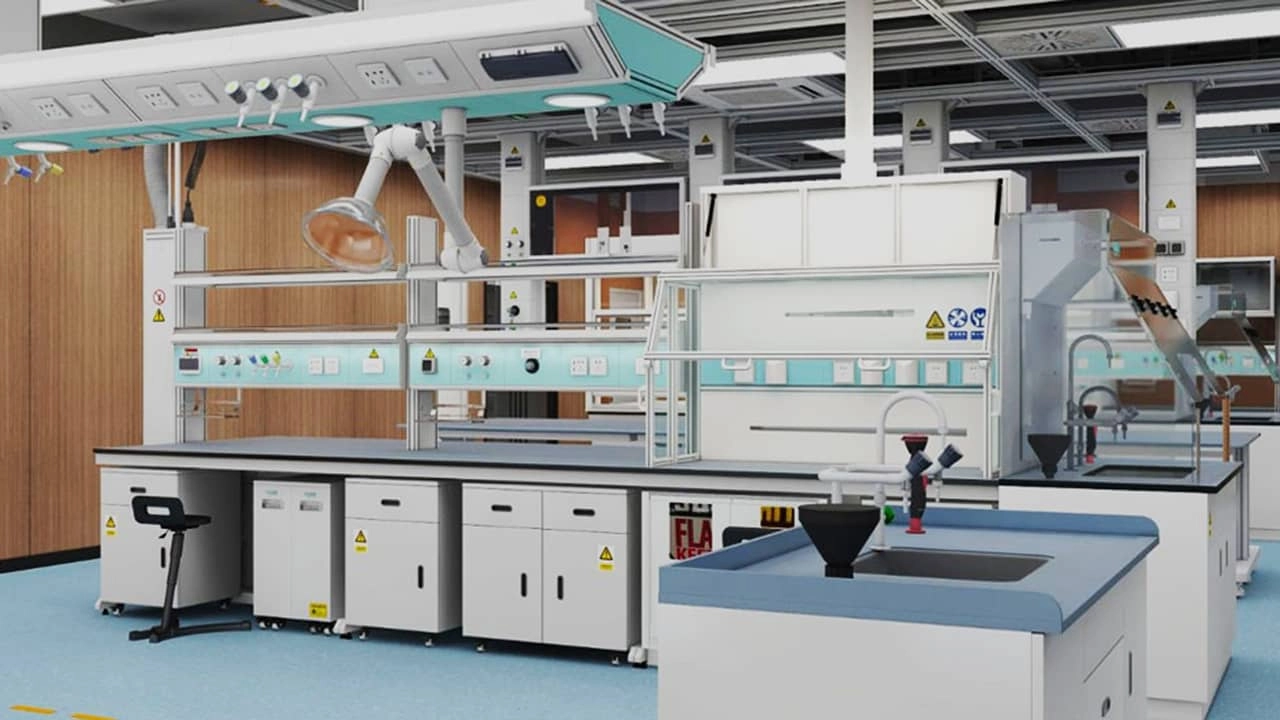
Electronics Lab Bench vs Chemistry Lab Bench: What You Need to Know

What Is an Air Shower for Cleanroom?
About Solution
Do you have certifications for your products?
Yes, We have CE CERTIFICATIONS, Quality Management Systems Certificate ISO9001:2008 and Environmental Management Systems Certificate ISO14000:2004, etc.
For Company
How do I get in touch with your sales team?
You can reach our sales team via email at ada@maxlabfurniture.com, by phone at +86 132 4232 3168, WhatsApp:+86 132 4232 3168, or through the contact form on our Facebook: https://www.facebook.com/MaxLabFurniture
For After-Sales Support
Why choose your company?
We have been engaged in the manufacturing of various packing machines professionally over 15 years, and we can provide better after-sales service.
Customization
How do I start a customized service?
Please contact our sales or technical support team for an initial enquiry. We will provide detailed customized recommendations and quotes according to your needs.
For Logistics
Do you offer express shipping options?
Yes, we offer express shipping for urgent orders. Please contact our sales team to inquire about availability and additional costs.

Get in touch with us
If you have any comments or good suggestions, please leave us a message; later our professional staff will contact you as soon as possible.

 Scan QR Code
MaxLabFurniture
MaxLab Furniture
daihongada
Max Laboratory