
Resource
- Comprehensive Guide to Laboratory Tables and Underbench Storage Planning
- 1. What are the key factors to consider when selecting a laboratory table?
- 2. How can underbench storage be optimized for laboratory tables?
- 3. What materials are recommended for laboratory table surfaces?
- 4. How can laboratory tables be designed for flexibility and future adaptability?
- 5. What are the benefits of incorporating underbench storage into laboratory table designs?
- 6. How can ergonomic considerations be integrated into laboratory table and storage designs?
- 7. What are the latest trends in laboratory table and underbench storage designs?
- 8. How can laboratory tables be customized to meet specific research needs?
- Conclusion: Why Choose MAXLAB for Your Laboratory Furniture Needs?
How to plan underbench storage for lab tables?
Comprehensive Guide to Laboratory Tables and Underbench Storage Planning
Selecting the right laboratory table and effectively planning underbench storage are crucial steps in creating an efficient and organized lab environment. This guide addresses common questions and provides expert insights to assist you in making informed decisions.
1. What are the key factors to consider when selecting a laboratory table?
When choosing a laboratory table, consider the following factors:
Material Selection: Opt for materials that align with your lab's specific needs. For instance, epoxy resin countertops offer excellent chemical resistance and heat tolerance, making them ideal for chemistry labs. ((https://www.maxlabfurniture.com/laboratory-workbench-design/))
Design and Configuration: Decide between fixed or mobile tables based on your lab's requirements. Fixed workbenches provide stability and are suitable for heavy equipment, while mobile tables offer flexibility and can be easily relocated. ((https://www.maxlabfurniture.com/blog/ultimate-guide-to-laboratory-table-2026-choose-for-your-lab/))
Ergonomics: Ensure the table height and design promote comfortable posture to reduce strain during prolonged use.
2. How can underbench storage be optimized for laboratory tables?
Optimizing underbench storage involves:
Modular Casework: Implement modular storage systems that can be customized and reconfigured as needed, allowing for adaptability to changing lab requirements.
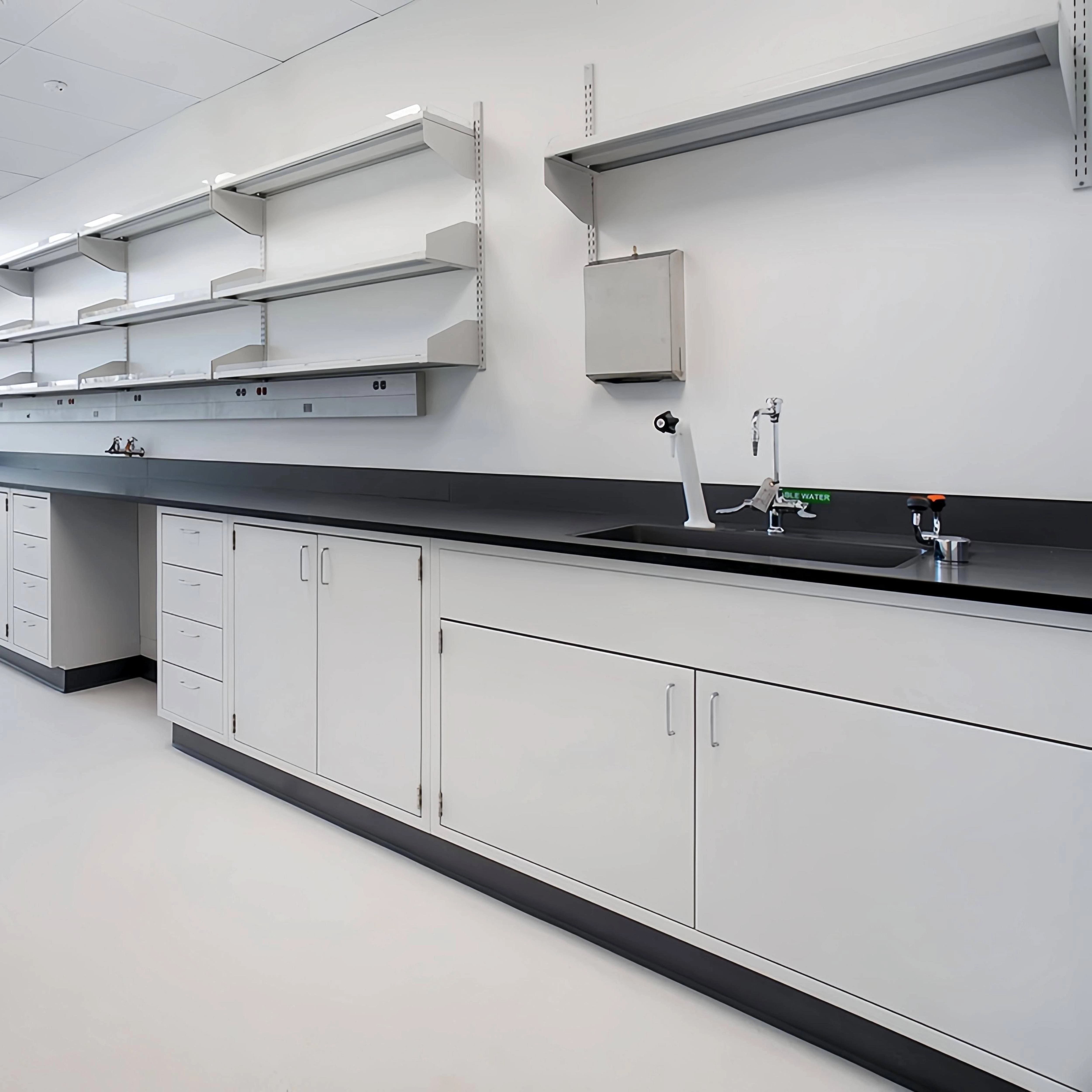
Built-in Drawers and Cabinets: Incorporate drawers and cabinets directly into the lab bench design to keep tools and materials organized and easily accessible.
Vertical Storage Solutions: Utilize overhead shelves or wall-mounted panels to free up benchtop space and keep essential items within reach.
3. What materials are recommended for laboratory table surfaces?
The choice of material for laboratory table surfaces should be based on:
Chemical Resistance: Materials like epoxy resin and phenolic resin are known for their chemical resistance, making them suitable for labs handling corrosive substances. ((https://www.maxlabfurniture.com/laboratory-workbench-design/))
Durability: Stainless steel surfaces are durable and easy to clean, ideal for labs requiring high sanitation standards.
Cost Considerations: Laminate surfaces are cost-effective but may be less resistant to chemicals and heat compared to other materials.
4. How can laboratory tables be designed for flexibility and future adaptability?
To ensure flexibility and adaptability:
Modular Design: Choose laboratory tables with modular components that can be easily reconfigured or expanded to accommodate new equipment or changing workflows.
Adjustable Features: Incorporate adjustable height and movable parts to cater to various tasks and user preferences.
5. What are the benefits of incorporating underbench storage into laboratory table designs?
Incorporating underbench storage offers several advantages:
Space Optimization: Maximizes the use of available space by utilizing the area beneath the workbench for storage.
Enhanced Organization: Keeps tools and materials organized and easily accessible, reducing clutter on the benchtop.
Improved Workflow: Streamlines processes by ensuring that necessary items are within reach, thereby increasing efficiency.
6. How can ergonomic considerations be integrated into laboratory table and storage designs?
Integrating ergonomic considerations involves:
Adjustable Heights: Designing tables and storage units with adjustable heights to accommodate different users and tasks.
Accessible Storage: Placing frequently used items within easy reach to minimize unnecessary movements and reduce strain.
Clear Layouts: Organizing tools and materials in a logical and accessible manner to promote a comfortable working posture.
7. What are the latest trends in laboratory table and underbench storage designs?
Recent trends include:
Sustainable Materials: Utilizing eco-friendly materials in laboratory furniture to promote sustainability.
Smart Storage Solutions: Incorporating technology into storage systems for better inventory management and organization.
Collaborative Spaces: Designing lab tables and storage to facilitate teamwork and collaborative work environments.
8. How can laboratory tables be customized to meet specific research needs?
Customization can be achieved by:
Tailored Designs: Collaborating with manufacturers to create lab tables that fit specific dimensions and functional requirements.
Specialized Storage: Incorporating custom storage solutions for unique equipment or materials used in your research.
Flexible Configurations: Designing tables with adjustable components to accommodate various tasks and workflows.
Conclusion: Why Choose MAXLAB for Your Laboratory Furniture Needs?
MAXLAB offers a comprehensive range of laboratory furniture solutions designed to enhance efficiency, organization, and adaptability in your lab environment. With a focus on quality materials, ergonomic designs, and customizable options, MAXLAB ensures that your laboratory is equipped to meet the evolving demands of modern research.
Why We Choose to Be Your Lab Furniture Solution Provider, Not Just a Manufacturer
Max Lab Introduction
Electronics Lab Bench vs Chemistry Lab Bench: What You Need to Know
What Is a Pass Box? Types, Features, and How to Choose the Right Transfer Hatch
Customization
Do you offer free design consultation?
Yes, we provide our clients with free preliminary design consulting services. Our design team will provide advice based on your needs and budget, and help you develop a laboratory layout and equipment plan that meets your requirements.
For Company
Can I visit your factory or showroom?
Yes, we welcome visits to our showroom and production facility. Please contact us in advance to schedule an appointment.
For Products
What products does MAX LAB offer?
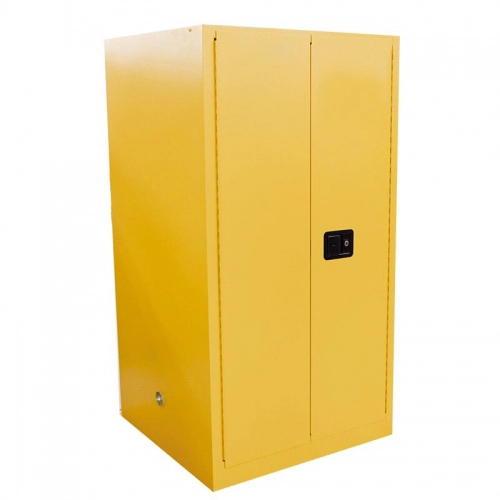
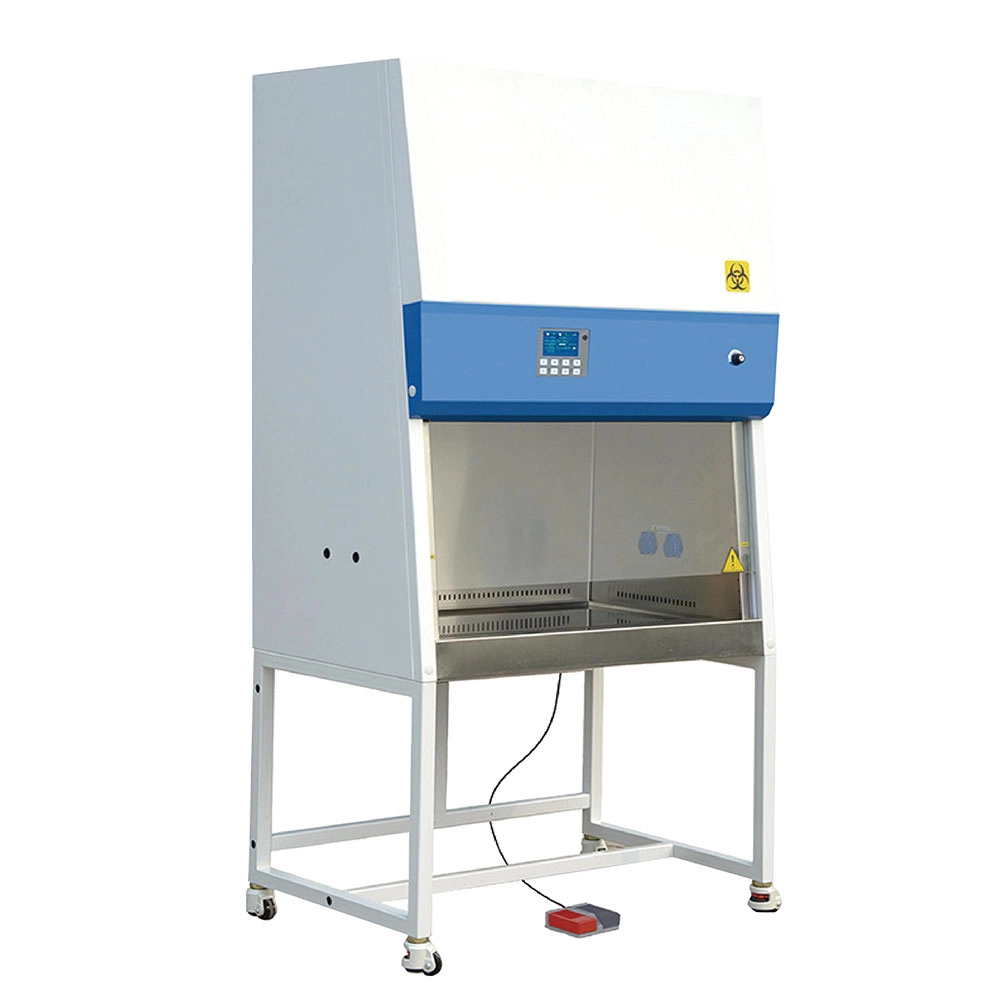
We specialize in laboratory furniture and equipment, including lab benches, fume hoods, storage cabinets, lab accessories, and custom lab solutions.
What kind of fume hoods do you offer?
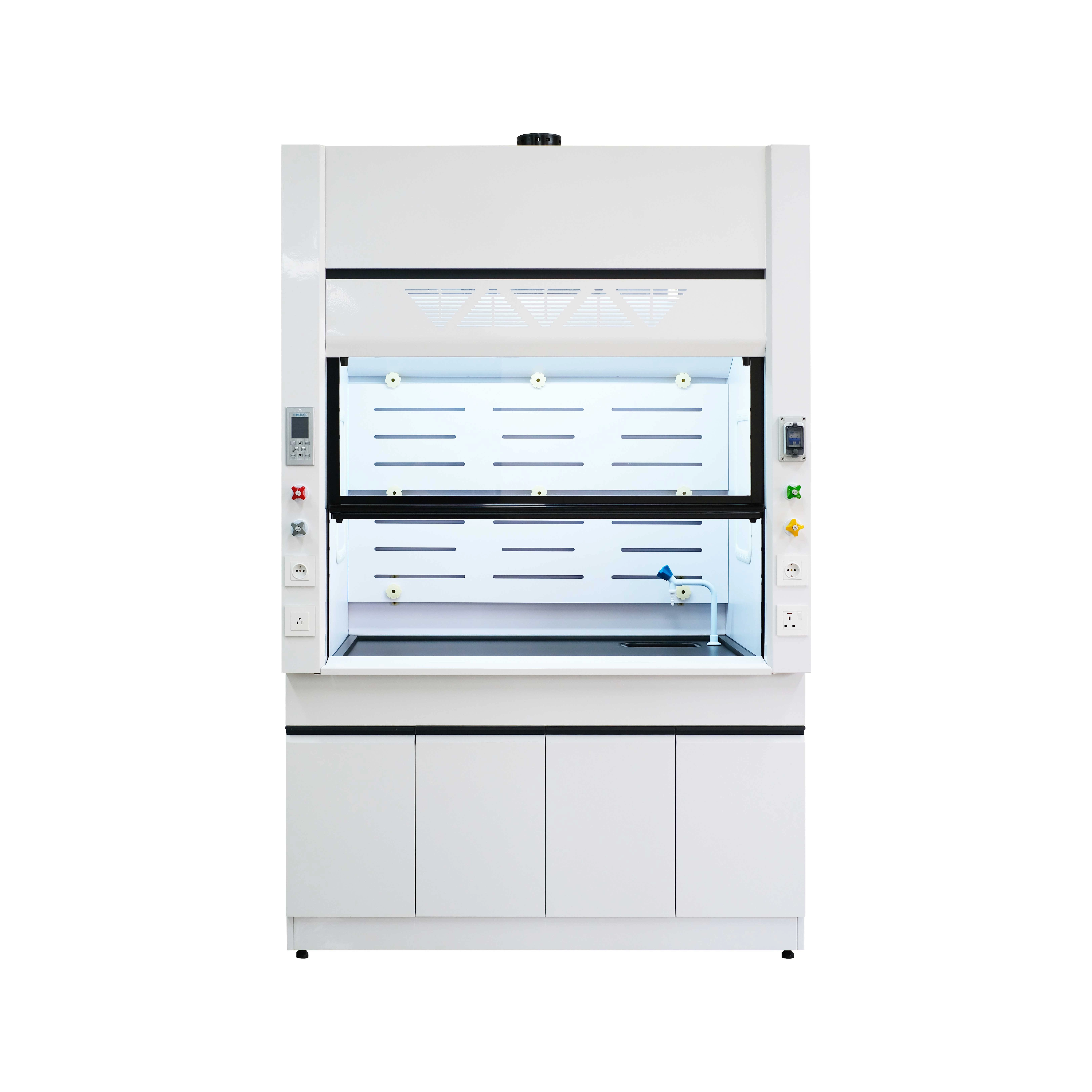
We offer all steel fume hood, benchtop fume hood, multi-sided fume hood, walk-in fume hood, PP fume hood, ductless fume hood, stainless steel fume hood and perchloric acid fume hood to suit various laboratory needs and ensure safety.
FAQS
Do you export internationally?
Yes, we have over 15 years of export experience and have served clients in more than 60 countries and regions.

Get in touch with us
If you have any comments or good suggestions, please leave us a message; later our professional staff will contact you as soon as possible.

 Scan QR Code
MaxLabFurniture
MaxLab Furniture
daihongada
Max Laboratory