
Resource
- Comprehensive Guide to Laboratory Tables: Selection, Materials, and Maintenance
- 1. What are the primary materials used in laboratory tables?
- 2. How do I protect lab tables from chemical corrosion?
- 3. What features should I consider when purchasing a laboratory table?
- 4. How do I maintain laboratory tables to ensure longevity?
- 5. What are the current market trends in laboratory furniture?
- 6. How do I select the right laboratory furniture supplier?
- 7. What is the expected lifespan of laboratory tables?
- 8. How do I ensure compliance with safety standards in laboratory furniture?
- Conclusion: Why Choose MAXLAB for Your Laboratory Furniture Needs?
How to protect lab tables from chemical corrosion?
Comprehensive Guide to Laboratory Tables: Selection, Materials, and Maintenance
Laboratory tables are fundamental to the functionality and safety of any lab environment. Selecting the appropriate table involves understanding various factors, including material properties, design features, and maintenance practices. This guide addresses common questions to assist in making informed decisions.
1. What are the primary materials used in laboratory tables?
Laboratory tables are constructed from various materials, each offering distinct advantages:
High-Pressure Laminate (HPL): Cost-effective and easy to clean, suitable for general science and STEM applications. However, it is not resistant to chemicals and should be avoided in labs with strong acids or solvents.
Chemical-Resistant Laminate: An upgraded laminate engineered to withstand common reagents found in middle and high school labs, offering a balance between value and protection for regular wet labs.
Phenolic Resin: Dense, moisture-proof, and highly chemical-resistant; handles frequent cleaning and incidental heat better than laminates. A strong choice for biology and chemistry labs and shared STEM spaces.
Solid Epoxy Resin: The gold standard for harsh environments—excellent chemical, heat, and impact resistance. Ideal near sinks, burners, and heavy apparatus; highest upfront cost but long service life.
Stainless Steel: Offers exceptional durability and resistance to corrosion, making it ideal for labs handling corrosive substances.
2. How do I protect lab tables from chemical corrosion?
Protecting laboratory tables from chemical corrosion involves several strategies:
Choose Chemical-Resistant Materials: Opt for table surfaces made from materials like phenolic or epoxy resin, which are impervious to common laboratory chemicals and moisture.
Regular Cleaning: Promptly clean spills to prevent chemical residues from degrading the table surface.
Use Protective Coatings: Apply chemical-resistant coatings to enhance the table's resistance to corrosive substances.
Implement Spill Containment: Utilize trays or mats to contain spills and protect the table surface.
3. What features should I consider when purchasing a laboratory table?
When selecting a laboratory table, consider the following features:
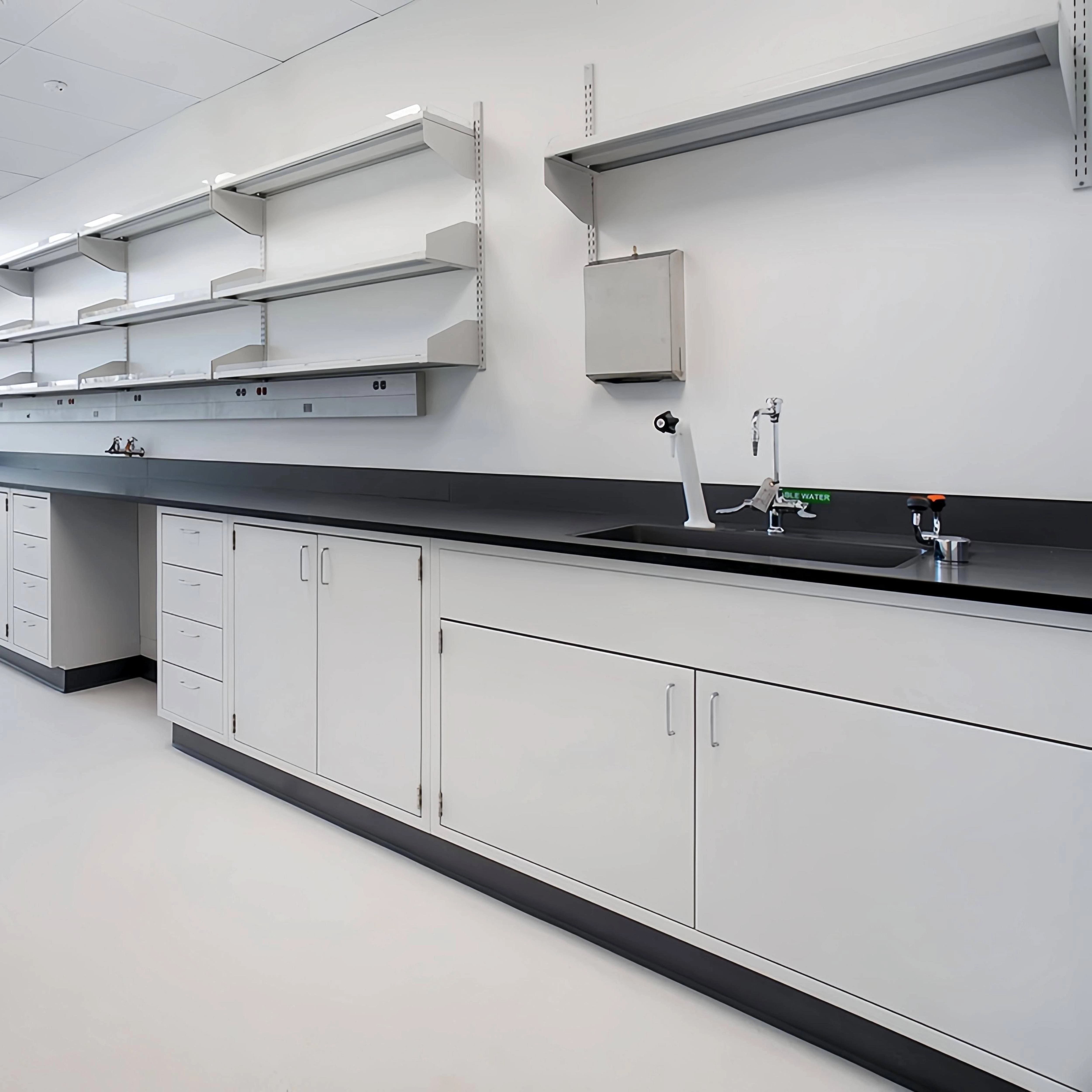
Size and Configuration: Ensure the table size accommodates your equipment and workflow. Options include island benches for collaborative work and wall-mounted tables for space efficiency. ((https://www.maxlabfurniture.com/blog/ultimate-guide-to-laboratory-table-2026-choose-for-your-lab/))
Storage Options: Incorporate drawers, cabinets, or shelves to organize tools and materials.
Utility Integration: Consider tables with built-in sinks, gas, water, or electrical connections to streamline operations.
Ergonomics: Adjustable-height tables can enhance comfort and accommodate various tasks.
4. How do I maintain laboratory tables to ensure longevity?
Proper maintenance of laboratory tables includes:
Routine Cleaning: Regularly clean surfaces with appropriate cleaners to prevent chemical buildup.
Inspect for Damage: Regularly check for signs of wear or damage, such as cracks or delamination, and address issues promptly.
Protective Measures: Use mats or trays to protect surfaces from spills and heat.
Follow Manufacturer Guidelines: Adhere to the manufacturer's maintenance recommendations to preserve the table's integrity.
5. What are the current market trends in laboratory furniture?
Recent trends in laboratory furniture include:
Modular Designs: Flexible configurations with movable cabinets and adjustable components to adapt to changing lab needs.
Sustainability: Increased use of recycled and eco-friendly materials in furniture construction.
Smart Integration: Incorporation of technology, such as embedded power/data ports and height-adjustment systems, to enhance functionality.
6. How do I select the right laboratory furniture supplier?
When choosing a laboratory furniture supplier, consider:
Reputation: Research the supplier's history and customer reviews to assess reliability.
Customization Options: Ensure the supplier can meet your specific requirements, including material choices and design features.
Compliance: Verify that the supplier's products meet relevant safety and quality standards.
After-Sales Support: Consider the availability of installation services, warranties, and customer support.
7. What is the expected lifespan of laboratory tables?
The lifespan of laboratory tables varies based on material and usage:
High-Pressure Laminate: Approximately 5-10 years, depending on maintenance and usage.
Phenolic and Epoxy Resin: 15-20 years, offering durability and resistance to chemicals.
Stainless Steel: 20+ years, with proper maintenance to prevent corrosion.
8. How do I ensure compliance with safety standards in laboratory furniture?
To ensure compliance:
Review Certifications: Check for certifications such as ANSI/SEFA 8-2020 for wet labs or NSF/ANSI 49 for biosafety cabinets.
Consult Standards: Refer to relevant safety standards and guidelines applicable to laboratory environments.
Engage Professionals: Work with suppliers and installers familiar with laboratory safety requirements.
Conclusion: Why Choose MAXLAB for Your Laboratory Furniture Needs?
MAXLAB offers a comprehensive range of laboratory furniture designed to meet diverse needs. Our products feature:
Durability: Constructed with high-quality materials for longevity.
Customization: Tailored solutions to fit specific laboratory requirements.
Compliance: Adherence to industry standards and safety regulations.
Support: Dedicated customer service and after-sales support.
By choosing MAXLAB, you invest in quality, safety, and efficiency for your laboratory environment.
References:
Cleatech, LLC. (2022). What to Consider When Buying a Laboratory Table.
Worthington Direct. (n.d.). Science Tables Buying Guide.
Accio. (n.d.). Laboratory Tables: Best Materials & Uses for Labs.
Lab Manager. (n.d.). Purchasing Guide: Lab Furniture.
Lab Tech Supply Co. (2023). Buyer’s Guide for Lab Tables and Material Selection.
MAXLAB. (2025). 6 Tips to Select the Right Laboratory Furniture. ((https://www.maxlabfurniture.com/select-right-lab-furniture-6-tips/))
SmartBuy Alibaba. (2023). Laboratory Furniture Buying Guide: Key Selection Criteria & Safety Tips.
MAXLAB. (2026). Laboratory Tables Guide 2026 | Durable & Quality by MAXLAB. ((https://www.maxlabfurniture.com/blog/ultimate-guide-to-laboratory-table-2026-choose-for-your-lab/))
Why We Choose to Be Your Lab Furniture Solution Provider, Not Just a Manufacturer
Max Lab Introduction
Electronics Lab Bench vs Chemistry Lab Bench: What You Need to Know
What Is a Pass Box? Types, Features, and How to Choose the Right Transfer Hatch
For Logistics
How do you ensure the safety of items during shipping?
We have 15 years of experience in loading, fragile goods are packed in plywood boxes to ensure that they will not be damaged during transportation.
FAQS
What quality standards do your products meet?
We conduct strict quality inspections before products leave the factory to ensure they meet international standards and customer expectations.
About Solution
How about your after sale service?
We will reply to you within 24 hours by email or phone.
If we have a local agent, we will arrange for him to be at your site within 24 hours to assist you in shooting the problem.
For Customization
Can you create a lab design layout for us?
Yes, we'll provide preliminary layout, confirm 3D drawings and rendering drawings.
For Company
Do you offer our design service from scratch?
Yes, we provide full design support tailored to your lab’s specific needs, including layout planning and furniture customization.



Get in touch with us
If you have any comments or good suggestions, please leave us a message; later our professional staff will contact you as soon as possible.

 Scan QR Code
MaxLabFurniture
MaxLab Furniture
daihongada
Max Laboratory