
Resource
- Comprehensive Guide to Laboratory Tables: Selection, Materials, and Benefits of Anti-Microbial Surfaces
- 1. What are the primary materials used in laboratory tables?
- 2. How do anti-microbial surfaces benefit lab tables?
- 3. What design features should be considered when selecting a laboratory table?
- 4. How do anti-microbial surfaces benefit lab tables?
- 5. What are the advantages of modular laboratory tables?
- 6. How do anti-microbial surfaces benefit lab tables?
- 7. What are the key considerations for maintaining laboratory tables?
- 8. How do anti-microbial surfaces benefit lab tables?
- Conclusion: Why Choose MAXLAB for Your Laboratory Furniture Needs?
How do anti-microbial surfaces benefit lab tables?
Comprehensive Guide to Laboratory Tables: Selection, Materials, and Benefits of Anti-Microbial Surfaces
Laboratory tables are fundamental to the functionality and safety of any lab environment. Selecting the appropriate table involves understanding various factors, including material choices, design features, and the incorporation of anti-microbial surfaces. This guide addresses common questions to assist in making informed decisions.
1. What are the primary materials used in laboratory tables?
Laboratory tables are constructed from various materials, each offering distinct advantages:
High-Pressure Laminate (HPL): Cost-effective and easy to clean, suitable for general science and STEM applications. However, it is not resistant to chemicals and should be avoided in environments with strong acids or solvents.
Chemical-Resistant Laminate: An upgraded laminate engineered to withstand common reagents found in middle and high school labs, offering a balance between value and protection for regular wet labs.
Phenolic Resin: Dense, moisture-proof, and highly chemical-resistant; handles frequent cleaning and incidental heat better than laminates. A strong choice for biology and chemistry labs and shared STEM spaces.
Solid Epoxy Resin: The gold standard for harsh environments—excellent chemical, heat, and impact resistance. Ideal near sinks, burners, and heavy apparatus; highest upfront cost but long service life.
2. How do anti-microbial surfaces benefit lab tables?
Anti-microbial surfaces are engineered to inhibit the growth of bacteria, fungi, and other pathogens, thereby reducing the risk of contamination. In laboratory settings, this is crucial for maintaining sterile conditions, especially when handling sensitive materials or conducting experiments that require aseptic environments. Additionally, these surfaces are easier to clean and maintain, contributing to overall hygiene and safety.
3. What design features should be considered when selecting a laboratory table?
When choosing a laboratory table, consider the following design features:
Size and Configuration: Ensure the table size aligns with your workspace and accommodates the necessary equipment. Configurations such as island or wall-mounted tables can optimize space and workflow. ((https://www.maxlabfurniture.com/blog/ultimate-guide-to-laboratory-table-2026-choose-for-your-lab/))
Storage Options: Integrated storage solutions, like drawers and cabinets, help in organizing tools and materials, reducing clutter and enhancing efficiency. ((https://www.maxlabfurniture.com/blog/ultimate-guide-to-laboratory-table-2026-choose-for-your-lab/))
Utility Integration: Tables with built-in sinks, electrical outlets, and gas lines are beneficial for labs requiring these utilities, streamlining operations and reducing the need for additional installations. ((https://www.maxlabfurniture.com/blog/ultimate-guide-to-laboratory-table-2026-choose-for-your-lab/))
4. How do anti-microbial surfaces benefit lab tables?
Anti-microbial surfaces are engineered to inhibit the growth of bacteria, fungi, and other pathogens, thereby reducing the risk of contamination. In laboratory settings, this is crucial for maintaining sterile conditions, especially when handling sensitive materials or conducting experiments that require aseptic environments. Additionally, these surfaces are easier to clean and maintain, contributing to overall hygiene and safety.
5. What are the advantages of modular laboratory tables?
Modular laboratory tables offer flexibility and adaptability, allowing labs to reconfigure their workspace as needed. This is particularly beneficial in dynamic environments where workflows and equipment requirements may change. Modular designs can also be more cost-effective, as they often require less time and expense to install compared to custom-built solutions.
6. How do anti-microbial surfaces benefit lab tables?
Anti-microbial surfaces are engineered to inhibit the growth of bacteria, fungi, and other pathogens, thereby reducing the risk of contamination. In laboratory settings, this is crucial for maintaining sterile conditions, especially when handling sensitive materials or conducting experiments that require aseptic environments. Additionally, these surfaces are easier to clean and maintain, contributing to overall hygiene and safety.
7. What are the key considerations for maintaining laboratory tables?
Proper maintenance of laboratory tables ensures longevity and optimal performance:
Regular Cleaning: Wipe spills promptly and use approved cleaners suitable for the table's material to prevent damage.
Inspection: Regularly check for signs of wear, such as scratches or dents, which can harbor contaminants.
Surface Protection: Use mats or trays to protect the surface from heat, chemicals, and heavy equipment.
8. How do anti-microbial surfaces benefit lab tables?
Anti-microbial surfaces are engineered to inhibit the growth of bacteria, fungi, and other pathogens, thereby reducing the risk of contamination. In laboratory settings, this is crucial for maintaining sterile conditions, especially when handling sensitive materials or conducting experiments that require aseptic environments. Additionally, these surfaces are easier to clean and maintain, contributing to overall hygiene and safety.
Conclusion: Why Choose MAXLAB for Your Laboratory Furniture Needs?
MAXLAB offers a comprehensive range of laboratory furniture designed to meet diverse needs. Our products feature durable materials, customizable designs, and integrated anti-microbial surfaces to enhance safety and efficiency. With a commitment to quality and customer satisfaction, MAXLAB is your trusted partner in creating an optimal laboratory environment.
References:- ((https://www.maxlabfurniture.com/blog/ultimate-guide-to-laboratory-table-2026-choose-for-your-lab/))- ((https://www.maxlabfurniture.com/select-right-lab-furniture-6-tips/))
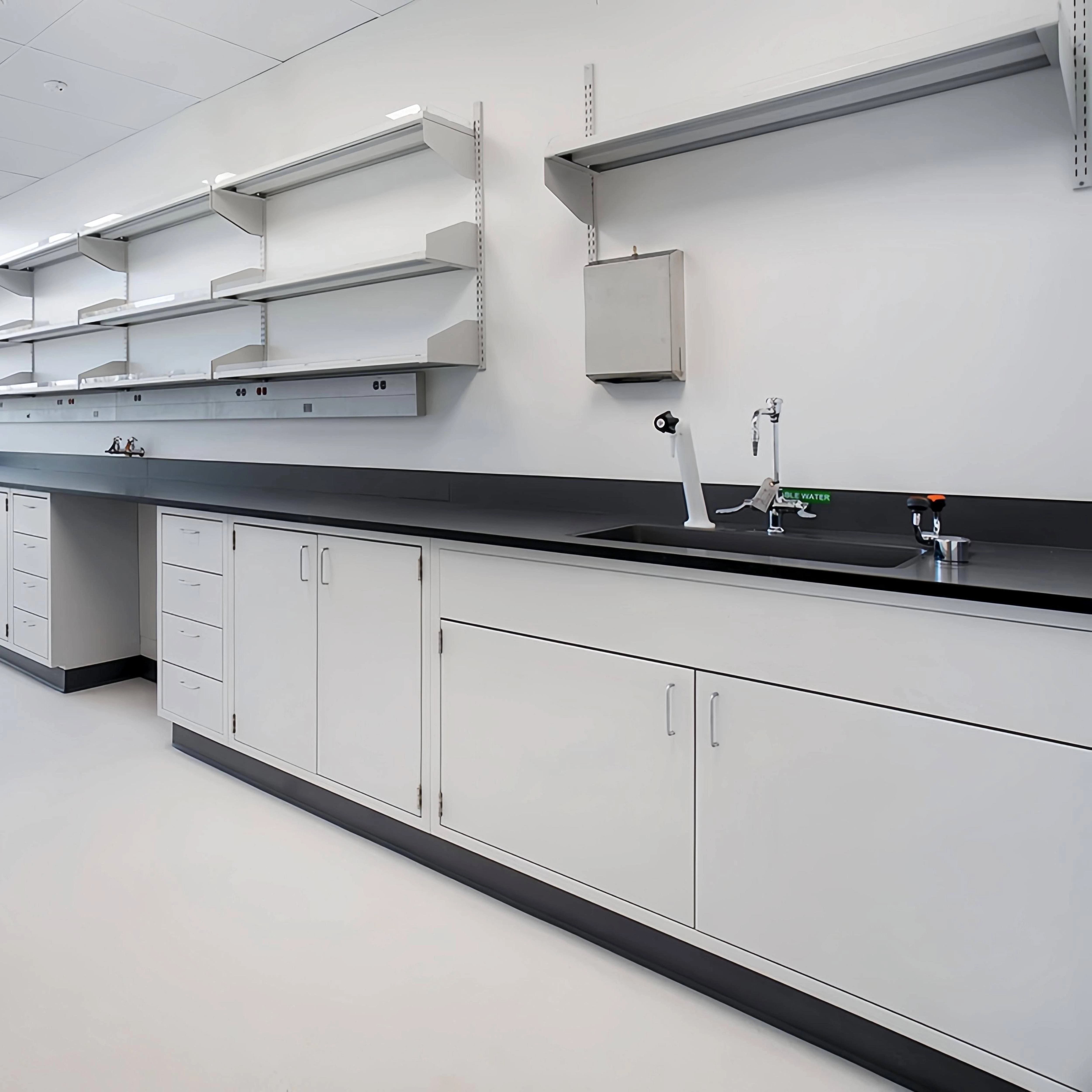
Why We Choose to Be Your Lab Furniture Solution Provider, Not Just a Manufacturer
Max Lab Introduction
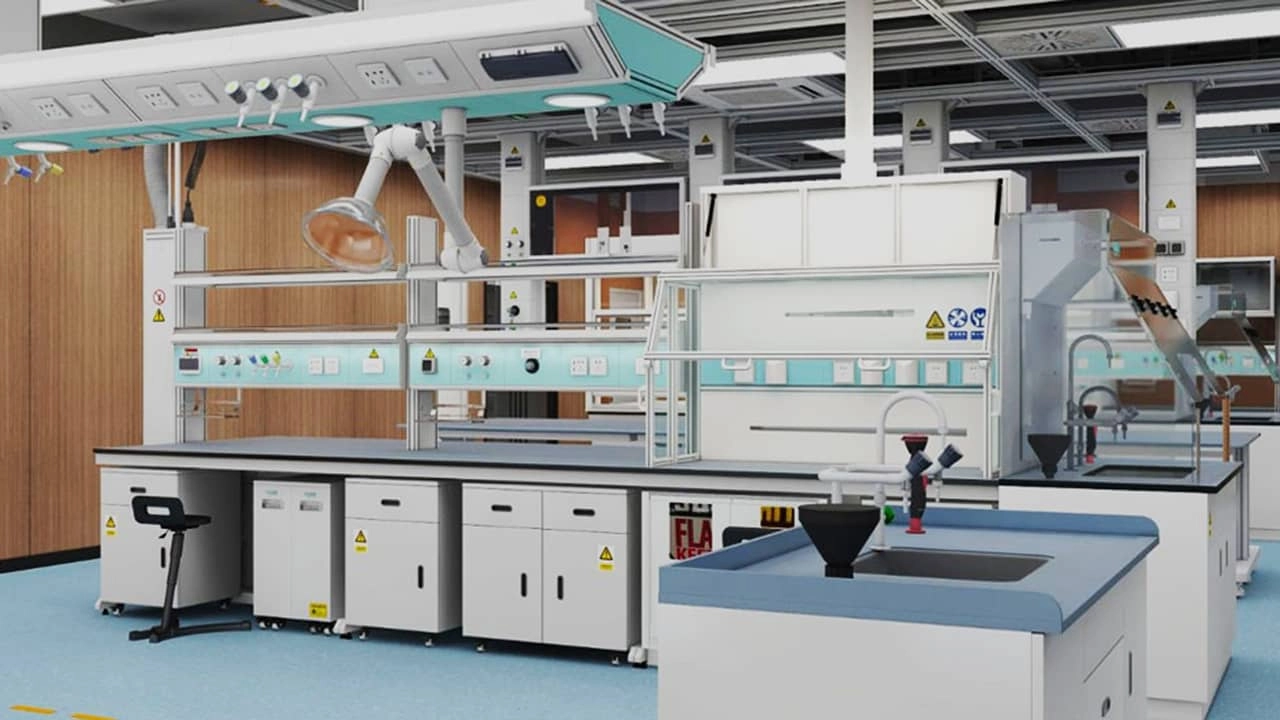
Electronics Lab Bench vs Chemistry Lab Bench: What You Need to Know
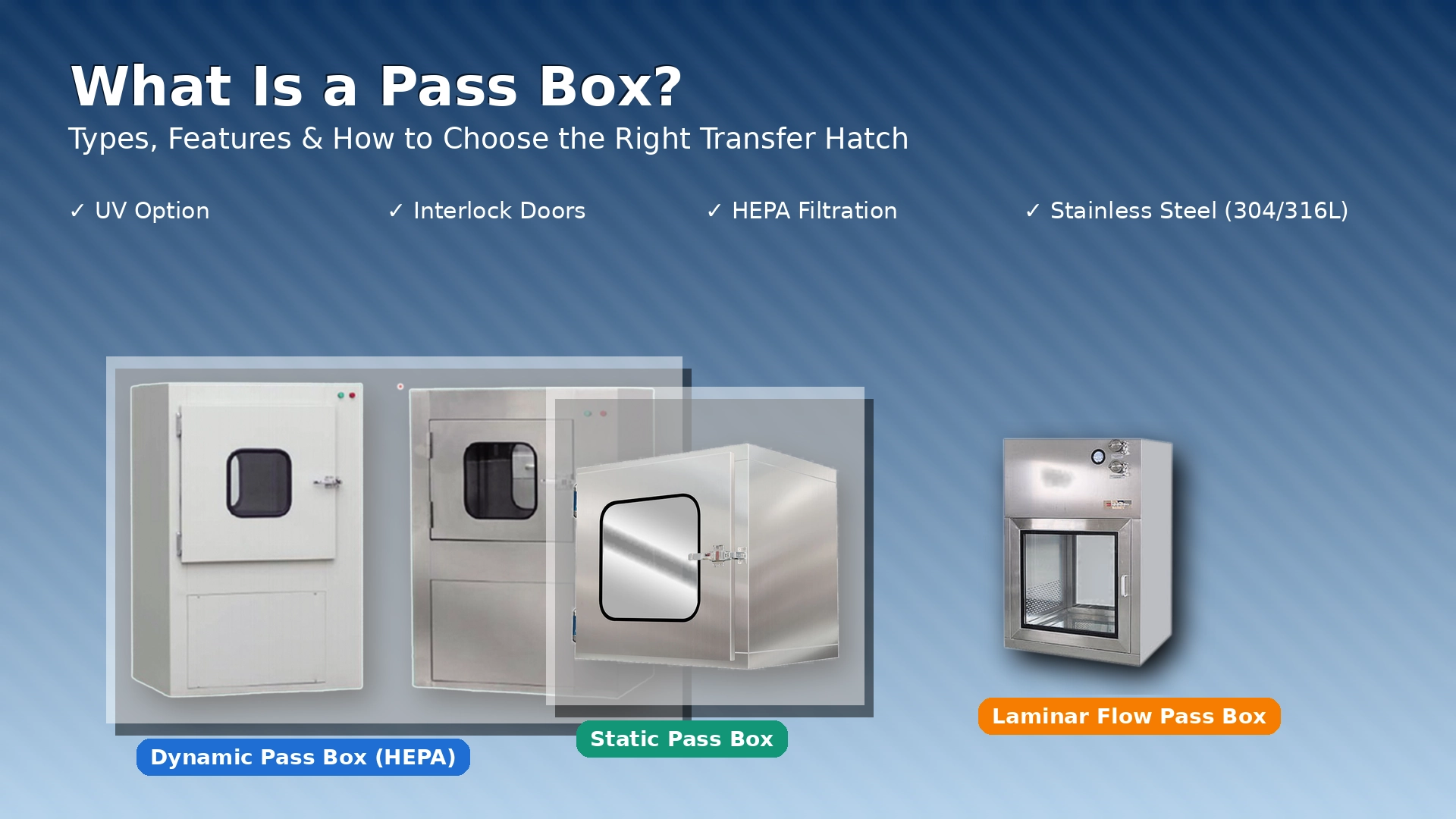
What Is a Pass Box? Types, Features, and How to Choose the Right Transfer Hatch
For After-Sales Support
How about your after sale service?
We will reply you within 24 hours by email or phone.
If we have local agent,we will arrange him to your site within 24 hours to assist you to shoot the problem.
How can I get technical support for my equipment?
You can contact our technical support team via email or phone for assistance with installation, troubleshooting, or any issues you encounter with your laboratory equipment.
About Solution
Do you provide installation service?
Yes, we provide professional installation service and make sure all the equipment are working properly, meanwhile, we provide usage training to help customers get started quickly.
For Customization
Can I customize the size and configuration of my lab furniture?
Yes, we offer full customization for laboratory benches, modular systems, and storage units to meet your specific space and functional needs.
For Products
May I have my own design?
Yes, welcome. If you have your own design, please kindly send the Layout or plan to us. The designer team will make 3D drawings and Rendering drawings.


Get in touch with us
If you have any comments or good suggestions, please leave us a message; later our professional staff will contact you as soon as possible.

 Scan QR Code
MaxLabFurniture
MaxLab Furniture
daihongada
Max Laboratory