
Resource
- Comprehensive Guide to Laboratory Tables: Selection, Maintenance, and Cleaning
- 1. What are the key factors to consider when purchasing a laboratory table?
- 2. What materials are commonly used for laboratory table surfaces, and how do they differ?
- 3. How can I maintain and clean laboratory tables safely?
- 4. What are the benefits of modular laboratory tables?
- 5. How do I ensure the laboratory table complies with safety standards?
- 6. What are the emerging trends in laboratory table design?
- 7. How do I assess the total cost of ownership for a laboratory table?
- 8. What are the advantages of choosing MAXLAB laboratory tables?
How to maintain and clean a laboratory table safely?
Comprehensive Guide to Laboratory Tables: Selection, Maintenance, and Cleaning
Laboratory tables are fundamental to the functionality and safety of any lab environment. Selecting the right table and maintaining it properly are crucial steps in ensuring a productive and secure workspace. This guide addresses common questions and provides expert insights to assist you in making informed decisions.
1. What are the key factors to consider when purchasing a laboratory table?
When selecting a laboratory table, consider the following factors:
Material: Choose a material that aligns with your lab's specific needs. For instance, stainless steel is ideal for labs handling toxic chemicals due to its chemical resistance, while acrylic surfaces are suitable for DNA analysis due to their durability.
Design and Configuration: Decide between fixed or mobile tables based on your lab's workflow. Fixed workbenches offer stability for heavy equipment, whereas mobile tables provide flexibility for dynamic lab setups. ((https://www.maxlabfurniture.com/blog/ultimate-guide-to-laboratory-table-2026-choose-for-your-lab/))
Size and Layout: Ensure the table size accommodates your equipment and allows for comfortable movement. Island benches are suitable for collaborative work, while wall-mounted tables are ideal for space efficiency. ((https://www.maxlabfurniture.com/blog/ultimate-guide-to-laboratory-table-2026-choose-for-your-lab/))
Safety Features: Incorporate features like grounding systems for electrostatic discharge (ESD) protection, especially in labs dealing with sensitive electronic components.
2. What materials are commonly used for laboratory table surfaces, and how do they differ?
Laboratory table surfaces are made from various materials, each offering distinct advantages:
High-Pressure Laminate (HPL): Cost-effective and easy to clean, suitable for dry labs with minimal chemical exposure.
Chemical-Resistant Laminate: Enhanced laminate designed to withstand common laboratory reagents, balancing value and protection for regular wet labs.
Phenolic Resin: Dense, moisture-proof, and highly chemical-resistant; handles frequent cleaning and incidental heat better than laminates.
Solid Epoxy Resin: The gold standard for harsh environments—excellent chemical, heat, and impact resistance.
Stainless Steel: Offers maximum strength and rigidity, ideal for labs requiring robust and durable surfaces.
3. How can I maintain and clean laboratory tables safely?
Proper maintenance and cleaning are essential for laboratory tables to ensure longevity and safety:
Regular Cleaning: Wipe spills promptly to prevent staining or chemical reactions. Use appropriate cleaners for the specific material of your table.
Avoid Abrasive Materials: Do not use abrasive pads or harsh chemicals that can damage the surface.
Chemical Spills: In case of chemical spills, follow the lab's safety protocols and use neutralizing agents as recommended.
Routine Inspections: Regularly check for signs of wear, corrosion, or damage, especially in areas exposed to chemicals or heat.
4. What are the benefits of modular laboratory tables?
Modular laboratory tables offer several advantages:
Flexibility: Easily reconfigurable to adapt to changing lab requirements.
Space Efficiency: Optimizes lab space by allowing customization of layouts.
Cost-Effectiveness: Modular designs can be more economical, especially when accommodating future expansions or changes.
5. How do I ensure the laboratory table complies with safety standards?
To ensure compliance with safety standards:
Certification: Verify that the table meets relevant standards such as ANSI/SEFA 8-2020 for wet labs or NSF/ANSI 49 for biosafety cabinets.
Material Testing: Request third-party validation reports for chemical resistance and structural integrity.
Supplier Reputation: Choose suppliers with a proven track record in providing compliant and high-quality laboratory furniture.
6. What are the emerging trends in laboratory table design?
Emerging trends include:
Smart Integration: Incorporation of embedded power/data ports and height-adjustment systems to enhance functionality.
Sustainability: Use of chemical-resistant recycled materials to promote environmental responsibility.
Ergonomics: Designs that prioritize user comfort and reduce the risk of musculoskeletal injuries.
7. How do I assess the total cost of ownership for a laboratory table?
To evaluate the total cost of ownership:
Initial Cost: Consider the upfront purchase price.
Maintenance Costs: Account for cleaning supplies, repairs, and potential replacements.
Durability: Investing in higher-quality materials may have a higher initial cost but can lead to lower maintenance expenses over time.
Warranty and Support: Review warranty terms and the availability of after-sales support.
8. What are the advantages of choosing MAXLAB laboratory tables?
MAXLAB offers several benefits:
Quality Materials: Utilizes durable and chemical-resistant materials to ensure longevity.
Customization: Provides modular designs tailored to specific lab requirements.
Compliance: Ensures all products meet relevant safety and quality standards.
Customer Support: Offers comprehensive after-sales support and warranty services.
By considering these factors, you can make informed decisions when selecting, maintaining, and cleaning laboratory tables, ensuring a safe and efficient laboratory environment.
Sources:
Cleatech, LLC. (2022). What to Consider When Buying a Laboratory Table.
Worthington Direct. (n.d.). Science Tables Buying Guide.
Accio. (n.d.). Laboratory Tables: Best Materials & Uses for Labs.
Lab Manager. (n.d.). Purchasing Guide: Lab Furniture.
Lab Tech Supply Co. (2023). Lab Tables Buyer’s Guide: Materials and Options.
Lab Tech Supply Co. (n.d.). Factors to Consider When Buying Science Lab Tables.
MAXLAB. (2025). 6 Tips to Select the Right Laboratory Furniture. ((https://www.maxlabfurniture.com/select-right-lab-furniture-6-tips/))
Alibaba. (n.d.). Laboratory Furniture Buying Guide: Key Selection Criteria & Safety Tips.
MAXLAB. (2026). Laboratory Tables Guide 2026 | Durable & Quality by MAXLAB. ((https://www.maxlabfurniture.com/blog/ultimate-guide-to-laboratory-table-2026-choose-for-your-lab/))
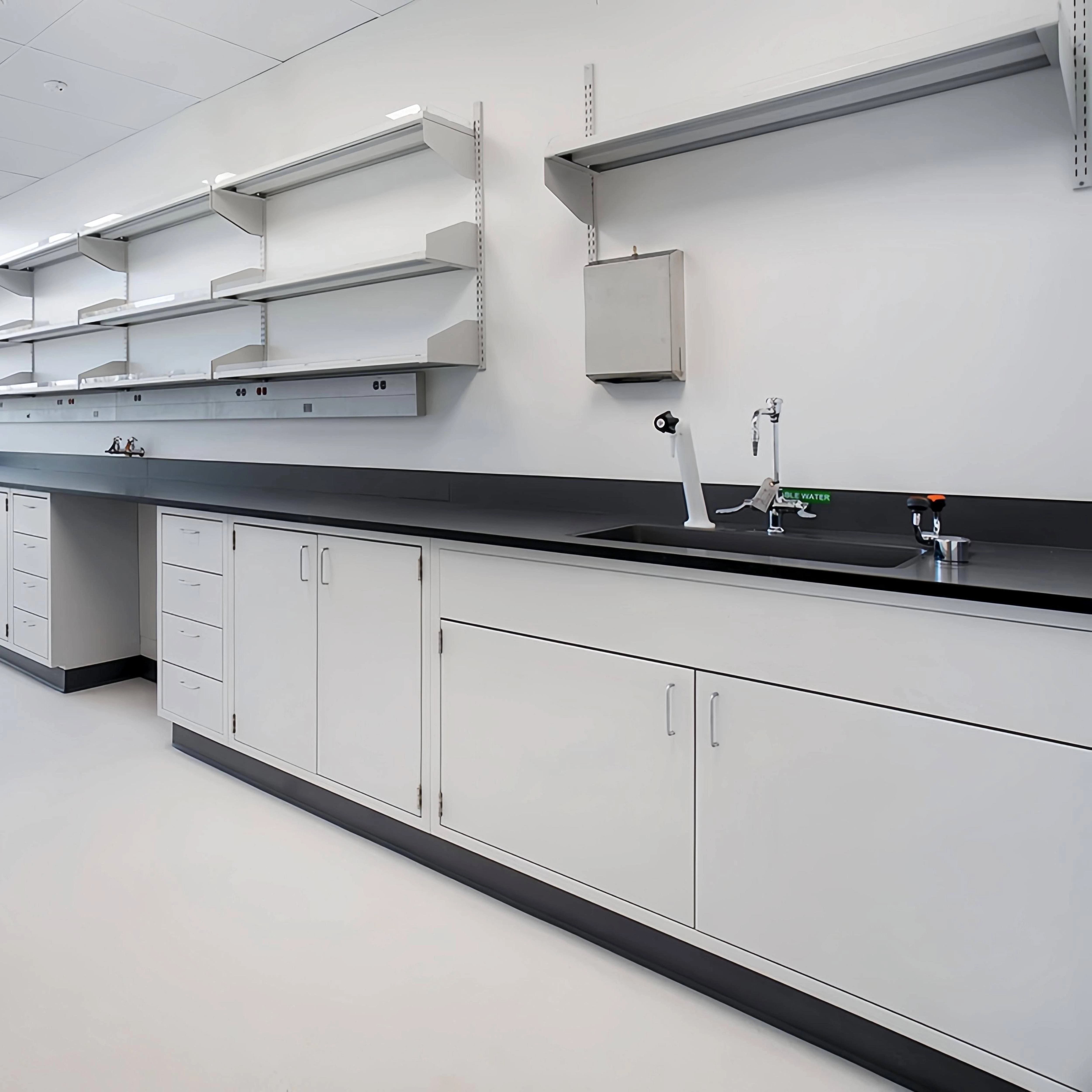
Why We Choose to Be Your Lab Furniture Solution Provider, Not Just a Manufacturer
Max Lab Introduction
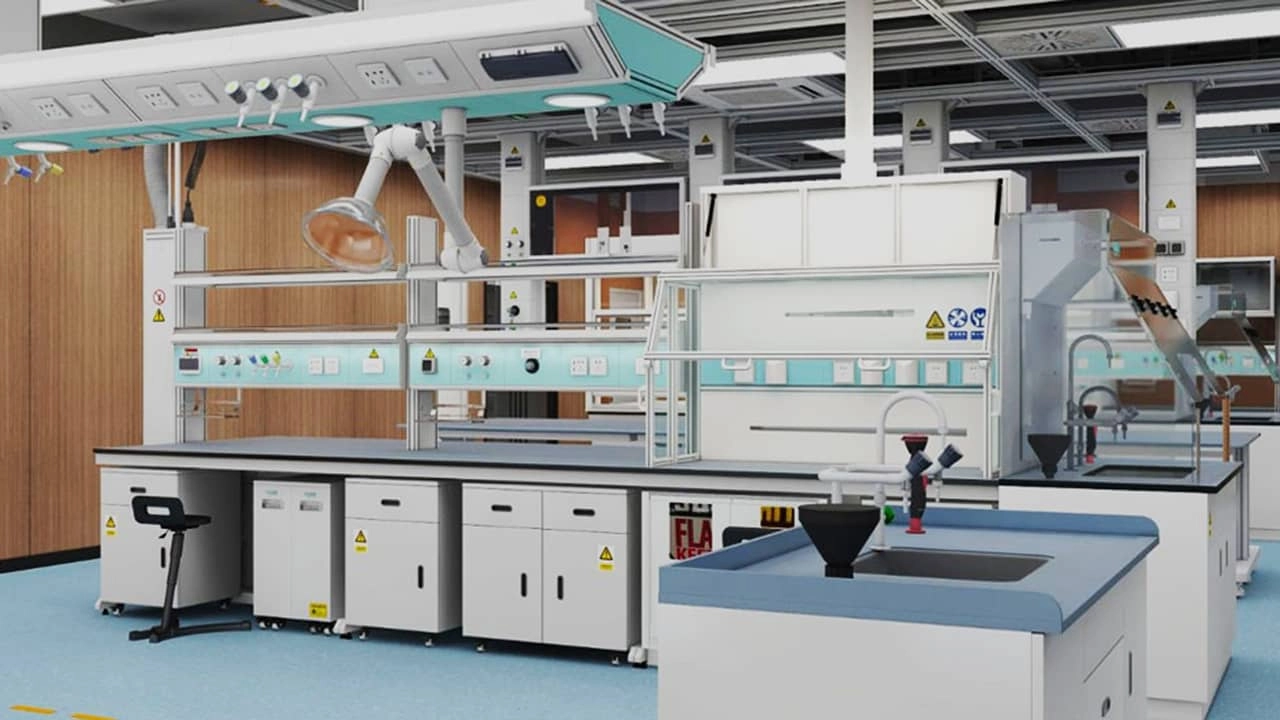
Electronics Lab Bench vs Chemistry Lab Bench: What You Need to Know
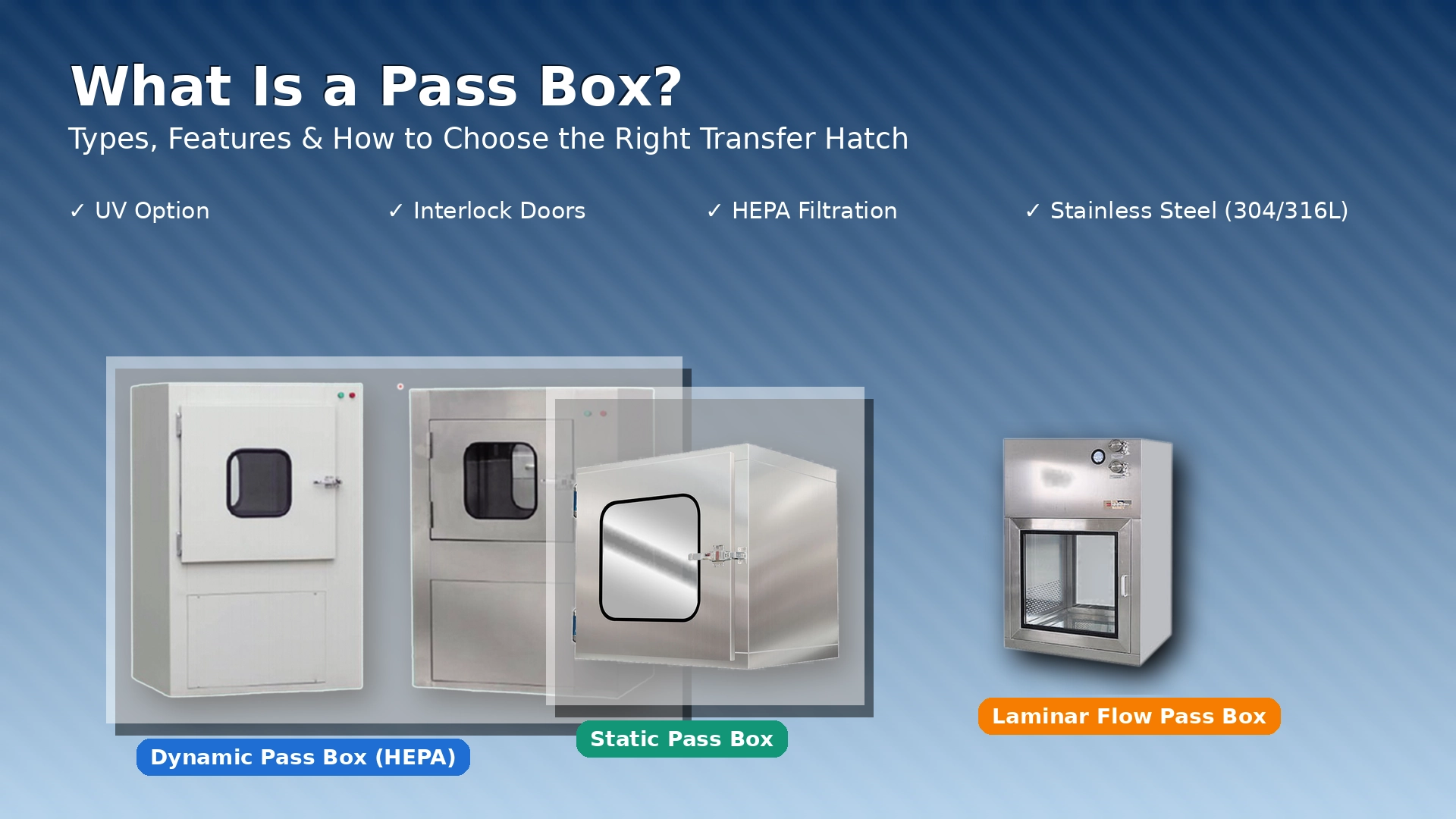
What Is a Pass Box? Types, Features, and How to Choose the Right Transfer Hatch
For Products
Do you have certifications for your products?
Yes, We have CE, ISO9001, ISO14001, OHSASI18001 and so on.
Customization
Can equipment be customized to specific experimental safety standards?
Yes. We offer customized equipment to specific safety standards, such as ANSI/ASHRAE standards, UL certification and ISO safety standards.
For Logistics
Do you offer international shipping?
Yes, we offer international shipping to most regions worldwide. Our logistics team ensures that all items are carefully packaged and delivered on time.
For Customization
Can you create a lab design layout for us?
Yes, we'll provide preliminary layout, confirm 3D drawings and rendering drawings.
What is the process for requesting a custom quote?
To request a custom quote, please provide us with details about your lab’s size, needs, and desired specifications.


Get in touch with us
If you have any comments or good suggestions, please leave us a message; later our professional staff will contact you as soon as possible.

 Scan QR Code
MaxLabFurniture
MaxLab Furniture
daihongada
Max Laboratory