
Resource
- Comprehensive Guide to Laboratory Tables: Materials, Durability, and Selection
- 1. What are the most common materials used for laboratory table surfaces?
- 2. How do epoxy resin lab tables compare to stainless steel?
- 3. What factors should be considered when purchasing laboratory tables?
- 4. How do I determine the durability of a laboratory table?
- 5. What are the maintenance requirements for different laboratory table materials?
- 6. Are there customizable options available for laboratory tables?
- 7. How do I ensure the laboratory table meets safety standards?
- 8. What are the advantages of choosing MAXLAB laboratory tables?
What are the durability differences among table tops?
Comprehensive Guide to Laboratory Tables: Materials, Durability, and Selection
Selecting the right laboratory table is crucial for ensuring safety, efficiency, and longevity in your lab environment. This guide addresses common questions and provides insights into making informed decisions when purchasing lab furniture.
1. What are the most common materials used for laboratory table surfaces?
Laboratory table surfaces are typically made from the following materials:
High-Pressure Laminate (HPL): Cost-effective and easy to clean, suitable for dry labs and light chemical exposure.
Chemical-Resistant Laminate: Enhanced laminate designed to withstand common reagents, ideal for regular wet labs.
Phenolic Resin: Dense, moisture-proof, and highly chemical-resistant; handles frequent cleaning and incidental heat better than laminates.
Solid Epoxy Resin: The gold standard for harsh environments—excellent chemical, heat, and impact resistance.
Stainless Steel: Offers high durability and resistance to corrosion, suitable for sterile or corrosive environments. ((https://www.maxlabfurniture.com/guides/laboratory-tables-guide-materials-features-considerations/))
2. How do epoxy resin lab tables compare to stainless steel?
Epoxy resin tables are known for their excellent chemical resistance, making them ideal for wet chemistry benches and general-purpose labs. They offer high durability and are resistant to acids and bases. ((https://www.maxlabfurniture.com/guides/laboratory-tables-guide-materials-features-considerations/))
Stainless steel tables provide high durability and resistance to corrosion, making them suitable for clinical labs, sterile areas, and corrosive applications. ((https://www.maxlabfurniture.com/guides/laboratory-tables-guide-materials-features-considerations/))
The choice between epoxy resin and stainless steel depends on the specific requirements of your lab, including the types of chemicals used and the need for sterility.
3. What factors should be considered when purchasing laboratory tables?
When selecting laboratory tables, consider the following factors:
Material Selection: Choose materials that balance durability, chemical resistance, and maintenance requirements. ((https://www.maxlabfurniture.com/guides/laboratory-tables-guide-materials-features-considerations/))
Table Configuration: Decide between fixed workbenches, mobile tables, or specialized tables based on your lab's needs. ((https://www.maxlabfurniture.com/blog/ultimate-guide-to-laboratory-table-2026-choose-for-your-lab/))
Additional Features: Consider features such as storage options, sinks, power outlets, and adjustable heights to enhance functionality. ((https://www.maxlabfurniture.com/blog/ultimate-guide-to-laboratory-table-2026-choose-for-your-lab/))
Budget Constraints: Evaluate the total cost, including installation and maintenance, to ensure it aligns with your budget. ((https://www.maxlabfurniture.com/guides/laboratory-tables-guide-materials-features-considerations/))
4. How do I determine the durability of a laboratory table?
Durability is primarily determined by the material used in the table's construction. Materials like epoxy resin and stainless steel are known for their high durability and resistance to wear and tear. ((https://www.maxlabfurniture.com/guides/laboratory-tables-guide-materials-features-considerations/))
Additionally, consider the table's construction quality, including the strength of the frame and the quality of joints and welds.
5. What are the maintenance requirements for different laboratory table materials?
Maintenance requirements vary by material:
High-Pressure Laminate (HPL): Requires regular cleaning with mild detergents; avoid harsh chemicals.
Chemical-Resistant Laminate: Similar to HPL but can withstand more aggressive cleaning agents.
Phenolic Resin: Resistant to staining and easy to clean; use appropriate cleaners to maintain surface integrity.
Solid Epoxy Resin: Requires minimal maintenance; clean with standard laboratory cleaners.
Stainless Steel: Wipe with mild detergents; avoid abrasive materials to prevent scratching. ((https://www.maxlabfurniture.com/guides/laboratory-tables-guide-materials-features-considerations/))
Regular maintenance ensures longevity and optimal performance of the laboratory tables.
6. Are there customizable options available for laboratory tables?
Yes, many manufacturers offer customizable options, including:
Size and Shape: Tailor dimensions to fit your lab space.
Storage Solutions: Incorporate drawers, cabinets, or shelving as needed.
Utility Integration: Add sinks, gas lines, or electrical outlets based on laboratory requirements.
Height Adjustability: Opt for adjustable height tables to accommodate different users and tasks. ((https://www.maxlabfurniture.com/guides/laboratory-tables-guide-materials-features-considerations/))
Customizable features enhance the functionality and ergonomics of your laboratory workspace.
7. How do I ensure the laboratory table meets safety standards?
To ensure safety compliance:
Verify Certifications: Check for industry-standard certifications and compliance with safety regulations.
Assess Stability: Ensure the table is sturdy and can support the intended weight without tipping.
Review Material Safety: Confirm that materials used are non-toxic and suitable for laboratory environments.
Inspect for Hazards: Look for sharp edges, exposed wiring, or other potential safety risks. ((https://www.maxlabfurniture.com/guides/laboratory-tables-guide-materials-features-considerations/))
Regular safety audits and adherence to safety protocols are essential for maintaining a secure laboratory environment.
8. What are the advantages of choosing MAXLAB laboratory tables?
MAXLAB offers laboratory tables that combine durability, functionality, and customization to meet diverse laboratory needs. Their products are designed with high-quality materials and attention to detail, ensuring longevity and performance. ((https://www.maxlabfurniture.com/guides/laboratory-tables-guide-materials-features-considerations/))
By selecting MAXLAB, you invest in laboratory furniture that supports safety, efficiency, and the evolving demands of modern scientific work.
In conclusion, choosing the right laboratory table involves careful consideration of materials, features, and specific laboratory requirements. By addressing these factors, you can create a functional and safe laboratory environment that supports your scientific endeavors.
((https://www.maxlabfurniture.com/guides/laboratory-tables-guide-materials-features-considerations/))
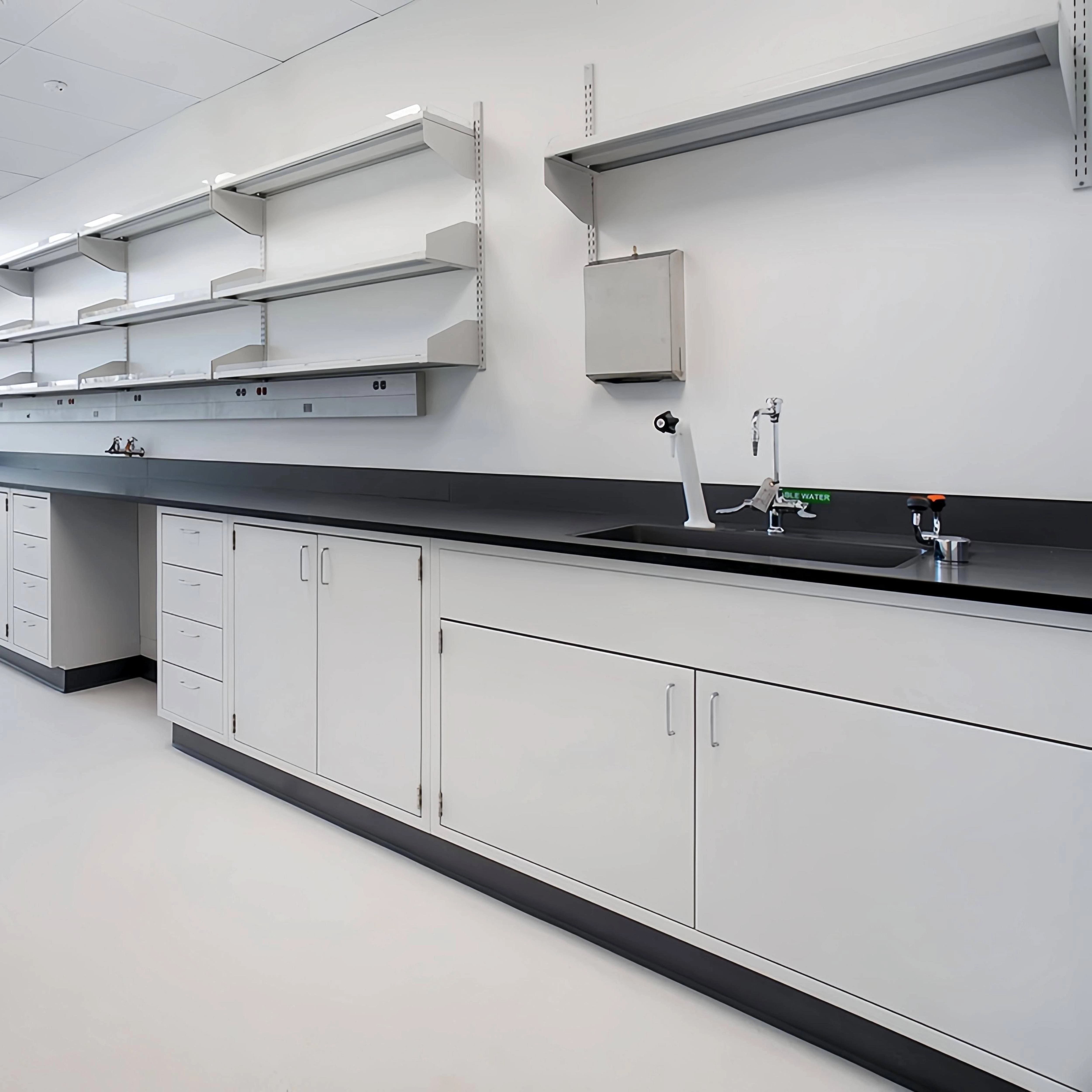
Why We Choose to Be Your Lab Furniture Solution Provider, Not Just a Manufacturer
Max Lab Introduction
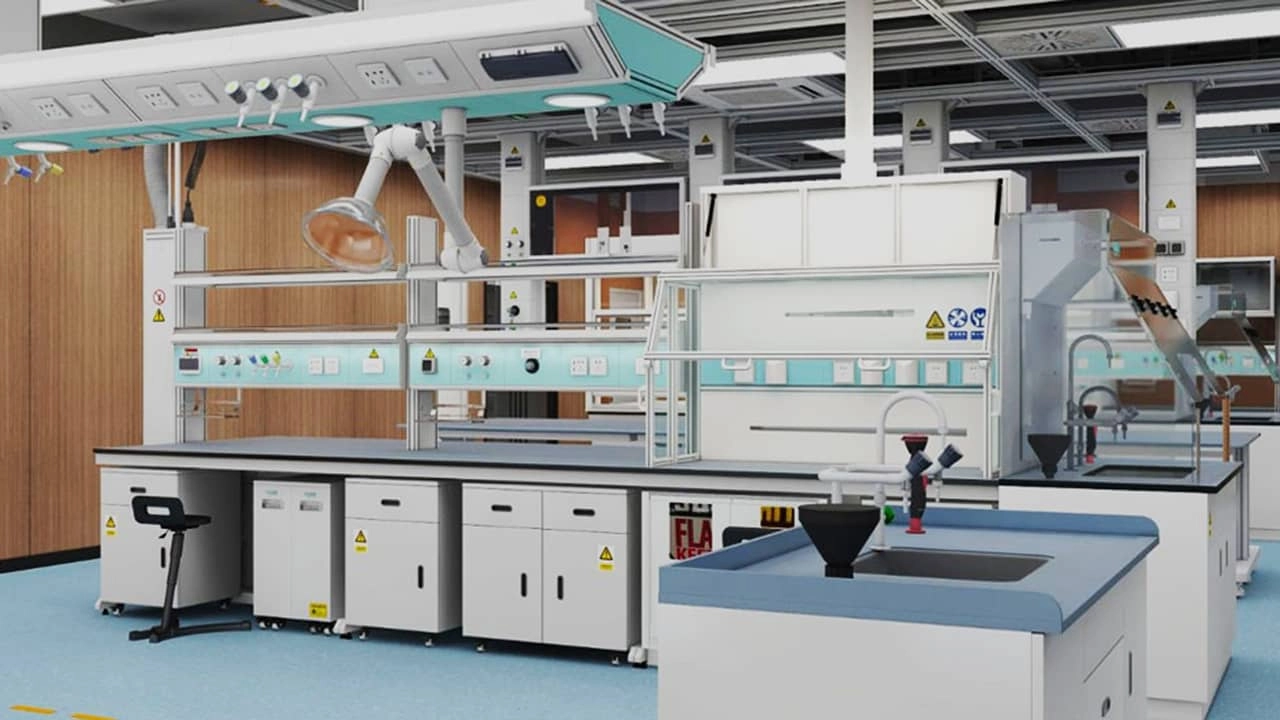
Electronics Lab Bench vs Chemistry Lab Bench: What You Need to Know
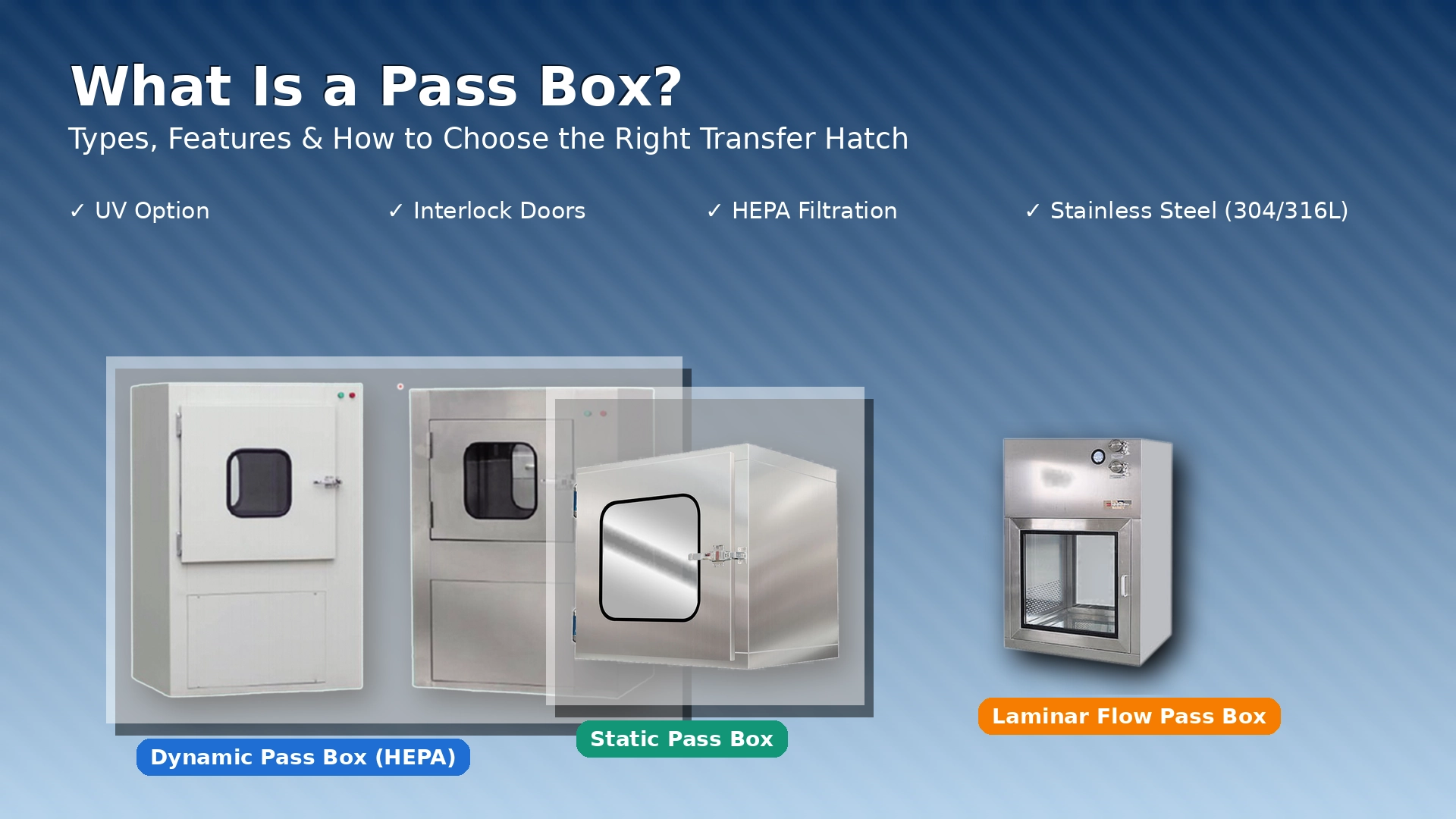
What Is a Pass Box? Types, Features, and How to Choose the Right Transfer Hatch
Customization
Can equipment be customized to specific experimental safety standards?
Yes. We offer customized equipment to specific safety standards, such as ANSI/ASHRAE standards, UL certification and ISO safety standards.
FAQS
Do you offer custom design services?
Yes, we provide full design support tailored to your lab’s specific needs, including layout planning and furniture customization.
For After-Sales Support
Can you help with product troubleshooting?
Yes, our customer support team is available to help with any issues or troubleshooting you may need for your laboratory equipment.
For Company
Do you offer our design service from scratch?
Yes, we provide full design support tailored to your lab’s specific needs, including layout planning and furniture customization.
For Logistics
How do you ensure the safety of items during shipping?
We have 15 years of experience in loading, fragile goods are packed in plywood boxes to ensure that they will not be damaged during transportation.



Get in touch with us
If you have any comments or good suggestions, please leave us a message; later our professional staff will contact you as soon as possible.

 Scan QR Code
MaxLabFurniture
MaxLab Furniture
daihongada
Max Laboratory