
Resource
- Comprehensive Guide to Laboratory Tables: Key Considerations and Features
- 1. What are the primary materials used in laboratory tables?
- 2. How do sinks and service fixtures enhance laboratory tables?
- 3. What are the benefits of modular versus fixed laboratory tables?
- 4. How do I ensure the durability of a laboratory table?
- 5. What are the current trends in laboratory table design?
- 6. How do I select the right laboratory table for my needs?
- 7. What are the key considerations for laboratory table ergonomics?
- 8. How do I maintain laboratory tables to ensure longevity?
- Conclusion: Why Choose MAXLAB for Your Laboratory Furniture Needs?
What role do sinks and service fixtures play in tables?
Comprehensive Guide to Laboratory Tables: Key Considerations and Features
Selecting the right laboratory table is crucial for ensuring safety, efficiency, and durability in your lab environment. This guide addresses common questions and provides insights to assist you in making informed purchasing decisions.
1. What are the primary materials used in laboratory tables?
Laboratory tables are constructed from various materials, each offering distinct advantages:
High-Pressure Laminate (HPL): Cost-effective and easy to clean, suitable for general science and STEM applications. However, it is not resistant to chemicals and should be avoided in labs with strong acids or solvents.
Chemical-Resistant Laminate: An upgraded laminate engineered to withstand common reagents found in middle and high school labs, offering a balance between value and protection for regular wet labs.
Phenolic Resin: Dense, moisture-proof, and highly chemical-resistant; handles frequent cleaning and incidental heat better than laminates. A strong choice for biology and chemistry labs and shared STEM spaces.
Solid Epoxy Resin: The gold standard for harsh environments—excellent chemical, heat, and impact resistance. Ideal near sinks, burners, and heavy apparatus; highest upfront cost but long service life.
2. How do sinks and service fixtures enhance laboratory tables?
Sinks and service fixtures are integral to laboratory tables, especially in wet labs:
Sinks: Facilitate the safe disposal of chemicals and cleaning of equipment. Materials like polypropylene are preferred due to their resistance to acids and other substances.
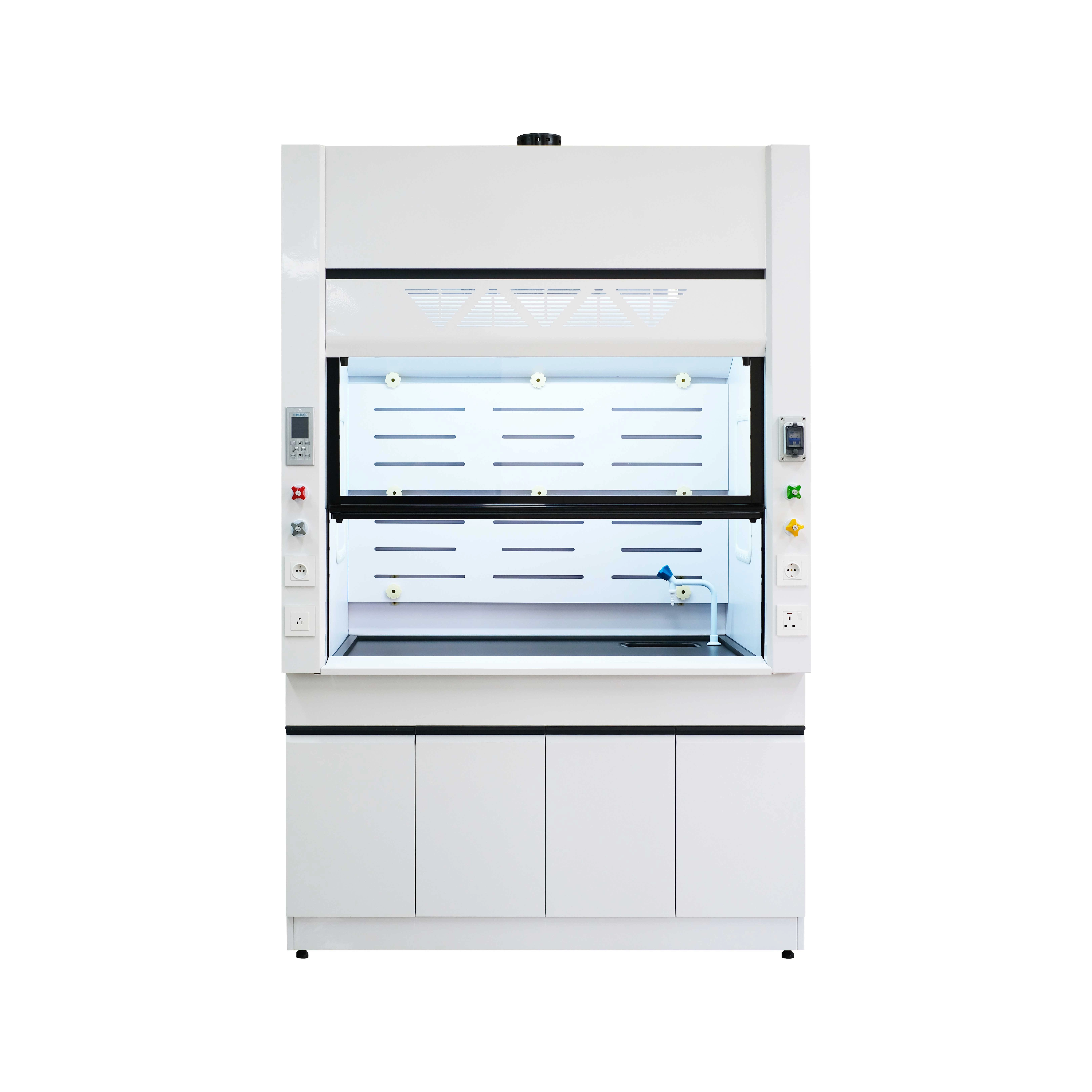
Service Fixtures: Include faucets, gas valves, and electrical outlets, providing essential utilities directly at the workspace, thereby enhancing efficiency and safety.
3. What are the benefits of modular versus fixed laboratory tables?
Choosing between modular and fixed laboratory tables depends on your lab's needs:
Modular Tables: Offer flexibility with movable cabinets and adjustable configurations, allowing for easy reconfiguration as lab requirements change.
Fixed Tables: Provide stability and are often plumbed with gas, water, and data lines, suitable for labs requiring permanent installations. ((https://www.maxlabfurniture.com/blog/ultimate-guide-to-laboratory-table-2026-choose-for-your-lab/))
4. How do I ensure the durability of a laboratory table?
Durability is influenced by material selection and construction quality:
Material Choice: Opt for materials like epoxy resin or phenolic resin, known for their resistance to chemicals, heat, and impact.
Construction Quality: Ensure the table is manufactured by reputable suppliers who adhere to industry standards, offering warranties and after-sales support.
5. What are the current trends in laboratory table design?
Recent trends include:
Sustainability: Manufacturers are moving towards chemical-resistant recycled materials to promote environmental responsibility.
Smart Technology Integration: Incorporating embedded power/data ports and height-adjustment systems to enhance functionality and adaptability.
6. How do I select the right laboratory table for my needs?
Consider the following factors:
Workflow and Space Planning: Choose tables that align with your lab's operations and spatial constraints. ((https://www.maxlabfurniture.com/select-right-lab-furniture-6-tips/))
Material Selection: Balance durability, chemical resistance, and maintenance requirements. ((https://www.maxlabfurniture.com/select-right-lab-furniture-6-tips/))
Safety and Standards Compliance: Ensure the furniture meets relevant safety standards and regulations. ((https://www.maxlabfurniture.com/select-right-lab-furniture-6-tips/))
Modular vs. Custom Solutions: Evaluate the benefits of modular designs versus custom-built options based on your lab's needs. ((https://www.maxlabfurniture.com/select-right-lab-furniture-6-tips/))
Budget and ROI: Assess the total cost of ownership, including initial investment and long-term maintenance. ((https://www.maxlabfurniture.com/select-right-lab-furniture-6-tips/))
Supplier Reliability: Partner with reputable suppliers known for quality products and customer support. ((https://www.maxlabfurniture.com/select-right-lab-furniture-6-tips/))
7. What are the key considerations for laboratory table ergonomics?
Ergonomics are vital for user comfort and productivity:
Adjustable Heights: Tables with adjustable heights accommodate both sitting and standing positions, promoting better posture. ((https://www.maxlabfurniture.com/blog/ultimate-guide-to-laboratory-table-2026-choose-for-your-lab/))
Adequate Space: Ensure sufficient workspace for equipment and materials to prevent overcrowding.
Accessibility: Design layouts that allow easy access to all areas of the table without obstruction.
8. How do I maintain laboratory tables to ensure longevity?
Proper maintenance extends the life of your laboratory tables:
Regular Cleaning: Follow manufacturer guidelines for cleaning to prevent damage to surfaces.
Prompt Spill Management: Address spills immediately to prevent chemical damage or staining.
Periodic Inspections: Check for signs of wear or damage and address issues promptly to maintain safety and functionality.
Conclusion: Why Choose MAXLAB for Your Laboratory Furniture Needs?
MAXLAB offers a comprehensive range of laboratory tables designed to meet diverse needs. Our products feature:
High-Quality Materials: Ensuring durability and resistance to chemicals and heat.
Ergonomic Designs: Promoting user comfort and productivity.
Customization Options: Allowing for tailored solutions to fit specific lab requirements.
Sustainability Initiatives: Incorporating recycled materials to support environmental responsibility.
Partnering with MAXLAB ensures access to reliable, high-quality laboratory furniture that enhances your lab's functionality and safety.
References:
Cleatech, LLC. (2022). What to Consider When Buying a Laboratory Table.
Labkafe. (2021). Lab Furniture Buying Guide.
Worthington Direct. (2022). Science Tables Buying Guide.
MAXLAB. (2025). Laboratory Tables Guide 2026 | Durable & Quality by MAXLAB. ((https://www.maxlabfurniture.com/blog/ultimate-guide-to-laboratory-table-2026-choose-for-your-lab/))
Lab Manager. (2025). Purchasing Guide: Lab Furniture.
Lab Tech Supply Co. (2023). Buyer’s Guide for Lab Tables and Material Selection.
RDM Industrial Products. (2019). A Mini-Guide to Purchasing Lab Furniture.
Accio. (2025). Laboratory Tables: Best Materials & Uses for Labs.
MAXLAB. (2025). 6 Tips to Select the Right Laboratory Furniture. ((https://www.maxlabfurniture.com/select-right-lab-furniture-6-tips/))
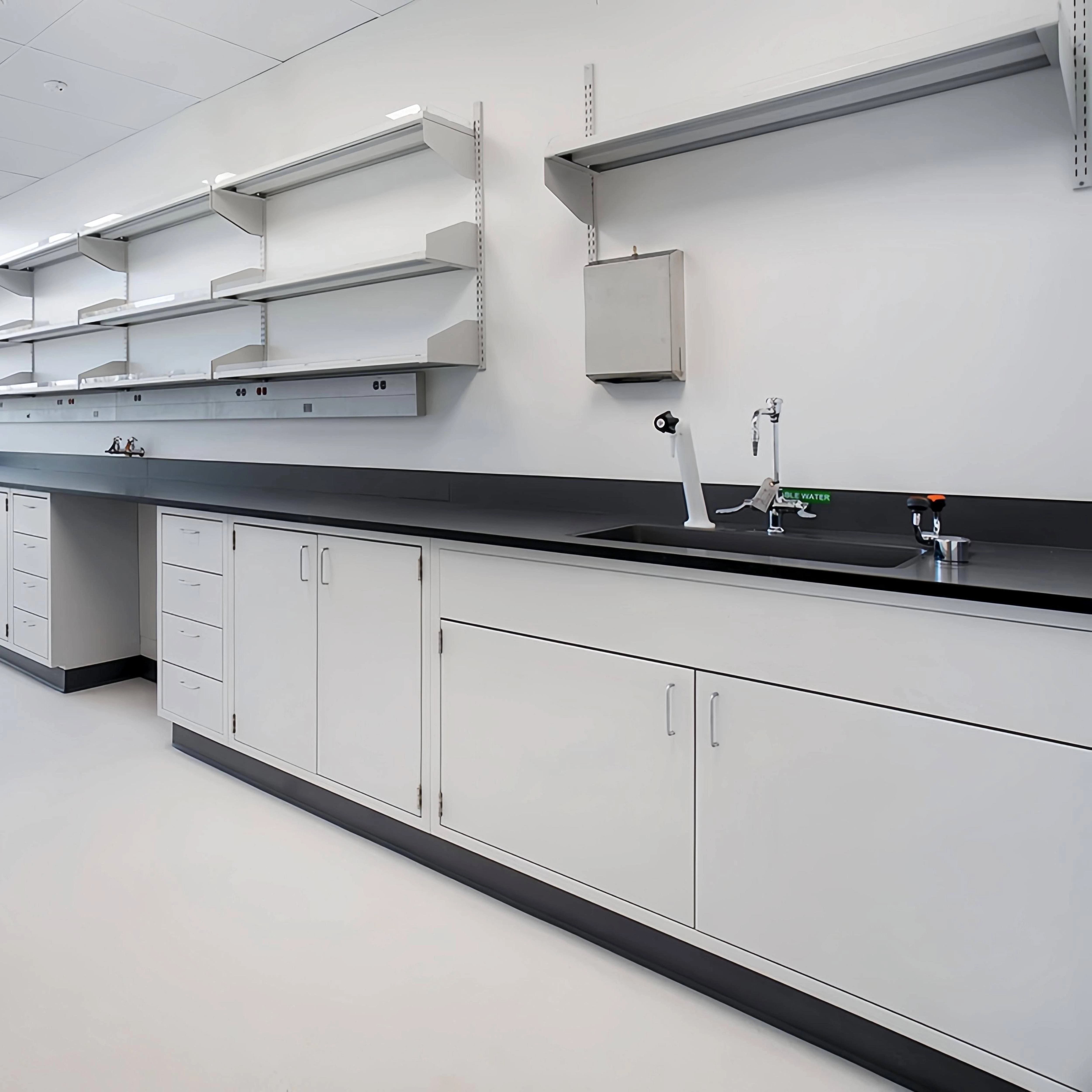
Why We Choose to Be Your Lab Furniture Solution Provider, Not Just a Manufacturer
Max Lab Introduction
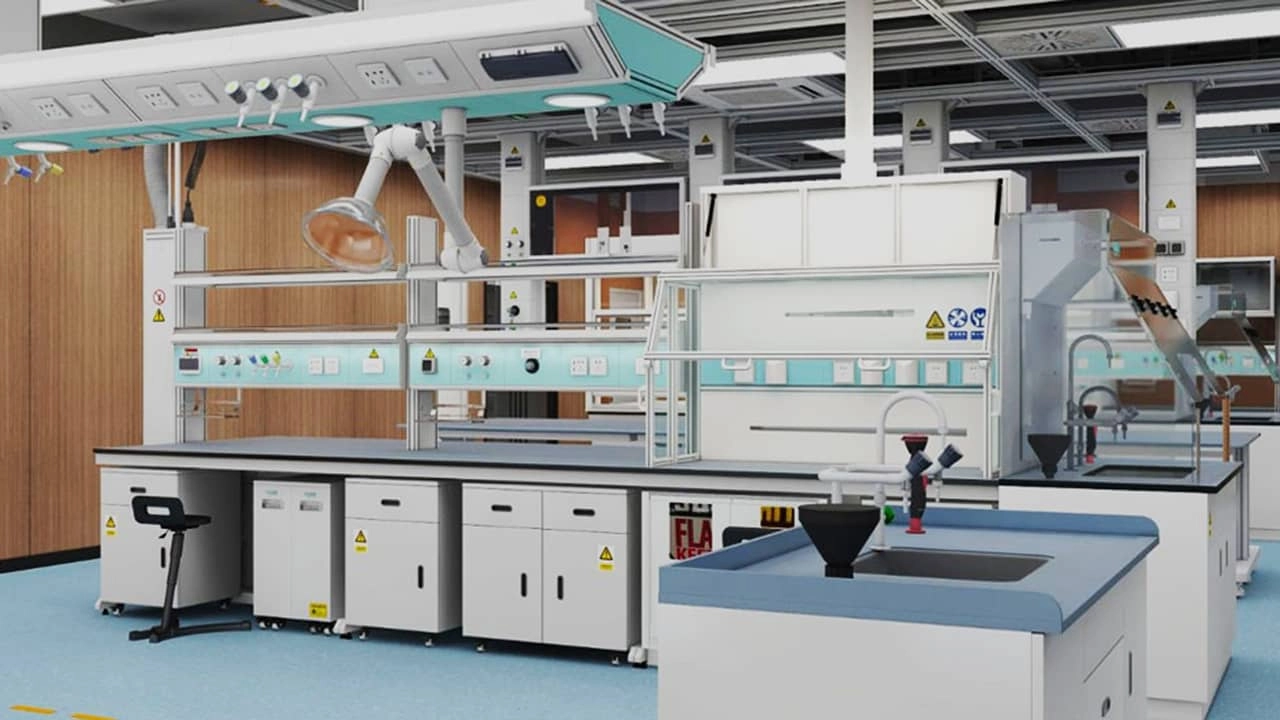
Electronics Lab Bench vs Chemistry Lab Bench: What You Need to Know
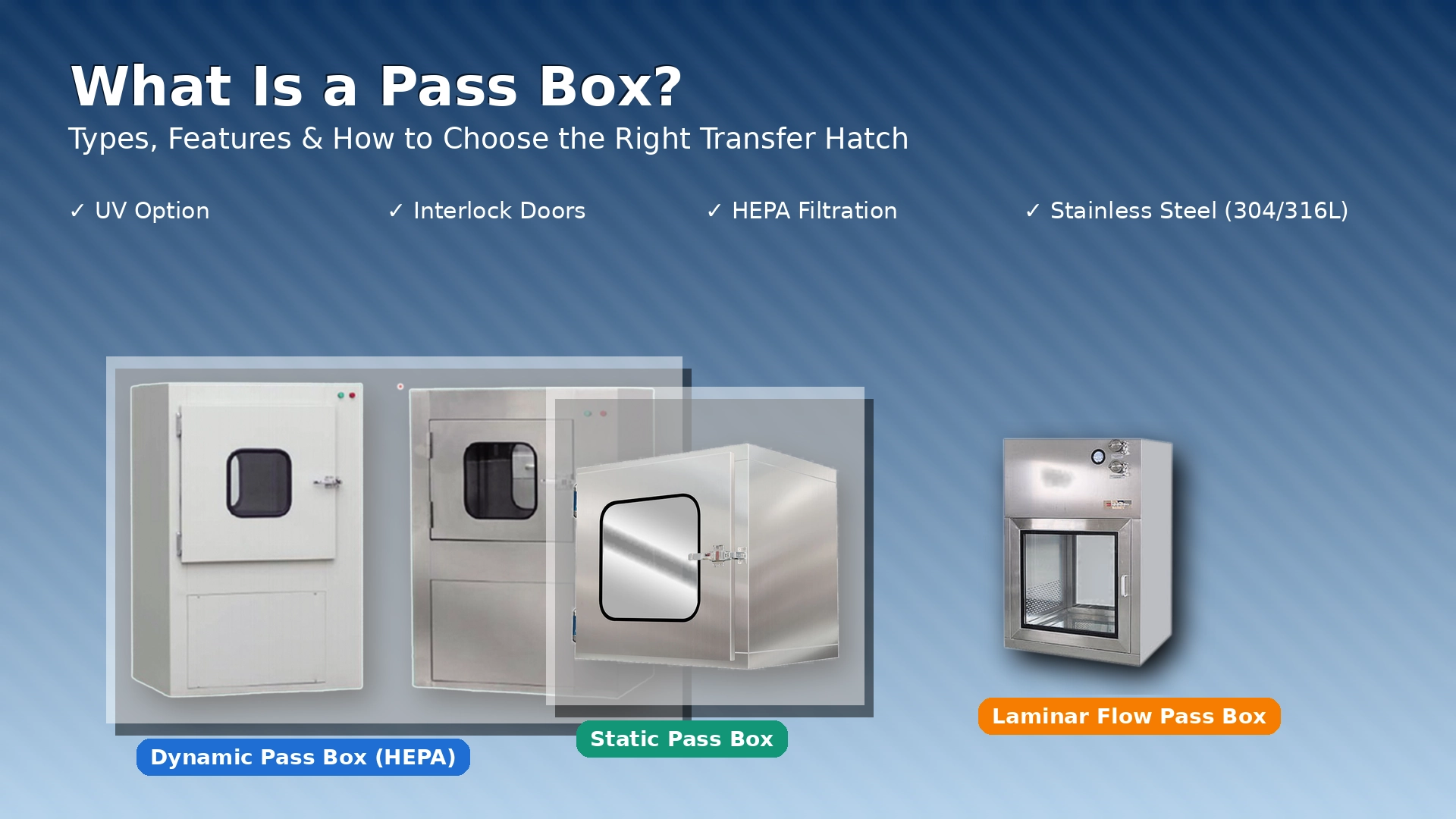
What Is a Pass Box? Types, Features, and How to Choose the Right Transfer Hatch
For Customization
Can I request a specific material for my lab furniture?
Yes, we can customize the material for your lab benches, fume hoods, and other equipment based on your preferences and the type of work being done in your lab.
Can I customize the size and configuration of my lab furniture?
Yes, we offer full customization for laboratory benches, modular systems, and storage units to meet your specific space and functional needs.
For After-Sales Support
How can I get technical support for my equipment?
You can contact our technical support team via email or phone for assistance with installation, troubleshooting, or any issues you encounter with your laboratory equipment.
Customization
How long does it take to customize the product?
The delivery time of the custom equipment depends on the specific customization program and production cycle, which generally takes 4 to 8 weeks. We will keep you updated during the production process.
For Logistics
How are shipping costs calculated?
Shipping costs are calculated based on the size, weight, and destination of your order. We provide a detailed shipping quote during the ordering process.


Get in touch with us
If you have any comments or good suggestions, please leave us a message; later our professional staff will contact you as soon as possible.

 Scan QR Code
MaxLabFurniture
MaxLab Furniture
daihongada
Max Laboratory