
Resource
- Comprehensive Guide to Laboratory Tables: Key Considerations for Your Lab Setup
- 1. What are the primary materials used in laboratory table construction?
- 2. What design standards should laboratory tables adhere to?
- 3. How do ergonomic features impact laboratory table selection?
- 4. What additional features should be considered when purchasing laboratory tables?
- 5. How do laboratory table materials affect maintenance and durability?
- 6. What are the cost considerations when purchasing laboratory tables?
- 7. How can I ensure the laboratory tables meet safety and compliance standards?
- 8. What are the advantages of choosing MAXLAB laboratory tables?
What standards apply to laboratory table design?
Comprehensive Guide to Laboratory Tables: Key Considerations for Your Lab Setup
Selecting the right laboratory table is crucial for ensuring safety, efficiency, and durability in your lab environment. This guide addresses common questions and provides expert insights to assist you in making informed decisions.
1. What are the primary materials used in laboratory table construction?
Laboratory tables are constructed from various materials, each offering distinct advantages:
High-Pressure Laminate (HPL): Cost-effective and easy to clean, suitable for general science and STEM applications. However, it is not resistant to strong acids, solvents, or high heat.
Chemical-Resistant Laminate: An upgraded laminate engineered to withstand common reagents found in middle and high school labs, offering a balance between value and protection for regular wet labs.
Phenolic Resin: Dense, moisture-proof, and highly chemical-resistant; handles frequent cleaning and incidental heat better than laminates. A strong choice for biology and chemistry labs and shared STEM spaces.
Solid Epoxy Resin: The gold standard for harsh environments—excellent chemical, heat, and impact resistance. Ideal near sinks, burners, and heavy apparatus; highest upfront cost but long service life.
Stainless Steel: Offers maximum strength and rigidity, resistant to cracking, peeling, abrasion, and corrosion, making it ideal for industrial and professional settings.
2. What design standards should laboratory tables adhere to?
Laboratory tables should comply with specific standards to ensure safety and functionality:
ANSI/BIFMA Standards: The American National Standards Institute (ANSI) and the Business and Institutional Furniture Manufacturers Association (BIFMA) provide standards for the quality and safety of laboratory tables.
SEFA 8-2020: The Scientific Equipment and Furniture Association (SEFA) standard for laboratory furniture, particularly relevant for wet labs.
ISO 9001 Certification: Indicates that the manufacturer adheres to quality management principles, ensuring consistent product quality.
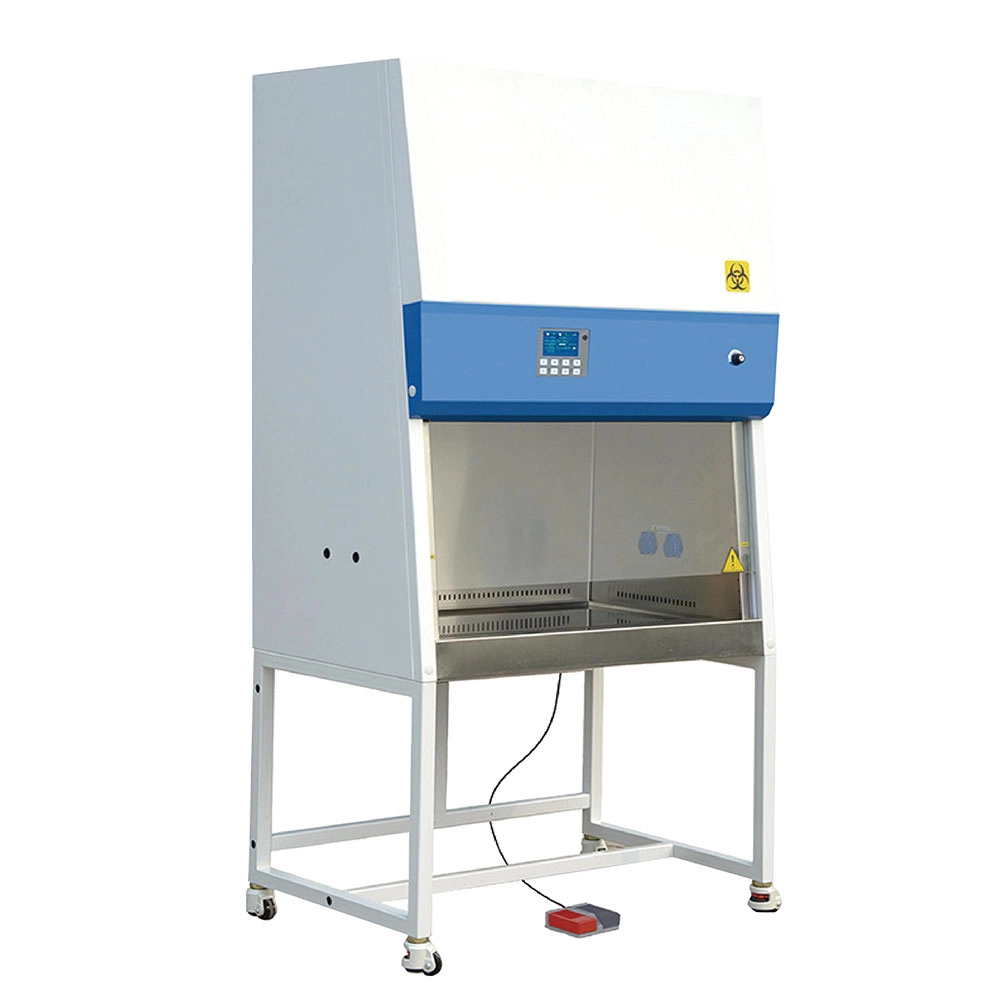
NSF/ANSI 49 Certification: Pertains to biosafety cabinets, ensuring they meet specific safety standards.
3. How do ergonomic features impact laboratory table selection?
Ergonomic design is vital for enhancing comfort and reducing fatigue:
Adjustable Height: Tables with adjustable heights accommodate various users and tasks, promoting better posture and reducing the risk of musculoskeletal disorders.
Optimal Work Surface Height: A work surface height of 28-34 inches is generally recommended, depending on user height and task type, to ensure comfort and efficiency.
4. What additional features should be considered when purchasing laboratory tables?
Additional features can enhance functionality and safety:
Storage Options: Integrated drawers and cabinets help organize equipment and materials, maintaining a clutter-free workspace.
Utility Integration: Tables with built-in sinks, gas lines, and electrical outlets support various laboratory activities and reduce the need for external connections. ((https://www.maxlabfurniture.com/blog/ultimate-guide-to-laboratory-table-2026-choose-for-your-lab/))
Mobility: Mobile lab tables with industrial-grade casters offer flexibility in lab layout and can be easily reconfigured as needed. ((https://www.maxlabfurniture.com/blog/ultimate-guide-to-laboratory-table-2026-choose-for-your-lab/))
5. How do laboratory table materials affect maintenance and durability?
Material selection influences maintenance requirements and longevity:
Epoxy Resin: Highly resistant to chemicals and heat, epoxy resin surfaces are durable and require minimal maintenance.
Phenolic Resin: Water-resistant and resistant to most solvents and chemicals, phenolic resin is durable and easy to maintain.
Stainless Steel: Requires regular cleaning to prevent corrosion but is highly durable and long-lasting.
6. What are the cost considerations when purchasing laboratory tables?
Cost varies based on material, features, and customization:
Budget-Friendly Options: High-Pressure Laminate tables are cost-effective but may not offer the same durability as more expensive materials.
Mid-Range Options: Phenolic Resin and Chemical-Resistant Laminate tables offer a balance between cost and durability, suitable for general laboratory use.
Premium Options: Epoxy Resin and Stainless Steel tables are more expensive but provide superior durability and resistance to harsh laboratory conditions.
7. How can I ensure the laboratory tables meet safety and compliance standards?
To ensure safety and compliance:
Verify Certifications: Check for relevant certifications such as ANSI/BIFMA, SEFA 8-2020, and ISO 9001.
Consult Manufacturers: Engage with reputable manufacturers who can provide detailed information on compliance and safety features.
Conduct Regular Inspections: Implement a routine inspection schedule to identify and address any safety concerns promptly.
8. What are the advantages of choosing MAXLAB laboratory tables?
MAXLAB offers several benefits:
Quality Materials: Utilizes high-quality materials such as epoxy resin and stainless steel for durability and resistance to harsh laboratory conditions. ((https://www.maxlabfurniture.com/blog/ultimate-guide-to-laboratory-table-2026-choose-for-your-lab/))
Customization Options: Provides customizable features to meet specific laboratory requirements, including storage solutions and utility integrations. ((https://www.maxlabfurniture.com/select-right-lab-furniture-6-tips/))
Compliance and Safety: Ensures all products meet industry standards and safety regulations, providing peace of mind for laboratory managers.
Ergonomic Design: Offers ergonomic designs to enhance user comfort and reduce fatigue during prolonged use.
Cost-Effectiveness: Provides a range of options to suit different budgets without compromising on quality or safety.
By considering these factors, you can select laboratory tables that align with your lab's specific needs, ensuring a safe and efficient working environment.
References:- ((https://www.maxlabfurniture.com/blog/ultimate-guide-to-laboratory-table-2026-choose-for-your-lab/))- ((https://www.maxlabfurniture.com/select-right-lab-furniture-6-tips/))
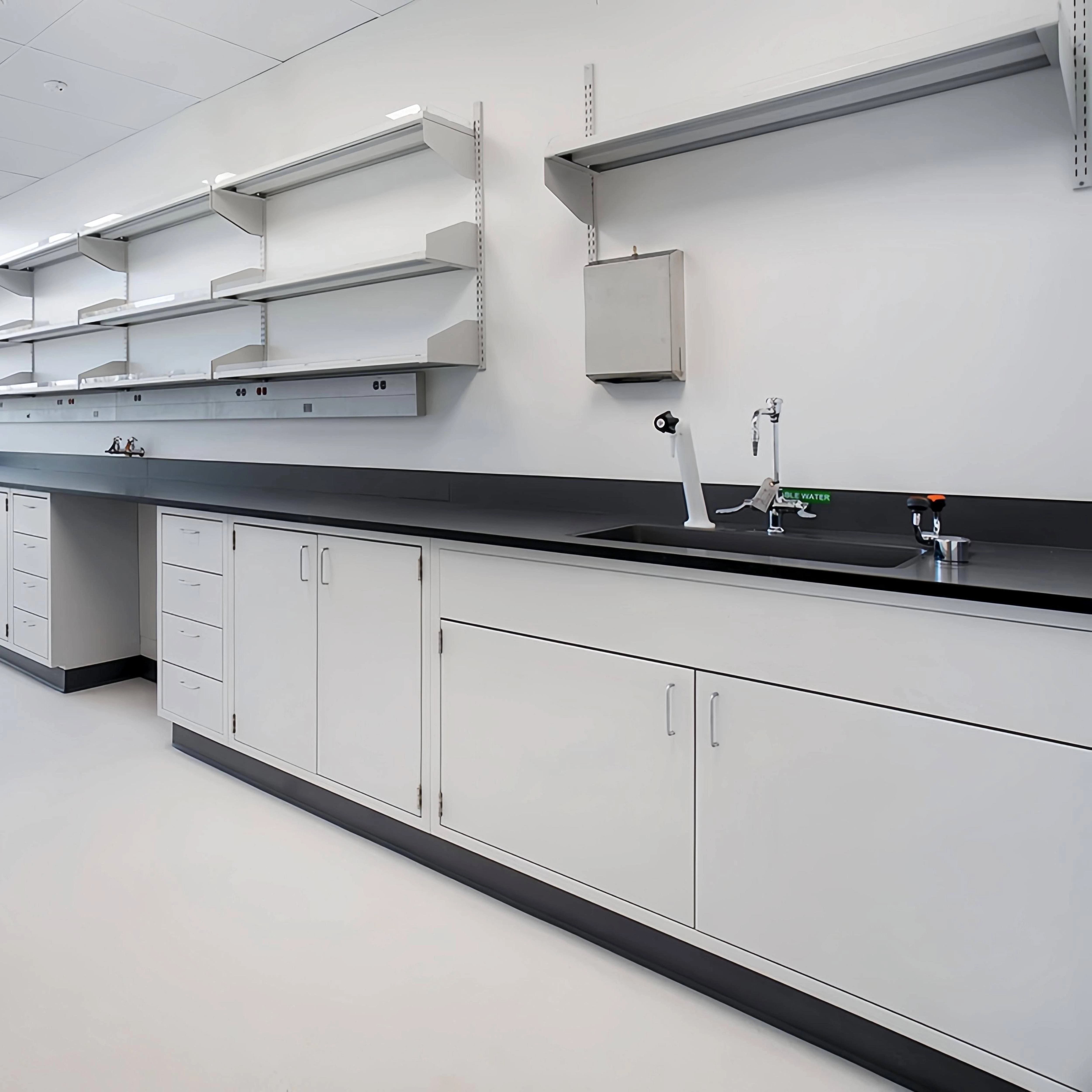
Why We Choose to Be Your Lab Furniture Solution Provider, Not Just a Manufacturer
Max Lab Introduction
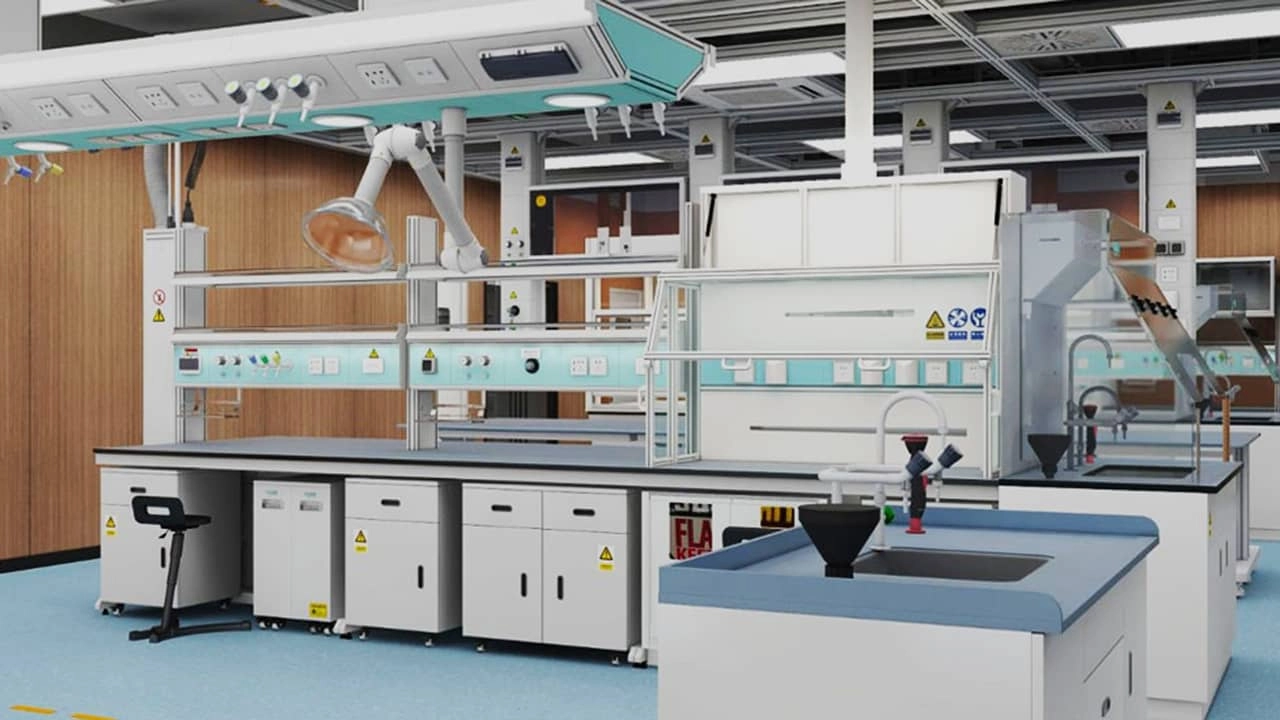
Electronics Lab Bench vs Chemistry Lab Bench: What You Need to Know
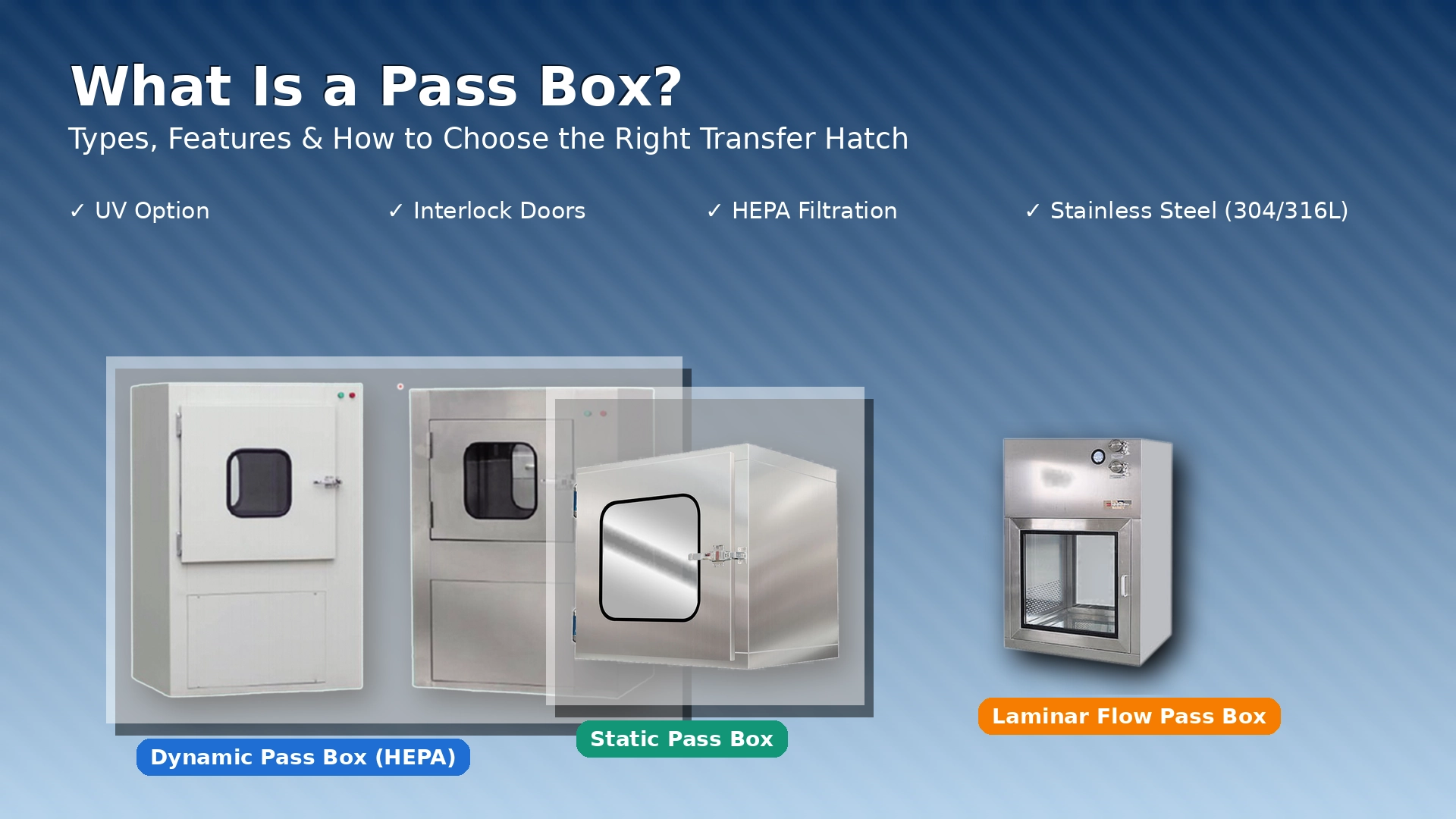
What Is a Pass Box? Types, Features, and How to Choose the Right Transfer Hatch
For Logistics
How do you ensure the safety of items during shipping?
We have 15 years of experience in loading, fragile goods are packed in plywood boxes to ensure that they will not be damaged during transportation.
Customization
Are customized services suitable for small laboratories?
Yes, our customized services are suitable for all types of laboratories, including small ones. We are able to provide customized solutions according to the actual needs of the laboratory.
For Company
Do you offer our design service from scratch?
Yes, we provide full design support tailored to your lab’s specific needs, including layout planning and furniture customization.
Can I visit your factory or showroom?
Yes, we welcome visits to our showroom and production facility. Please contact us in advance to schedule an appointment.
For Customization
Can you create a lab design layout for us?
Yes, we'll provide preliminary layout, confirm 3D drawings and rendering drawings.


Get in touch with us
If you have any comments or good suggestions, please leave us a message; later our professional staff will contact you as soon as possible.

 Scan QR Code
MaxLabFurniture
MaxLab Furniture
daihongada
Max Laboratory