
Resource
- Comprehensive Guide to Laboratory Tables: Key Considerations and Safety Features
- 1. What are the primary materials used in laboratory tables?
- 2. What safety features should a laboratory table have?
- 3. How do I determine the appropriate size and configuration for my laboratory table?
- 4. What customization options are available for laboratory tables?
- 5. How do I ensure the durability and longevity of my laboratory table?
- 6. What are the current market trends in laboratory furniture?
- 7. How do I assess the total cost of ownership for laboratory tables?
- 8. What are the key safety standards and certifications to consider when purchasing laboratory tables?
- Conclusion: Why Choose MAXLAB for Your Laboratory Furniture Needs?
What safety features should a laboratory table have?
Comprehensive Guide to Laboratory Tables: Key Considerations and Safety Features
When setting up or upgrading a laboratory, selecting the right laboratory table is crucial for ensuring safety, efficiency, and durability. This guide addresses common questions and provides expert insights to assist you in making informed decisions.
1. What are the primary materials used in laboratory tables?
Laboratory tables are constructed from various materials, each offering distinct advantages:
-
High-Pressure Laminate (HPL): Cost-effective and easy to clean, suitable for general science and STEM applications. However, it is not resistant to chemicals and should be avoided in environments with strong acids or solvents.
-
Chemical-Resistant Laminate: An upgraded laminate engineered to withstand common reagents found in middle and high school labs, offering a balance between value and protection for regular wet labs.
-
Phenolic Resin: Dense, moisture-proof, and highly chemical-resistant; handles frequent cleaning and incidental heat better than laminates. A strong choice for biology and chemistry labs and shared STEM spaces.
-
Solid Epoxy Resin: The gold standard for harsh environments—excellent chemical, heat, and impact resistance. Ideal near sinks, burners, and heavy apparatus; highest upfront cost but long service life.
-
Stainless Steel: Offers maximum strength and rigidity, making it suitable for labs requiring robust and durable surfaces.
2. What safety features should a laboratory table have?
Ensuring safety in the laboratory involves several key features:
-
Chemical Resistance: Tables should be made from materials that can withstand chemical spills and exposures, such as epoxy resin or phenolic resin.
-
Fire Resistance: Materials like epoxy resin offer high heat resistance, reducing the risk of fire hazards.
-
Edge Sealing: Proper sealing of table edges prevents liquid penetration, maintaining a hygienic and safe workspace.
-
Ergonomic Design: Adjustable-height tables can accommodate various users, promoting comfort and reducing the risk of musculoskeletal injuries.
-
Electrical Safety: Incorporating grounded electrical outlets and ensuring proper wiring can prevent electrical hazards.
3. How do I determine the appropriate size and configuration for my laboratory table?
Selecting the right size and configuration depends on several factors:
-
Available Space: Measure your laboratory area to ensure the table fits comfortably, allowing for adequate movement and accessibility. ((https://www.maxlabfurniture.com/select-right-lab-furniture-6-tips/))
-
Intended Use: Consider the specific tasks to be performed. For instance, wet labs may require tables with built-in sinks, while dry labs might prioritize ample workspace. ((https://www.maxlabfurniture.com/blog/ultimate-guide-to-laboratory-table-2026-choose-for-your-lab/))
-
Future Expansion: Opt for modular designs that can be reconfigured or expanded as your laboratory's needs evolve.
4. What customization options are available for laboratory tables?
Laboratory tables can be customized with various features to enhance functionality:
-
Integrated Utilities: Incorporate sinks, gas lines, and electrical outlets directly into the table design for a streamlined setup.
-
Storage Solutions: Add drawers, cabinets, or shelving to organize equipment and materials efficiently.
-
Mobility Features: Equip tables with casters for easy movement and reconfiguration of the laboratory space. ((https://www.maxlabfurniture.com/blog/ultimate-guide-to-laboratory-table-2026-choose-for-your-lab/))
5. How do I ensure the durability and longevity of my laboratory table?
To maximize the lifespan of your laboratory table:
-
Material Selection: Choose high-quality, durable materials appropriate for your laboratory's specific needs.
-
Regular Maintenance: Implement a routine cleaning and maintenance schedule to address wear and tear promptly.
-
Quality Assurance: Purchase from reputable manufacturers who provide warranties and adhere to industry standards.
6. What are the current market trends in laboratory furniture?
Recent trends in laboratory furniture include:
-
Modular Designs: Flexible configurations that allow for easy reconfiguration and adaptation to changing laboratory needs.
-
Sustainability: Increased use of recycled and eco-friendly materials in furniture construction.
-
Smart Technology Integration: Incorporation of embedded power/data ports and height-adjustment systems to enhance functionality.
7. How do I assess the total cost of ownership for laboratory tables?
Evaluating the total cost involves:
-
Initial Purchase Price: Consider the upfront cost of the table and any customization options.
-
Maintenance Costs: Account for cleaning, repairs, and potential replacements over time.
-
Operational Efficiency: Assess how the table's design and features contribute to laboratory productivity and safety.
8. What are the key safety standards and certifications to consider when purchasing laboratory tables?
Ensure compliance with relevant safety standards:
-
ANSI/SEFA 8-2020: Guidelines for laboratory furniture, including load capacity and material specifications.
-
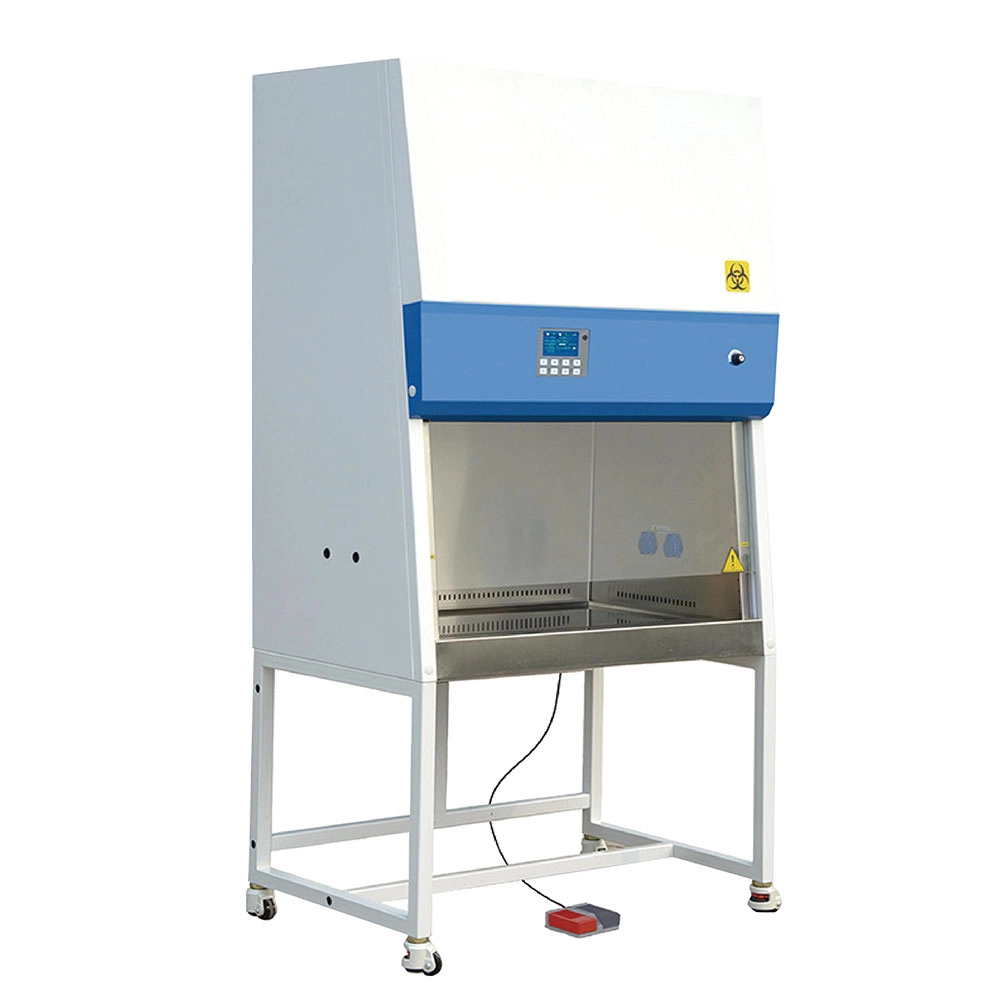
NSF/ANSI 49: Standards for biosafety cabinets, ensuring proper containment and safety.
-
ISO 9001 Certification: Indicates quality management systems and consistent product quality.
Conclusion: Why Choose MAXLAB for Your Laboratory Furniture Needs?
MAXLAB offers a comprehensive range of laboratory tables designed with safety, durability, and functionality in mind. Our products adhere to the highest industry standards, ensuring a reliable and efficient laboratory environment. With customizable options and a commitment to quality, MAXLAB is your trusted partner in laboratory furniture solutions.
By considering these factors and selecting the appropriate laboratory table, you can create a safe, efficient, and productive workspace tailored to your specific needs.
Why We Choose to Be Your Lab Furniture Solution Provider, Not Just a Manufacturer
Max Lab Introduction
Electronics Lab Bench vs Chemistry Lab Bench: What You Need to Know
What Is a Pass Box? Types, Features, and How to Choose the Right Transfer Hatch
FAQS
What quality standards do your products meet?
We conduct strict quality inspections before products leave the factory to ensure they meet international standards and customer expectations.
Where are your products manufactured?
All products are manufactured in our advanced facility—the largest laboratory furniture factory in Guangzhou—ensuring strict quality control.
Customization
Do you offer free design consultation?
Yes, we provide our clients with free preliminary design consulting services. Our design team will provide advice based on your needs and budget, and help you develop a laboratory layout and equipment plan that meets your requirements.
For Products
What materials do you use for your furniture?
We use a variety of durable materials such as stainless steel, steel wood, PP and wood composites. Our countertop materials are phenolic resin, epoxy resin, ceramic, trespa and granite, depending on your lab’s needs.
What products does MAX LAB offer?
We specialize in laboratory furniture and equipment, including lab benches, fume hoods, storage cabinets, lab accessories, and custom lab solutions.


Get in touch with us
If you have any comments or good suggestions, please leave us a message; later our professional staff will contact you as soon as possible.

 Scan QR Code
MaxLabFurniture
MaxLab Furniture
daihongada
Max Laboratory