
Resource
- Comprehensive Guide to Laboratory Tables and Enhancing Their Functionality
- 1. What are the primary materials used for laboratory table surfaces?
- 2. How do I determine the appropriate size and configuration for a laboratory table?
- 3. What accessories can enhance the functionality of a laboratory table?
- 4. How do I maintain and clean laboratory table surfaces?
- 5. What are the key considerations when purchasing laboratory tables?
- 6. How can I ensure the laboratory table meets safety standards?
- 7. What are the advantages of choosing MAXLAB laboratory tables?
What accessories improve laboratory table functionality?
Comprehensive Guide to Laboratory Tables and Enhancing Their Functionality
Laboratory tables are fundamental to any scientific workspace, providing the necessary surface for experiments, research, and analysis. Selecting the right laboratory table and equipping it with appropriate accessories can significantly enhance functionality, safety, and efficiency. This guide addresses common questions and considerations to assist in making informed decisions.
1. What are the primary materials used for laboratory table surfaces?
The choice of material for a laboratory table surface is crucial, as it impacts durability, chemical resistance, and maintenance requirements. Common materials include:
High-Pressure Laminate (HPL): Cost-effective and easy to clean, suitable for dry labs and light chemical exposure. However, it is not resistant to strong acids, solvents, or very high heat.
Chemical-Resistant Laminate: An upgraded laminate engineered to withstand common reagents found in middle and high school labs, offering a balance between value and protection for regular wet labs.
Phenolic Resin: Dense, moisture-proof, and highly chemical-resistant; handles frequent cleaning and incidental heat better than laminates. A strong choice for biology and chemistry labs and shared STEM spaces.
Solid Epoxy Resin: The gold standard for harsh environments—excellent chemical, heat, and impact resistance. Ideal near sinks, burners, and heavy apparatus; highest upfront cost but long service life.
2. How do I determine the appropriate size and configuration for a laboratory table?
Selecting the right size and configuration depends on the available space, the number of users, and the specific tasks to be performed:
Fixed Workbenches: Provide stability and are suitable for tasks requiring a sturdy surface. They can be configured as island benches, accessible from all sides, or wall-mounted tables, ideal for tasks like computer work or microscopy. ((https://www.maxlabfurniture.com/blog/ultimate-guide-to-laboratory-table-2026-choose-for-your-lab/))
Mobile Laboratory Tables: Equipped with industrial-grade casters, these tables offer flexibility, allowing for easy reconfiguration of the lab space. They are ideal for shared equipment environments or classrooms where layouts frequently change. ((https://www.maxlabfurniture.com/blog/ultimate-guide-to-laboratory-table-2026-choose-for-your-lab/))
Specialized Laboratory Tables: Designed for specific tasks, such as adjustable height tables for ergonomic needs, anti-vibration tables for sensitive equipment, or ESD (Electrostatic Discharge) tables for electronics labs. ((https://www.maxlabfurniture.com/blog/ultimate-guide-to-laboratory-table-2026-choose-for-your-lab/))
3. What accessories can enhance the functionality of a laboratory table?
Equipping laboratory tables with appropriate accessories can improve organization, safety, and efficiency:
Storage Solutions: Incorporate drawers, cabinets, or shelves to keep equipment organized and easily accessible. Under-storage options like 3D drawers or cabinets with adjustable/removable shelves are beneficial for storing small equipment or heavy bottles.
Utility Connections: Integrate sinks, gas, water, and electrical outlets into the table design to support various laboratory activities. Ensure that utility lines are routed safely to prevent hazards.
Ergonomic Features: Adjustable height tables accommodate different user needs and promote comfort during extended use. ((https://www.maxlabfurniture.com/blog/ultimate-guide-to-laboratory-table-2026-choose-for-your-lab/))
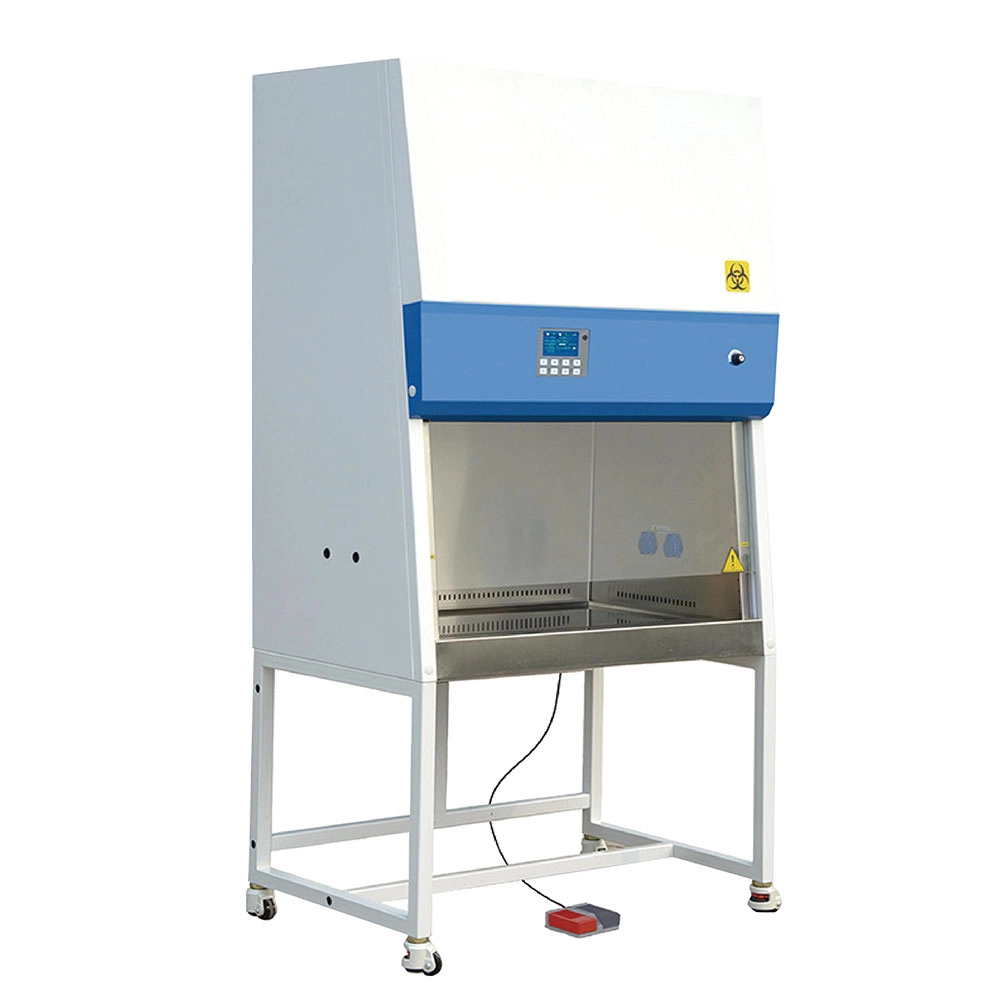
Safety Equipment: Install fume hoods, eyewash stations, and fire extinguishers as necessary to ensure a safe working environment.
4. How do I maintain and clean laboratory table surfaces?
Proper maintenance extends the lifespan of laboratory tables and ensures a safe working environment:
High-Pressure Laminate (HPL): Wipe spills promptly; use approved cleaners; avoid abrasives.
Phenolic and Epoxy Resins: Tolerate frequent disinfecting but still follow dilution and dwell-time recommendations.
Stainless Steel: Clean with mild detergents and avoid harsh chemicals to prevent corrosion.
Wooden Surfaces: Regularly sand and re-oil to maintain appearance and prevent damage.
5. What are the key considerations when purchasing laboratory tables?
When selecting laboratory tables, consider the following factors:
Material Selection: Choose materials that align with the specific needs of your laboratory, balancing durability, chemical resistance, and maintenance requirements. ((https://www.maxlabfurniture.com/select-right-lab-furniture-6-tips/))
Customization Options: Look for tables that offer customization, such as adjustable heights, integrated utilities, and storage solutions, to tailor the workspace to your requirements.
Budget Constraints: Balance quality and cost to ensure a sound investment that meets your laboratory's needs without overspending.
Supplier Reputation: Choose reputable suppliers known for quality products and reliable customer service.
6. How can I ensure the laboratory table meets safety standards?
To ensure safety compliance:
Certifications: Verify that the laboratory table meets relevant safety and quality standards.
Design Features: Ensure the table design includes safety features such as rounded edges, non-slip surfaces, and proper weight distribution.
Regular Inspections: Conduct routine inspections to identify and address potential hazards promptly.
7. What are the advantages of choosing MAXLAB laboratory tables?
MAXLAB offers laboratory tables that combine durability, functionality, and customization to meet diverse laboratory needs. Their products are designed with user safety and efficiency in mind, incorporating features such as chemical-resistant surfaces, ergonomic designs, and integrated storage solutions. By choosing MAXLAB, you invest in quality laboratory furniture that enhances your workspace's performance and longevity.
((https://www.maxlabfurniture.com/blog/ultimate-guide-to-laboratory-table-2026-choose-for-your-lab/))
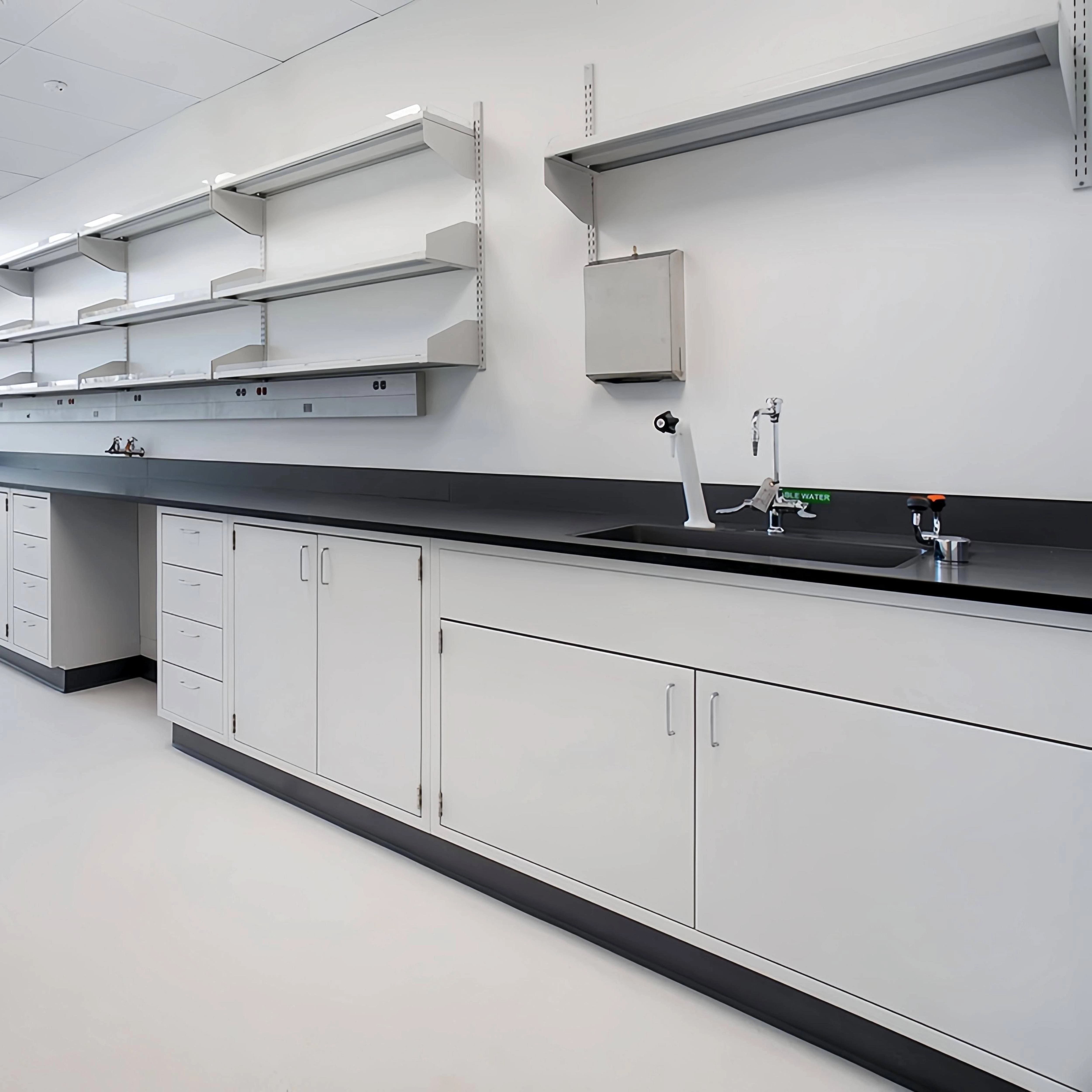
Why We Choose to Be Your Lab Furniture Solution Provider, Not Just a Manufacturer

Max Lab Introduction
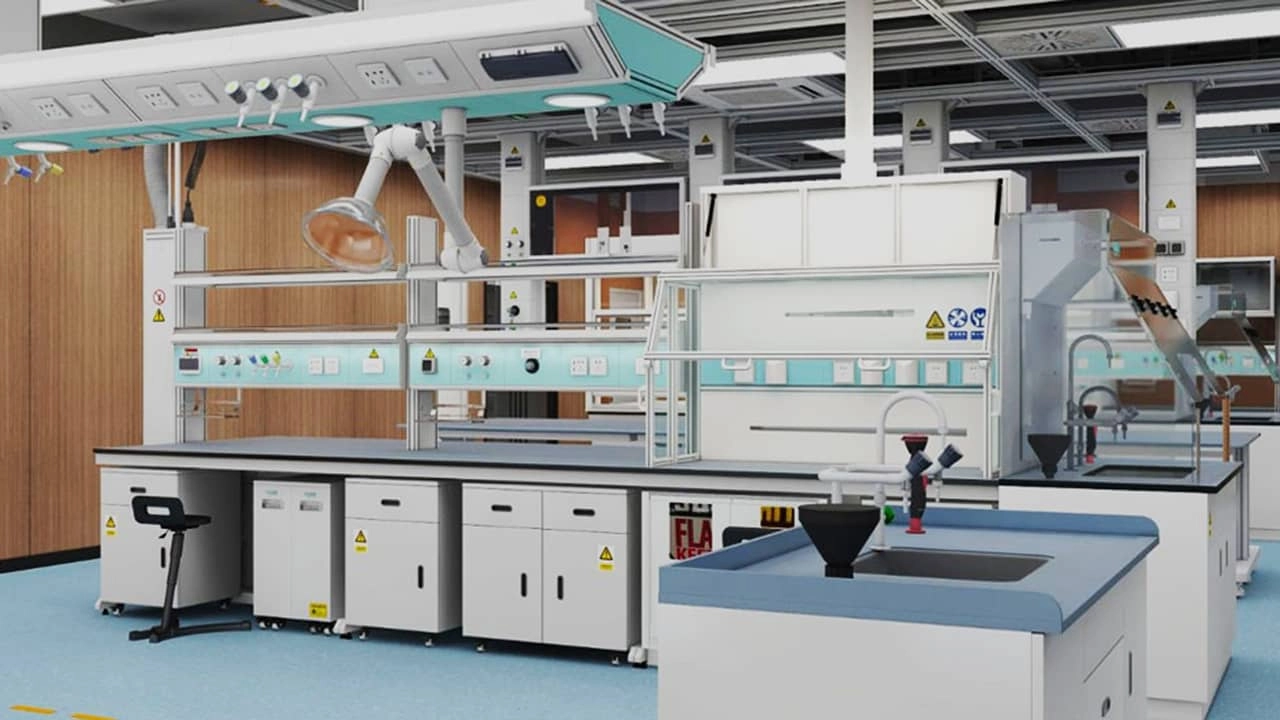
Electronics Lab Bench vs Chemistry Lab Bench: What You Need to Know
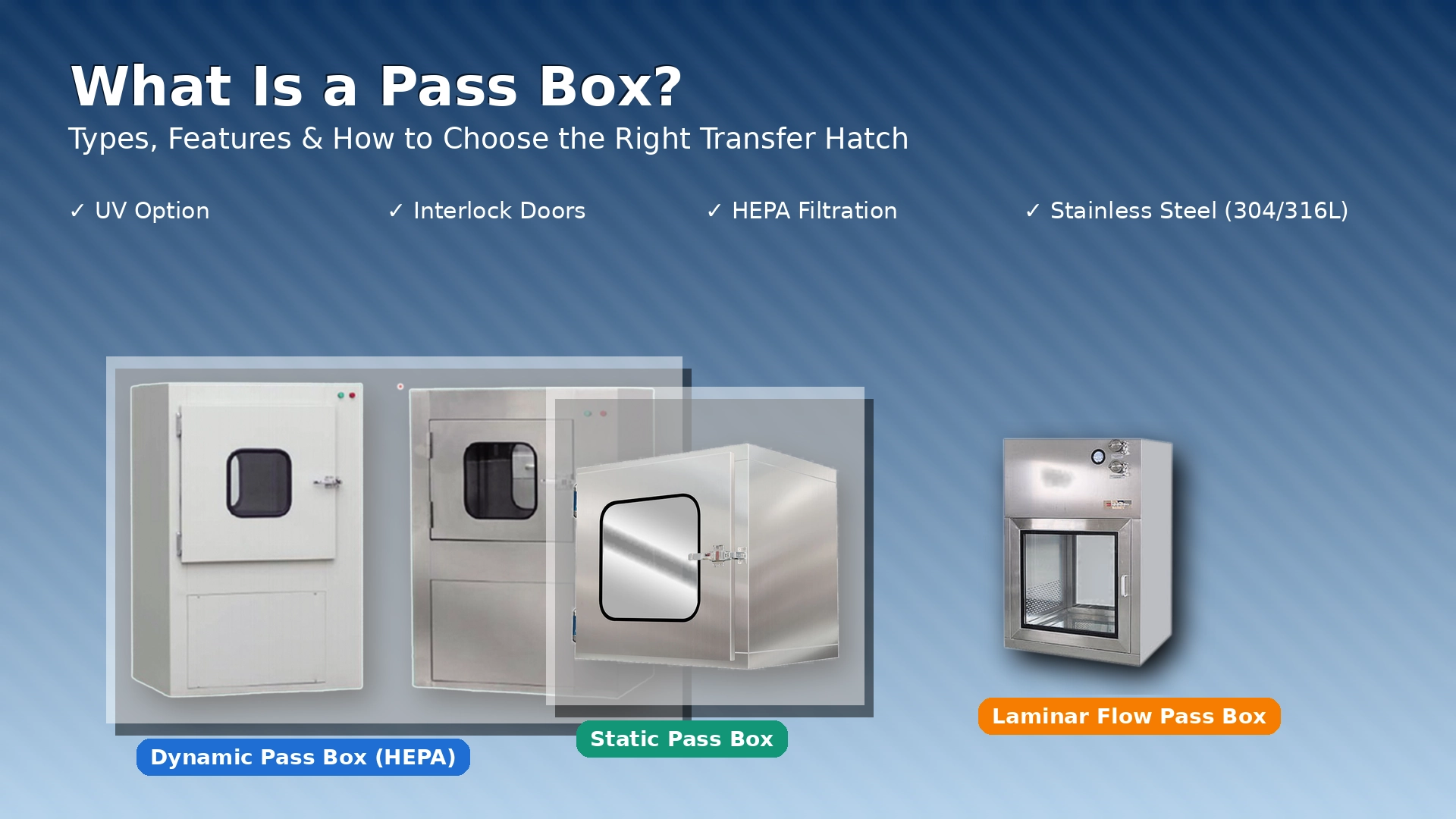
What Is a Pass Box? Types, Features, and How to Choose the Right Transfer Hatch
For After-Sales Support
Can you help with product troubleshooting?
Yes, our customer support team is available to help with any issues or troubleshooting you may need for your laboratory equipment.
What do I do if I am not satisfied with my purchase?
We strive to ensure customer satisfaction. If you are not happy with your purchase, please contact us, and we will do our best to resolve any concerns.
For Company
What sets your company apart from other lab furniture providers?
Our commitment to quality, innovation, and customer satisfaction sets us apart. We offer customized solutions, high-quality materials, and a full range of laboratory furniture and equipment to ensure optimal functionality and safety for every lab.
For Logistics
Do you offer international shipping?
Yes, we offer international shipping to most regions worldwide. Our logistics team ensures that all items are carefully packaged and delivered on time.
For Customization
Can I customize the size and configuration of my lab furniture?
Yes, we offer full customization for laboratory benches, modular systems, and storage units to meet your specific space and functional needs.

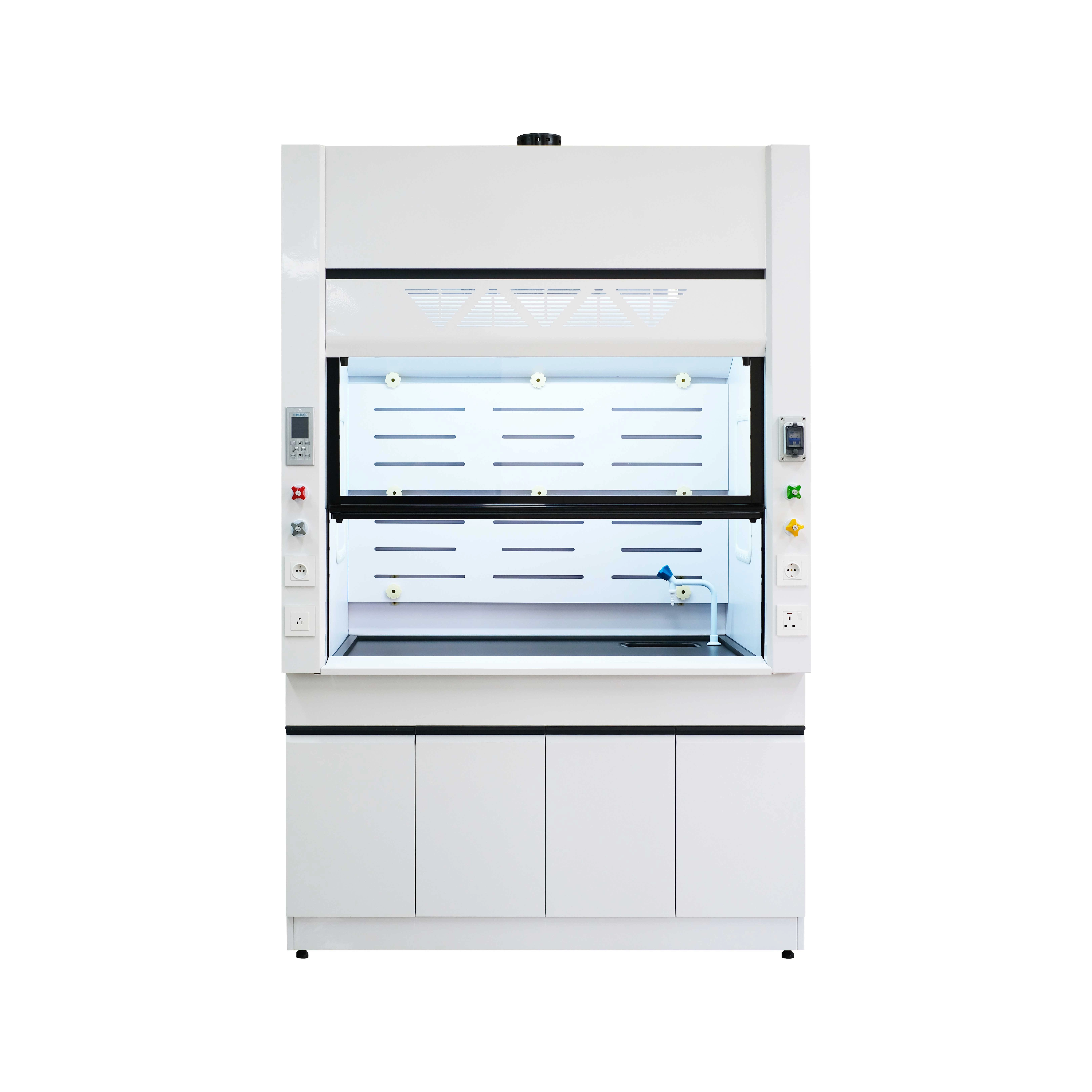

Get in touch with us
If you have any comments or good suggestions, please leave us a message; later our professional staff will contact you as soon as possible.

 Scan QR Code
MaxLabFurniture
MaxLab Furniture
daihongada
Max Laboratory