
Resource
What is the best tabletop material for a laboratory table?
Laboratory tables are fundamental to the functionality and safety of any scientific workspace. When selecting the appropriate table, it's crucial to consider factors such as material durability, ergonomic design, certifications, utility integration, and maintenance requirements.
What are the most common materials used for laboratory table tops?
Laboratory table tops are typically constructed from materials like High-Pressure Laminate (HPL), Chemical-Resistant Laminate, Phenolic Resin, and Solid Epoxy Resin. Each material offers distinct advantages:
High-Pressure Laminate (HPL): Cost-effective and easy to clean, suitable for general science and STEM applications. Best for dry labs, modeling, note-taking, and light chemical exposure under supervision. Avoid strong acids/solvents and very high heat.
Chemical-Resistant Laminate: An upgraded laminate engineered to withstand common reagents found in middle/high school labs. Offers a good balance of value and protection for regular wet labs.
Phenolic Resin: Dense, moisture-proof, and highly chemical-resistant; handles frequent cleaning and incidental heat better than laminates. A strong choice for biology/chemistry labs and shared STEM spaces.
Solid Epoxy Resin: The gold standard for harsh environments—excellent chemical, heat, and impact resistance. Ideal near sinks, burners, and heavy apparatus; highest upfront cost but long service life.
How important are ergonomic features in laboratory tables?
Ergonomic design is critical for productivity and safety in laboratory settings. Height-adjustable tables can reduce musculoskeletal disorders during prolonged procedures. The optimal work surface height typically ranges from 28 to 34 inches, depending on user height and task type.
What certifications should laboratory tables have?
When selecting laboratory tables, prioritize the following certifications:
ISO 9001: Ensures manufacturing quality.
ANSI/SEFA 8-2020: Applicable for wet labs.
NSF/ANSI 49: Relevant for biosafety applications.
In European markets, the EN 14727 certification is often required.
Can laboratory tables accommodate utilities?
Premium laboratory tables can be equipped with integrated utility channels for electrical/data ports (minimum of four outlets per meter), gas lines, and plumbing. It's essential to ensure that conduit diameters match existing lab infrastructure during specification.
What maintenance is required for laboratory tables?
Regular maintenance is vital to prolong the lifespan of laboratory tables:
Daily Cleaning: Use pH-neutral cleaners to preserve surfaces. Avoid abrasive pads on epoxy resins.
Edge Seals: Inspect quarterly and replace damaged sections immediately to prevent liquid penetration.
What are the advantages of choosing MAXLAB laboratory tables?
MAXLAB offers laboratory tables that combine durability, ergonomic design, and customizable features to meet diverse laboratory needs. Their products are manufactured with high-quality materials and adhere to industry standards, ensuring longevity and functionality. ((https://www.maxlabfurniture.com/blog/ultimate-guide-to-laboratory-table-2026-choose-for-your-lab/))
In conclusion, selecting the right laboratory table involves careful consideration of material properties, ergonomic design, certifications, utility integration, and maintenance requirements. By addressing these factors, laboratories can create a safe and efficient workspace tailored to their specific needs.
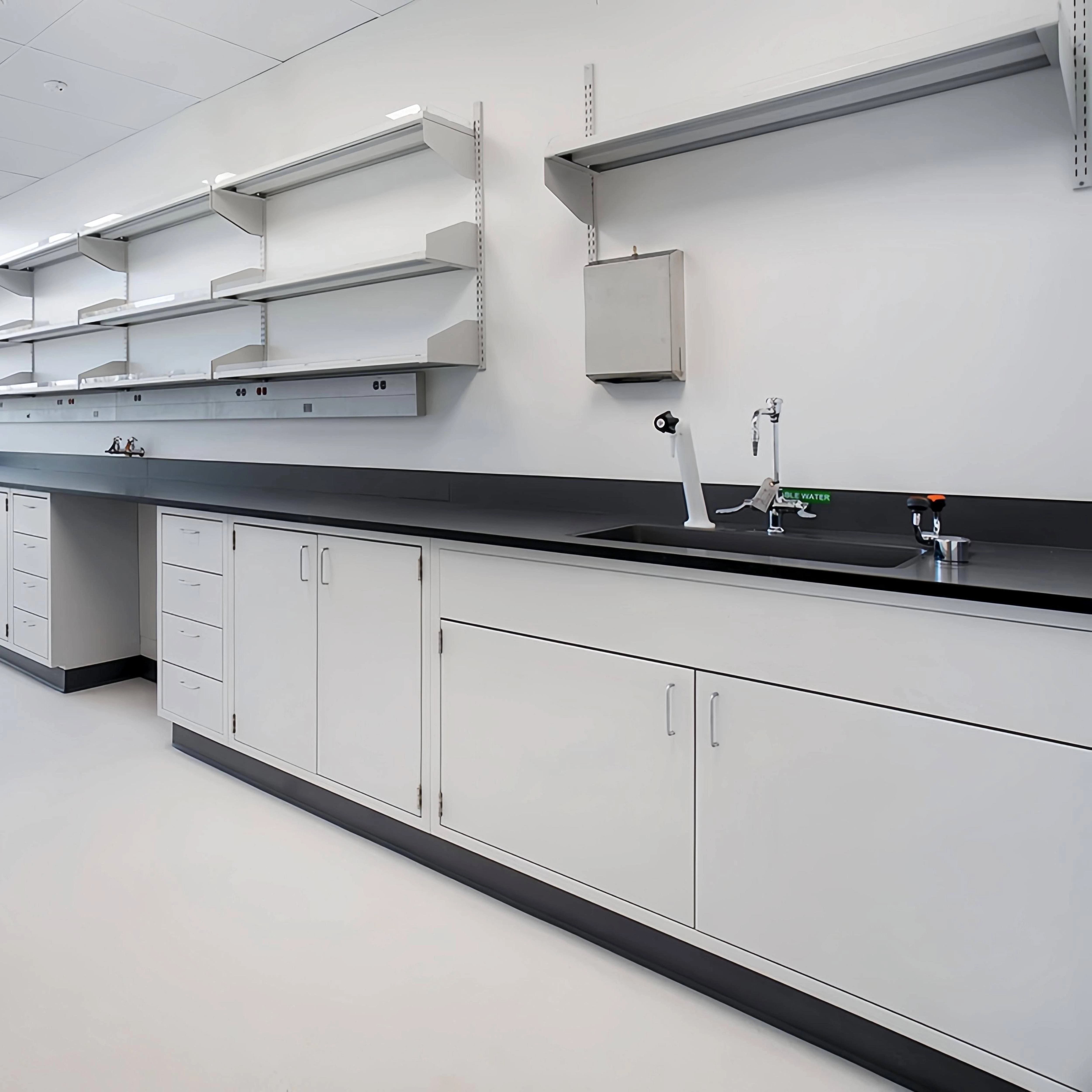
Why We Choose to Be Your Lab Furniture Solution Provider, Not Just a Manufacturer
Max Lab Introduction
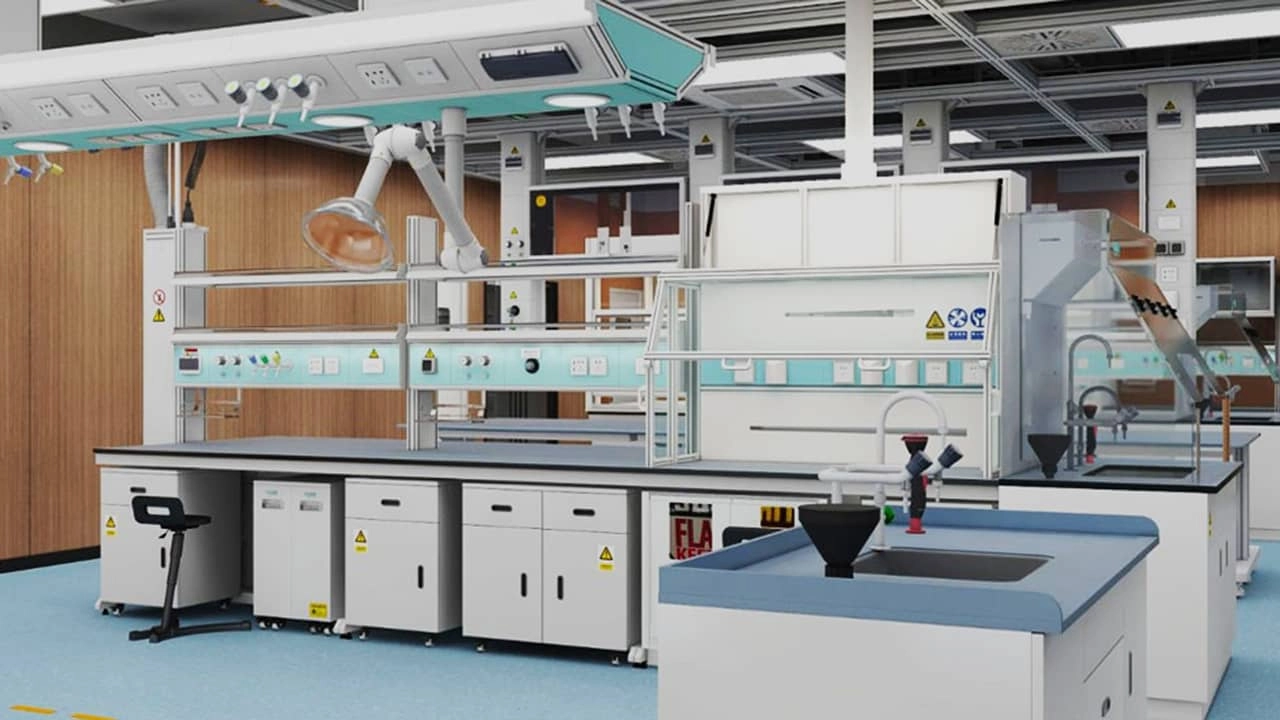
Electronics Lab Bench vs Chemistry Lab Bench: What You Need to Know
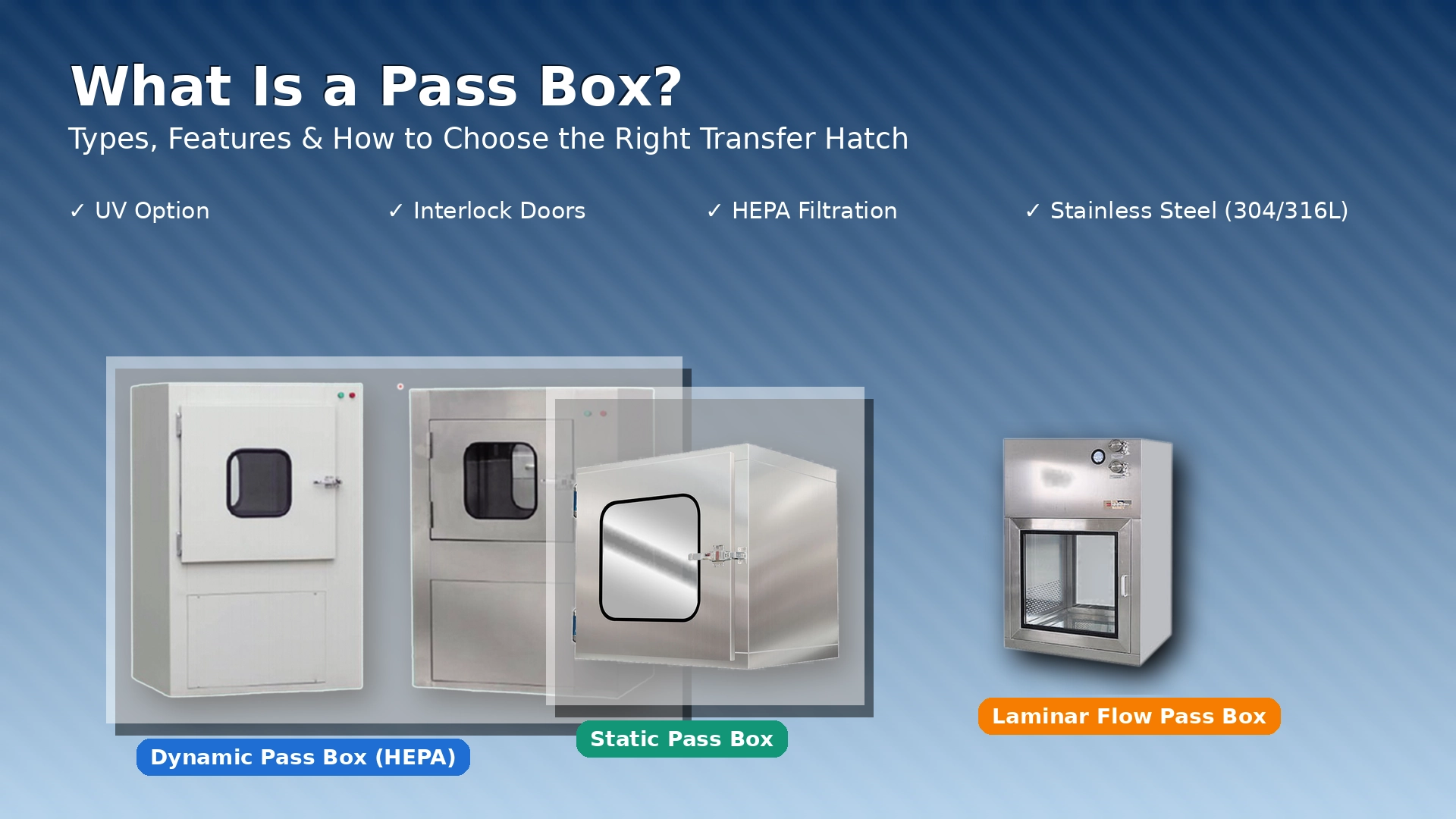
What Is a Pass Box? Types, Features, and How to Choose the Right Transfer Hatch
For Logistics
Do you offer express shipping options?
Yes, we offer express shipping for urgent orders. Please contact our sales team to inquire about availability and additional costs.
For Company
Do you offer services internationally?
Yes, we serve clients around the world, including Europe, North America, and Asia. Our international experience enables us to provide solutions that meet local regulations and standards.
Customization
How do I start a customized service?
Please contact our sales or technical support team for an initial enquiry. We will provide detailed customized recommendations and quotes according to your needs.
Are customized services suitable for small laboratories?
Yes, our customized services are suitable for all types of laboratories, including small ones. We are able to provide customized solutions according to the actual needs of the laboratory.
For After-Sales Support
Why choose your company?
We have been engaged in the manufacturing of various packing machines professionally over 15 years, and we can provide better after-sales service.

Get in touch with us
If you have any comments or good suggestions, please leave us a message; later our professional staff will contact you as soon as possible.

 Scan QR Code
MaxLabFurniture
MaxLab Furniture
daihongada
Max Laboratory