
Resource
- Comprehensive Guide to Selecting Laboratory Tables for Cleanrooms
- 1. What materials are best suited for cleanroom laboratory tables?
- 2. How do cleanroom classifications impact table selection?
- 3. What design features should be considered for cleanroom laboratory tables?
- 4. How does electrostatic discharge (ESD) affect table material selection?
- 5. What are the benefits of modular laboratory tables in cleanrooms?
- 6. How do cleanroom furniture materials impact air quality?
- 7. What are the maintenance requirements for cleanroom laboratory tables?
- 8. How does the layout of laboratory tables affect cleanroom performance?
- Conclusion: Why Choose MAXLAB for Your Cleanroom Laboratory Tables?
How to choose tables that meet cleanroom needs?
Comprehensive Guide to Selecting Laboratory Tables for Cleanrooms
Selecting the appropriate laboratory table is crucial for maintaining the integrity of cleanroom environments. This guide addresses common questions and provides expert insights to assist in making informed decisions.
1. What materials are best suited for cleanroom laboratory tables?
Materials like stainless steel, high-pressure laminates (HPL), and epoxy resin are ideal for cleanroom laboratory tables. Stainless steel offers durability and resistance to corrosion, while HPL and epoxy resin provide smooth, non-porous surfaces that are easy to clean and sterilize.
2. How do cleanroom classifications impact table selection?
Cleanrooms are classified under ISO 14644-1, with ISO Class 5 being the cleanest, allowing a maximum of 3,250 particles of 0.5 μm or larger per cubic meter. Selecting tables that comply with the specific ISO classification of your cleanroom ensures compatibility and maintains the required cleanliness levels.
3. What design features should be considered for cleanroom laboratory tables?
Tables should have smooth, non-porous surfaces with minimal seams to prevent particle accumulation. Designs that facilitate easy cleaning and sterilization are essential. Additionally, tables should be sturdy, with load capacities appropriate for the intended use, and may include features like adjustable height for ergonomic considerations.
4. How does electrostatic discharge (ESD) affect table material selection?
In environments sensitive to electrostatic discharge, such as those handling electronic components, tables should be made from materials with appropriate ESD properties. Conductive materials help dissipate static charges, preventing potential damage to sensitive equipment.
5. What are the benefits of modular laboratory tables in cleanrooms?
Modular laboratory tables offer flexibility and adaptability, allowing for easy reconfiguration as cleanroom requirements evolve. They can be customized to fit specific workflows and are designed for easy cleaning, which is crucial for maintaining a sterile environment.
6. How do cleanroom furniture materials impact air quality?
The choice of materials in cleanroom furniture directly affects air quality. Materials that shed particles or are difficult to clean can introduce contaminants into the air, compromising the cleanroom environment. Opting for materials that are non-shedding and easy to clean helps maintain air purity.
7. What are the maintenance requirements for cleanroom laboratory tables?
Regular cleaning with appropriate disinfectants is essential to maintain the sterility of cleanroom laboratory tables. Materials like stainless steel and HPL are resistant to most cleaning agents and can withstand frequent sterilization processes without degrading.
8. How does the layout of laboratory tables affect cleanroom performance?
The arrangement of laboratory tables should facilitate unidirectional airflow and minimize obstructions to air circulation. Proper layout ensures that contaminants are effectively removed from the environment, maintaining the desired cleanliness levels.
Conclusion: Why Choose MAXLAB for Your Cleanroom Laboratory Tables?
MAXLAB offers a range of laboratory tables designed to meet the stringent requirements of cleanroom environments. Our products are constructed from high-quality materials, ensuring durability and ease of maintenance. With customizable options and compliance with ISO standards, MAXLAB provides solutions that enhance the efficiency and sterility of your cleanroom operations.
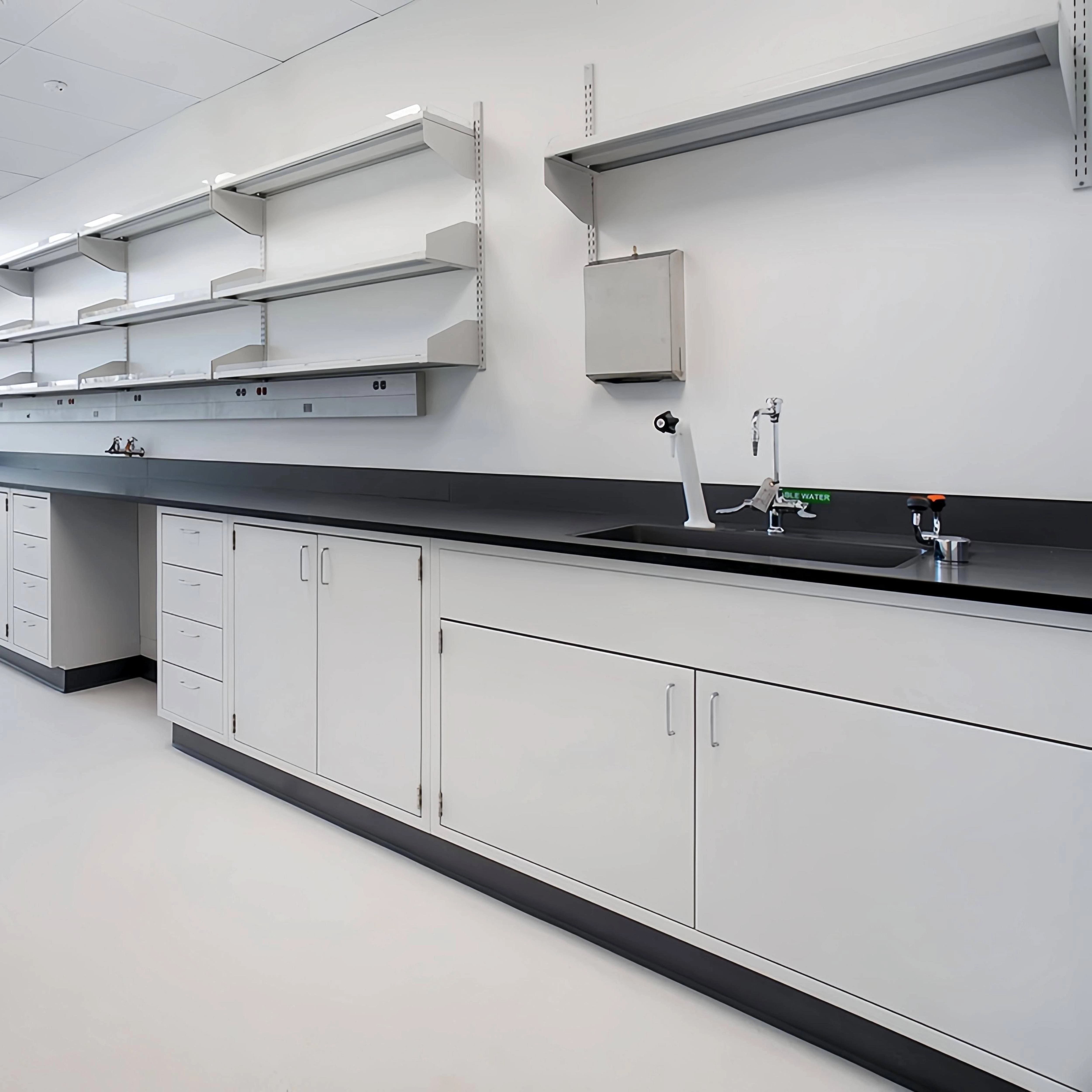
Why We Choose to Be Your Lab Furniture Solution Provider, Not Just a Manufacturer
Max Lab Introduction
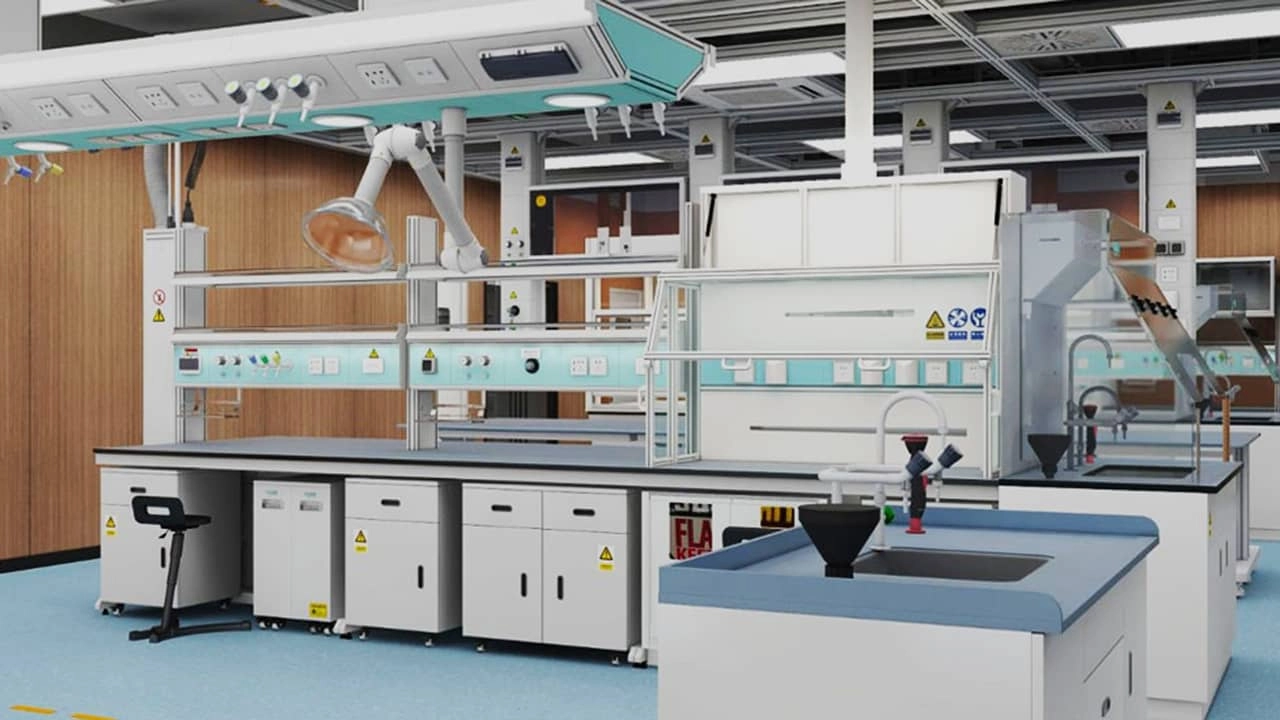
Electronics Lab Bench vs Chemistry Lab Bench: What You Need to Know
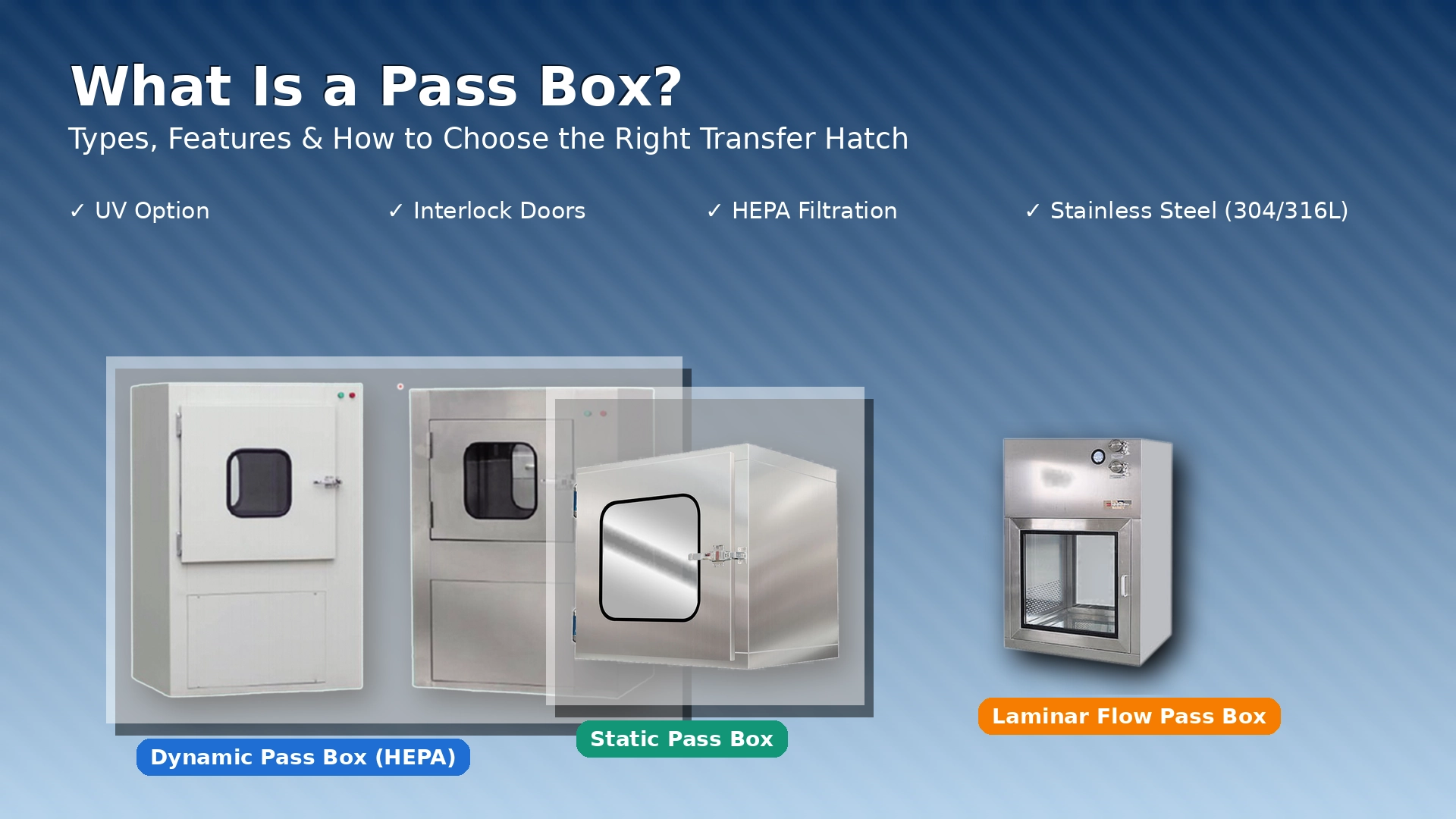
What Is a Pass Box? Types, Features, and How to Choose the Right Transfer Hatch
For Customization
Do you offer custom colors for lab furniture?
Yes, we offer a range of color options for laboratory furniture to match your lab’s aesthetic requirements or branding.
Can I request a specific material for my lab furniture?
Yes, we can customize the material for your lab benches, fume hoods, and other equipment based on your preferences and the type of work being done in your lab.
FAQS
What products does Max Lab offer?
We specialize in laboratory furniture and equipment, including lab benches, fume hoods, storage cabinets, and custom lab solutions.
For Logistics
Do you offer international shipping?
Yes, we offer international shipping to most regions worldwide. Our logistics team ensures that all items are carefully packaged and delivered on time.
Do you offer express shipping options?
Yes, we offer express shipping for urgent orders. Please contact our sales team to inquire about availability and additional costs.

Get in touch with us
If you have any comments or good suggestions, please leave us a message; later our professional staff will contact you as soon as possible.

 Scan QR Code
MaxLabFurniture
MaxLab Furniture
daihongada
Max Laboratory