
Resource
- Comprehensive Guide to Selecting Laboratory Tables: Key Considerations and Features
- 1. What materials are commonly used for laboratory table surfaces?
- 2. How do I determine the durability of a laboratory table?
- 3. What features should I consider when purchasing a laboratory table?
- 4. How can I ensure a laboratory table is resistant to stains?
- 5. What are the benefits of choosing a laboratory table with integrated utilities?
- 6. How do I maintain a laboratory table to ensure longevity?
- 7. What are the advantages of choosing MAXLAB laboratory tables?
What makes a laboratory table resistant to stains?
Comprehensive Guide to Selecting Laboratory Tables: Key Considerations and Features
When outfitting a laboratory, selecting the appropriate laboratory table is crucial for ensuring safety, efficiency, and durability. This guide addresses common questions and provides insights to assist in making informed decisions.
1. What materials are commonly used for laboratory table surfaces?
Laboratory tables are constructed from various materials, each offering distinct advantages:
High-Pressure Laminate (HPL): Cost-effective and easy to clean, suitable for general science and STEM applications. However, it is not resistant to chemicals and should be avoided in environments with strong acids or solvents.
Chemical-Resistant Laminate: An upgraded laminate engineered to withstand common reagents found in middle and high school labs, offering a balance between value and protection for regular wet labs.
Phenolic Resin: Dense, moisture-proof, and highly chemical-resistant; handles frequent cleaning and incidental heat better than laminates. A strong choice for biology and chemistry labs and shared STEM spaces.
Solid Epoxy Resin: The gold standard for harsh environments—excellent chemical, heat, and impact resistance. Ideal near sinks, burners, and heavy apparatus; highest upfront cost but long service life.
2. How do I determine the durability of a laboratory table?
Durability is primarily influenced by the materials used:
Epoxy Resin: Highly durable, impervious to common laboratory chemicals and moisture, and resistant to delamination or swelling.
Phenolic Resin: Water-resistant and does not etch or scratch when exposed to most solvents and chemicals.
Solid Epoxy Resin: Formulated from altered epoxy resins, it is highly durable and oven-cured, offering resistance to common laboratory chemicals and moisture.
3. What features should I consider when purchasing a laboratory table?
Key features to evaluate include:
Storage Options: Integrated drawers and cabinets for organizing equipment and materials.
Utility Integration: Built-in sinks, gas lines, and electrical outlets to support various laboratory activities.
Ergonomic Design: Adjustable height tables to accommodate different users and tasks, reducing the risk of musculoskeletal injuries.
Mobility: Tables with casters for flexibility in lab layout and reconfiguration.
4. How can I ensure a laboratory table is resistant to stains?
Stain resistance is closely linked to the tabletop material:
Epoxy Resin and Phenolic Resin: Both materials are highly resistant to staining due to their non-porous surfaces and chemical resistance.
High-Pressure Laminate (HPL): While cost-effective, HPL is not resistant to chemicals and may stain when exposed to certain substances.
5. What are the benefits of choosing a laboratory table with integrated utilities?
Laboratory tables with integrated utilities offer several advantages:
Efficiency: Centralized access to water, gas, and electrical connections streamlines workflows.
Safety: Reduces the need for external connections, minimizing potential hazards.
Compliance: Ensures adherence to safety standards and regulations.
6. How do I maintain a laboratory table to ensure longevity?
Proper maintenance practices include:
Regular Cleaning: Use pH-neutral cleaners and avoid abrasive materials to preserve the surface integrity.
Prompt Spill Management: Clean spills immediately to prevent potential staining or chemical reactions.
Periodic Inspections: Check for signs of wear, such as delamination or surface damage, and address issues promptly.
7. What are the advantages of choosing MAXLAB laboratory tables?
MAXLAB offers several benefits:
Quality Materials: Utilizes high-grade materials like epoxy and phenolic resins for durability and chemical resistance.
Customization: Provides tailored solutions to meet specific laboratory requirements, including integrated utilities and ergonomic designs.
Compliance: Ensures all products meet industry standards and certifications for safety and performance.
Customer Support: Offers comprehensive support, from consultation to installation, ensuring optimal setup and functionality.
By considering these factors and selecting a reputable supplier like MAXLAB, you can equip your laboratory with tables that enhance productivity, safety, and longevity.
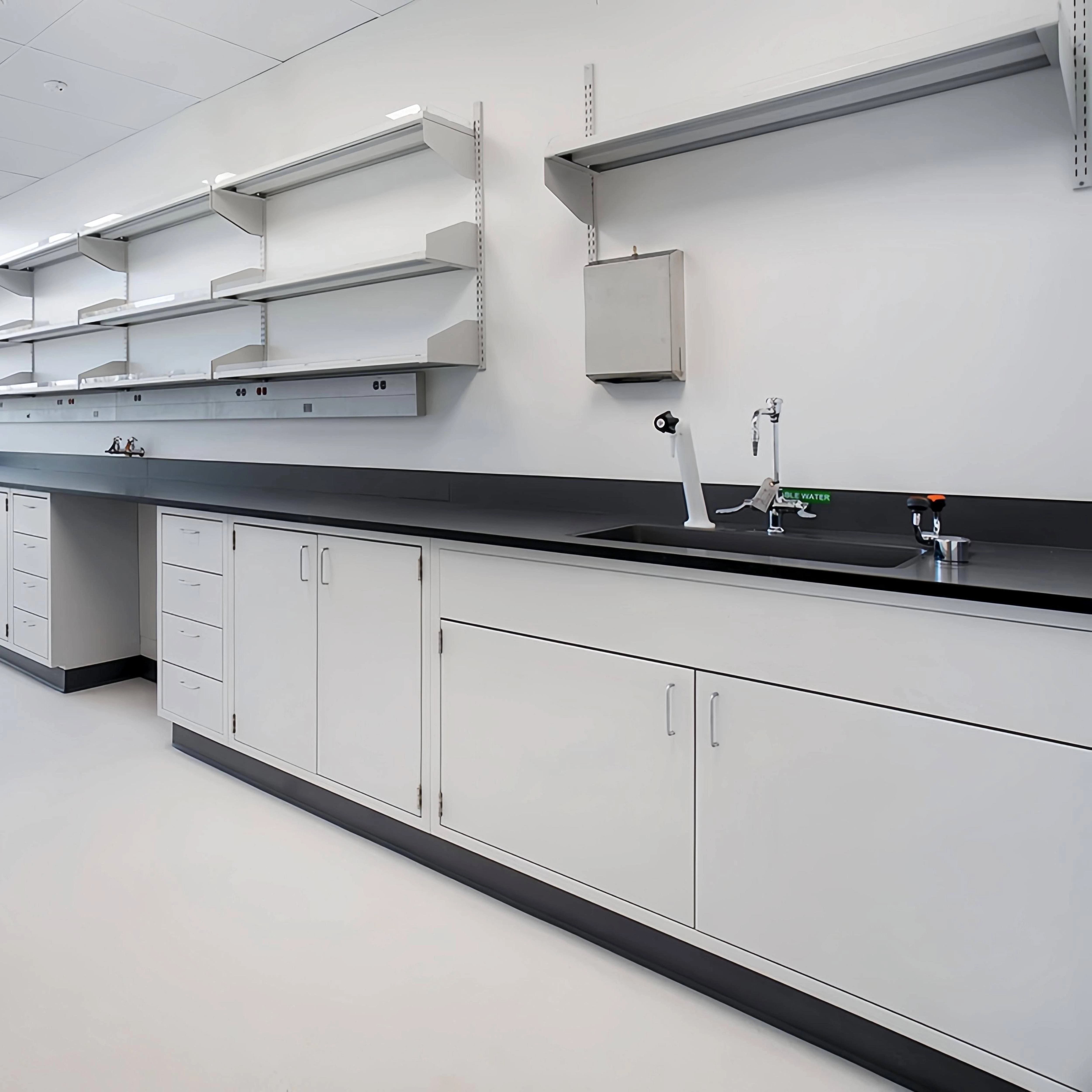
Why We Choose to Be Your Lab Furniture Solution Provider, Not Just a Manufacturer
Max Lab Introduction
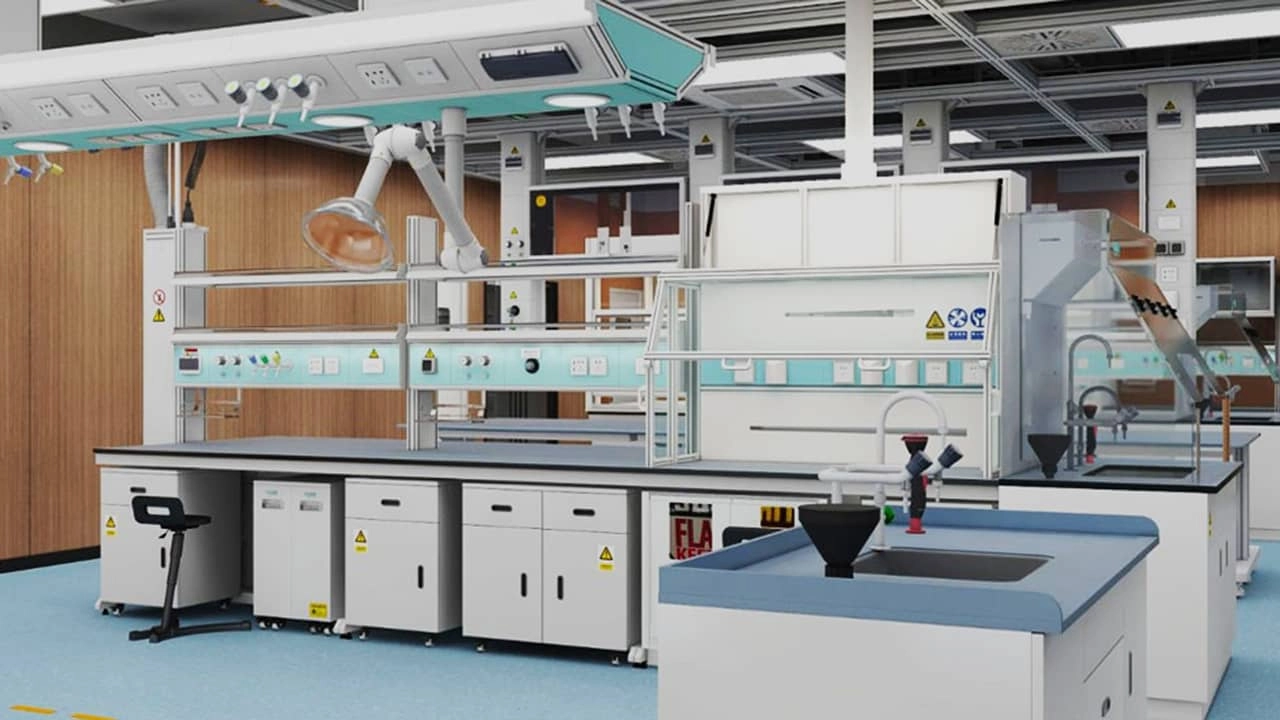
Electronics Lab Bench vs Chemistry Lab Bench: What You Need to Know
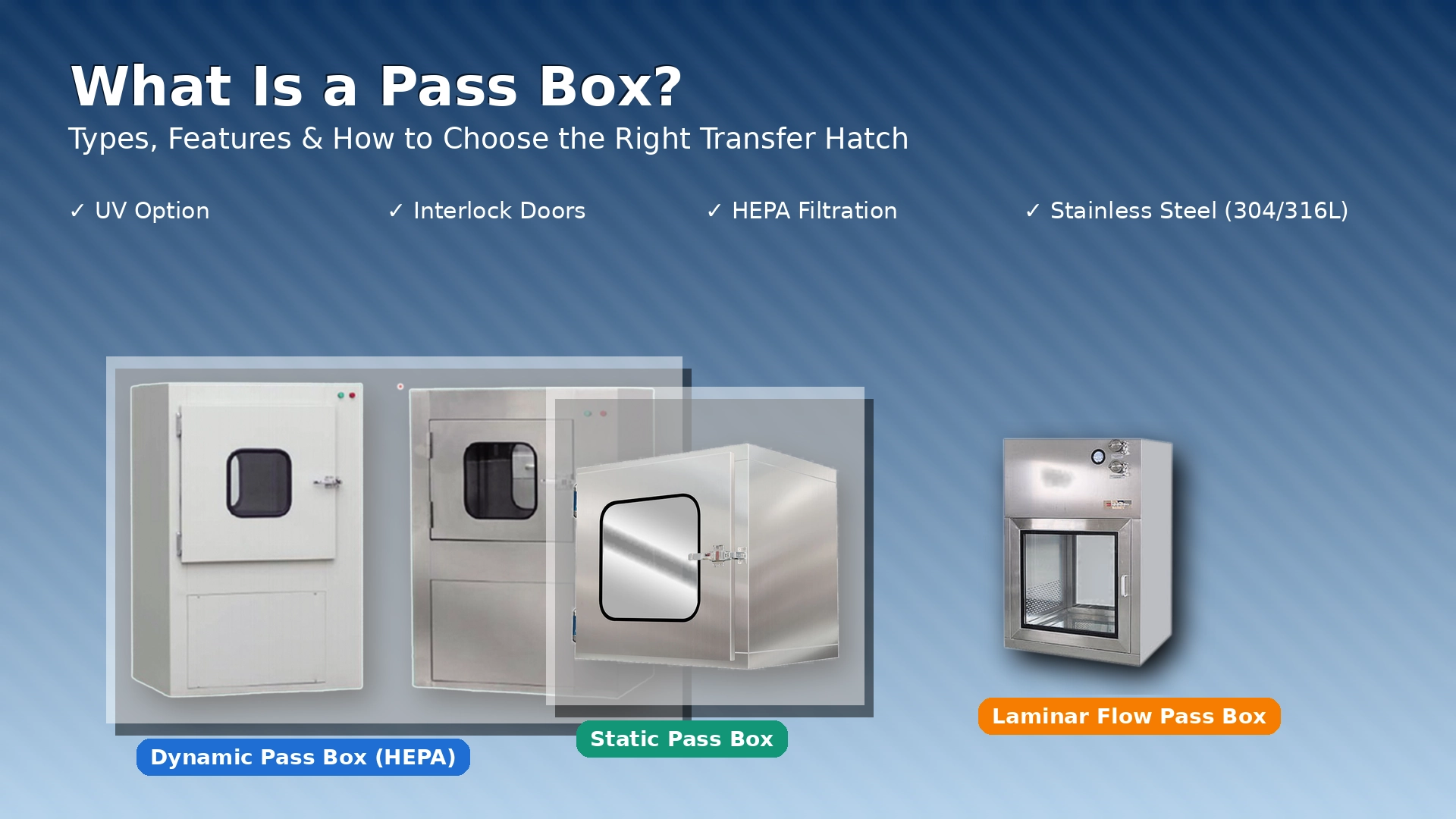
What Is a Pass Box? Types, Features, and How to Choose the Right Transfer Hatch
For Customization
Can you create furniture for labs with special requirements?
Yes, we specialize in designing and manufacturing lab furniture for specialized environments, including clean rooms, bio labs, and industrial labs.
About Solution
Does your laboratory furniture support customization?
Yes, we provide fully customized services including size, material, color and functional design to meet customers' specific needs.
For Company
How long has your company been in business?
Our company has been in the laboratory furniture and equipment business for over 15 years, during which we have gained extensive experience and built a solid reputation in the industry. We specialize in serving a variety of industries, including academic research labs, pharmaceutical labs, healthcare, manufacturing, and more.
FAQS
Where are your products manufactured?
All products are manufactured in our advanced facility—the largest laboratory furniture factory in Guangzhou—ensuring strict quality control.


Get in touch with us
If you have any comments or good suggestions, please leave us a message; later our professional staff will contact you as soon as possible.

 Scan QR Code
MaxLabFurniture
MaxLab Furniture
daihongada
Max Laboratory