
Resource
- Comprehensive Guide to Selecting Laboratory Tables for Teaching Labs
- 1. What are the most common materials used for laboratory table surfaces?
- 2. How do I determine the appropriate size and configuration for laboratory tables?
- 3. What additional features should be considered when selecting laboratory tables?
- 4. How do I ensure the durability and longevity of laboratory tables?
- 5. What are the safety considerations when selecting laboratory tables?
- 6. How do I balance cost with quality when selecting laboratory tables?
- 7. What are the latest trends in laboratory table design and functionality?
- 8. How do I ensure compliance with safety standards when selecting laboratory tables?
- Conclusion: Why Choose MAXLAB for Your Laboratory Furniture Needs?
How to select a laboratory table for a teaching lab?
Comprehensive Guide to Selecting Laboratory Tables for Teaching Labs
Selecting the appropriate laboratory table is crucial for creating a safe and efficient teaching environment. This guide addresses common questions and provides expert advice to assist in making informed decisions.
1. What are the most common materials used for laboratory table surfaces?
Laboratory table surfaces are typically made from the following materials:
High-Pressure Laminate (HPL): Cost-effective and easy to clean, suitable for dry labs and light chemical exposure under supervision.
Chemical-Resistant Laminate: Enhanced laminate engineered to withstand common reagents found in middle/high school labs, offering a balance of value and protection for regular wet labs.
Phenolic Resin: Dense, moisture-proof, and highly chemical-resistant; handles frequent cleaning and incidental heat better than laminates. A strong choice for biology/chemistry labs and shared STEM spaces.
Solid Epoxy Resin: The gold standard for harsh environments—excellent chemical, heat, and impact resistance. Ideal near sinks, burners, and heavy apparatus; highest upfront cost but long service life.
2. How do I determine the appropriate size and configuration for laboratory tables?
Consider the following factors:
Class Size: Ensure the table size and stool count match the maximum class size to avoid overcrowding.
Room Layout: Fixed workbenches are ideal for stability and heavy equipment, while mobile tables offer flexibility for changing lab setups. ((https://www.maxlabfurniture.com/blog/ultimate-guide-to-laboratory-table-2026-choose-for-your-lab/))
Workflow Requirements: Choose configurations that facilitate efficient movement and access to equipment, such as island benches for collaborative work or wall-mounted tables for space optimization. ((https://www.maxlabfurniture.com/blog/ultimate-guide-to-laboratory-table-2026-choose-for-your-lab/))
3. What additional features should be considered when selecting laboratory tables?
Additional features to enhance functionality include:
Storage Options: Incorporate drawers or cabinets for organizing equipment and materials.
Utility Connections: Ensure tables are equipped with necessary plumbing and electrical connections for sinks, gas lines, and power outlets.
Adjustability: Opt for adjustable height tables to accommodate different user needs and promote ergonomic practices. ((https://www.maxlabfurniture.com/blog/ultimate-guide-to-laboratory-table-2026-choose-for-your-lab/))
4. How do I ensure the durability and longevity of laboratory tables?
To enhance durability:
Material Selection: Choose materials like epoxy resin or phenolic resin for their superior chemical and heat resistance. ((https://www.maxlabfurniture.com/select-right-lab-furniture-6-tips/))
Construction Quality: Opt for tables with robust frames and quality finishes that can withstand daily use and cleaning.
Maintenance Practices: Follow manufacturer guidelines for cleaning and maintenance to prolong the table's lifespan.
5. What are the safety considerations when selecting laboratory tables?
Safety considerations include:
Chemical Resistance: Ensure the table surface can withstand the chemicals used in your lab to prevent damage and contamination. ((https://www.maxlabfurniture.com/select-right-lab-furniture-6-tips/))
Heat Resistance: Select materials that can handle high temperatures, especially near heat sources like burners. ((https://www.maxlabfurniture.com/select-right-lab-furniture-6-tips/))
Edge and Finish Details: Choose tables with edges that don't collect residue and finishes compatible with approved cleaners and spill kits.
6. How do I balance cost with quality when selecting laboratory tables?
Balancing cost and quality involves:
Assessing Needs: Determine the specific requirements of your lab to avoid over-investing in unnecessary features.
Material Selection: Opt for materials that offer the best value for your budget while meeting durability and safety standards. ((https://www.maxlabfurniture.com/select-right-lab-furniture-6-tips/))
Long-Term Investment: Consider the table's lifespan and maintenance costs to ensure a cost-effective investment over time.
7. What are the latest trends in laboratory table design and functionality?
Recent trends include:
Modular Designs: Flexible configurations that can be customized to fit various lab setups and teaching methods. ((https://www.maxlabfurniture.com/blog/ultimate-guide-to-laboratory-table-2026-choose-for-your-lab/))
Sustainable Materials: Incorporating eco-friendly materials and manufacturing processes to reduce environmental impact. ((https://www.maxlabfurniture.com/blog/ultimate-guide-to-laboratory-table-2026-choose-for-your-lab/))
Integrated Technology: Tables equipped with built-in power outlets, data ports, and cable management systems to support modern teaching tools. ((https://www.maxlabfurniture.com/blog/ultimate-guide-to-laboratory-table-2026-choose-for-your-lab/))
8. How do I ensure compliance with safety standards when selecting laboratory tables?
To ensure compliance:
Review Standards: Familiarize yourself with relevant safety standards and regulations for laboratory furniture.
Consult Manufacturers: Work with reputable manufacturers who adhere to industry standards and can provide certifications.
Regular Inspections: Implement a routine inspection and maintenance schedule to identify and address potential safety issues promptly.
Conclusion: Why Choose MAXLAB for Your Laboratory Furniture Needs?
MAXLAB offers a comprehensive range of laboratory tables designed to meet the diverse needs of teaching labs. Our products feature:
High-Quality Materials: Utilizing durable and chemical-resistant materials to ensure longevity and safety.
Innovative Designs: Offering modular and customizable configurations to fit various teaching environments.
Compliance with Standards: Ensuring all products meet or exceed industry safety standards for peace of mind.
By choosing MAXLAB, you invest in laboratory furniture that combines functionality, durability, and safety, enhancing the learning experience for both educators and students.
Sources:- ((https://www.maxlabfurniture.com/blog/ultimate-guide-to-laboratory-table-2026-choose-for-your-lab/))
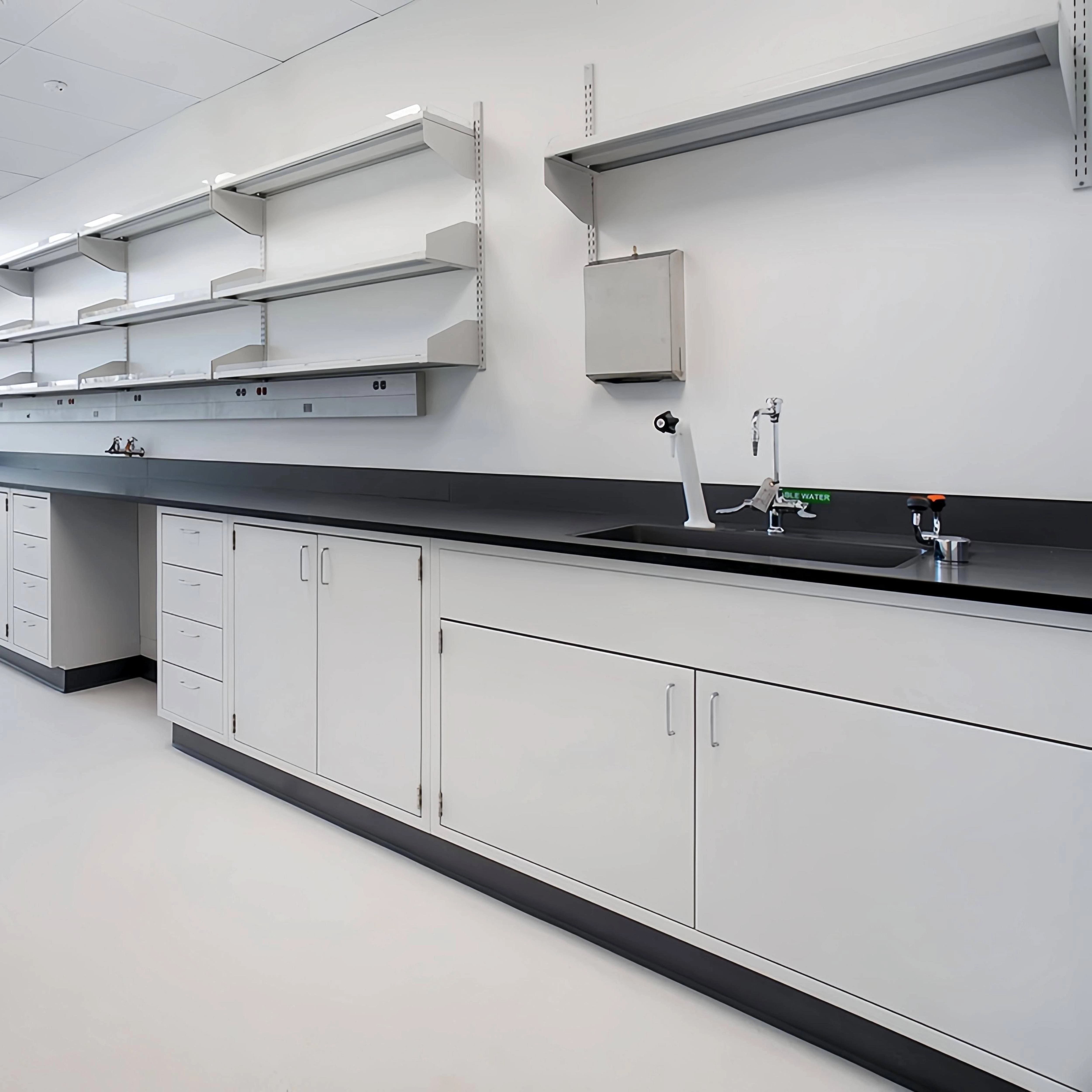
Why We Choose to Be Your Lab Furniture Solution Provider, Not Just a Manufacturer

Max Lab Introduction
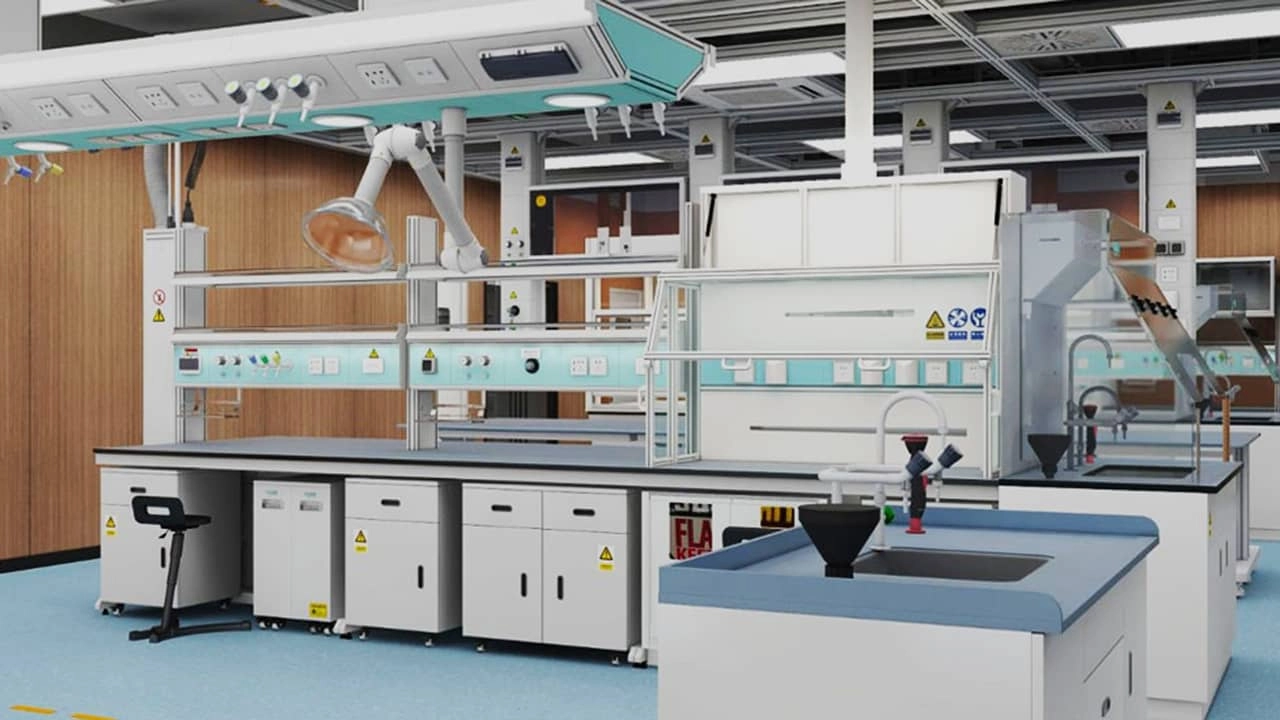
Electronics Lab Bench vs Chemistry Lab Bench: What You Need to Know
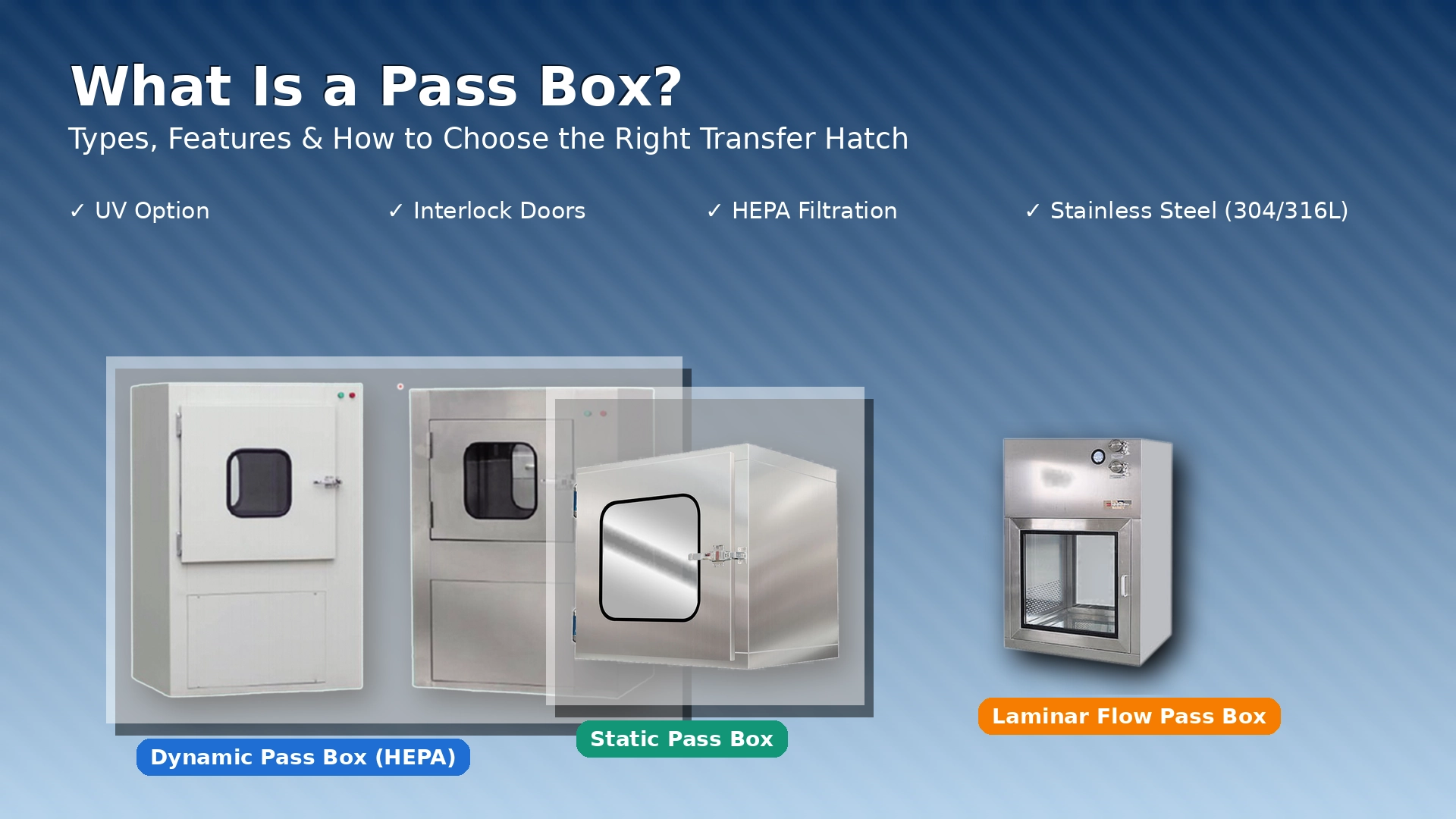
What Is a Pass Box? Types, Features, and How to Choose the Right Transfer Hatch
For Logistics
How can I track my shipment?
Once your order has been shipped, we will provide tracking information so you can monitor the status of your delivery.
For Customization
Do you offer custom colors for lab furniture?
Yes, we offer a range of color options for laboratory furniture to match your lab’s aesthetic requirements or branding.
For Company
What types of companies do you work with?
We have worked with a wide range of companies, from small startups to large, multinational corporations. Our expertise in the laboratory furniture industry enables us to meet the needs of various sectors, including healthcare, research, education, pharmaceuticals, and industrial labs.
For After-Sales Support
Why choose your company?
We have been engaged in the manufacturing of various packing machines professionally over 15 years, and we can provide better after-sales service.
About Solution
What is the corrosion resistance of the laboratory furniture?
Our products are made of high quality corrosion-resistant materials, such as epoxy resin, PP board and stainless steel, which can resist the erosion of various chemicals and prolong the service life of the products.

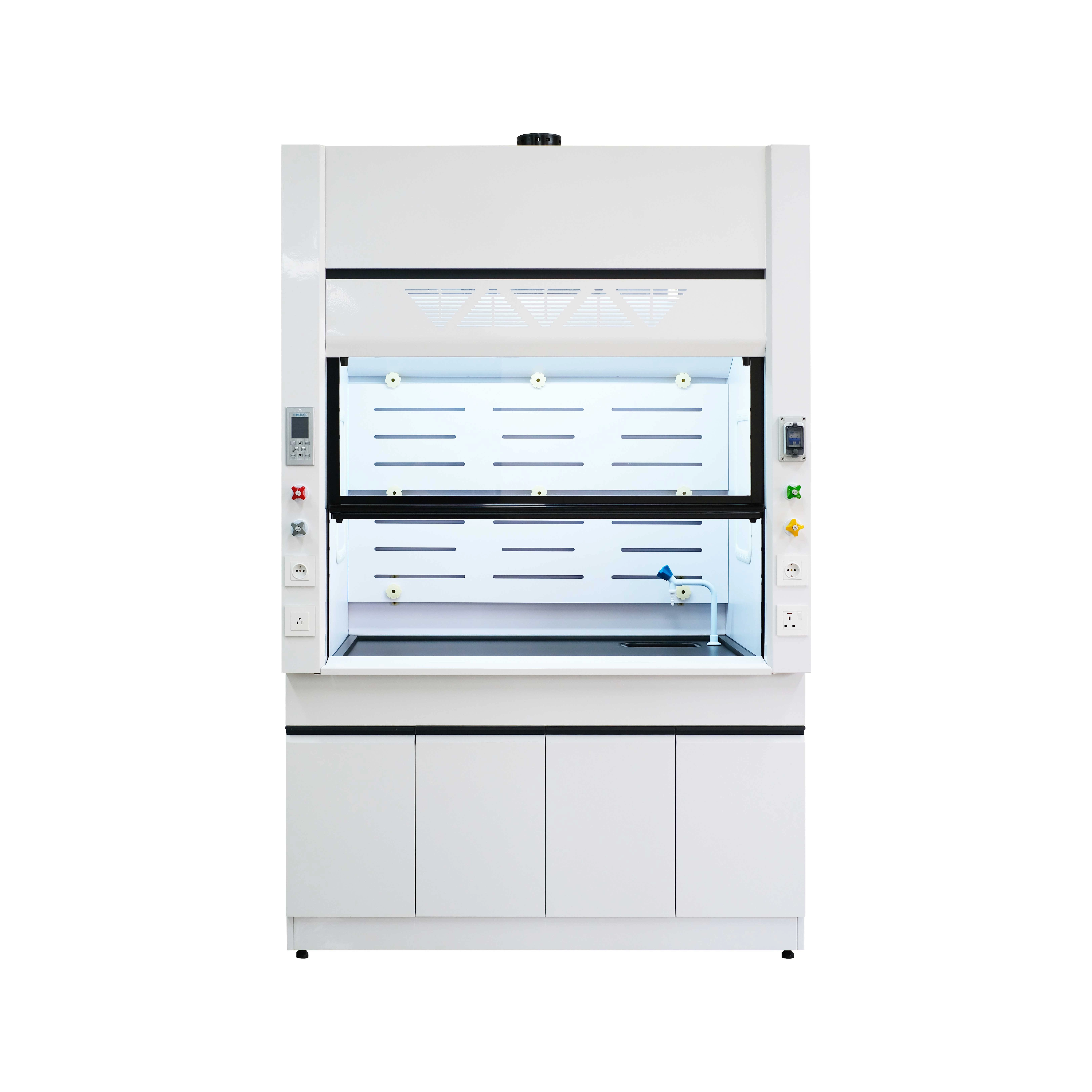


Get in touch with us
If you have any comments or good suggestions, please leave us a message; later our professional staff will contact you as soon as possible.

 Scan QR Code
MaxLabFurniture
MaxLab Furniture
daihongada
Max Laboratory