
Resource
- Choosing the Right Laboratory Table and Tabletop Finish for Biological Labs
- 1. What are the primary considerations when selecting a laboratory table for a biological lab?
- 2. Which tabletop finishes are best suited for biological laboratories?
- 3. How do I determine the appropriate material for my laboratory table?
- 4. What are the maintenance requirements for different laboratory table materials?
- 5. Are there any environmental considerations when choosing laboratory table materials?
- 6. How do I ensure the laboratory table meets safety and ergonomic standards?
- 7. What are the cost implications of different laboratory table materials?
- 8. Can laboratory tables be customized to fit specific laboratory needs?
- Conclusion: Why Choose MAXLAB for Your Laboratory Furniture Needs?
Which tabletop finish is best for biological labs?
Choosing the Right Laboratory Table and Tabletop Finish for Biological Labs
Selecting the appropriate laboratory table and tabletop finish is crucial for ensuring safety, durability, and functionality in biological laboratories. This guide explores key considerations and options to assist in making informed decisions.
1. What are the primary considerations when selecting a laboratory table for a biological lab?
When choosing a laboratory table for a biological lab, consider the following factors:
-
Material Durability: Ensure the table can withstand the specific demands of biological work, including exposure to chemicals, biological agents, and physical wear.
-
Chemical Resistance: The table should resist degradation from common laboratory chemicals used in biological research.
-
Cleanability: A smooth, non-porous surface facilitates easy cleaning and minimizes contamination risks.
-
Stability and Support: The table must provide a stable platform for equipment and experiments, with adequate weight capacity.
-
Compliance with Safety Standards: Verify that the table meets relevant safety and ergonomic standards for laboratory environments.
2. Which tabletop finishes are best suited for biological laboratories?
For biological laboratories, the following tabletop finishes are recommended:
-
Epoxy Resin: Offers excellent chemical and heat resistance, making it suitable for wet chemistry and industrial applications. However, it may be more expensive and can crack if exposed to dry ice.
-
Phenolic Resin: Provides good chemical resistance and is lightweight, ideal for clinical labs. It is not suitable for high heat exposure.
-
Stainless Steel: Known for its durability and resistance to heat and chemicals, stainless steel is ideal for sterile environments. It is easy to clean but can dent easily.
-
High-Pressure Laminate (HPL): A cost-effective option with a decorative appearance, suitable for dry labs and educational settings. It has lower chemical resistance and is not recommended for high heat exposure.
3. How do I determine the appropriate material for my laboratory table?
To determine the appropriate material:
-
Assess Laboratory Activities: Identify the types of experiments and chemicals used to understand the material requirements.
-
Evaluate Environmental Conditions: Consider factors like humidity, temperature fluctuations, and potential exposure to corrosive substances.
-
Budget Constraints: Balance material costs with the laboratory's needs and available budget.
-
Consult Manufacturers: Engage with laboratory furniture suppliers to gain insights into material properties and suitability for specific applications.
4. What are the maintenance requirements for different laboratory table materials?
Maintenance varies by material:
-
Epoxy Resin: Requires regular cleaning with mild detergents; avoid abrasive cleaners to prevent surface damage.
-
Phenolic Resin: Easy to clean; however, avoid exposing it to high heat to maintain its integrity.
-
Stainless Steel: Wipe with non-abrasive cleaners; periodic polishing may be needed to maintain appearance.
-
HPL: Clean with mild detergents; avoid harsh chemicals and high heat to prevent surface degradation.
5. Are there any environmental considerations when choosing laboratory table materials?
Yes, environmental considerations include:
-
Sustainability: Opt for materials that are recyclable or made from sustainable sources.
-
Chemical Emissions: Choose materials with low volatile organic compound (VOC) emissions to maintain indoor air quality.
-
Durability: Select materials that offer longevity to reduce waste and the need for replacements.
6. How do I ensure the laboratory table meets safety and ergonomic standards?
To ensure compliance:
-
Review Standards: Familiarize yourself with relevant safety and ergonomic standards for laboratory furniture.
-
Consult Experts: Work with suppliers who are knowledgeable about these standards and can provide compliant products.
-
Conduct Assessments: Evaluate the table's design for stability, adjustability, and user comfort.
7. What are the cost implications of different laboratory table materials?
Cost considerations include:
-
Material Costs: Premium materials like epoxy resin and stainless steel are more expensive than options like HPL.
-
Maintenance Costs: Some materials may require more frequent maintenance or specialized cleaning products.
-
Longevity: Investing in durable materials can reduce long-term costs associated with replacements and repairs.
8. Can laboratory tables be customized to fit specific laboratory needs?
Yes, many laboratory tables can be customized:
-
Modular Designs: Allow for adjustments in size, configuration, and functionality to suit specific laboratory requirements.
-
Material Choices: Some manufacturers offer a range of materials and finishes to match laboratory needs and aesthetics.
-
Additional Features: Options like built-in storage, adjustable heights, and integrated utilities can be incorporated.
Conclusion: Why Choose MAXLAB for Your Laboratory Furniture Needs?
MAXLAB offers a comprehensive range of laboratory furniture designed to meet the diverse needs of biological laboratories. With a focus on quality, durability, and customization, MAXLAB ensures that each piece of furniture enhances laboratory functionality and safety. Their commitment to using high-quality materials and adherence to industry standards makes them a reliable choice for laboratory furnishings.
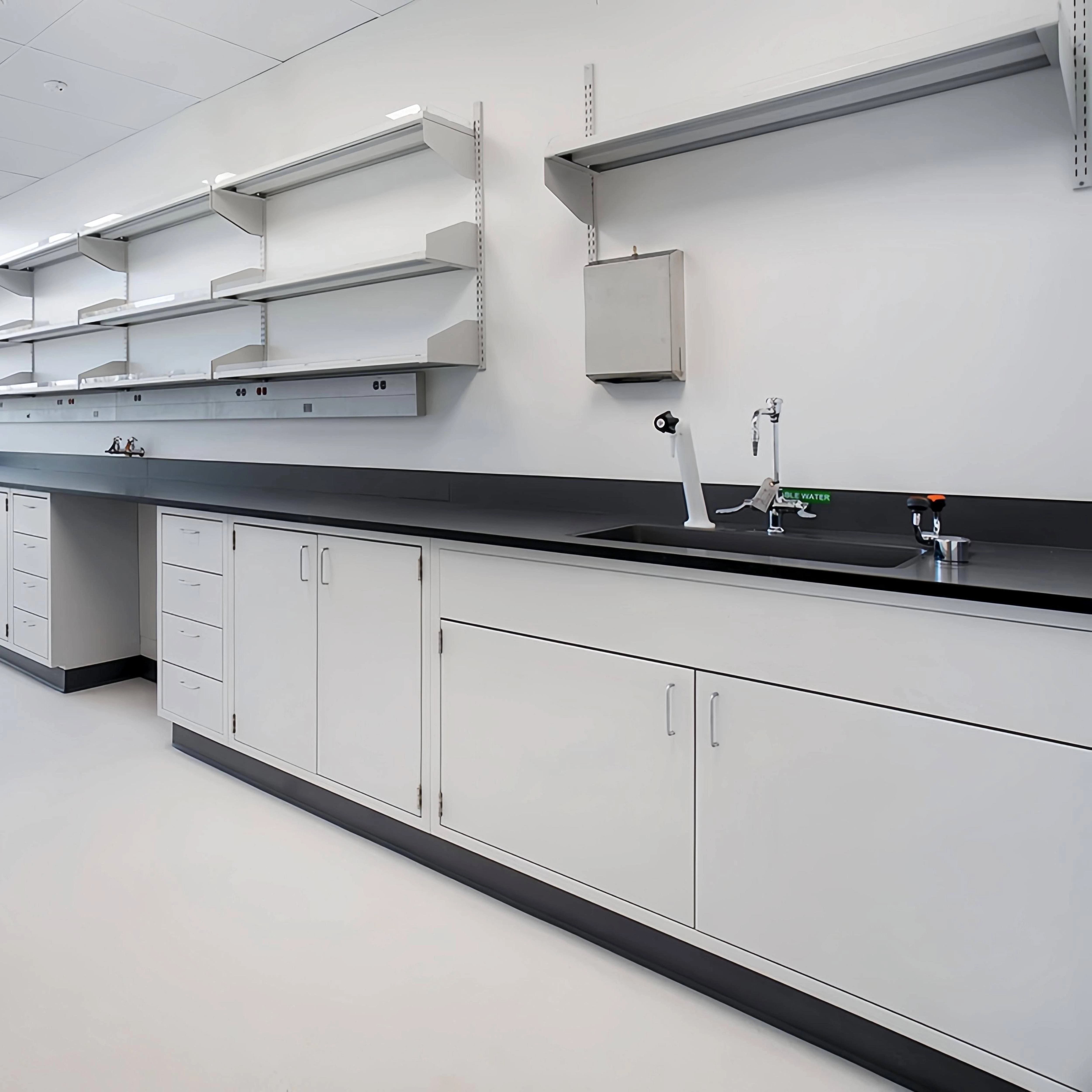
Why We Choose to Be Your Lab Furniture Solution Provider, Not Just a Manufacturer
Max Lab Introduction
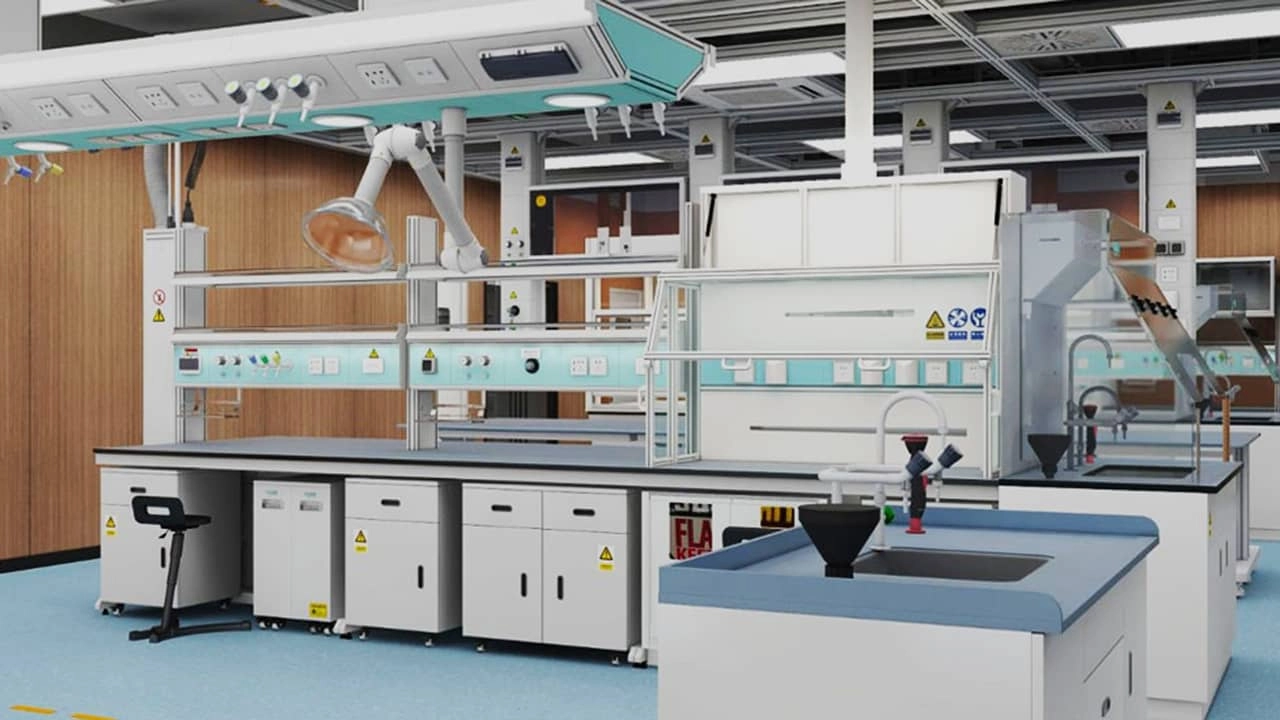
Electronics Lab Bench vs Chemistry Lab Bench: What You Need to Know
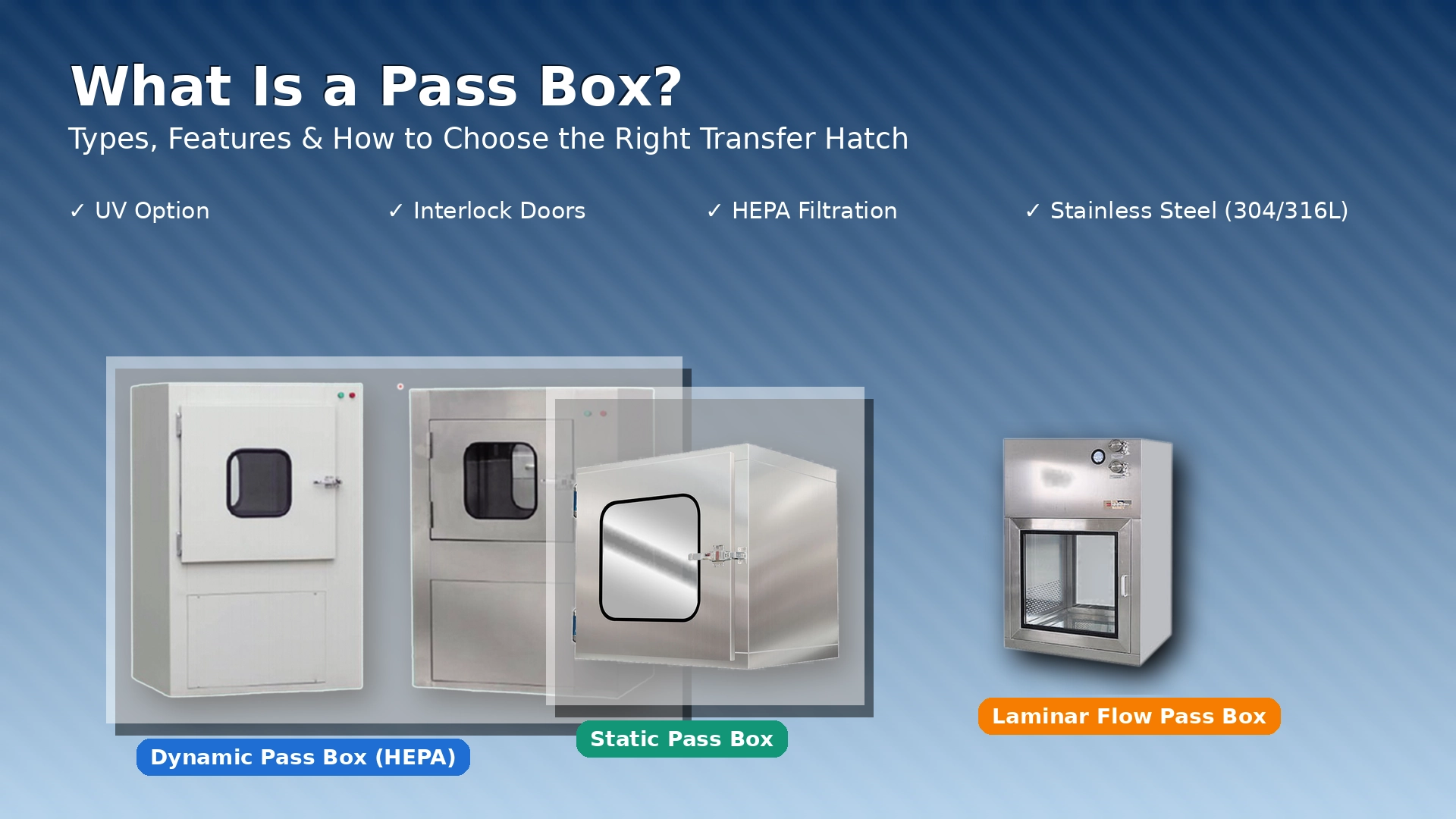
What Is a Pass Box? Types, Features, and How to Choose the Right Transfer Hatch
Customization
What kind of laboratory equipment is suitable for customization?
All types of laboratory equipment can be customized, including test benches, fume hoods, hoods, chemical cabinets, exhaust units, etc.
What is the after-sales support for customized services?
We provide a full range of after-sales service, including equipment installation guidance, regular maintenance, troubleshooting, operation training, etc., to ensure the safe and efficient operation of equipment.
For Logistics
What is the lead time?
We usually will start to work after receiving 50% deposit, and as for the exact lead time, it depends on quantity and detailed requirement. We can promise it will be shipped on time as we negotiated.
For Customization
Can you create furniture for labs with special requirements?
Yes, we specialize in designing and manufacturing lab furniture for specialized environments, including clean rooms, bio labs, and industrial labs.
For After-Sales Support
What happens if my product is damaged during delivery?
If your product is damaged during shipping, please contact our customer service team immediately. We will arrange for a replacement or repair at no additional cost.


Get in touch with us
If you have any comments or good suggestions, please leave us a message; later our professional staff will contact you as soon as possible.

 Scan QR Code
MaxLabFurniture
MaxLab Furniture
daihongada
Max Laboratory