
Resource
- Comprehensive Guide to Purchasing Laboratory Tables: Essential Considerations and FAQs
- 1. What are the primary materials used in laboratory tables, and how do they affect performance?
- 2. What features should I consider when selecting a laboratory table?
- 3. How do I assess the durability and quality of a laboratory table?
- 4. What safety standards should laboratory tables comply with?
- 5. What are the benefits of modular versus custom laboratory tables?
- 6. How do I determine the total cost of ownership for a laboratory table?
- 7. What questions should I ask suppliers when purchasing a laboratory table?
- 8. How can I ensure the laboratory table meets my specific needs?
- Conclusion: Why Choose MAXLAB for Your Laboratory Furniture Needs?
What questions to ask suppliers about laboratory tables?
Comprehensive Guide to Purchasing Laboratory Tables: Essential Considerations and FAQs
Selecting the right laboratory table is crucial for ensuring safety, efficiency, and durability in your lab environment. This guide addresses common questions and provides expert insights to assist you in making an informed decision.
1. What are the primary materials used in laboratory tables, and how do they affect performance?
Laboratory tables are constructed from various materials, each offering distinct advantages:
High-Pressure Laminate (HPL): Cost-effective and easy to clean, suitable for general science and STEM applications. However, it is not resistant to strong acids, solvents, or high heat.
Chemical-Resistant Laminate: An upgraded laminate engineered to withstand common reagents found in middle and high school labs, offering a balance between value and protection for regular wet labs.
Phenolic Resin: Dense, moisture-proof, and highly chemical-resistant; handles frequent cleaning and incidental heat better than laminates. A strong choice for biology and chemistry labs and shared STEM spaces.
Solid Epoxy Resin: The gold standard for harsh environments—excellent chemical, heat, and impact resistance. Ideal near sinks, burners, and heavy apparatus; highest upfront cost but long service life.
Stainless Steel: Offers superior chemical resistance and durability, making it ideal for labs handling corrosive substances.
2. What features should I consider when selecting a laboratory table?
Key features to evaluate include:
Size and Configuration: Ensure the table fits your lab space and supports your workflow. Options range from fixed workbenches to mobile tables with casters for flexibility. ((https://www.maxlabfurniture.com/blog/ultimate-guide-to-laboratory-table-2026-choose-for-your-lab/))
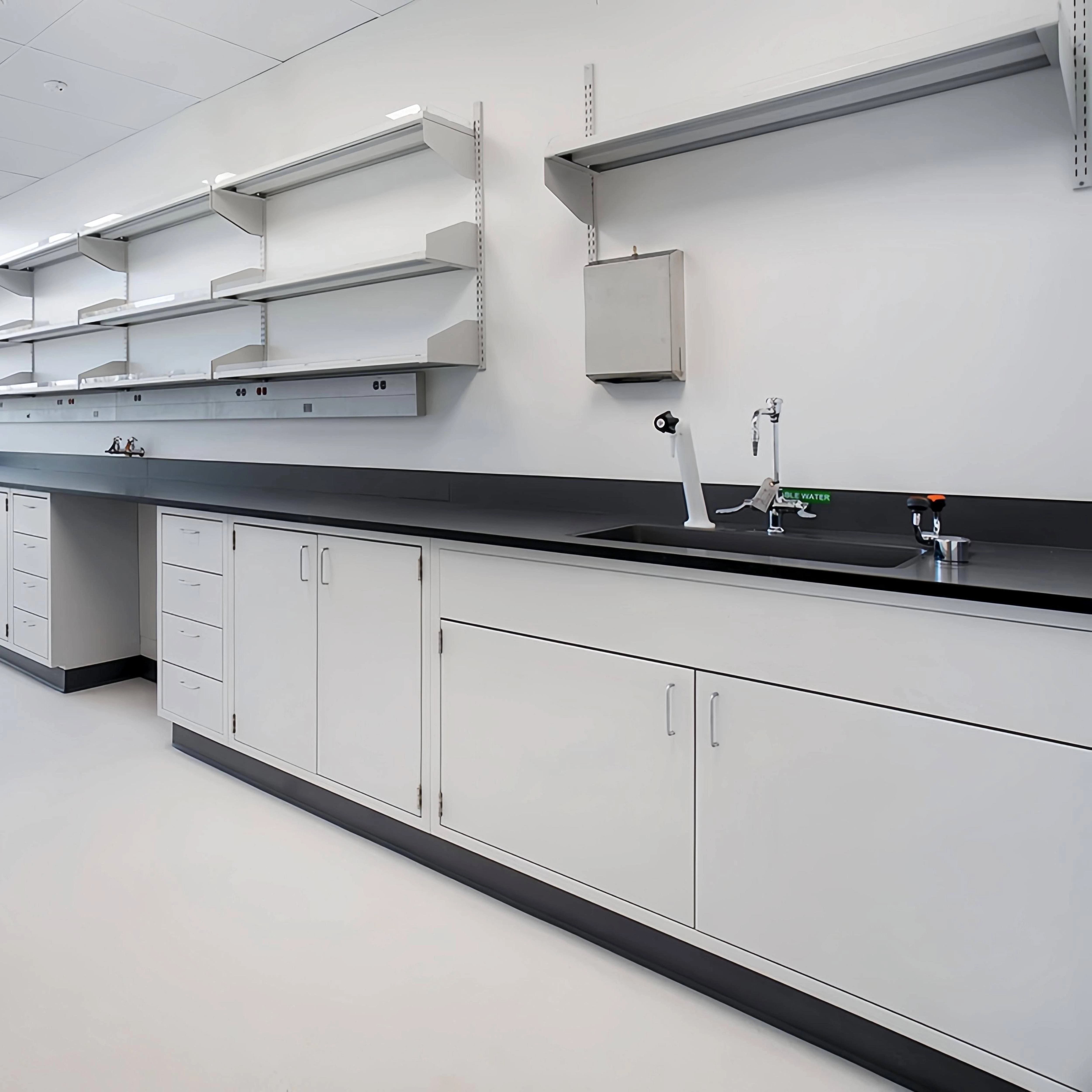
Storage Options: Integrated storage such as drawers, cabinets, or reagent racks can help organize equipment and materials efficiently.
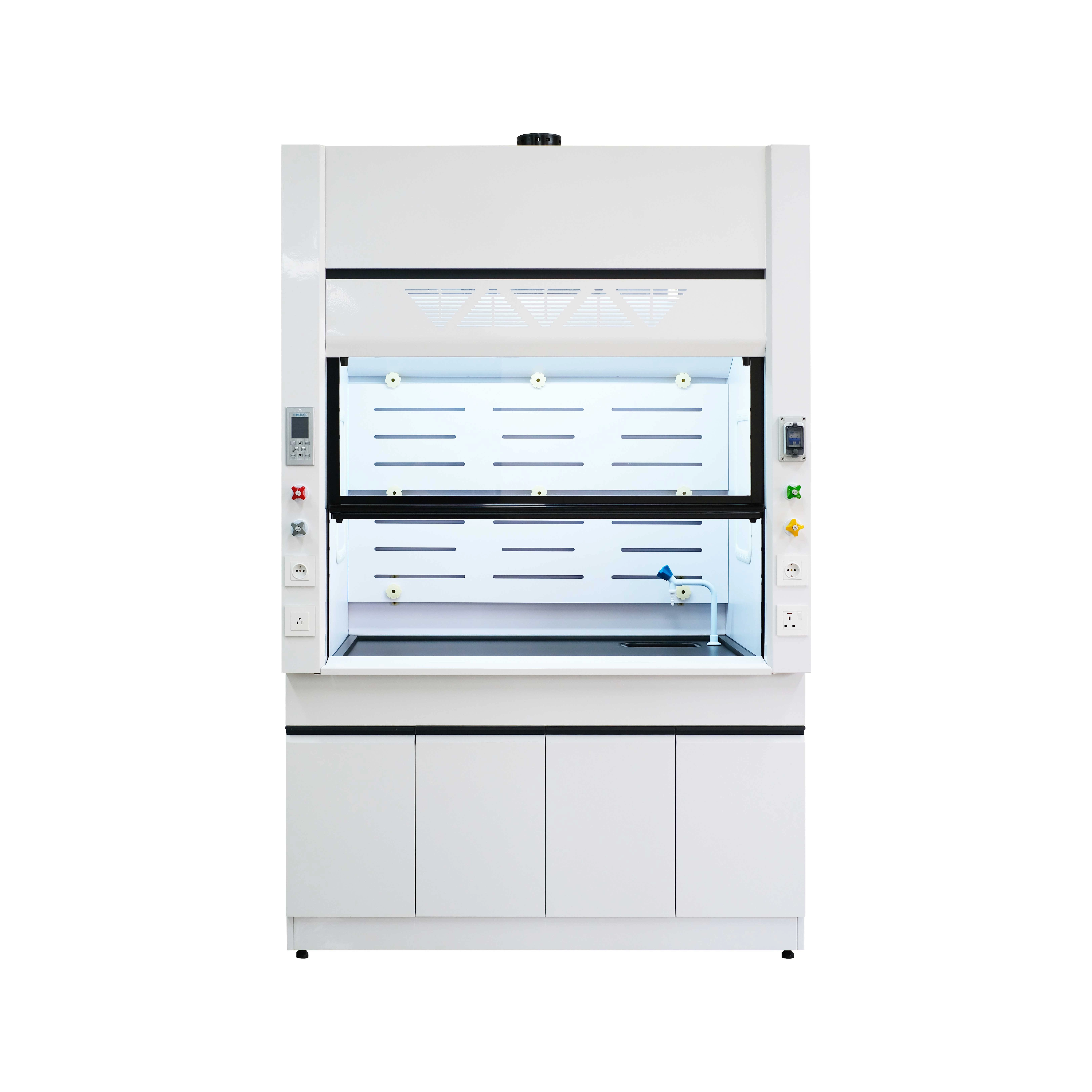
Utility Integration: Consider tables with built-in sinks, electrical outlets, or gas lines, especially for wet labs or experiments requiring specific utilities.
Ergonomics: Adjustable-height tables can accommodate both sitting and standing positions, promoting better posture and reducing fatigue. ((https://www.maxlabfurniture.com/blog/ultimate-guide-to-laboratory-table-2026-choose-for-your-lab/))
3. How do I assess the durability and quality of a laboratory table?
To evaluate durability:
Material Quality: Opt for materials known for their resilience, such as epoxy resin or stainless steel.
Construction: Look for tables with sturdy frames, preferably made from 14-gauge steel with welded joints, and ensure the tabletop is securely attached.
Surface Finish: A smooth, non-porous surface is easier to clean and less likely to harbor contaminants.
4. What safety standards should laboratory tables comply with?
Ensure the laboratory table meets relevant safety standards:
Chemical Resistance: Verify that the tabletop material is resistant to the chemicals used in your lab.
Structural Integrity: Confirm that the table can support the weight of equipment and withstand daily use without compromising stability.
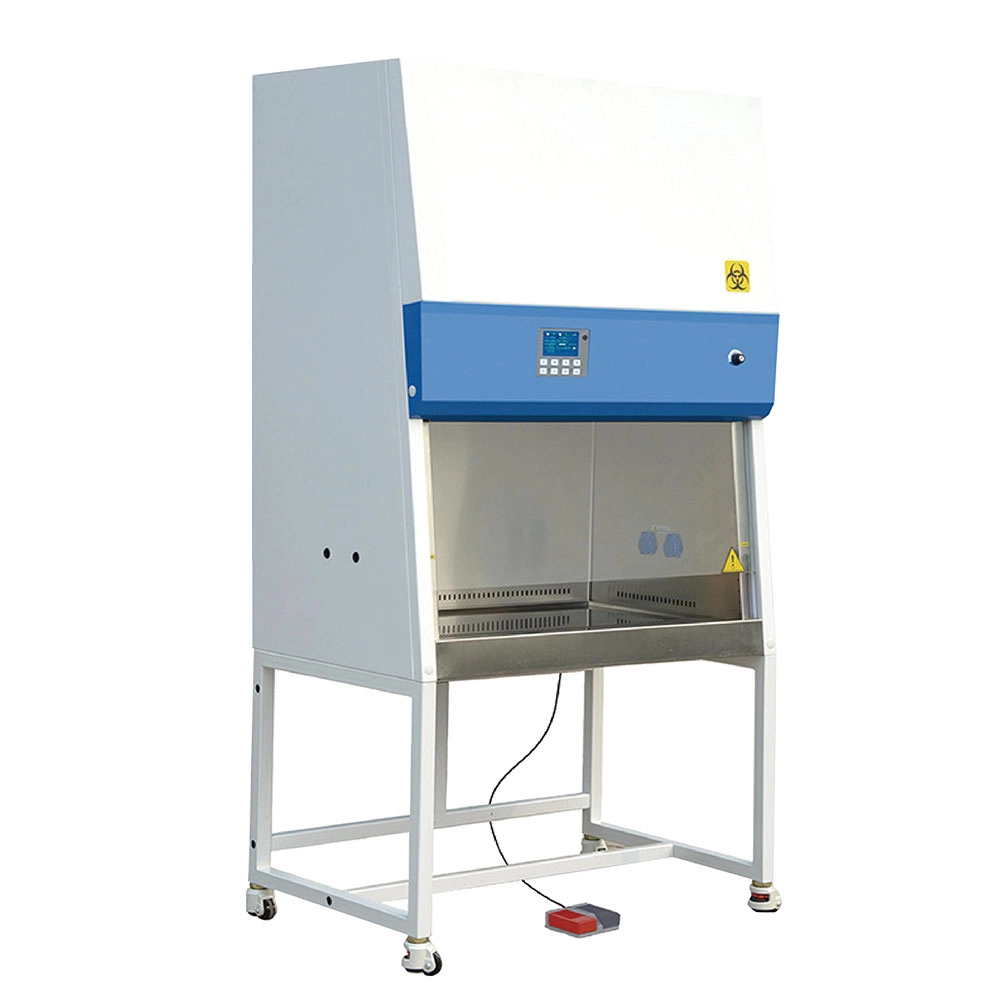
Compliance with Regulations: Check for adherence to industry standards such as ANSI/SEFA 8-2020 for wet labs or NSF/ANSI 49 for biosafety cabinets.
5. What are the benefits of modular versus custom laboratory tables?
Modular Tables: Offer flexibility and can be reconfigured as needed, often at a lower cost. They are suitable for labs that anticipate changes in layout or function. ((https://www.maxlabfurniture.com/select-right-lab-furniture-6-tips/))
Custom Tables: Tailored to specific requirements, providing a perfect fit for unique lab spaces or specialized needs but typically at a higher cost. ((https://www.maxlabfurniture.com/select-right-lab-furniture-6-tips/))
6. How do I determine the total cost of ownership for a laboratory table?
Consider the following factors:
Initial Purchase Price: Compare prices from different suppliers, keeping in mind that higher-quality materials may have a higher upfront cost but offer better longevity.
Maintenance Costs: Factor in the cost of cleaning supplies and any maintenance required to keep the table in good condition.
Warranty and Support: A longer warranty period and reliable customer support can reduce long-term costs associated with repairs or replacements.
7. What questions should I ask suppliers when purchasing a laboratory table?
To ensure you make an informed decision, consider asking suppliers the following questions:
What materials are used in the construction of the table, and how do they contribute to its durability and chemical resistance?
Can you provide certifications or test reports verifying the table's compliance with relevant safety and quality standards?
What customization options are available to tailor the table to my specific lab requirements?
What is the expected lead time for delivery, and do you offer installation services?
What warranty terms are provided, and what do they cover?
Can you provide references or case studies from other labs that have purchased similar tables?
8. How can I ensure the laboratory table meets my specific needs?
To ensure the table aligns with your requirements:
Assess Your Lab's Workflow: Understand the tasks and processes that will be performed to select a table that supports these activities. ((https://www.maxlabfurniture.com/select-right-lab-furniture-6-tips/))
Measure Available Space: Ensure the table fits within your lab's dimensions and allows for comfortable movement and access to equipment.
Consult with Experts: Engage with suppliers or industry professionals who can provide insights and recommendations based on your specific needs.
Conclusion: Why Choose MAXLAB for Your Laboratory Furniture Needs?
MAXLAB offers a comprehensive range of laboratory tables designed to meet diverse needs, from standard workbenches to specialized configurations. Our products are crafted with high-quality materials, ensuring durability and safety. With customizable options, ergonomic designs, and adherence to industry standards, MAXLAB is committed to providing laboratory furniture solutions that enhance productivity and support scientific excellence.
Why We Choose to Be Your Lab Furniture Solution Provider, Not Just a Manufacturer
Max Lab Introduction
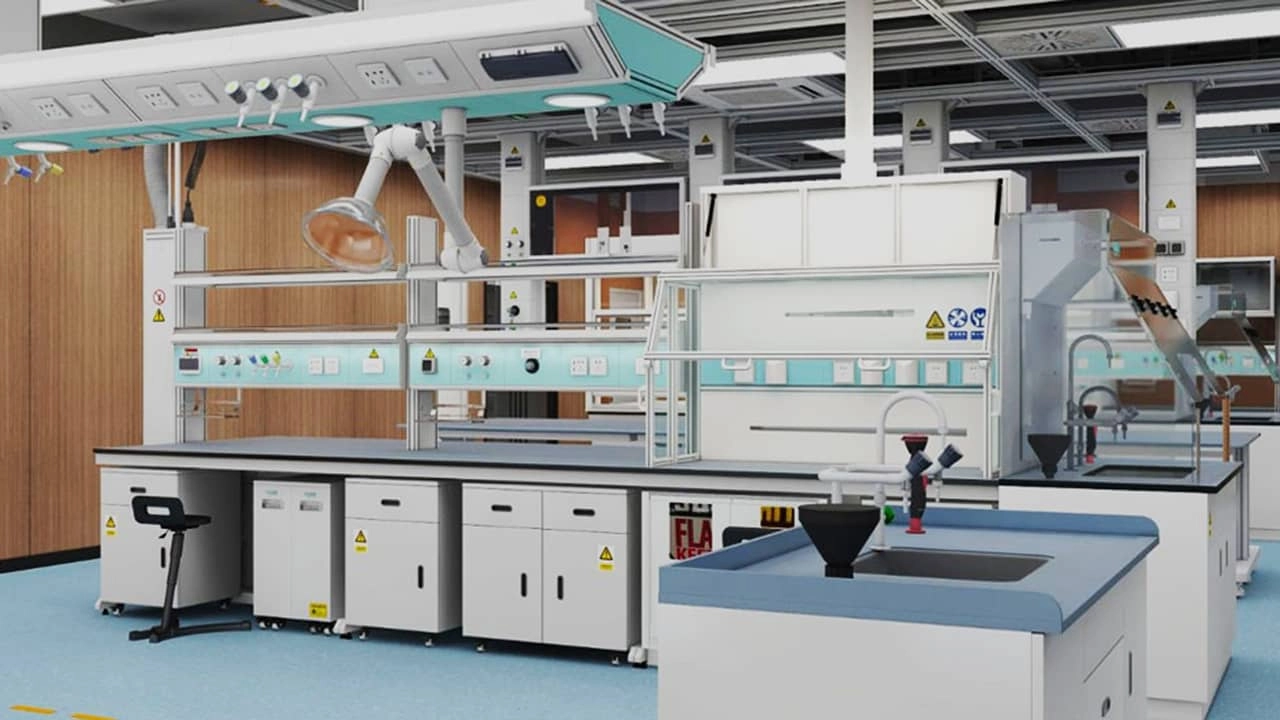
Electronics Lab Bench vs Chemistry Lab Bench: What You Need to Know
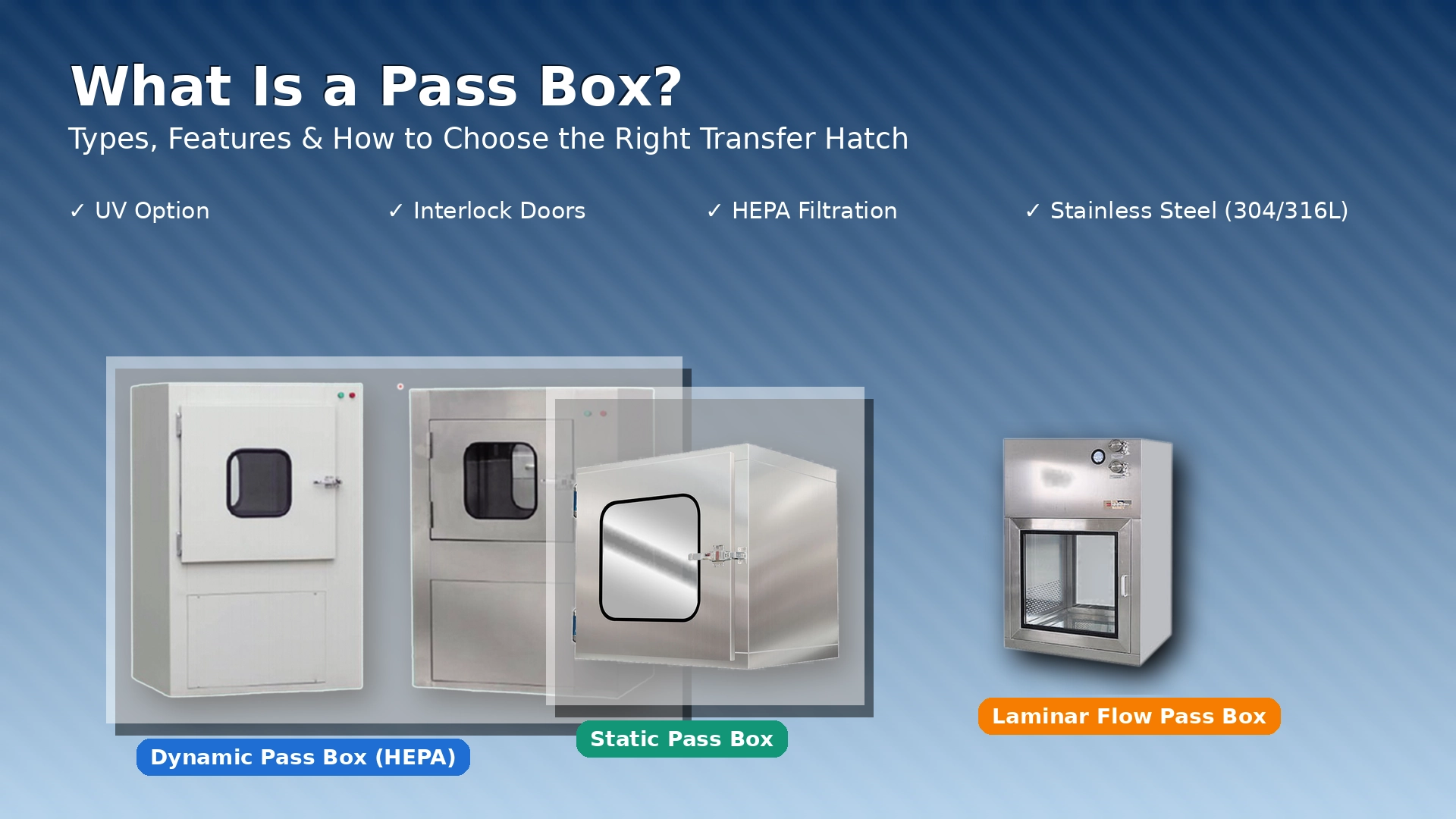
What Is a Pass Box? Types, Features, and How to Choose the Right Transfer Hatch
For Products
What products does MAX LAB offer?
We specialize in laboratory furniture and equipment, including lab benches, fume hoods, storage cabinets, lab accessories, and custom lab solutions.
What are the payment terms?
T/T by our bank account directly, or by the West Union.
For Company
Are you a factory or trade company?
Direct factory. We also have our sales and design team to offer better service to our valued customers.
Can I visit your factory or showroom?
Yes, we welcome visits to our showroom and production facility. Please contact us in advance to schedule an appointment.
For Logistics
Do you offer international shipping?
Yes, we offer international shipping to most regions worldwide. Our logistics team ensures that all items are carefully packaged and delivered on time.


Get in touch with us
If you have any comments or good suggestions, please leave us a message; later our professional staff will contact you as soon as possible.

 Scan QR Code
MaxLabFurniture
MaxLab Furniture
daihongada
Max Laboratory