
Resource
- Comprehensive Guide to Laboratory Table Installation and Considerations
- 1. What materials are best for laboratory table surfaces in chemical labs?
- 2. How should laboratory tables be designed to enhance safety?
- 3. What safety standards must laboratory tables comply with?
- 4. How can laboratory tables be customized for specific chemical applications?
- 5. What are the maintenance requirements for laboratory tables in chemical labs?
- 6. How do laboratory tables contribute to overall laboratory safety?
- 7. What are the cost considerations when selecting laboratory tables for chemical labs?
- 8. How does the brand MAXLAB stand out in the laboratory furniture industry?
What are common installation considerations for tables?
Comprehensive Guide to Laboratory Table Installation and Considerations
Laboratory tables are fundamental to the functionality and safety of any lab environment. Proper selection, installation, and maintenance are crucial to ensure they meet the specific needs of your laboratory. Below are key considerations to guide you in making informed decisions.
1. What materials are best for laboratory table surfaces in chemical labs?
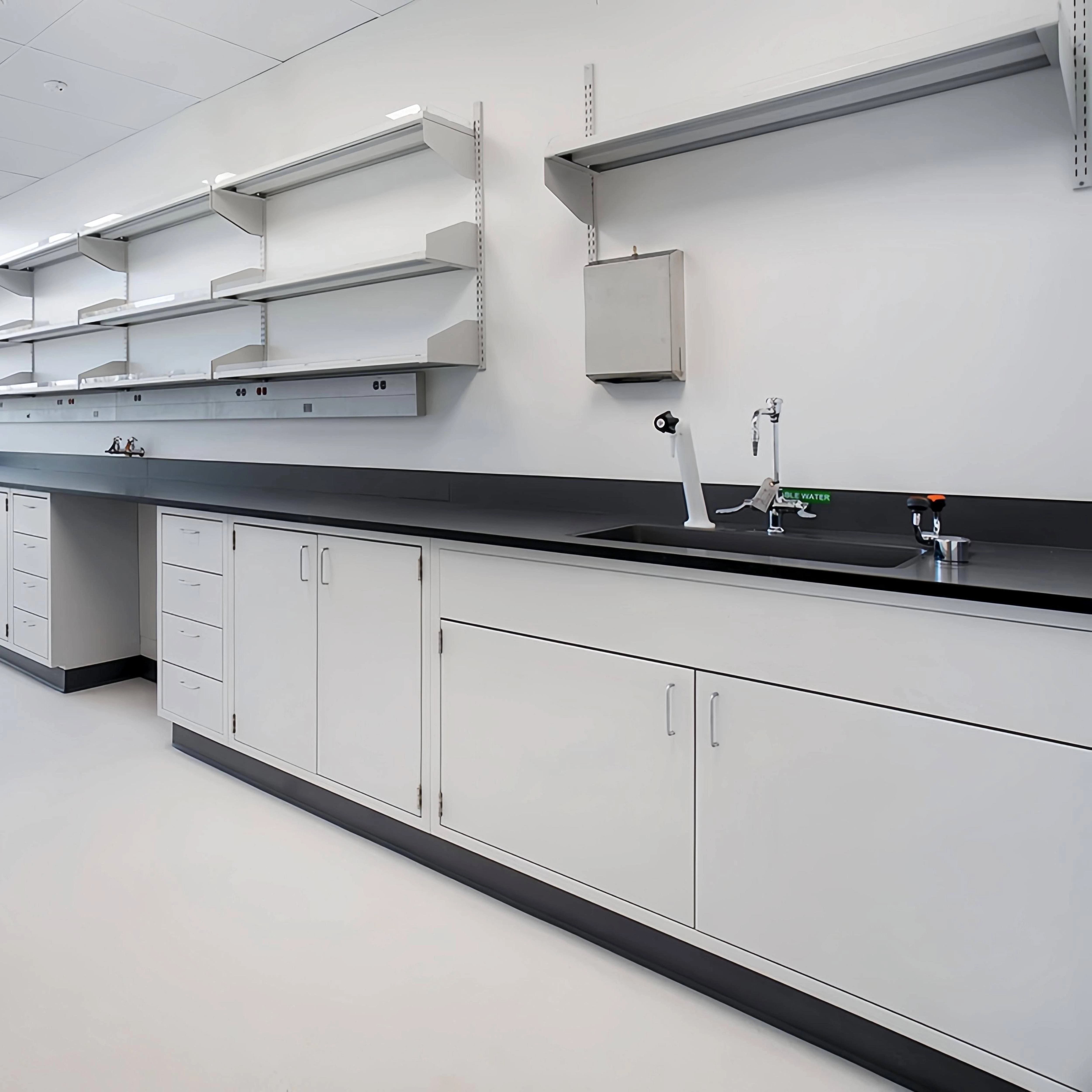
Selecting the appropriate material for your laboratory table surface is vital for durability and safety. Common materials include:
Epoxy Resin: Offers excellent chemical resistance and heat tolerance, making it ideal for chemistry labs.
Phenolic Resin: Provides moisture resistance and durability, suitable for wet labs with heavy bench use.
Stainless Steel: Corrosion-resistant and easy to clean, preferred where sterilization or sanitary processing is required.
High-Pressure Laminate (HPL): Cost-effective and resistant to many chemicals, suitable for educational labs.
The choice should align with the specific needs of the lab, the types of chemicals used, and budget considerations. ((https://www.maxlabfurniture.com/laboratory-workbench-design/))
2. How should laboratory tables be designed to enhance safety?
Designing laboratory tables with safety in mind involves incorporating features such as:
Chemical-Resistant Surfaces: To prevent reactions and degradation from chemical spills.
Built-in Storage Options: Drawers and cabinets for safely storing chemicals and equipment, reducing clutter and potential hazards.
Integrated Sinks: For immediate access to water in case of spills or emergencies.
Rounded Edges: To minimize injury risks.
Non-Slip Feet: To prevent movement and ensure stability.
These features contribute to a safer laboratory environment by minimizing risks associated with chemical handling and spills. ((https://www.maxlabfurniture.com/guides/laboratory-tables-chemical-labs-guide/))
3. What safety standards must laboratory tables comply with?
Laboratory tables must adhere to various safety standards, including:
OSHA Laboratory Standard (29 CFR 1910.1450): Requires employers to develop and implement a Chemical Hygiene Plan to protect employees from health hazards presented by hazardous chemicals.
National Fire Protection Association (NFPA) Standards: Guidelines for the safe storage and handling of flammable and combustible liquids.
Local Building Codes: Specific requirements for laboratory design and equipment, such as ventilation rates and emergency equipment.
Ensuring compliance with these standards is essential for laboratory safety and legal adherence. ((https://www.maxlabfurniture.com/guides/laboratory-tables-chemical-labs-guide/))
4. How can laboratory tables be customized for specific chemical applications?
Customization options for laboratory tables include:
Modular Designs: Allowing for flexible configurations to accommodate various laboratory setups.
Integrated Fume Hoods: For handling volatile substances.
Specialized Storage: Including flammable liquid storage cabinets and corrosive material storage.
Adjustable Heights: To cater to different tasks and user preferences.
Customizing laboratory tables ensures they meet the specific needs of the laboratory's chemical applications and enhances overall safety and efficiency. ((https://www.maxlabfurniture.com/guides/laboratory-tables-chemical-labs-guide/))
5. What are the maintenance requirements for laboratory tables in chemical labs?
Regular maintenance of laboratory tables includes:
Routine Cleaning: Using appropriate cleaning agents to remove chemical residues and prevent contamination.
Inspection for Damage: Regularly checking for signs of wear, corrosion, or damage to ensure structural integrity.
Surface Reconditioning: Repairing or resurfacing to maintain chemical resistance and appearance.
Hardware Checks: Ensuring that drawers, cabinets, and other components function correctly.
Proper maintenance extends the lifespan of laboratory tables and ensures a safe working environment. ((https://www.maxlabfurniture.com/guides/laboratory-tables-chemical-labs-guide/))
6. How do laboratory tables contribute to overall laboratory safety?
Laboratory tables play a vital role in laboratory safety by:
Providing Stable Work Surfaces: Ensuring that experiments are conducted on secure and level platforms.
Facilitating Chemical Storage: Offering built-in storage solutions to safely store chemicals and equipment.
Incorporating Safety Features: Such as integrated sinks, fume hoods, and non-slip surfaces to mitigate risks.
Supporting Emergency Equipment: Allowing for the integration of safety showers, eyewash stations, and fire extinguishers.
By integrating these features, laboratory tables enhance the overall safety and functionality of chemical laboratories. ((https://www.maxlabfurniture.com/guides/laboratory-tables-chemical-labs-guide/))
7. What are the cost considerations when selecting laboratory tables for chemical labs?
Cost considerations include:
Material Choice: High-quality materials may have a higher upfront cost but offer greater durability and safety.
Customization: Tailored features can increase costs but may be necessary for specific laboratory needs.
Compliance with Standards: Ensuring that tables meet safety and regulatory standards may influence pricing.
Maintenance Expenses: Considering the long-term costs associated with upkeep and potential repairs.
Balancing initial investment with long-term benefits is essential when selecting laboratory tables. ((https://www.maxlabfurniture.com/guides/laboratory-tables-chemical-labs-guide/))
8. How does the brand MAXLAB stand out in the laboratory furniture industry?
MAXLAB is renowned for:
High-Quality Materials: Utilizing durable and chemical-resistant materials in their laboratory tables.
Innovative Designs: Offering customizable solutions tailored to specific laboratory needs.
Compliance with Standards: Ensuring all products meet or exceed industry safety and regulatory standards.
Commitment to Safety: Integrating safety features such as built-in storage, integrated sinks, and non-slip surfaces.
Choosing MAXLAB ensures a reliable and safe laboratory environment. ((https://www.maxlabfurniture.com/guides/laboratory-tables-chemical-labs-guide/))
By considering these factors, you can select laboratory tables that enhance safety, functionality, and compliance in your chemical laboratory.
For more detailed information, refer to the sources cited above.
Why We Choose to Be Your Lab Furniture Solution Provider, Not Just a Manufacturer
Max Lab Introduction
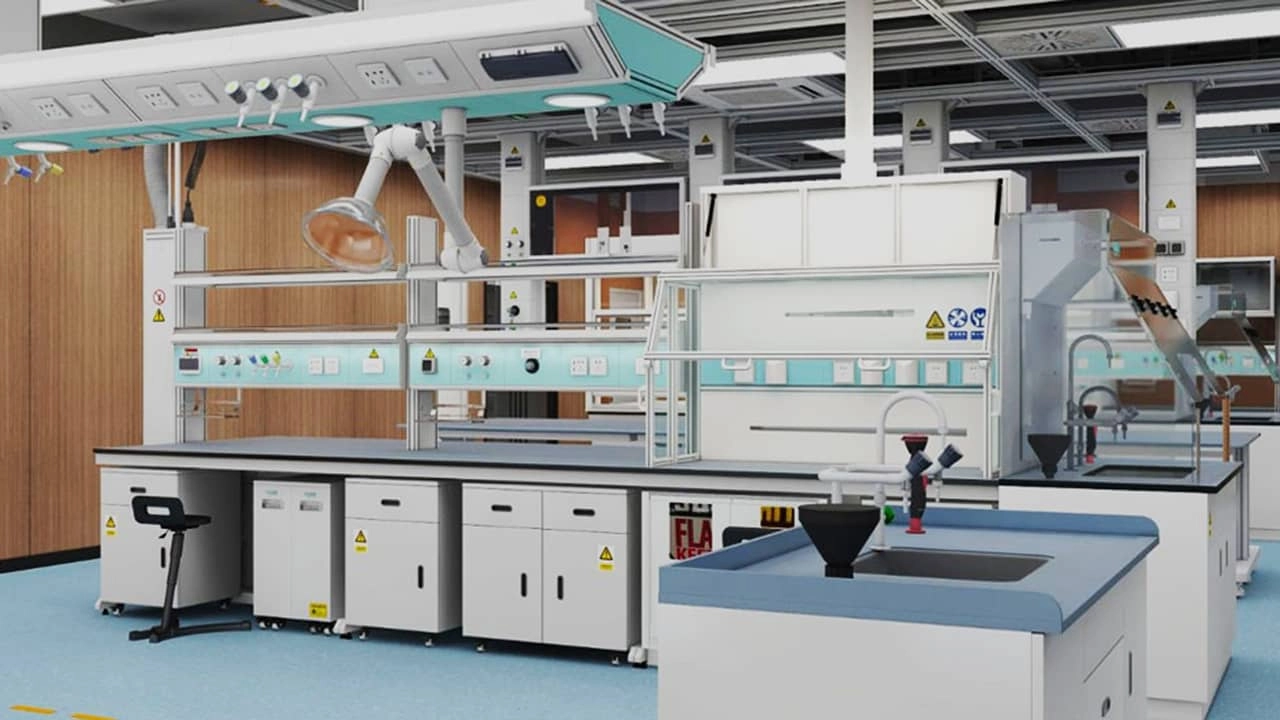
Electronics Lab Bench vs Chemistry Lab Bench: What You Need to Know
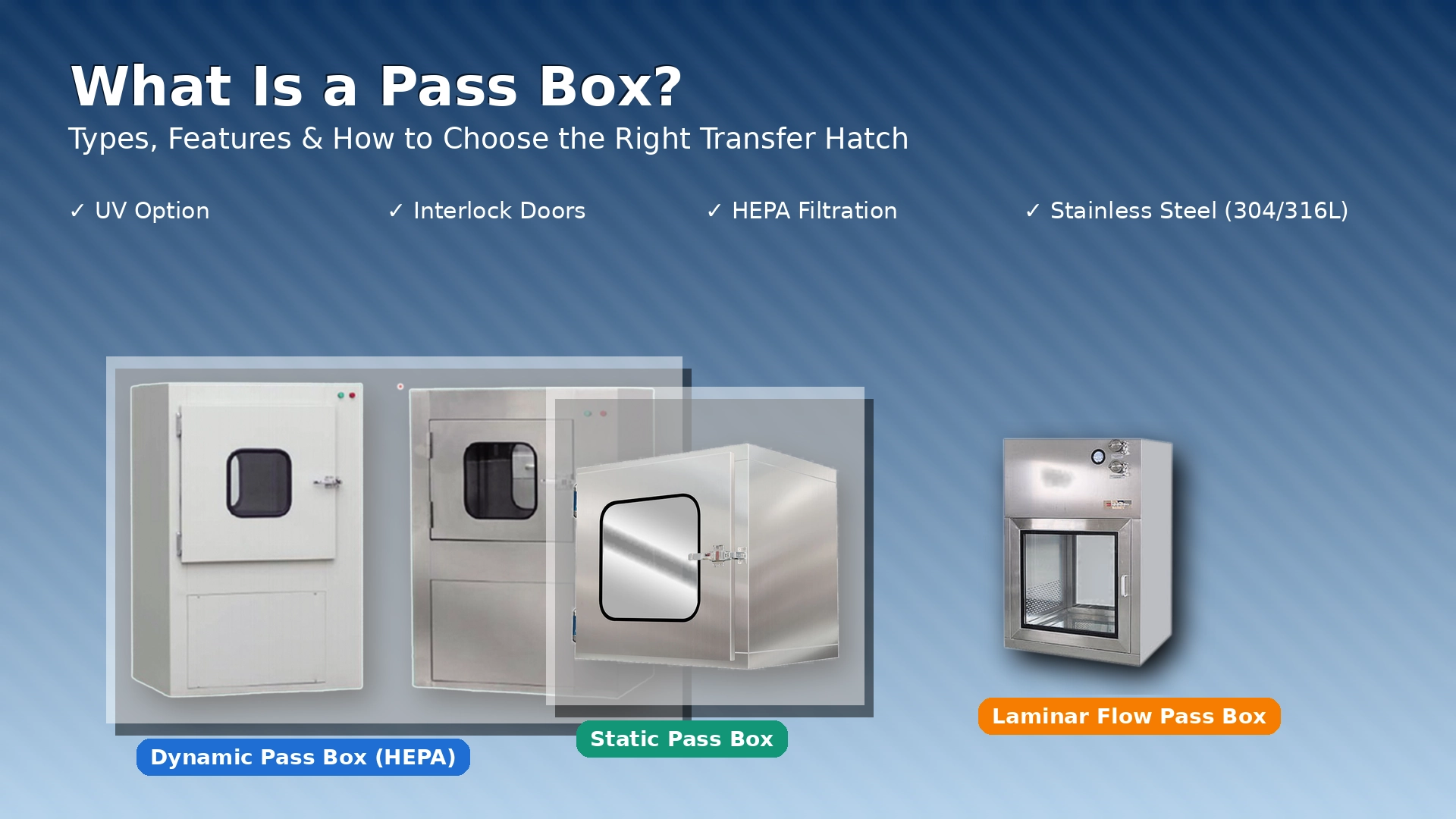
What Is a Pass Box? Types, Features, and How to Choose the Right Transfer Hatch
Customization
How long does it take to customize the product?
The delivery time of the custom equipment depends on the specific customization program and production cycle, which generally takes 4 to 8 weeks. We will keep you updated during the production process.
About Solution
How to ensure the safety performance of the fume hood?
Our fume hoods adopt high-efficiency filtration system and intelligent air speed control technology to ensure that harmful gases are effectively eliminated during experiments and protect users' health.
Do you provide laboratory layout design service?
Yes, we provide professional laboratory layout design service to optimize space utilization and workflow according to customer's site and usage requirements.
FAQS
Do you offer custom design services?
Yes, we provide full design support tailored to your lab’s specific needs, including layout planning and furniture customization.
For Products
May I have my own design?
Yes, welcome. If you have your own design, please kindly send the Layout or plan to us. The designer team will make 3D drawings and Rendering drawings.



Get in touch with us
If you have any comments or good suggestions, please leave us a message; later our professional staff will contact you as soon as possible.

 Scan QR Code
MaxLabFurniture
MaxLab Furniture
daihongada
Max Laboratory