
Resource
How to choose between ducted and ductless fume cupboards?
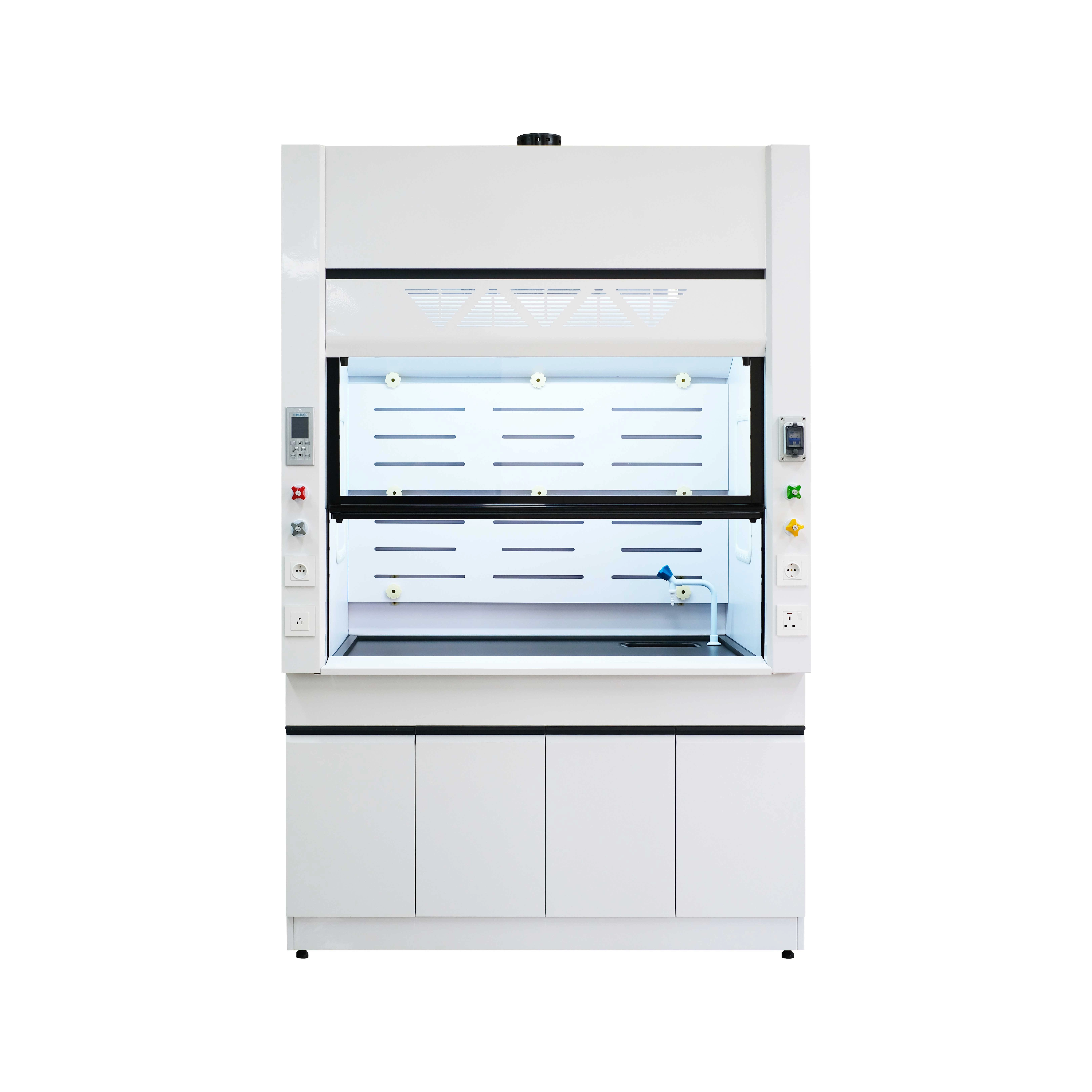
Laboratory fume cupboards, also known as fume hoods, are critical safety devices designed to protect laboratory personnel from hazardous fumes, vapors, and airborne contaminants. They function by ventilating and filtering out harmful substances, thereby maintaining a safer workspace for chemical reactions, sample processing, and other procedures. When selecting a fume cupboard, it's essential to understand the differences between ducted and ductless models to make an informed decision that aligns with your laboratory's specific needs.
Understanding Ducted and Ductless Fume Cupboards
Ducted fume cupboards are connected to an external ventilation system, expelling hazardous fumes directly outside the building. This setup is particularly suitable for laboratories handling volatile chemicals or substances that require continuous removal of contaminants. Ductless fume cupboards, on the other hand, use built-in filtration systems to cleanse the air before recirculating it back into the laboratory. These are ideal for applications involving less hazardous materials or where external venting is impractical.
Key Considerations When Choosing Between Ducted and Ductless Fume Cupboards
1. Nature of Chemicals Handled
The type of chemicals your laboratory uses plays a significant role in determining the appropriate fume cupboard. For instance, laboratories dealing with volatile substances like perchloric acid require specialized fume cupboards designed to handle such materials safely.
2. Laboratory Space and Infrastructure
The physical layout and existing infrastructure of your laboratory can influence the choice. Ducted fume cupboards necessitate a connection to an external ventilation system, which may not be feasible in all laboratory settings. In contrast, ductless models offer flexibility and can be installed in various locations without extensive modifications.
3. Energy Efficiency and Operational Costs
Ductless fume cupboards often consume less energy since they don't require external ventilation systems. However, the cost of replacing filters and maintaining the internal filtration system should be considered. Ducted systems, while potentially more energy-intensive, may offer more effective removal of hazardous fumes, which could justify the operational costs.
4. Compliance with Safety Standards
Ensure that the chosen fume cupboard complies with relevant safety standards and regulations. For example, certain laboratory areas handling explosive substances require components certified according to ATEX standards. In such cases, controlling constant volume flow rates is essential to meet safety objectives.
5. Maintenance Requirements
Ductless fume cupboards require regular maintenance of their filtration systems to ensure optimal performance. Ducted systems, while having fewer internal components, may require periodic checks of the external ventilation system and ductwork. Assessing the maintenance capabilities and resources available in your laboratory is crucial.
6. Environmental Impact
Consider the environmental implications of your choice. Ducted systems expel air outside, which may not be suitable in areas with strict environmental regulations. Ductless systems recirculate air, reducing the environmental footprint but requiring careful selection of filtration materials to prevent contamination.
Conclusion
Selecting the appropriate fume cupboard is vital for ensuring safety and efficiency in your laboratory. By carefully evaluating the nature of the chemicals handled, laboratory infrastructure, energy considerations, compliance with safety standards, maintenance needs, and environmental impact, you can make an informed decision that best suits your laboratory's requirements.
Why Choose MAXLAB?
MAXLAB offers a comprehensive range of laboratory furniture and fume cupboards designed to meet diverse laboratory needs. With a focus on quality, safety, and innovation, MAXLAB provides solutions that ensure optimal performance and compliance with industry standards. Their products are engineered for durability and ease of maintenance, making them a reliable choice for laboratories worldwide.
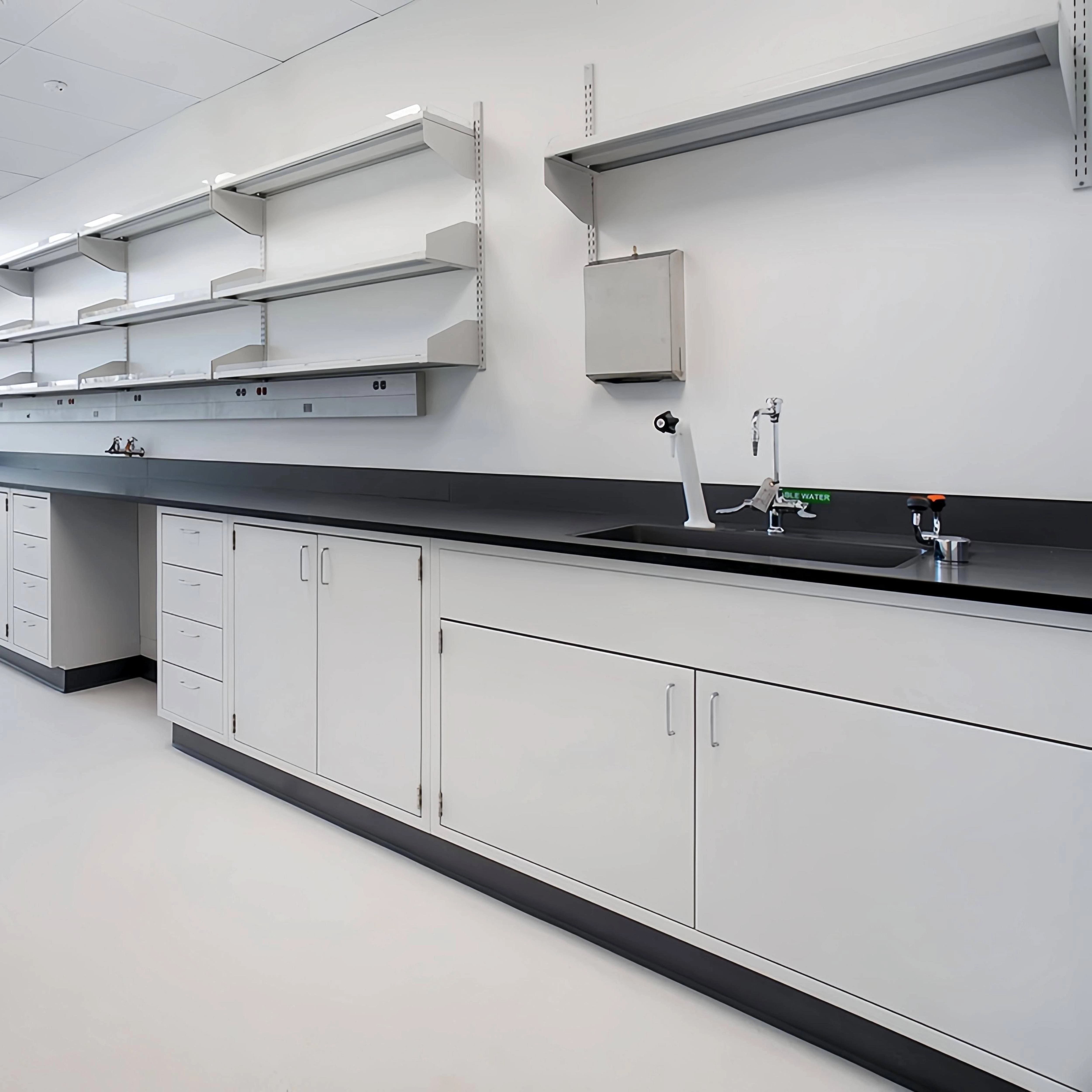
Why We Choose to Be Your Lab Furniture Solution Provider, Not Just a Manufacturer
Max Lab Introduction
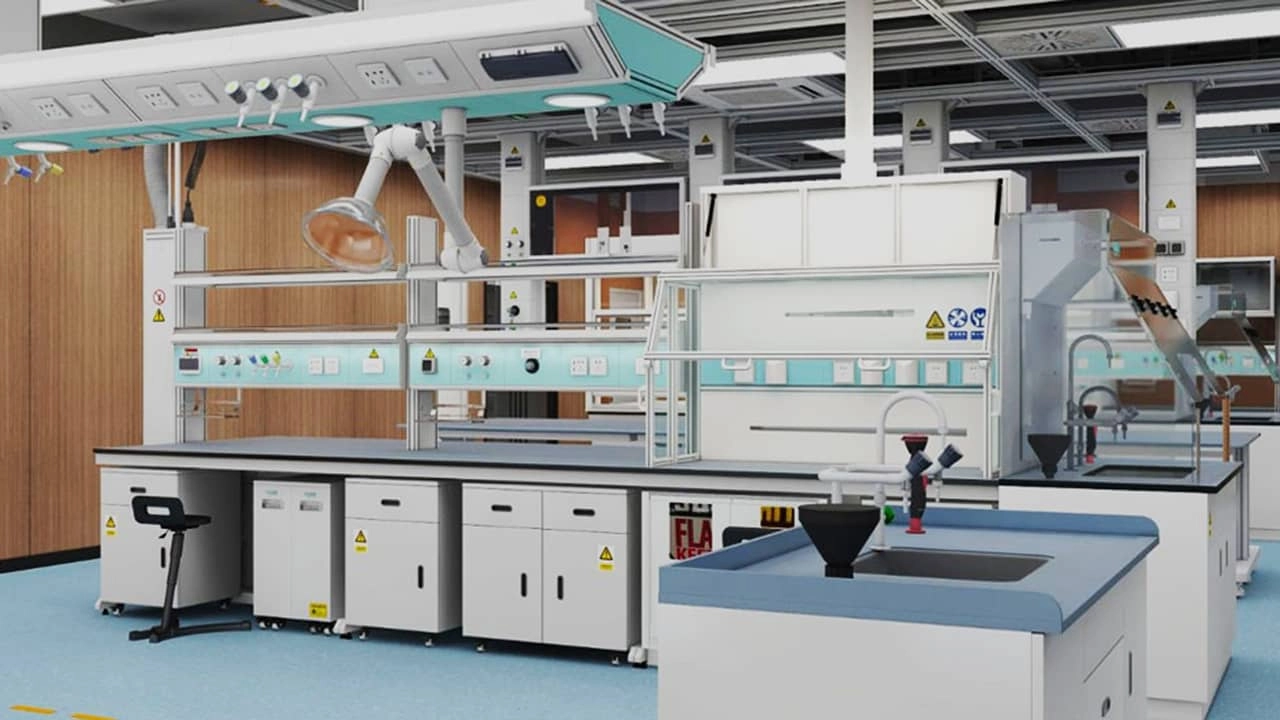
Electronics Lab Bench vs Chemistry Lab Bench: What You Need to Know
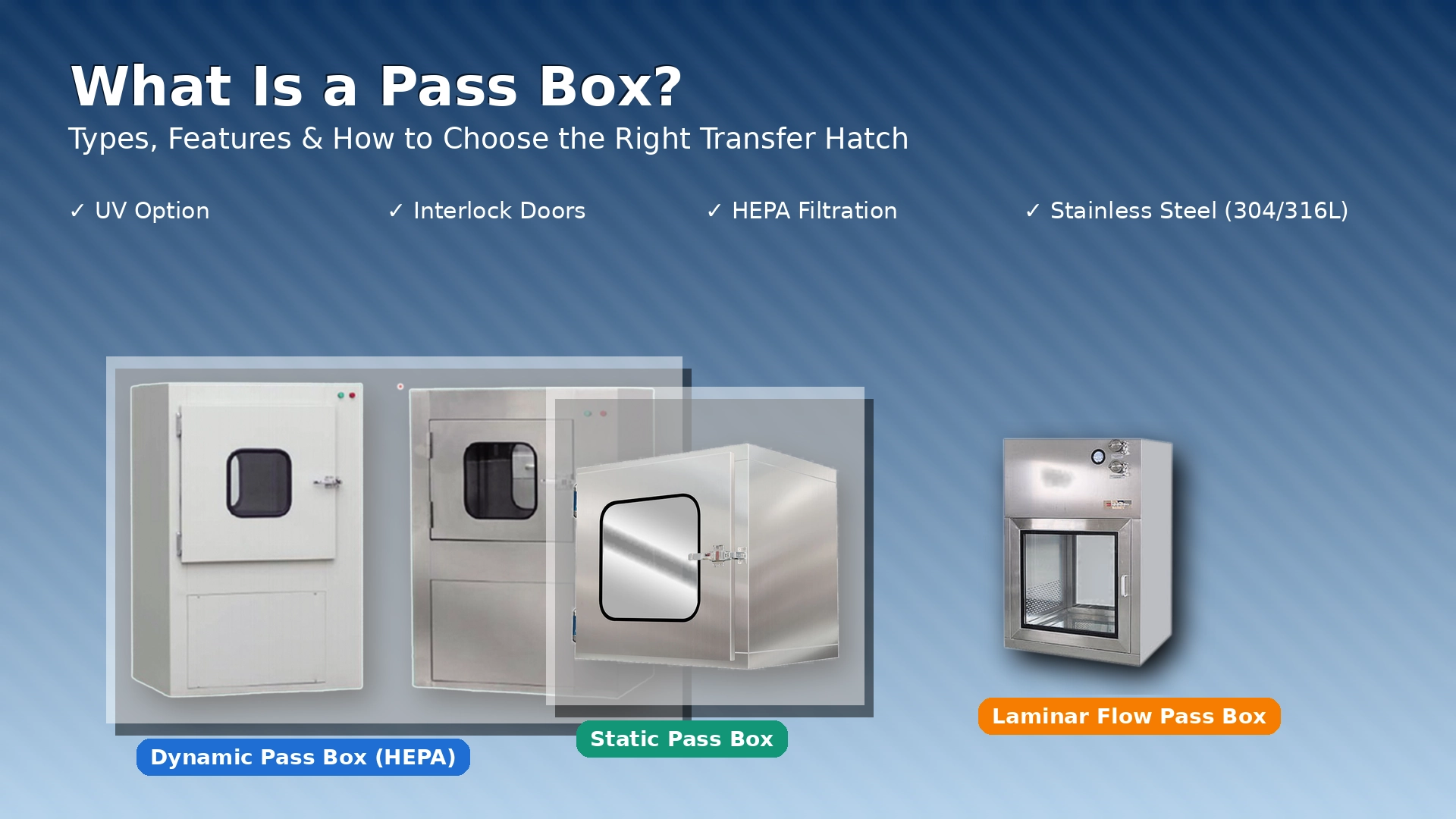
What Is a Pass Box? Types, Features, and How to Choose the Right Transfer Hatch
For Company
How do I get in touch with your sales team?
You can reach our sales team via email at ada@maxlabfurniture.com, by phone at +86 132 4232 3168, WhatsApp:+86 132 4232 3168, or through the contact form on our Facebook: https://www.facebook.com/MaxLabFurniture
Do you offer services internationally?
Yes, we serve clients around the world, including Europe, North America, and Asia. Our international experience enables us to provide solutions that meet local regulations and standards.
For Products
Can I change the size and color?
Yes, of course. Custom-made items are welcome, if you have any need, please feel free to contact us at anytime.
For After-Sales Support
Can you help with product troubleshooting?
Yes, our customer support team is available to help with any issues or troubleshooting you may need for your laboratory equipment.
Customization
Does the customized equipment have a warranty?
Yes, all custom equipment comes with a warranty. Specific warranty terms are determined according to the type of equipment and customized content.

Get in touch with us
If you have any comments or good suggestions, please leave us a message; later our professional staff will contact you as soon as possible.

 Scan QR Code
MaxLabFurniture
MaxLab Furniture
daihongada
Max Laboratory