
Resource
- Understanding Laboratory Fume Cupboard Certifications and Procurement
- 1. What are the primary certifications required for laboratory fume cupboards?
- 2. How often should fume cupboards be certified?
- 3. What are the key performance aspects evaluated during certification?
- 4. Can a fume cupboard be used if it fails certification tests?
- 5. What additional safety features should be considered when procuring a fume cupboard?
- 6. How can I verify the certifications of a fume cupboard supplier?
- 7. What are the consequences of using uncertified fume cupboards in a laboratory setting?
- 8. How can I ensure the longevity and continued safety of a fume cupboard?
- MAXLAB: Your Trusted Partner in Laboratory Safety
What certifications should fume cupboard suppliers provide?
Understanding Laboratory Fume Cupboard Certifications and Procurement
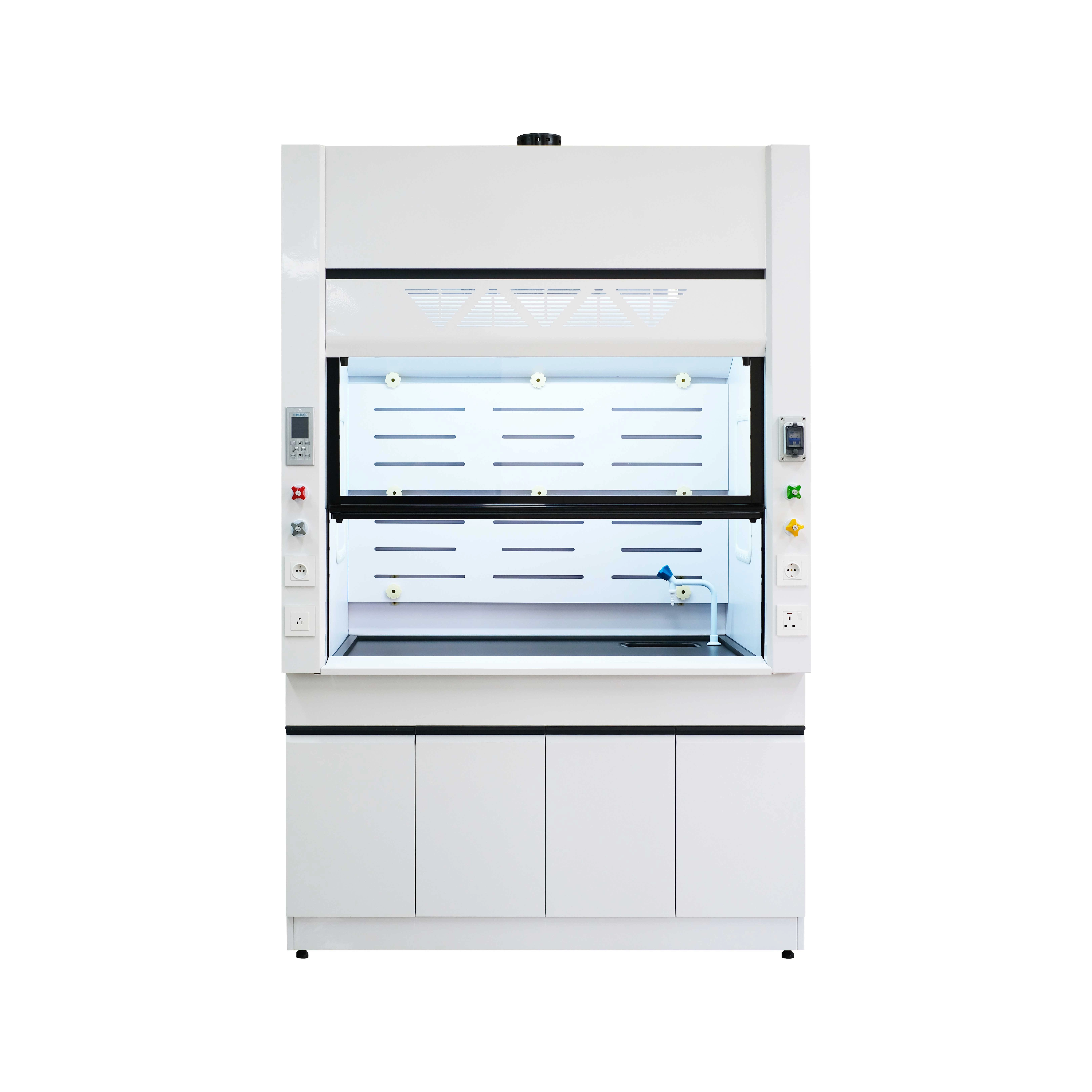
Laboratory fume cupboards, commonly known as fume hoods, are essential for maintaining a safe working environment by containing hazardous fumes, vapors, and particulate matter. Ensuring these units meet specific certifications is crucial for laboratory safety and regulatory compliance. Below, we address common questions related to fume cupboard certifications and procurement considerations.
1. What are the primary certifications required for laboratory fume cupboards?
Laboratory fume cupboards should adhere to several key certifications:
ASHRAE 110: This standard evaluates the containment performance of fume hoods by measuring the concentration of tracer gas within the hood.
ANSI/AIHA Z9.5: This standard provides guidelines for laboratory ventilation, including fume hood performance and testing procedures.
SEFA 1: This standard outlines performance requirements and testing procedures for laboratory fume hoods.
CE Marking: Indicates compliance with European Union health, safety, and environmental standards.
NFPA Compliance: Ensures adherence to fire safety standards set by the National Fire Protection Association.
2. How often should fume cupboards be certified?
Fume cupboards should undergo certification at installation and be re-certified annually or semi-annually, depending on specific regulations and usage. Regular certification ensures the hood's performance remains within safe parameters.
3. What are the key performance aspects evaluated during certification?
Certification evaluates several critical performance aspects:
Airflow Velocity: Ensures the hood maintains adequate face velocity to contain hazardous substances.
Containment Efficiency: Assesses the hood's ability to prevent the escape of fumes into the laboratory environment.
Alarm Systems: Verifies the functionality of airflow monitors and alarms to alert users of unsafe conditions.
Structural Integrity: Checks for any physical damage or wear that could compromise safety.
4. Can a fume cupboard be used if it fails certification tests?
No, a fume cupboard that fails certification tests should not be used. Failure indicates potential risks, including inadequate containment of hazardous fumes, which can compromise laboratory safety and violate regulatory requirements.
5. What additional safety features should be considered when procuring a fume cupboard?
When procuring a fume cupboard, consider the following safety features:
Airflow Monitors: Devices that continuously indicate whether air is flowing into the hood during operation.
Back Baffle System: Directs air away from the user's breathing zone, creating calm currents within the hood.
Laminated Safety Glass: Provides an explosion-proof barrier between users and hazardous materials.
Corrosion-Resistant Materials: Ensures durability and safety, especially when handling corrosive substances.
6. How can I verify the certifications of a fume cupboard supplier?
To verify a supplier's certifications:
Request Documentation: Ask for copies of certification reports and compliance documents.
Check Accreditation: Ensure the certifying bodies are recognized and reputable.
Review Compliance Records: Assess the supplier's history of compliance with relevant standards.
Consult Regulatory Agencies: Contact agencies like OSHA or ANSI for information on certified equipment and suppliers.
7. What are the consequences of using uncertified fume cupboards in a laboratory setting?
Using uncertified fume cupboards can lead to:
Health Risks: Exposure to hazardous fumes and chemicals.
Legal Liabilities: Non-compliance with safety regulations can result in penalties.
Operational Disruptions: Potential shutdowns or delays due to safety violations.
Damage to Reputation: Compromised safety can harm the laboratory's credibility.
8. How can I ensure the longevity and continued safety of a fume cupboard?
To maintain a fume cupboard's safety and longevity:
Regular Maintenance: Schedule periodic inspections and servicing.
Prompt Repairs: Address any issues or damages immediately.
Staff Training: Ensure laboratory personnel are trained in proper fume cupboard usage and safety protocols.
Stay Informed: Keep abreast of updates to safety standards and regulations.
MAXLAB: Your Trusted Partner in Laboratory Safety
When selecting laboratory furniture, including fume cupboards, consider MAXLAB for its commitment to quality, safety, and compliance with international standards. MAXLAB's products are designed to provide optimal protection and efficiency, ensuring a safe and productive laboratory environment.
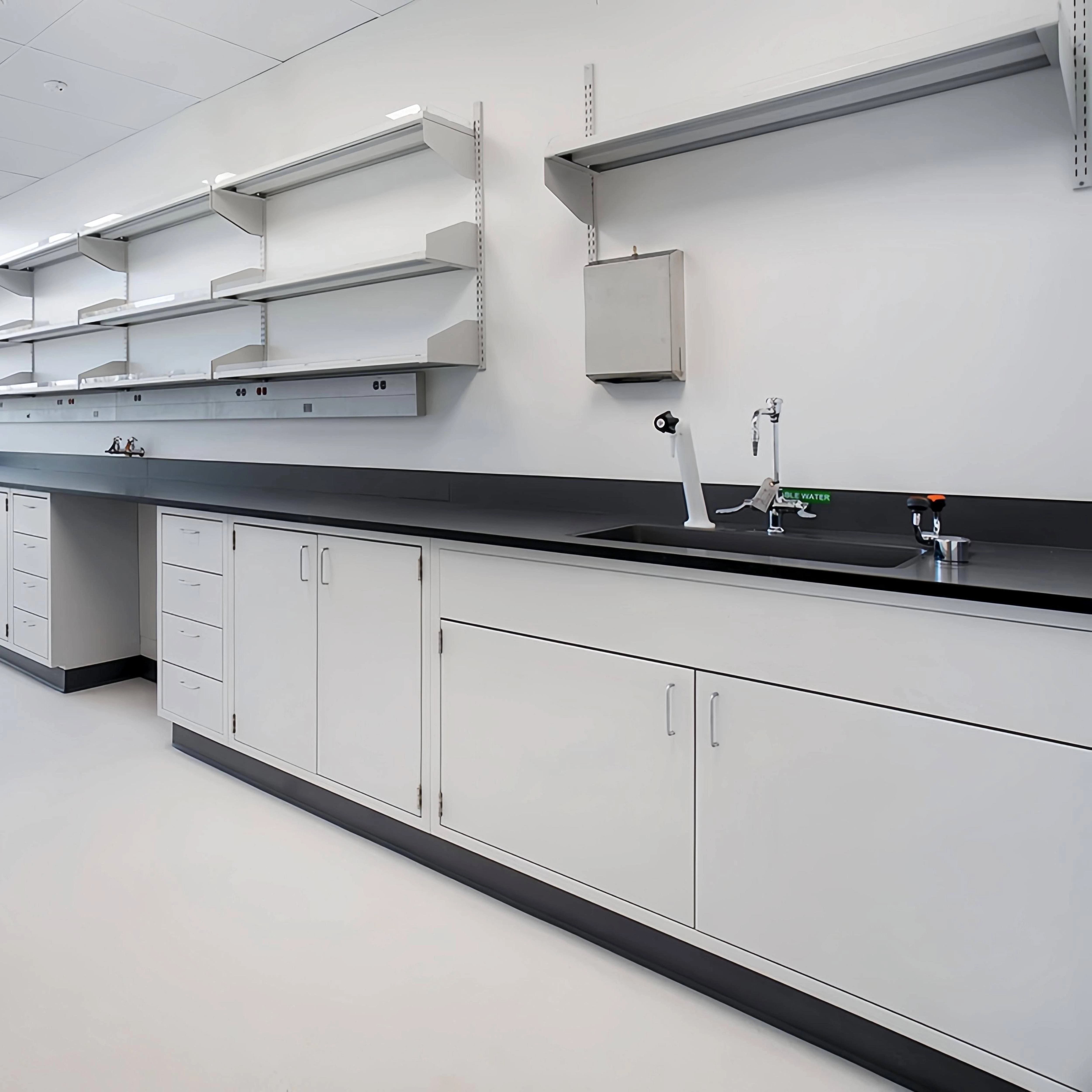
Why We Choose to Be Your Lab Furniture Solution Provider, Not Just a Manufacturer
Max Lab Introduction
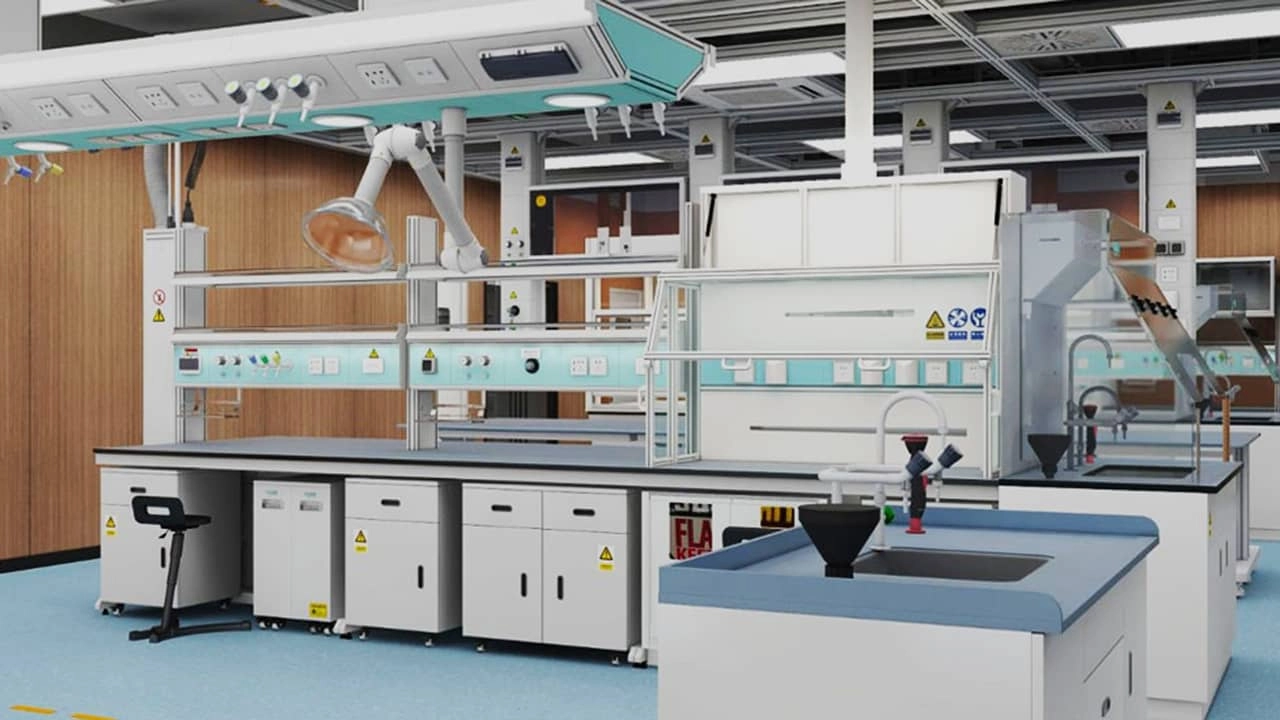
Electronics Lab Bench vs Chemistry Lab Bench: What You Need to Know
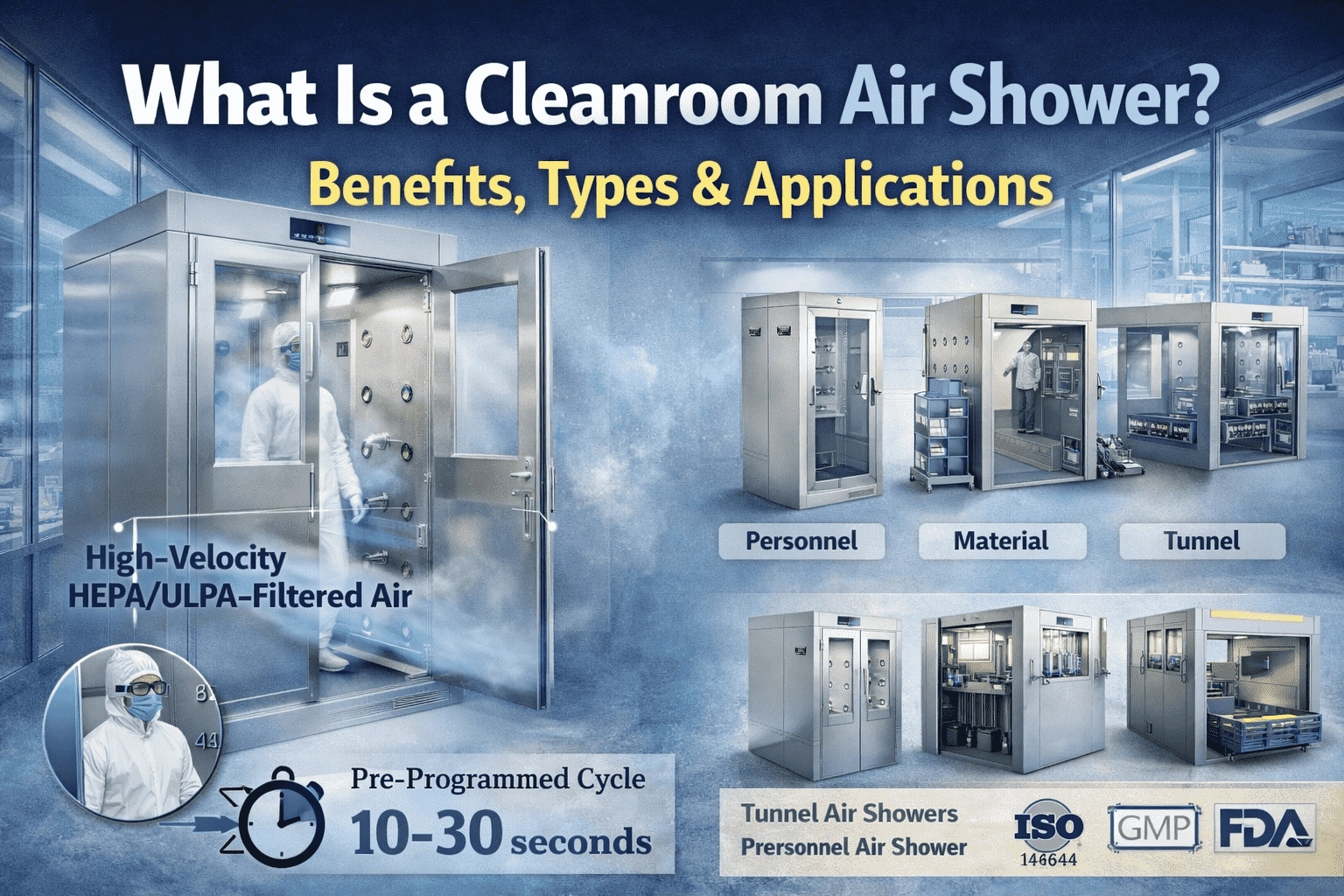
What Is an Air Shower for Cleanroom?
For After-Sales Support
What happens if my product is damaged during delivery?
If your product is damaged during shipping, please contact our customer service team immediately. We will arrange for a replacement or repair at no additional cost.
For Products
Is available to buy your original design?
Yes, all the products are designed professionally by our designers. Please feel free to inform us which item you are interested in.
What products does MAX LAB offer?
We specialize in laboratory furniture and equipment, including lab benches, fume hoods, storage cabinets, lab accessories, and custom lab solutions.
About Solution
How about your after sale service?
We will reply to you within 24 hours by email or phone.
If we have a local agent, we will arrange for him to be at your site within 24 hours to assist you in shooting the problem.
Customization
Can equipment be customized to specific experimental safety standards?
Yes. We offer customized equipment to specific safety standards, such as ANSI/ASHRAE standards, UL certification and ISO safety standards.

Get in touch with us
If you have any comments or good suggestions, please leave us a message; later our professional staff will contact you as soon as possible.

 Scan QR Code
MaxLabFurniture
MaxLab Furniture
daihongada
Max Laboratory