
Resource
- Laboratory Tables for High-Moisture Environments: Essential Considerations
- 1. What materials are best suited for laboratory tables in high-moisture environments?
- 2. How can laboratory table designs minimize moisture-related issues?
- 3. What are the benefits of using stainless steel laboratory tables in wet labs?
- 4. How do phenolic resin laboratory tables perform in wet labs?
- 5. What maintenance practices are recommended for laboratory tables in high-moisture environments?
- 6. How does the choice of laboratory table material impact the overall laboratory environment?
- 7. What are the latest trends in laboratory furniture for high-moisture environments?
- 8. How can laboratory furniture manufacturers ensure compliance with industry standards for high-moisture environments?
What lab table options suit high-moisture environments?
When designing a laboratory in a high-moisture environment, selecting the right laboratory tables is essential to ensure durability, safety, and functionality. Below are some frequently asked questions to guide your decision-making process.
Laboratory Tables for High-Moisture Environments: Essential Considerations
1. What materials are best suited for laboratory tables in high-moisture environments?
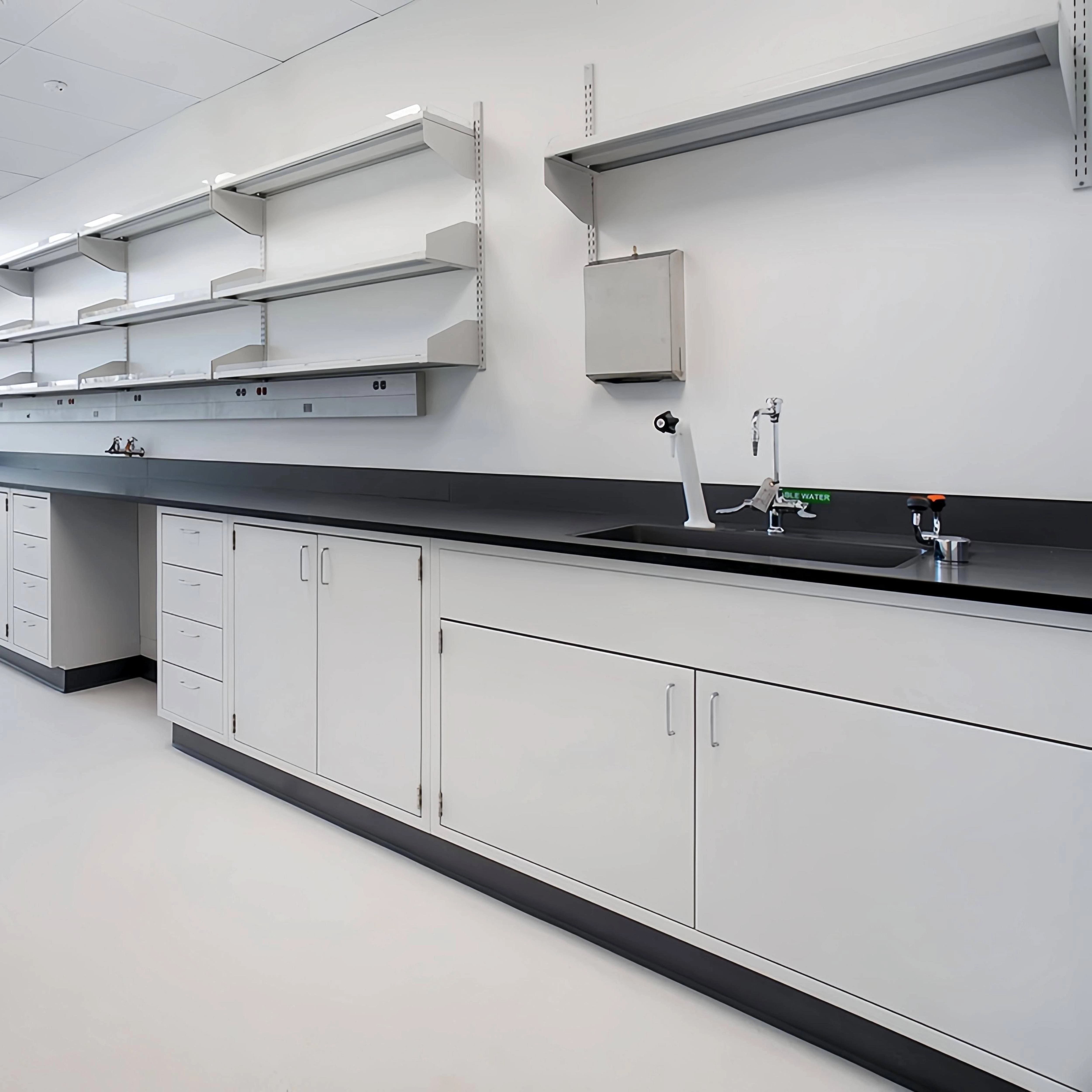
In high-moisture settings, it's crucial to choose materials that resist water absorption and microbial growth. Recommended materials include:
Epoxy Resin: Offers excellent chemical resistance and a non-porous surface, preventing moisture ingress.
Phenolic Resin: Known for its durability and resistance to moisture, making it ideal for wet labs.
Stainless Steel: Provides a robust, non-porous surface that withstands high humidity and is easy to clean.
These materials help maintain a hygienic and safe laboratory environment.
2. How can laboratory table designs minimize moisture-related issues?
Effective design strategies include:
Seam Design: Utilize coved joints and continuous tops in wet areas to minimize seepage and microbial harborage.
Edge Protection: Implement welded or wrapped edges in HPL/phenolic installations to prevent moisture ingress.
Support and Substrate: Ensure heavy stone or quartz countertops are supported by reinforced cabinetry and floors to prevent delamination due to mismatched expansion coefficients. ((https://www.maxlabfurniture.com/choosing-materials-durable-lab-furniture/))
3. What are the benefits of using stainless steel laboratory tables in wet labs?
Stainless steel tables offer:
Durability: Resistant to corrosion and staining, ensuring a long lifespan.
Non-Porous Surface: Prevents moisture absorption and microbial growth, maintaining hygiene.
Easy Maintenance: Simplifies cleaning processes, essential in high-moisture environments.
4. How do phenolic resin laboratory tables perform in wet labs?
Phenolic resin tables are:
Chemical Resistant: Withstand exposure to various chemicals without degrading.
Moisture Resistant: Prevent water absorption, reducing the risk of bacterial growth.
Durable: Maintain structural integrity over time, even in demanding conditions.
5. What maintenance practices are recommended for laboratory tables in high-moisture environments?
Regular maintenance practices include:
Routine Cleaning: Use appropriate cleaning agents to remove contaminants without damaging surfaces.
Inspection: Regularly check for signs of wear, delamination, or microbial growth.
Sealing: Ensure all seams and joints are properly sealed to prevent moisture ingress. ((https://www.maxlabfurniture.com/choosing-materials-durable-lab-furniture/))
6. How does the choice of laboratory table material impact the overall laboratory environment?
Selecting the right material influences:
Hygiene: Non-porous materials reduce the risk of contamination.
Durability: High-quality materials extend the lifespan of laboratory furniture.
Safety: Proper materials and designs minimize hazards associated with moisture-related issues. ((https://www.maxlabfurniture.com/choosing-materials-durable-lab-furniture/))
7. What are the latest trends in laboratory furniture for high-moisture environments?
Current trends include:
Sustainability: Use of recycled materials and low-VOC finishes.
Ergonomics: Designs that promote user comfort and efficiency.
Smart Features: Integration of IoT sensors for environmental monitoring.
8. How can laboratory furniture manufacturers ensure compliance with industry standards for high-moisture environments?
Manufacturers can:
Provide Documentation: Offer Material Safety Data Sheets (MSDS) and technical data sheets.
Conduct Testing: Perform chemical resistance tests under specified conditions.
Obtain Certifications: Ensure products meet relevant standards like ISO or EN. ((https://www.maxlabfurniture.com/choosing-materials-durable-lab-furniture/))
In conclusion, selecting the appropriate laboratory tables for high-moisture environments is vital for maintaining a safe, durable, and efficient workspace. Materials like epoxy resin, phenolic resin, and stainless steel are recommended due to their resistance to moisture and chemicals. Implementing thoughtful design and maintenance practices further enhances the longevity and functionality of laboratory furniture.
MAXLAB offers a range of laboratory furniture solutions tailored for high-moisture environments, ensuring durability, safety, and compliance with industry standards.
References:
Why We Choose to Be Your Lab Furniture Solution Provider, Not Just a Manufacturer
Max Lab Introduction
Electronics Lab Bench vs Chemistry Lab Bench: What You Need to Know
What Is a Pass Box? Types, Features, and How to Choose the Right Transfer Hatch
About Solution
What is the warranty policy of the product?
We provide 1-3 years warranty service, depending on the product type. Meanwhile, comprehensive after-sales support is provided, including repair and replacement services.
For After-Sales Support
Why choose your company?
We have been engaged in the manufacturing of various packing machines professionally over 15 years, and we can provide better after-sales service.
Do you offer training for using your products?
Yes, we offer training for your staff on how to properly use and maintain the laboratory equipment we provide. Contact us to schedule a training session.
For Customization
Do you offer custom branding for laboratory furniture?
Yes, we can incorporate custom logos, colors, and branding into your lab furniture to make it unique to your organization.
Customization
How do I start a customized service?
Please contact our sales or technical support team for an initial enquiry. We will provide detailed customized recommendations and quotes according to your needs.

Get in touch with us
If you have any comments or good suggestions, please leave us a message; later our professional staff will contact you as soon as possible.

 Scan QR Code
MaxLabFurniture
MaxLab Furniture
daihongada
Max Laboratory