
Resource
- Understanding Laboratory Tables and Chemical-Resistant Surfaces
- 1. What are the key features to consider when selecting a laboratory table?
- 2. Why are chemical-resistant surfaces important in laboratory settings?
- 3. What materials are commonly used for chemical-resistant laboratory surfaces?
- 4. How do chemical-resistant coatings enhance the performance of laboratory furniture?
- 5. What are the cost implications of investing in chemical-resistant laboratory furniture?
- 6. How can I ensure the chemical-resistant properties of laboratory furniture?
- 7. Are there any environmental considerations when selecting chemical-resistant laboratory furniture?
- 8. How does MAXLAB's laboratory furniture stand out in terms of chemical resistance?
What are the advantages of chemical-resistant surfaces?
Understanding Laboratory Tables and Chemical-Resistant Surfaces
Laboratory environments demand furniture that ensures safety, durability, and functionality. A critical component is the laboratory table, which serves as the primary workspace for various experiments and tasks. Equally important are chemical-resistant surfaces, which protect against corrosive substances commonly used in labs. This guide addresses common questions to assist in making informed decisions when procuring lab furniture.
1. What are the key features to consider when selecting a laboratory table?
When choosing a laboratory table, consider the following features:
Material Composition: Opt for materials like epoxy resin, known for their durability and chemical resistance. Epoxy resin surfaces can withstand exposure to corrosive chemicals and are resistant to heat, moisture, and impact damage.
Size and Configuration: Ensure the table provides adequate workspace and can be configured to fit the lab's layout.
Weight Capacity: Verify that the table can support the equipment and materials intended for use.
Ergonomics: Choose tables with adjustable heights and comfortable designs to promote user well-being.
Compliance: Confirm that the table meets industry standards and regulations for laboratory furniture.
2. Why are chemical-resistant surfaces important in laboratory settings?
Chemical-resistant surfaces are vital in laboratories for several reasons:
Protection Against Corrosion: They shield underlying materials from damage caused by spills or exposure to corrosive substances.
Enhanced Durability: These surfaces extend the lifespan of laboratory furniture by preventing degradation.
Safety: They reduce the risk of accidents by containing spills and preventing chemical reactions that could harm personnel.
Cost Efficiency: Investing in chemical-resistant surfaces can lead to long-term savings by reducing maintenance and replacement costs.
3. What materials are commonly used for chemical-resistant laboratory surfaces?
Common materials include:
Epoxy Resin: Offers excellent chemical resistance and durability.
Phenolic Resin: Provides high chemical resistance and can withstand continuous heat exposure up to 350°F.
Chemical-Resistant Laminate: Ideal for highly corrosive chemicals, withstanding heat up to 275°F.
Stainless Steel: Known for its durability and hygienic properties, though with moderate chemical resistance.
4. How do chemical-resistant coatings enhance the performance of laboratory furniture?
Chemical-resistant coatings provide:
Barrier Protection: They act as a shield against corrosive substances, preventing damage to underlying materials.
Extended Service Life: By protecting against wear and tear, these coatings prolong the usability of laboratory furniture.
Maintenance Ease: Surfaces with chemical-resistant coatings are easier to clean, reducing labor and time spent on upkeep.
5. What are the cost implications of investing in chemical-resistant laboratory furniture?
While the initial investment in chemical-resistant laboratory furniture may be higher, the long-term benefits include:
Reduced Maintenance Costs: Less frequent repairs and replacements due to enhanced durability.
Operational Efficiency: Minimized downtime and disruptions, leading to increased productivity.
Compliance and Safety: Meeting industry standards and ensuring a safe working environment, potentially avoiding costly legal issues.
6. How can I ensure the chemical-resistant properties of laboratory furniture?
To verify chemical resistance:
Manufacturer Specifications: Review detailed product information and certifications provided by the manufacturer.
Third-Party Testing: Seek evidence of independent testing that confirms the material's chemical resistance.
Warranty and Support: Choose products that offer warranties covering chemical damage and have responsive customer support.
7. Are there any environmental considerations when selecting chemical-resistant laboratory furniture?
Yes, consider the following:
Sustainability: Opt for materials that are recyclable or made from sustainable sources.
Chemical Composition: Ensure that the coatings and materials used do not release harmful substances into the environment.
End-of-Life Disposal: Plan for the responsible disposal or recycling of laboratory furniture at the end of its service life.
8. How does MAXLAB's laboratory furniture stand out in terms of chemical resistance?
MAXLAB offers laboratory furniture with:
High-Quality Materials: Utilizing premium materials known for their chemical resistance and durability.
Advanced Coatings: Applying state-of-the-art chemical-resistant coatings to enhance surface protection.
Customization Options: Providing tailored solutions to meet specific laboratory requirements.
Compliance: Ensuring all products meet industry standards and regulations for safety and performance.
In conclusion, selecting the right laboratory table with chemical-resistant surfaces is crucial for maintaining a safe, efficient, and cost-effective laboratory environment. By considering the factors outlined above and choosing reputable manufacturers like MAXLAB, you can ensure that your laboratory furniture meets the highest standards of quality and performance.
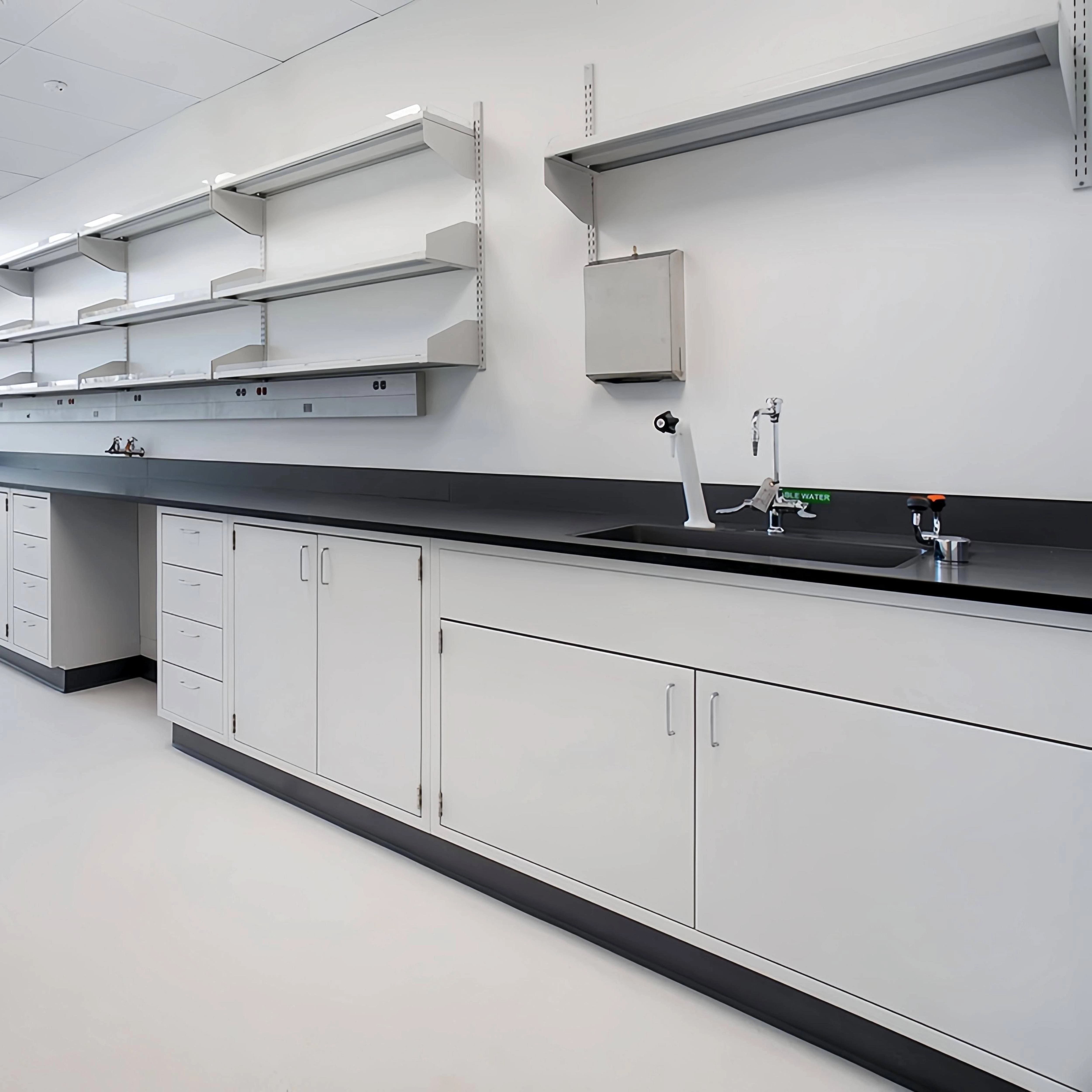
Why We Choose to Be Your Lab Furniture Solution Provider, Not Just a Manufacturer

Max Lab Introduction
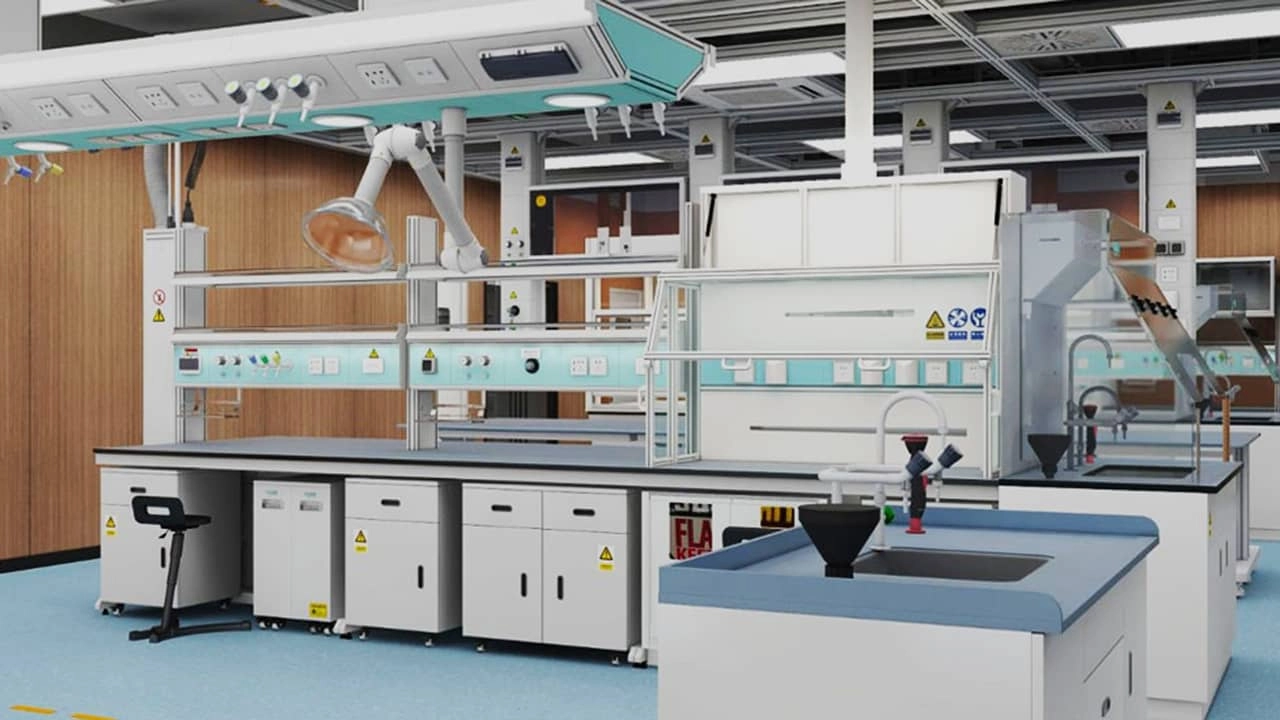
Electronics Lab Bench vs Chemistry Lab Bench: What You Need to Know
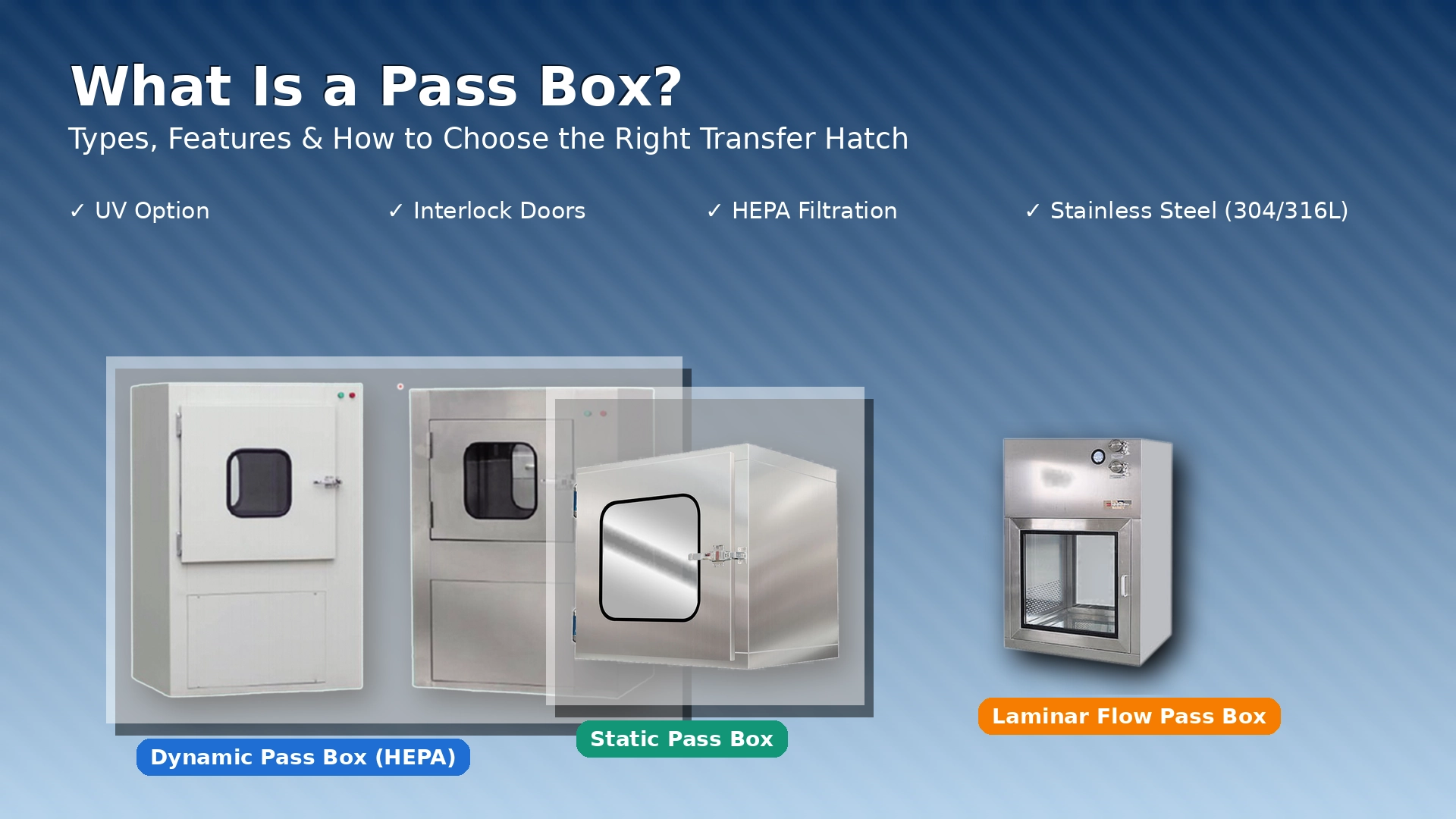
What Is a Pass Box? Types, Features, and How to Choose the Right Transfer Hatch
For Products
What materials do you use for your furniture?
We use a variety of durable materials such as stainless steel, steel wood, PP and wood composites. Our countertop materials are phenolic resin, epoxy resin, ceramic, trespa and granite, depending on your lab’s needs.
Is available to buy your original design?
Yes, all the products are designed professionally by our designers. Please feel free to inform us which item you are interested in.
For Company
What types of companies do you work with?
We have worked with a wide range of companies, from small startups to large, multinational corporations. Our expertise in the laboratory furniture industry enables us to meet the needs of various sectors, including healthcare, research, education, pharmaceuticals, and industrial labs.
For After-Sales Support
Why choose your company?
We have been engaged in the manufacturing of various packing machines professionally over 15 years, and we can provide better after-sales service.
For Customization
Can I customize the size and configuration of my lab furniture?
Yes, we offer full customization for laboratory benches, modular systems, and storage units to meet your specific space and functional needs.




Get in touch with us
If you have any comments or good suggestions, please leave us a message; later our professional staff will contact you as soon as possible.

 Scan QR Code
MaxLabFurniture
MaxLab Furniture
daihongada
Max Laboratory