
Resource
- Comprehensive Guide to Selecting Laboratory Fume Cupboards and Materials Resistant to Lab Cleaning Agents
- 1. What is a fume cupboard, and why is it essential in a laboratory?
- 2. What are the different types of fume cupboards available?
- 3. How do I select the appropriate fume cupboard for my laboratory?
- 4. What materials are commonly used in fume cupboards, and how do they affect performance?
- 5. How do I choose materials that resist lab cleaning agents for laboratory furniture?
- 6. What are the key considerations when purchasing laboratory furniture?
- 7. How can I ensure the safety and compliance of my laboratory furniture?
- 8. What are the advantages of choosing MAXLAB for laboratory furniture?
How to select materials that resist lab cleaning agents?
Comprehensive Guide to Selecting Laboratory Fume Cupboards and Materials Resistant to Lab Cleaning Agents
Laboratories require specialized equipment to ensure safety and efficiency. Among the most critical components are fume cupboards and the materials used in laboratory furniture. This guide addresses common questions to assist in making informed decisions when procuring lab furniture.
1. What is a fume cupboard, and why is it essential in a laboratory?
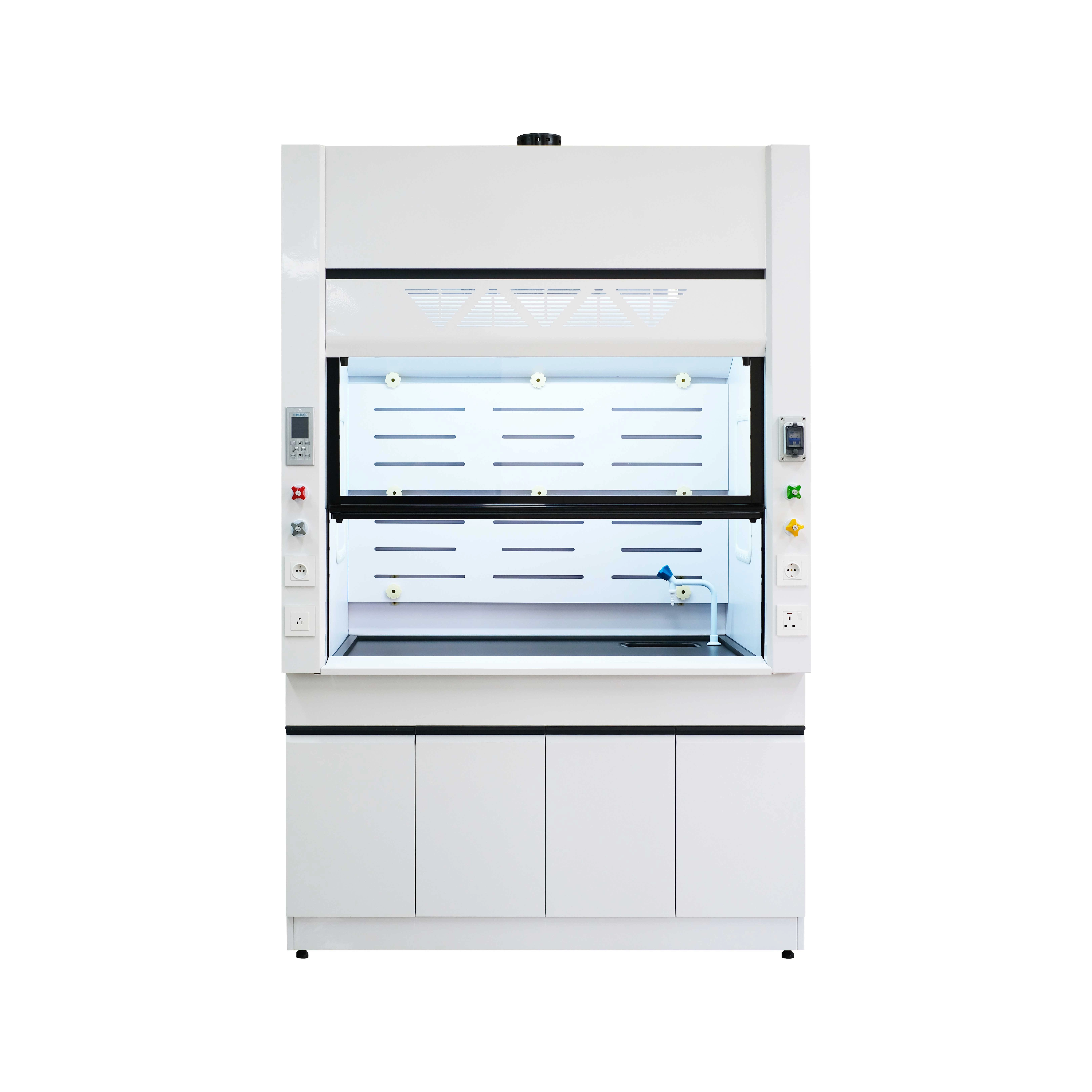
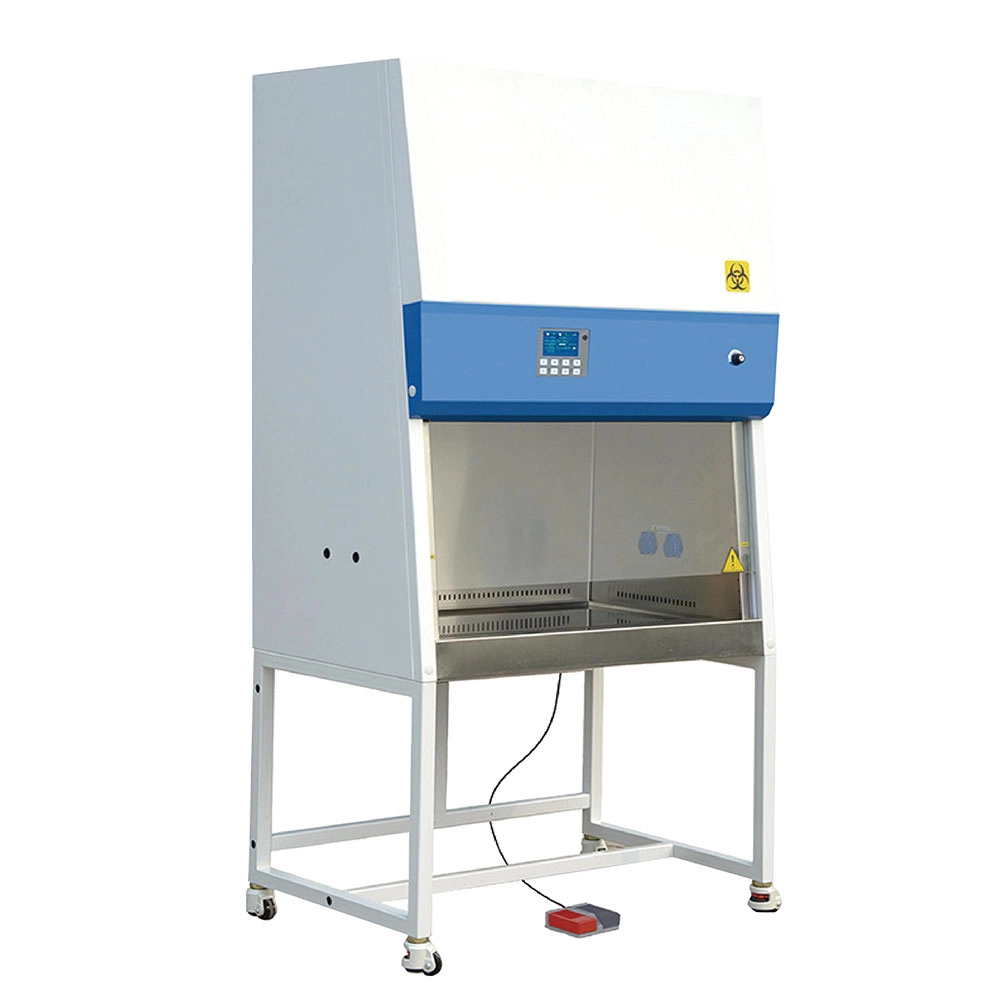
A fume cupboard, also known as a fume hood, is a ventilated enclosure designed to limit exposure to hazardous or toxic fumes, vapors, or dust. It operates by drawing air through the hood, capturing contaminants, and expelling them outside or filtering them before recirculation. This process protects laboratory personnel from inhaling harmful substances and maintains a safe working environment.
2. What are the different types of fume cupboards available?
Fume cupboards come in various designs to suit specific laboratory needs:
Ducted Fume Hoods: These units expel contaminated air outside the building, requiring a dedicated ventilation system. They are suitable for laboratories handling volatile chemicals.
Ductless Fume Hoods: Equipped with filters, these hoods recirculate air back into the laboratory after purification. They are ideal for environments where external ventilation is impractical.
Walk-In Fume Hoods: Designed for large-scale operations, these hoods allow personnel to work inside the enclosure, providing ample space for extensive experiments.
3. How do I select the appropriate fume cupboard for my laboratory?
When choosing a fume cupboard, consider the following factors:
Chemical Compatibility: Ensure the hood's materials are compatible with the chemicals used in your laboratory to prevent corrosion or degradation.
Airflow Requirements: Determine the necessary airflow to effectively capture and contain contaminants. This is influenced by the type of work and the volume of hazardous materials handled.
Size and Space Constraints: Assess the available space to select a hood that fits comfortably without obstructing other equipment or pathways.
Regulatory Compliance: Verify that the fume cupboard meets local safety standards and regulations to ensure legal compliance and safety.
4. What materials are commonly used in fume cupboards, and how do they affect performance?
Fume cupboards are constructed from various materials, each offering distinct advantages:
Polypropylene: Known for its chemical resistance, polypropylene is ideal for laboratories handling corrosive substances.
Stainless Steel: Offering durability and ease of cleaning, stainless steel is suitable for general laboratory use.
Epoxy Resin: This material provides a hard, chemical-resistant surface, making it suitable for laboratories dealing with aggressive chemicals.
Selecting the right material ensures the fume cupboard's longevity and effectiveness in protecting laboratory personnel.
5. How do I choose materials that resist lab cleaning agents for laboratory furniture?
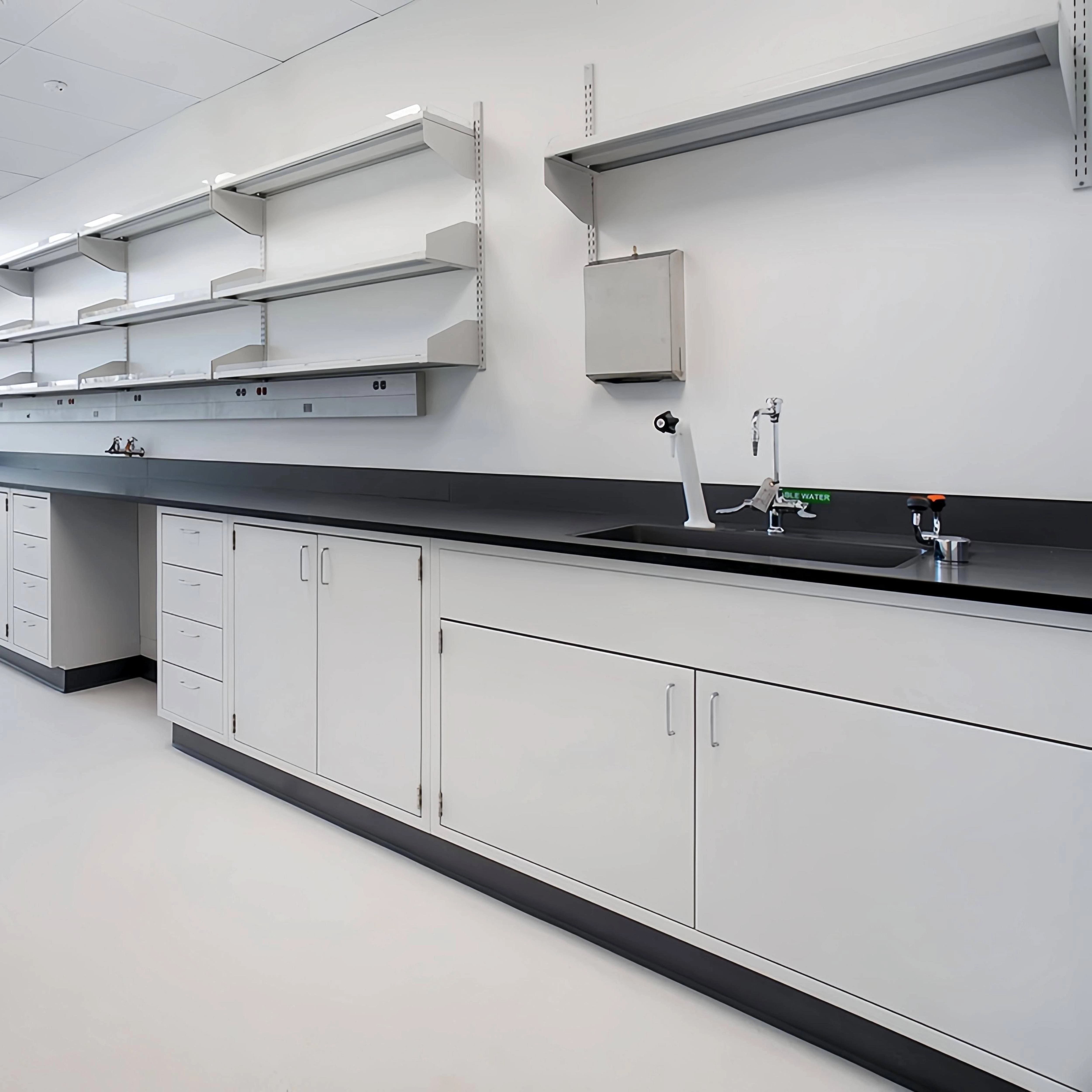
Laboratory furniture must withstand frequent cleaning with various agents without degrading. Consider the following materials:
Stainless Steel: Resistant to most cleaning agents and corrosive substances, making it a durable choice for laboratory furniture.
Epoxy-Coated Surfaces: These surfaces offer chemical resistance and are easy to clean, suitable for laboratory environments.
High-Density Polyethylene (HDPE): Known for its chemical resistance and ease of cleaning, HDPE is a practical option for laboratory furniture.
Selecting furniture made from these materials ensures longevity and maintains a hygienic laboratory environment.
6. What are the key considerations when purchasing laboratory furniture?
When procuring laboratory furniture, keep the following in mind:
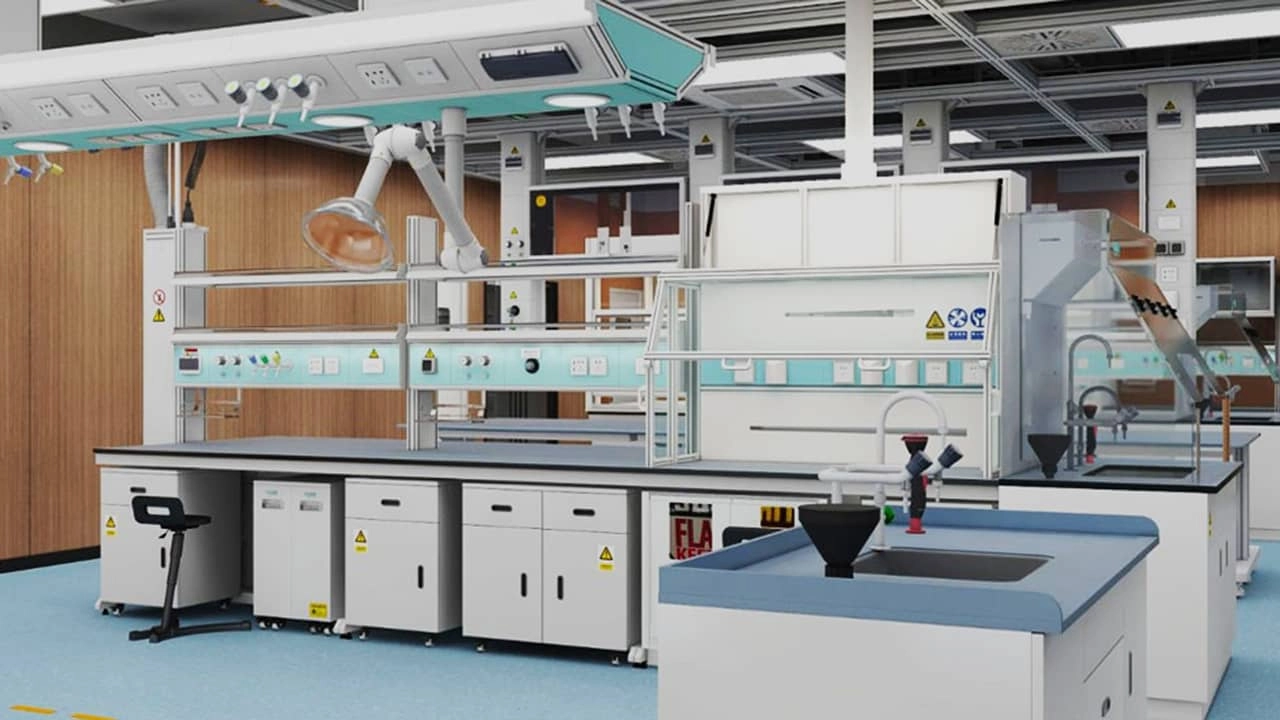
Functionality: Ensure the furniture meets the specific needs of your laboratory tasks, such as storage, workspace, or equipment support.
Durability: Choose materials that can withstand the laboratory's operational demands and cleaning protocols.
Ergonomics: Select designs that promote comfortable and efficient use, reducing the risk of strain or injury.
Compliance: Verify that the furniture adheres to relevant safety standards and regulations.
7. How can I ensure the safety and compliance of my laboratory furniture?
To maintain safety and compliance:
Regular Maintenance: Implement a routine inspection and maintenance schedule to identify and address potential issues promptly.
Staff Training: Educate laboratory personnel on the proper use and maintenance of furniture to prevent accidents and ensure longevity.
Documentation: Keep records of inspections, maintenance, and any incidents to monitor the furniture's condition and compliance over time.
8. What are the advantages of choosing MAXLAB for laboratory furniture?
MAXLAB offers a comprehensive range of laboratory furniture designed with safety, durability, and functionality in mind. Their products are constructed from high-quality materials resistant to common lab cleaning agents, ensuring longevity and ease of maintenance. Additionally, MAXLAB's furniture complies with international safety standards, providing peace of mind for laboratory operations.
In conclusion, selecting the appropriate fume cupboard and laboratory furniture is crucial for maintaining a safe and efficient laboratory environment. By considering factors such as material compatibility, durability, and compliance with safety standards, laboratories can ensure optimal performance and protection for their personnel.
For more information on MAXLAB's laboratory furniture solutions, visit their official website.
Why We Choose to Be Your Lab Furniture Solution Provider, Not Just a Manufacturer

Max Lab Introduction
Electronics Lab Bench vs Chemistry Lab Bench: What You Need to Know

What Is an Air Shower for Cleanroom?
For Customization
Can you create furniture for labs with special requirements?
Yes, we specialize in designing and manufacturing lab furniture for specialized environments, including clean rooms, bio labs, and industrial labs.
For Products
Do you offer ergonomic solutions for lab furniture?
Yes, our laboratory furniture includes ergonomic designs such as height-adjustable lab benches and chairs that reduce strain during long hours of work.
For Company
Do you offer our design service from scratch?
Yes, we provide full design support tailored to your lab’s specific needs, including layout planning and furniture customization.
Can I visit your factory or showroom?
Yes, we welcome visits to our showroom and production facility. Please contact us in advance to schedule an appointment.
About Solution
Do you provide installation service?
Yes, we provide professional installation service and make sure all the equipment are working properly, meanwhile, we provide usage training to help customers get started quickly.

Get in touch with us
If you have any comments or good suggestions, please leave us a message; later our professional staff will contact you as soon as possible.

 Scan QR Code
MaxLabFurniture
MaxLab Furniture
daihongada
Max Laboratory