
Resource
- Integrating Utilities into Laboratory Tables: Essential Considerations and Best Practices
- 1. What are the essential utilities to integrate into laboratory tables?
- 2. How do I assess the power requirements for laboratory equipment?
- 3. What considerations are there for integrating gas lines into laboratory tables?
- 4. How should water supply and drainage be managed in laboratory tables?
- 5. What are the best practices for integrating data connections into laboratory tables?
- 6. How do I address challenges in integrating utilities into existing laboratory infrastructure?
- 7. What are the benefits of integrating utilities into laboratory tables?
- 8. How do I select a laboratory furniture supplier for integrated utility solutions?
How to integrate utilities into a laboratory table?
Integrating Utilities into Laboratory Tables: Essential Considerations and Best Practices
Laboratories require specialized furniture that accommodates various utilities to ensure efficient and safe operations. Integrating utilities into laboratory tables involves careful planning and execution. Below are key considerations and best practices to guide the procurement process.
1. What are the essential utilities to integrate into laboratory tables?
Laboratory tables should be equipped with utilities such as electrical outlets, gas lines, water supply, and data connections. These integrations support equipment operation, safety protocols, and data management.
2. How do I assess the power requirements for laboratory equipment?
Evaluate each piece of equipment's voltage and amperage needs. Ensure that the laboratory table's electrical system can handle the cumulative load, including dedicated circuits for high-demand devices like autoclaves and freezers. Proper grounding and safety features, such as Ground Fault Circuit Interrupters (GFCIs), are essential, especially near water sources.
3. What considerations are there for integrating gas lines into laboratory tables?
When incorporating gas lines, prioritize safety by using appropriate materials and ensuring leak-proof connections. Adhere to local codes and standards for gas installations. Regular maintenance and inspections are crucial to prevent hazards.
4. How should water supply and drainage be managed in laboratory tables?
Integrate water supply and drainage systems that comply with laboratory standards. Use corrosion-resistant materials and ensure proper drainage to prevent contamination. Regular maintenance is necessary to avoid blockages and leaks.
5. What are the best practices for integrating data connections into laboratory tables?
Implement data connections that facilitate seamless communication between laboratory instruments and Laboratory Information Management Systems (LIMS). This integration enhances data accuracy and workflow efficiency. Ensure that the data infrastructure supports the laboratory's specific needs and complies with relevant standards.
6. How do I address challenges in integrating utilities into existing laboratory infrastructure?
Retrofitting utilities into older laboratory buildings can be challenging due to aging infrastructure. Conduct a thorough assessment to identify potential issues and plan for necessary upgrades. Collaborate with experienced professionals to ensure compliance with current standards and regulations.
7. What are the benefits of integrating utilities into laboratory tables?
Integrating utilities directly into laboratory tables offers several advantages:
Space Optimization: Reduces the need for external utility connections, freeing up valuable laboratory space.
Enhanced Safety: Minimizes the risk of accidents by centralizing utility connections and reducing clutter.
Improved Workflow Efficiency: Provides easy access to utilities, streamlining laboratory processes.
Compliance: Ensures that utility installations meet regulatory standards and guidelines.
8. How do I select a laboratory furniture supplier for integrated utility solutions?
When choosing a supplier, consider the following:
Experience and Expertise: Look for suppliers with a proven track record in designing and manufacturing laboratory furniture with integrated utilities.
Customization Options: Ensure the supplier can tailor solutions to meet your laboratory's specific requirements.
Quality and Compliance: Verify that the supplier's products meet industry standards and regulations.
Support and Maintenance: Choose a supplier that offers comprehensive support and maintenance services.
Conclusion
Integrating utilities into laboratory tables is a complex process that requires careful planning and execution. By considering the essential utilities, assessing equipment requirements, and adhering to best practices, laboratories can create efficient and safe environments. Collaborating with experienced suppliers, such as MAXLAB, can provide tailored solutions that meet specific needs, ensuring optimal laboratory performance.
About MAXLAB
MAXLAB specializes in providing high-quality laboratory furniture with integrated utility solutions. With a focus on customization, compliance, and customer support, MAXLAB ensures that laboratories are equipped with functional and safe furniture tailored to their specific requirements.
References
Laboratory Utility Requirements: Essential Lab Utilities Guide – Lab Equipment Direct.
Benefits and Best Practices for Integrating Laboratory Instruments with LIMS – Astrix.
Essential Services and Utilities Planning in Laboratory Setup: A Review – International Journal of Research and Innovation in Applied Science (IJRIAS).
Laboratory Integration Strategies – Titian Software.
How to Integrate Lab Instruments with a LIMS: Benefits, Best Practices, and Tools – QBench Cloud-Based LIMS.
Transforming Laboratory Operations and Integrations: How Perfect Laboratory Management System Enhances Connectivity, Workflow Efficiency, and Data Integrity – SaruTech.
Integration Strategies for Digitising your Lab – Titian Software.
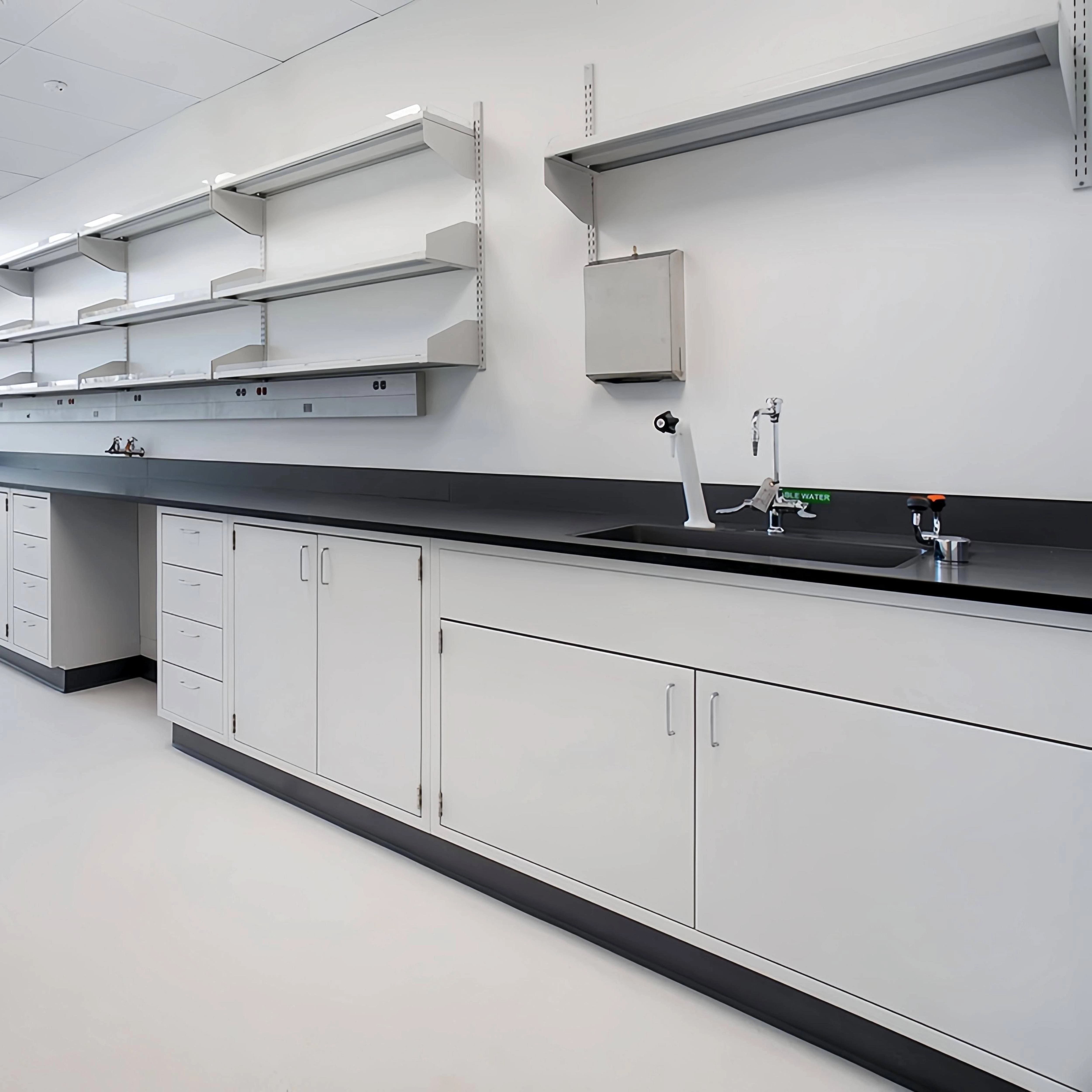
Why We Choose to Be Your Lab Furniture Solution Provider, Not Just a Manufacturer
Max Lab Introduction
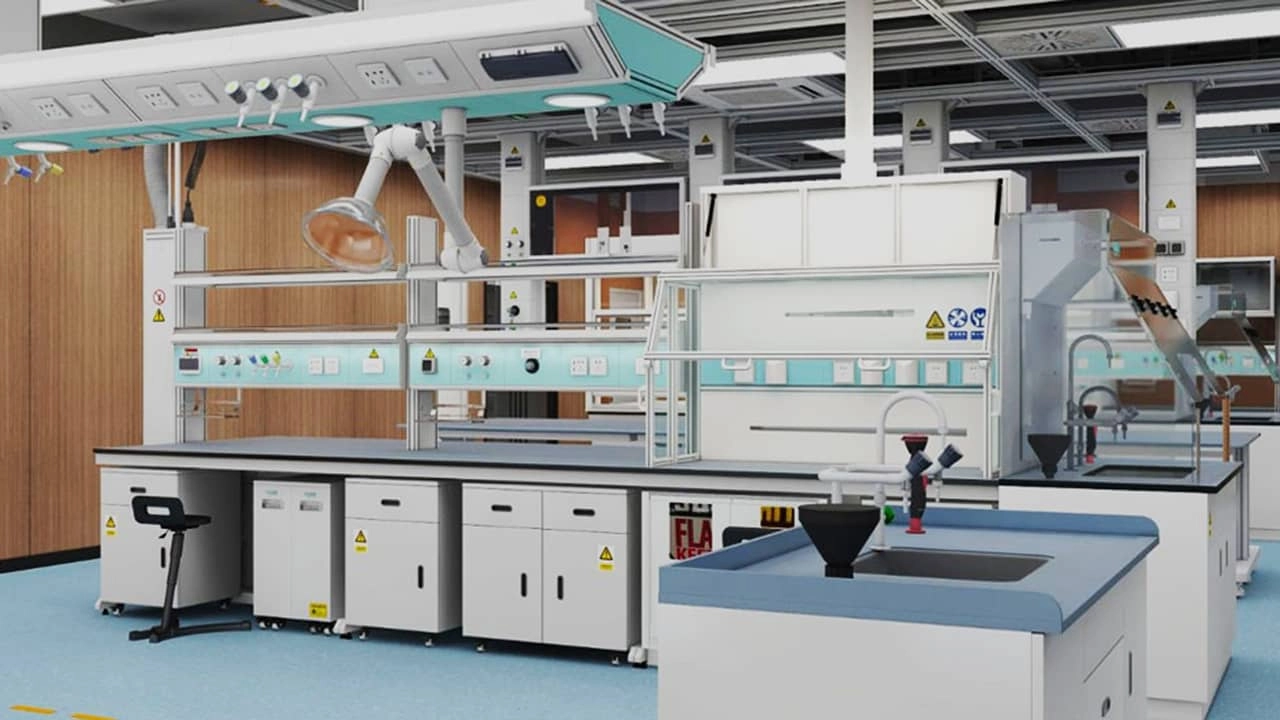
Electronics Lab Bench vs Chemistry Lab Bench: What You Need to Know
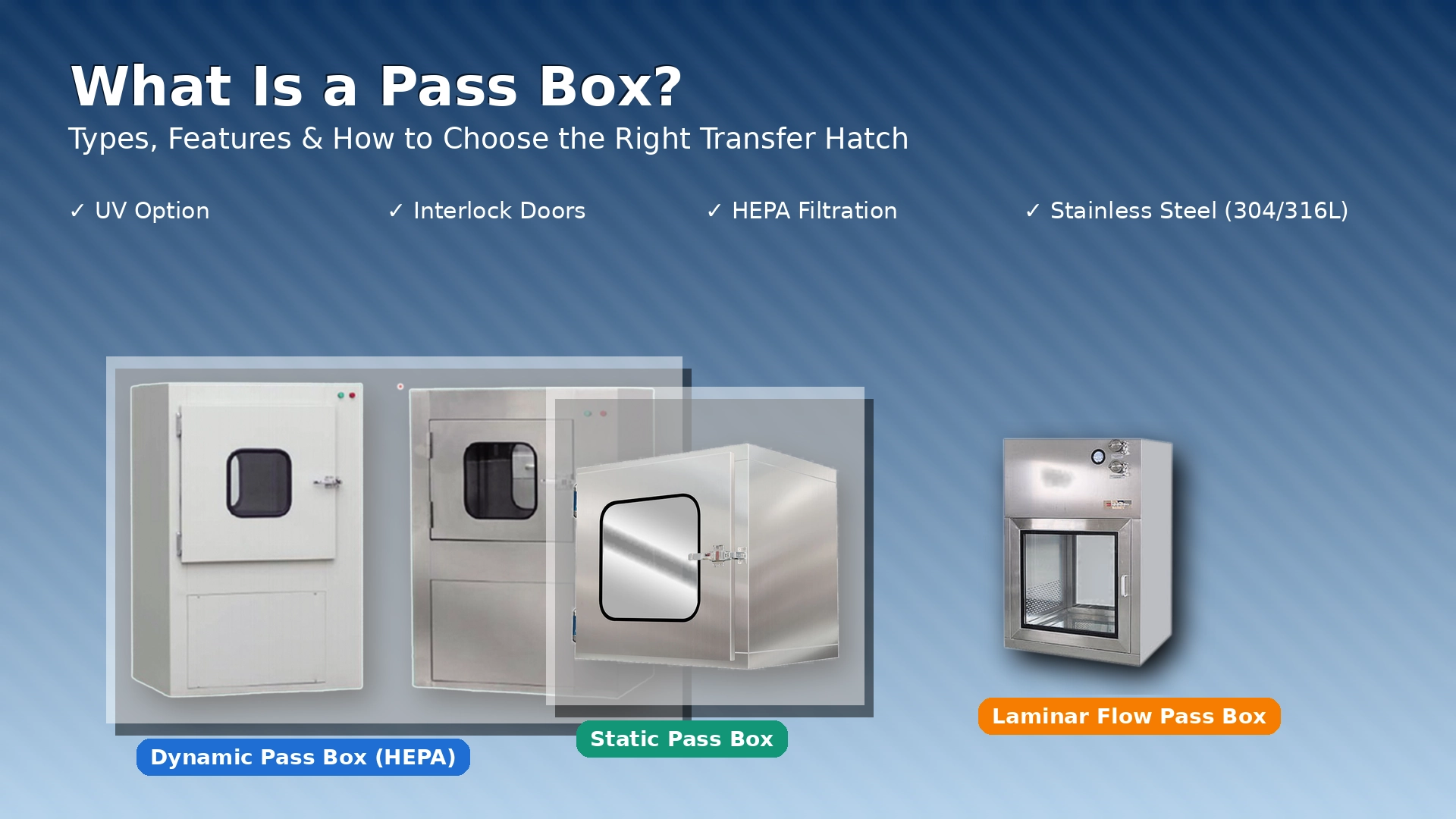
What Is a Pass Box? Types, Features, and How to Choose the Right Transfer Hatch
For Products
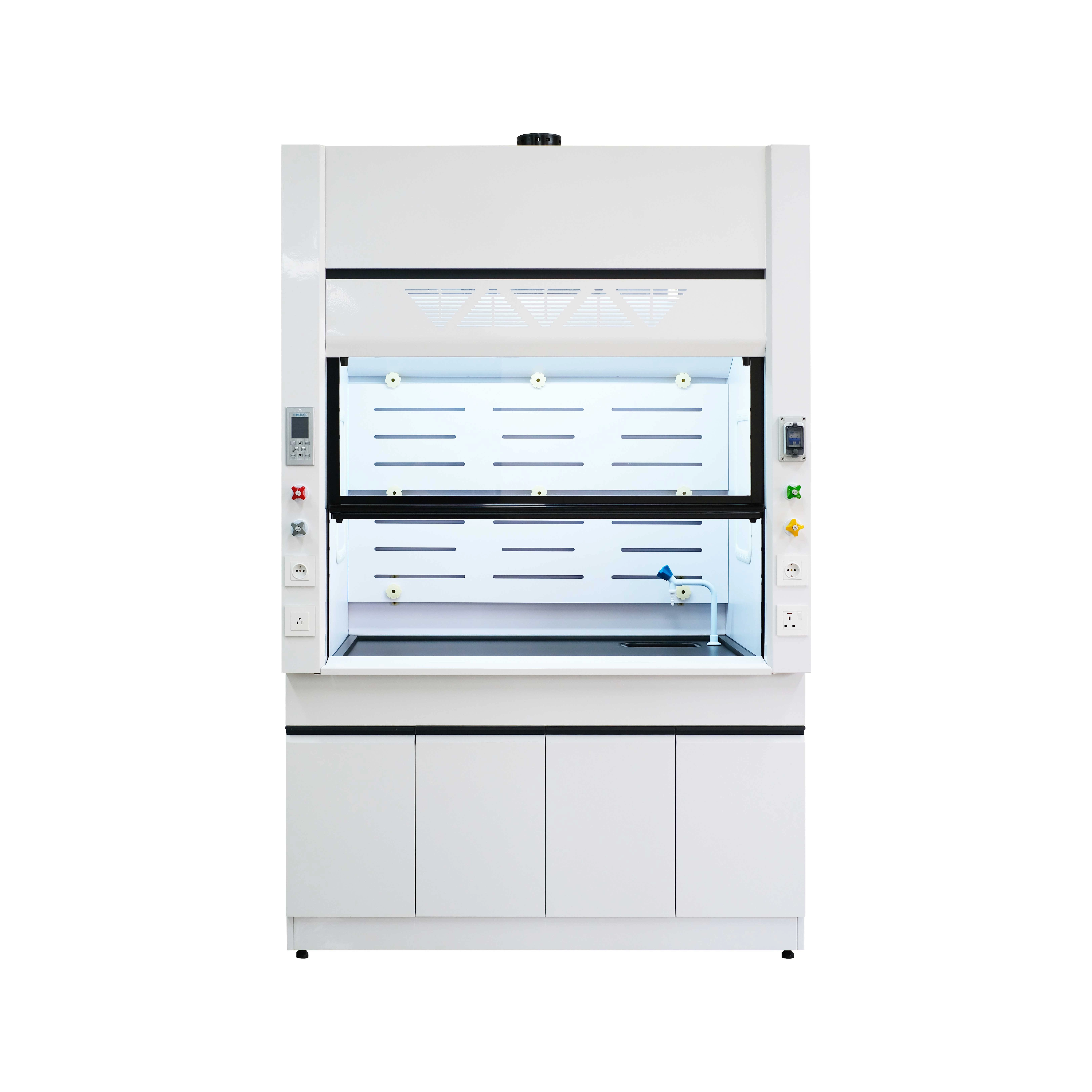
What kind of fume hoods do you offer?
We offer all steel fume hood, benchtop fume hood, multi-sided fume hood, walk-in fume hood, PP fume hood, ductless fume hood, stainless steel fume hood and perchloric acid fume hood to suit various laboratory needs and ensure safety.
FAQS
Where are your products manufactured?
All products are manufactured in our advanced facility—the largest laboratory furniture factory in Guangzhou—ensuring strict quality control.
Do you offer custom design services?
Yes, we provide full design support tailored to your lab’s specific needs, including layout planning and furniture customization.
For Customization
Can I make changes to my order once it has been placed?
We offer limited flexibility to make changes to your order after it has been placed. Contact our sales team as soon as possible if you need to make modifications.
Customization
How to calculate the cost of customized services?
Customization services incur additional costs depending on the complexity of the design, material selection and production requirements. We will clearly list all costs at the quote stage to ensure that the client understands all costs.

Get in touch with us
If you have any comments or good suggestions, please leave us a message; later our professional staff will contact you as soon as possible.

 Scan QR Code
MaxLabFurniture
MaxLab Furniture
daihongada
Max Laboratory