
Resource
How to Choose the Right Laboratory Furniture for Your Lab?
When designing or upgrading a laboratory, choosing the right laboratory furniture is critical to ensuring safety, efficiency, and long-term performance. This guide walks you through key factors such as laboratory purpose, ergonomics, materials, space optimization, safety compliance, and budget considerations to help you select the most suitable lab furniture for your needs. Whether you’re setting up a research, medical, or teaching laboratory, this article provides practical insights to create a functional and professional lab environment.
When designing or outfitting a laboratory, one of the most crucial decisions you'll make is choosing the right laboratory furniture and equipment. The right pieces not only improve the functionality of your space but also enhance safety, efficiency, and the overall working environment. But with so many options available, how do you know what works best for your specific needs?
In this article, we’ll guide you through the process of selecting the right laboratory furniture for your lab. Whether you're setting up a new laboratory or upgrading an existing one, these tips will help ensure your space is optimized for performance, safety, and long-term durability.
1. Understand Your Laboratory’s Purpose
The first step in selecting the right laboratory furniture is understanding the specific requirements of your laboratory. Laboratories can vary widely based on their purpose — from research and testing labs to medical and educational environments. Different types of labs have different needs for storage, seating, workspace, and safety features.
Research Labs typically require a variety of specialized furniture, such as adjustable workbenches, chemical-resistant surfaces, and ample storage for chemicals and equipment.
Medical Labs may prioritize ergonomic furniture, such as height-adjustable tables and anti-static workstations, alongside easy-to-clean, durable surfaces.
Teaching Labs in educational institutions often need flexible, modular furniture that can accommodate different setups for various experiments.
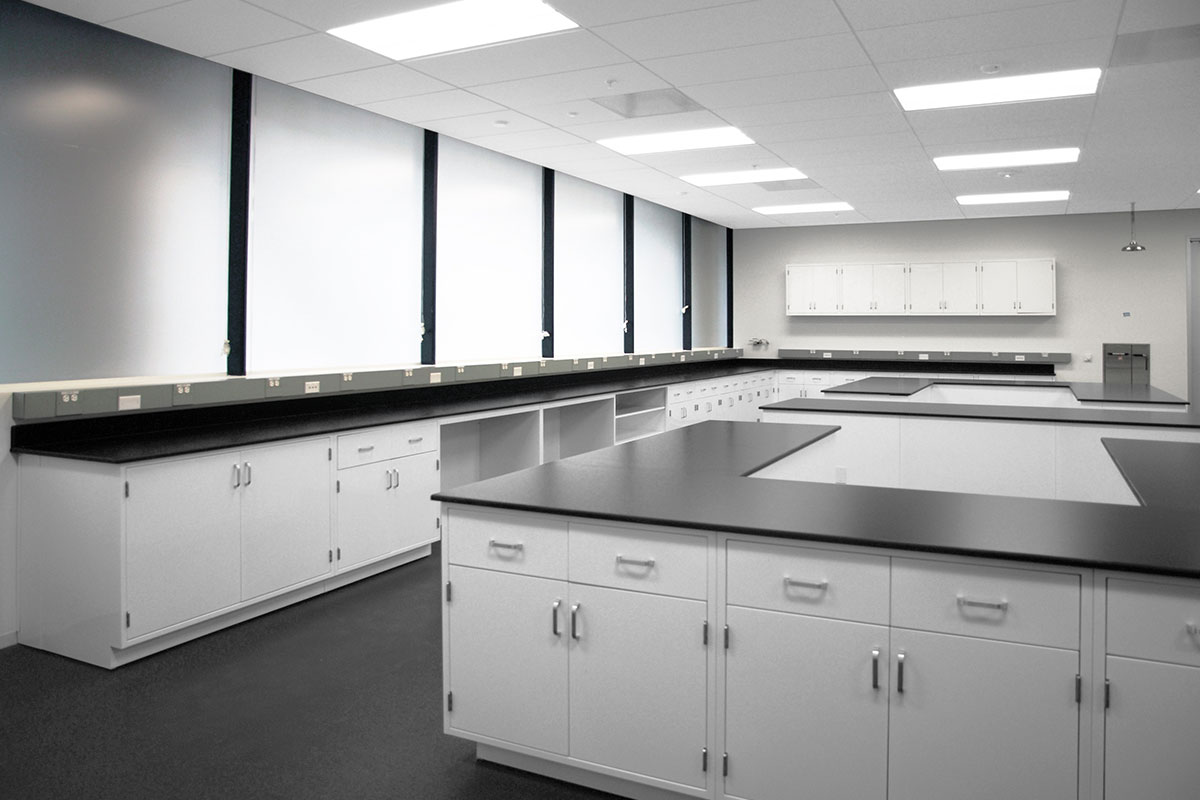
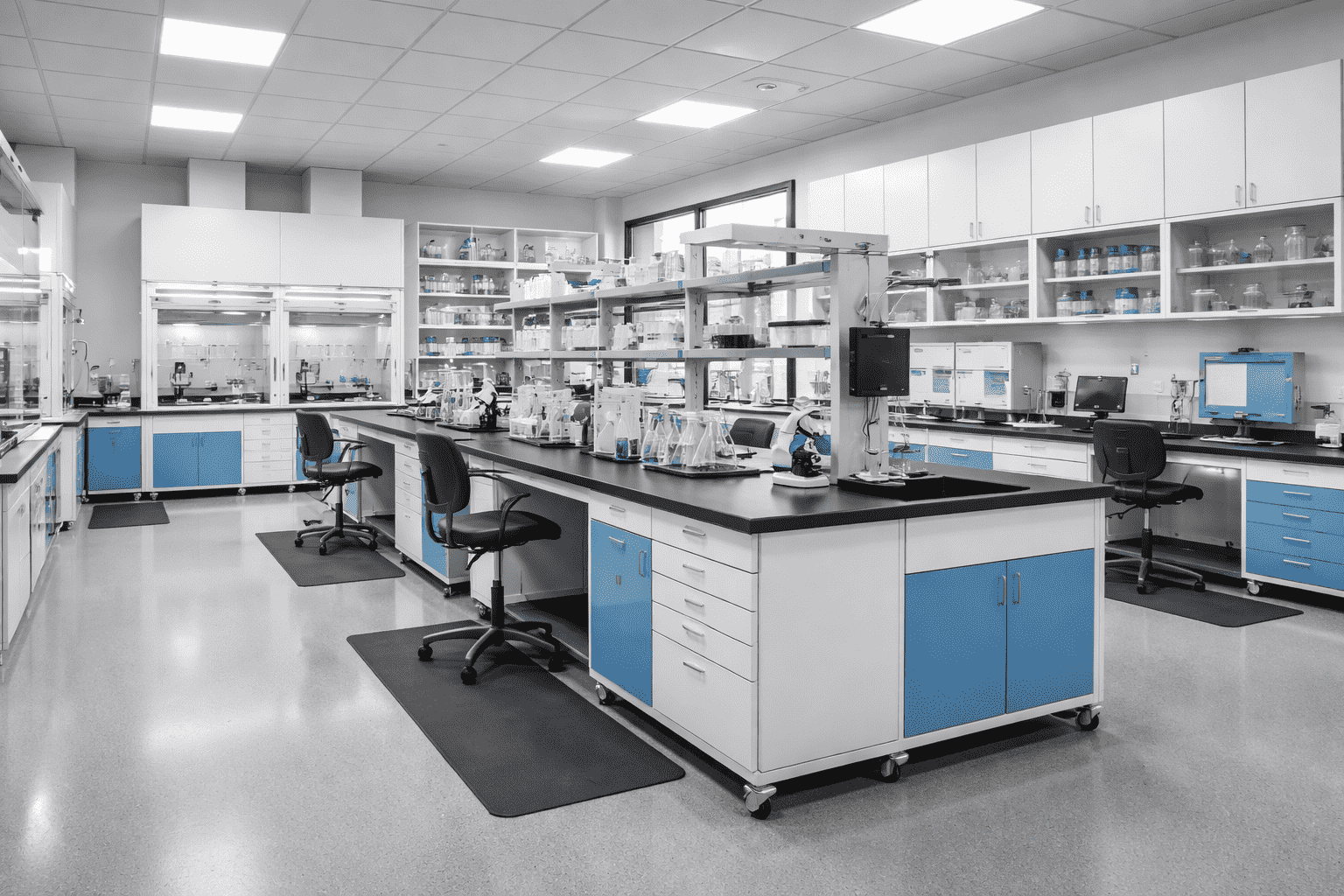
By identifying the specific needs of your lab, you’ll be able to choose furniture that enhances both workflow and safety.
2. Consider Ergonomics and Comfort
Comfort is not just about having a comfortable chair — it’s about ensuring that the furniture supports the physical well-being of your staff. Laboratory work often involves long hours spent standing, bending, or sitting. Furniture that promotes good posture and reduces physical strain is essential.
Ergonomic Chairs with adjustable heights and lumbar support are crucial for lab workers who spend extended periods at their desks.
Adjustable Workbenches allow for different working heights, reducing the risk of musculoskeletal strain for both sitting and standing workers.
Anti-fatigue Mats can be added to workstations where employees will be standing for long periods, helping to reduce stress on the legs and lower back.
Ergonomic furniture not only helps prevent injuries but also boosts productivity by improving comfort and reducing fatigue.
3. Material and Durability
Laboratories are unique environments where furniture must withstand a variety of conditions, such as exposure to chemicals, heat, moisture, and frequent cleaning. Choosing furniture made from the right materials is crucial for ensuring longevity and safety.
Chemical-Resistant Surfaces: For laboratories that handle chemicals, such as chemistry or biology labs, workbenches and countertops made from materials like epoxy resin, stainless steel, or phenolic are ideal. These materials can resist spills, stains, and damage from harsh chemicals.
Sturdy Steel Frames: Furniture with steel frames is both durable and capable of supporting heavy laboratory equipment.Easy-to-Clean Finishes: Labs require high hygiene standards, so selecting furniture with smooth, non-porous surfaces that are easy to disinfect is key.
Countertops:



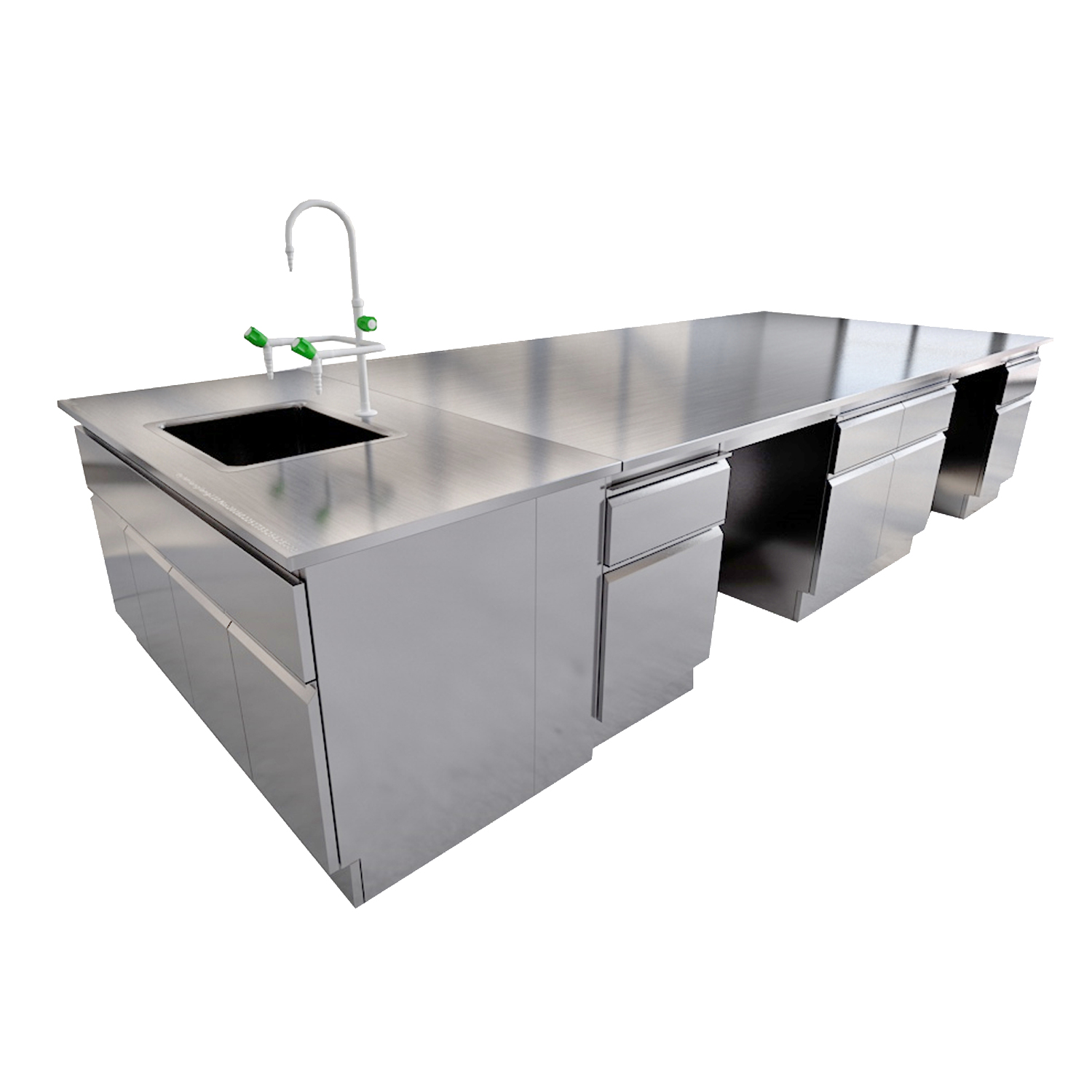
Ensure the materials you select are compatible with the specific types of experiments or work your lab will be performing to maintain safety and longevity.
4. Space Optimization and Layout
Laboratory spaces often need to maximize both functionality and space efficiency. Modular, flexible furniture can help you optimize your available space, creating an environment that encourages organization and productivity.
Modular Workstations: These versatile pieces allow you to easily adjust the layout of the lab to suit different projects or workflows. Modular furniture is often customizable, so you can adapt it to the lab's changing needs.
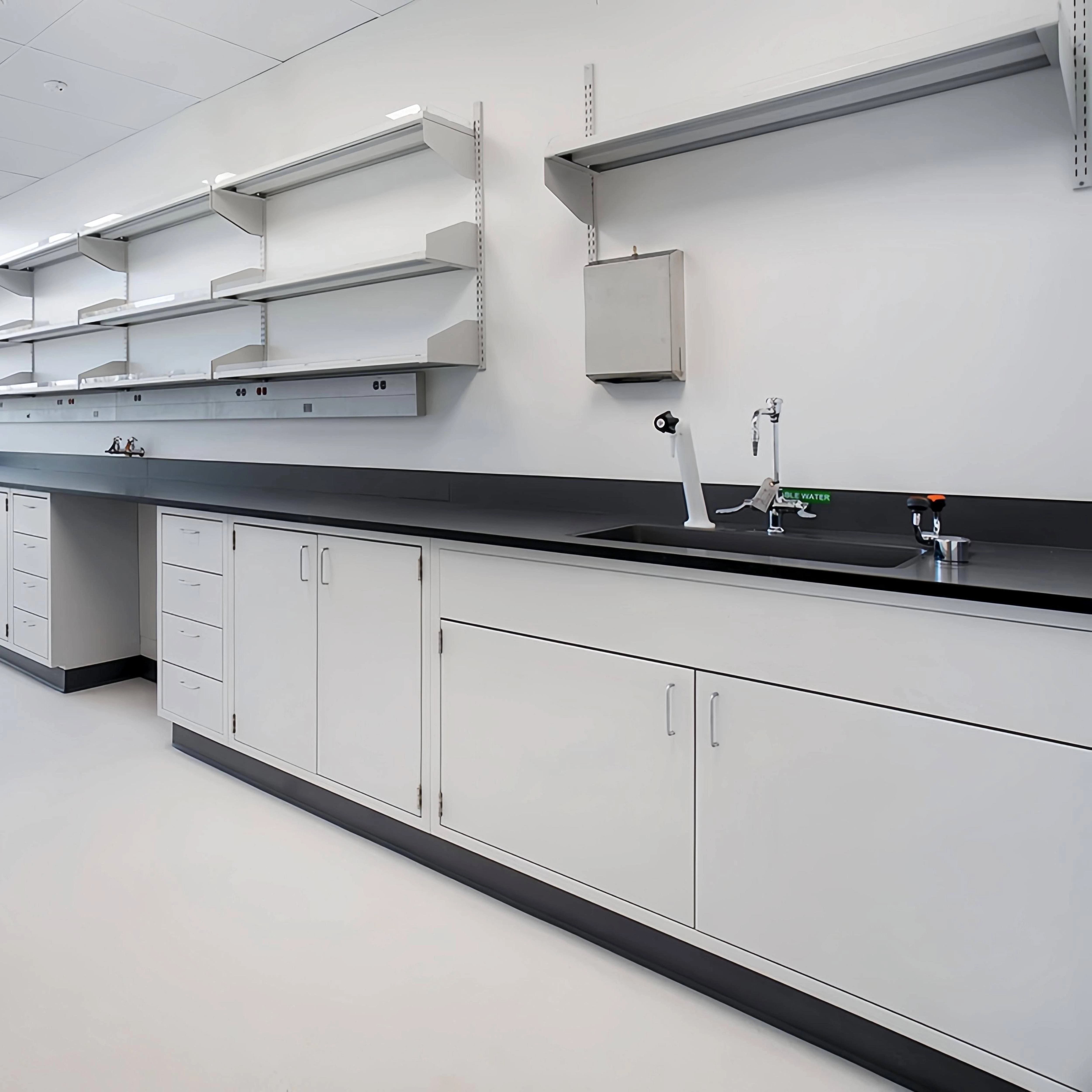
Wall-Mounted Storage: To free up valuable floor space, wall-mounted cabinets and shelving units are a great choice for storing tools, chemicals, and supplies.
Mobile Furniture: Rolling carts, mobile storage units, and adjustable tables provide flexibility in a fast-paced lab environment. These pieces allow easy reconfiguration of the workspace as needed.
A well-designed layout with optimized furniture can streamline workflows, improve safety, and make the best use of the space available.
5. Compliance and Safety Features
Laboratories are subject to strict safety regulations, and your furniture should meet the necessary compliance standards to ensure a safe working environment. When selecting lab furniture, consider features that contribute to safety:
Fire-Resistant Furniture: For labs dealing with flammable materials, fire-resistant cabinets and workbenches are essential.
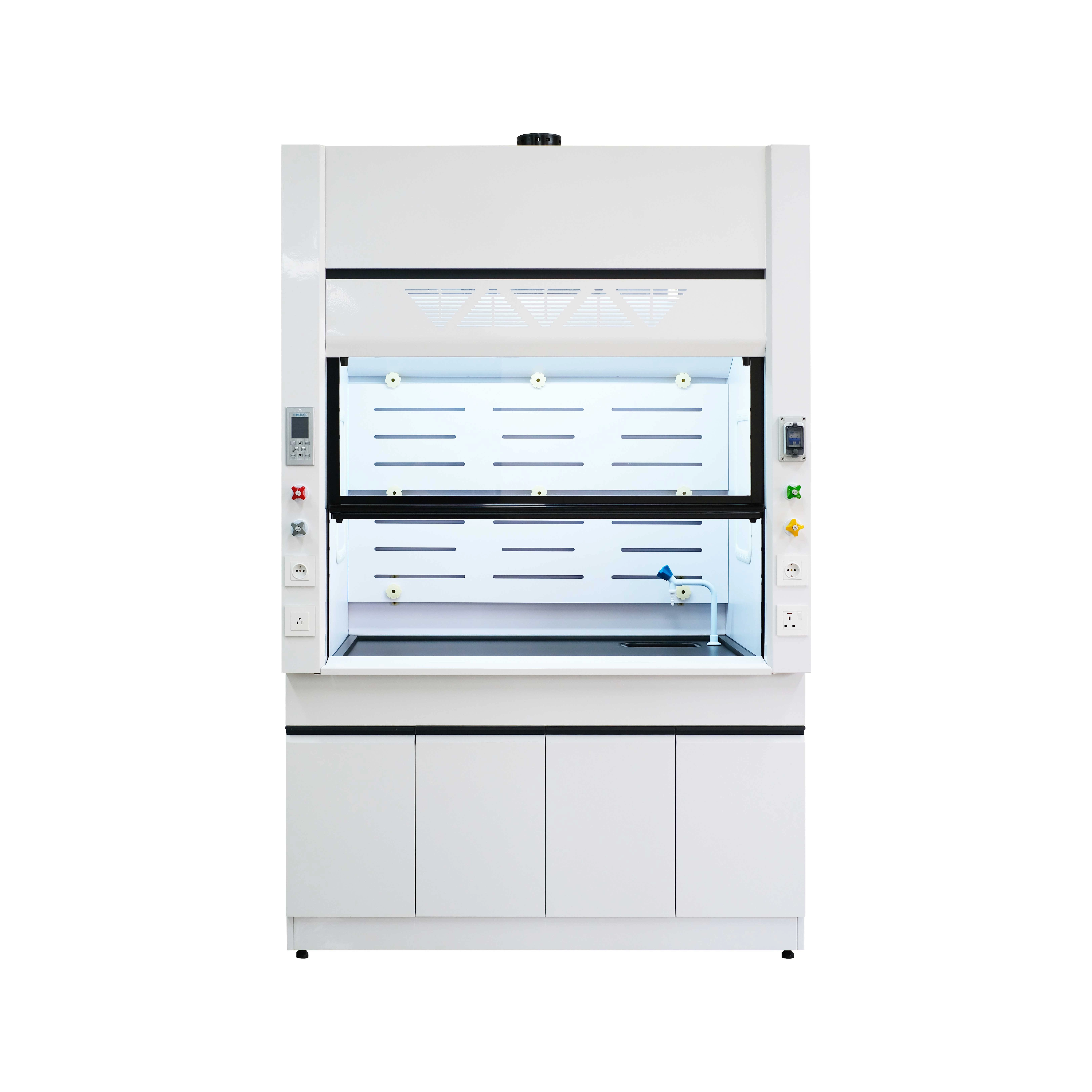
Fume Hoods: If your lab involves the use of volatile chemicals or substances that produce hazardous fumes, incorporating fume hoods is a must. These help ventilate harmful gases and protect lab workers from exposure.
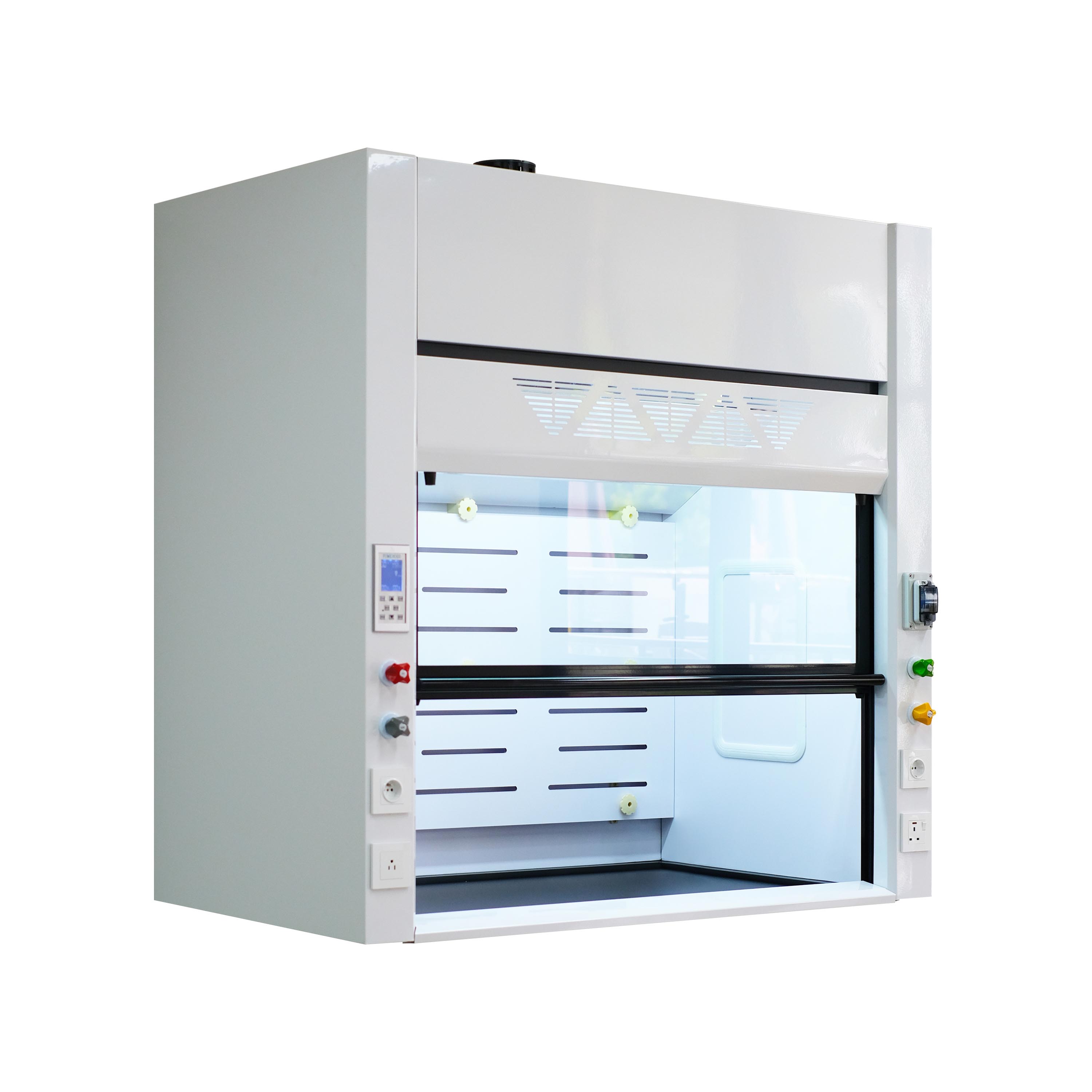
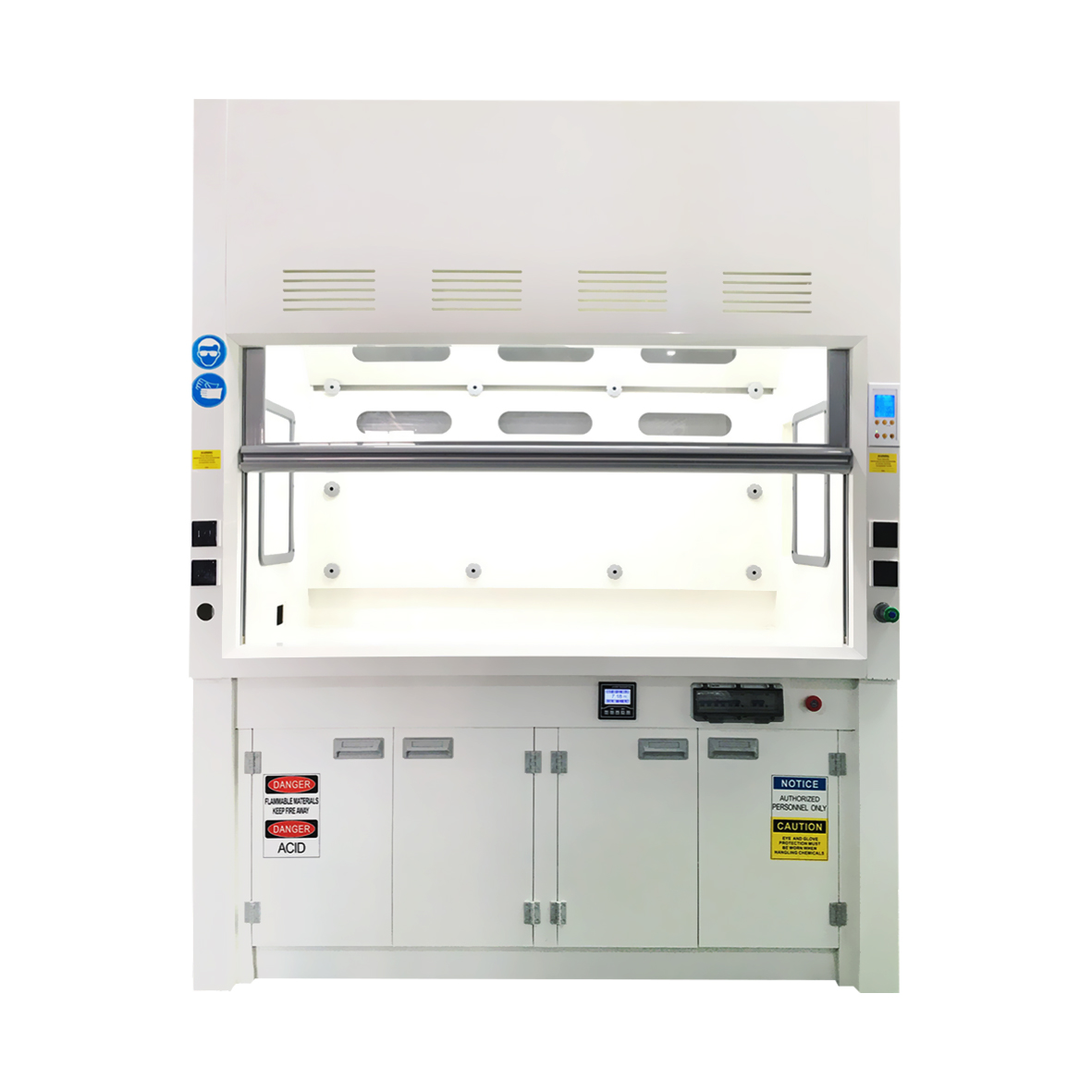
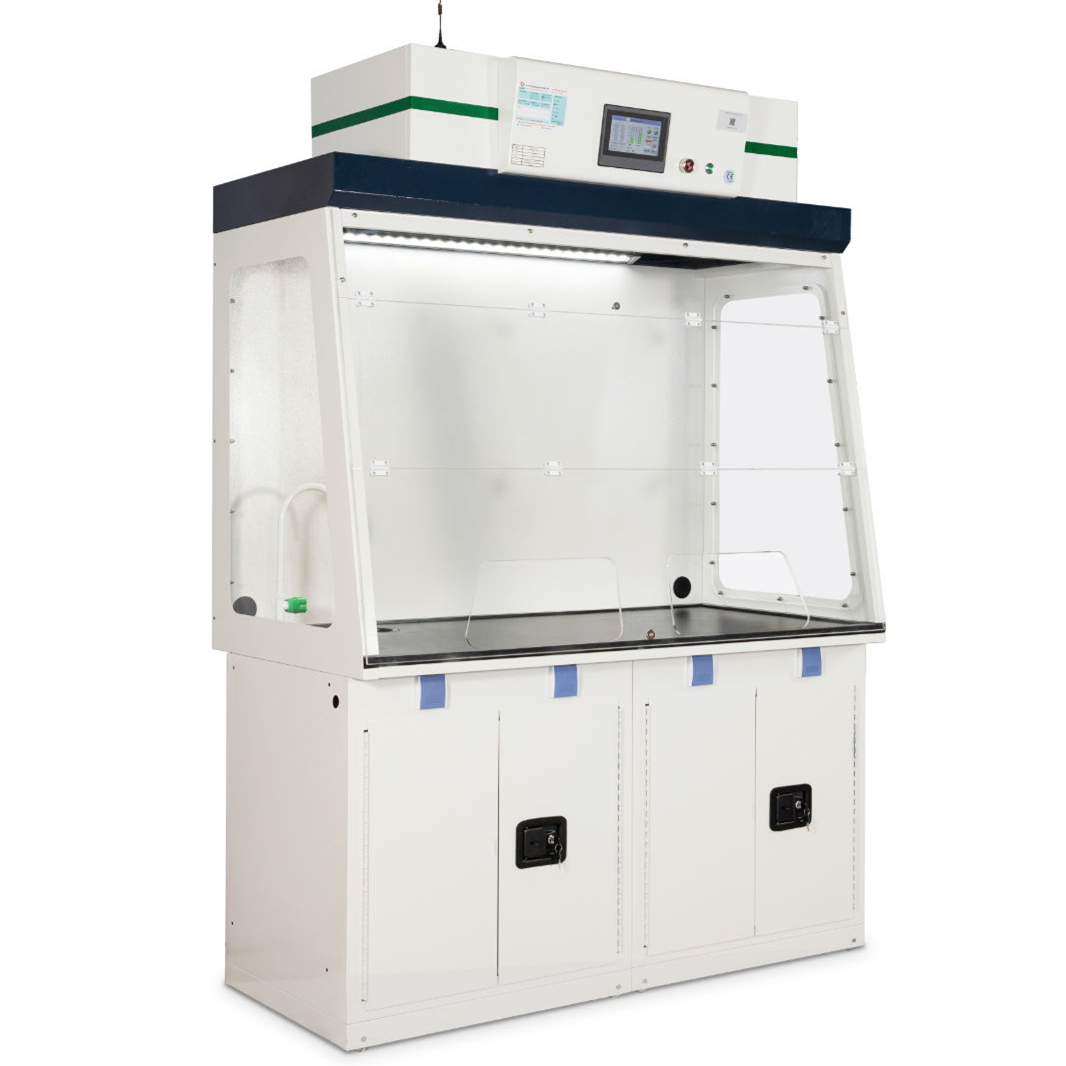
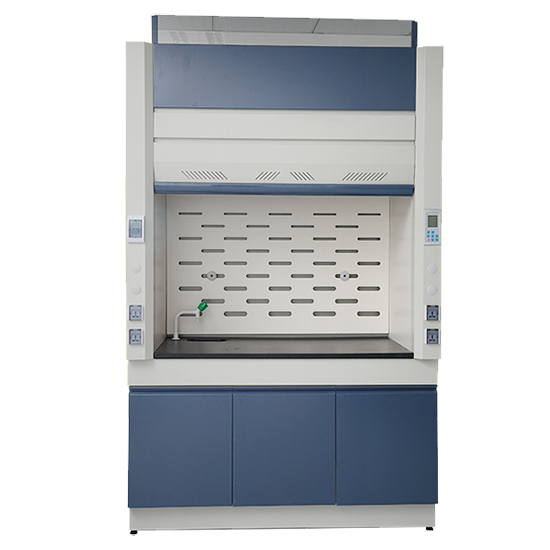
Lockable Storage: For secure storage of hazardous materials or valuable equipment, consider furniture with lockable drawers or cabinets.
Additionally, ensure that all furniture complies with local and international standards, such as ISO or OSHA guidelines, to maintain safety in your lab.
6. Customization and Aesthetic Appeal
While functionality is the priority, lab furniture should also contribute to creating a positive and efficient working environment. Consider the overall aesthetic of your laboratory, as a well-designed space can improve both morale and productivity.
Customizable Options: Look for furniture manufacturers who offer customization options, allowing you to tailor the design, size, and features of your lab furniture to meet your specific needs.
Clean and Professional Look: Modern laboratory furniture is not only functional but also aesthetically pleasing. Clean lines, a professional appearance, and thoughtful design can make your lab a more enjoyable place to work.
7. Budget Considerations
Lastly, while it's important to invest in high-quality furniture, it’s also essential to work within your budget. Look for manufacturers who provide a balance of cost-effectiveness and quality. Keep in mind that investing in durable, high-quality furniture will save you money in the long term by reducing the need for frequent replacements.
Conclusion
Selecting the right laboratory furniture involves considering a variety of factors, including the specific needs of your lab, ergonomics, material durability, space optimization, safety features, and budget. By taking the time to assess these elements, you can create a functional, safe, and efficient lab environment that supports both the well-being of your staff and the success of your projects.
At MAX Lab, we specialize in providing customizable laboratory furniture solutions designed to meet the diverse needs of laboratories worldwide. Whether you need durable workbenches, chemical-resistant storage, or ergonomic seating, our wide range of products ensures you'll find the perfect fit for your lab. Reach out to us today for expert advice and quality solutions tailored to your laboratory's needs.
Why We Choose to Be Your Lab Furniture Solution Provider, Not Just a Manufacturer

Max Lab Introduction
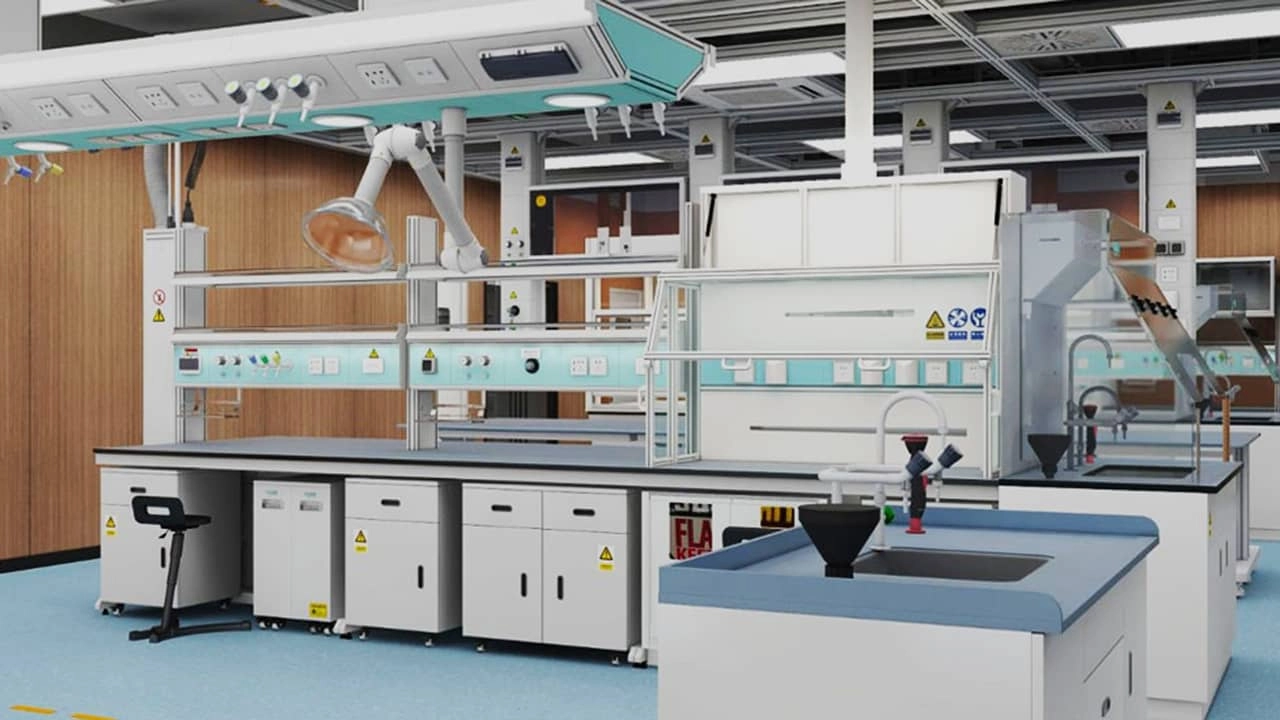
Electronics Lab Bench vs Chemistry Lab Bench: What You Need to Know

What Is an Air Shower for Cleanroom?
Customization
What kind of laboratory equipment is suitable for customization?
All types of laboratory equipment can be customized, including test benches, fume hoods, hoods, chemical cabinets, exhaust units, etc.
Does the customized equipment have a warranty?
Yes, all custom equipment comes with a warranty. Specific warranty terms are determined according to the type of equipment and customized content.
What is the after-sales support for customized services?
We provide a full range of after-sales service, including equipment installation guidance, regular maintenance, troubleshooting, operation training, etc., to ensure the safe and efficient operation of equipment.
FAQS
How can I request a quote?
Simply contact us or fill out our online form with your project details. Our team will respond promptly with a free quote.
For Customization
Do you offer custom colors for lab furniture?
Yes, we offer a range of color options for laboratory furniture to match your lab’s aesthetic requirements or branding.


Get in touch with us
If you have any comments or good suggestions, please leave us a message; later our professional staff will contact you as soon as possible.

 Scan QR Code
MaxLabFurniture
MaxLab Furniture
daihongada
Max Laboratory