
Resource
- How to Choose the Right Class II Biosafety Cabinet for Your Lab
- 1. What are the different types of Class II Biosafety Cabinets?
- 2. How do I determine the appropriate Biosafety Level (BSL) for my work?
- 3. What are the key features to consider when selecting a Class II BSC?
- 4. How do I assess the quality and reliability of a BSC manufacturer?
- 5. What are the maintenance and certification requirements for a Class II BSC?
- 6. How do I ensure the BSC meets my laboratory's specific needs?
- 7. What are the costs associated with purchasing and operating a Class II BSC?
- 8. How do I train laboratory personnel to use the BSC safely?
- Conclusion: Why Choose MAXLAB?
How to choose the right Class II biosafety cabinet for your lab?
How to Choose the Right Class II Biosafety Cabinet for Your Lab
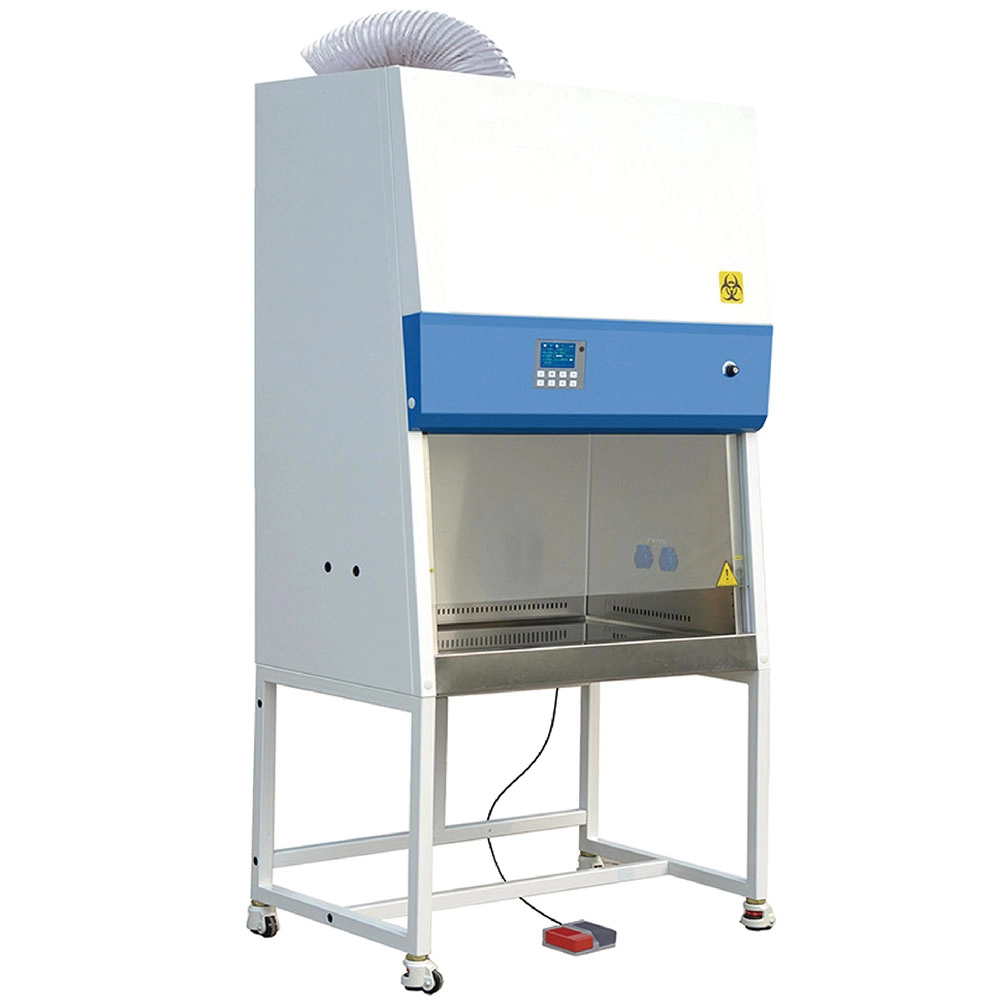
When working with hazardous biological materials, ensuring the safety of laboratory personnel, the environment, and the products is paramount. A Class II biosafety cabinet (BSC) offers a controlled environment that provides protection through specialized airflow patterns and high-efficiency particulate air (HEPA) filters. Selecting the appropriate Class II BSC involves understanding various factors to meet your laboratory's specific needs.
1. What are the different types of Class II Biosafety Cabinets?
Class II BSCs are subdivided into four types, each designed for specific applications:
Type A1 and A2: These cabinets recirculate a portion of the air back into the laboratory, making them suitable for work with biological agents in the absence of volatile or toxic chemicals. Type A2 cabinets have a higher minimum inflow velocity compared to Type A1.
Type B1 and B2: These cabinets exhaust all air externally, providing additional protection when working with hazardous chemicals. Type B2 cabinets, also known as total exhaust cabinets, are hard-ducted directly to an external exhaust system and vent 100% of the air outside after HEPA filtration.
Understanding these distinctions is essential for selecting a cabinet that aligns with your laboratory's safety requirements.
2. How do I determine the appropriate Biosafety Level (BSL) for my work?
The BSL required depends on the biological agents you plan to handle:
BSL-1: Suitable for agents not known to cause disease in healthy adults.
BSL-2: For agents that pose moderate hazards to personnel and the environment.
BSL-3: For agents that may cause serious or potentially lethal diseases through inhalation.
BSL-4: For agents that pose a high individual risk of life-threatening disease by infectious aerosols.
Consulting the Centers for Disease Control and Prevention (CDC) guidelines or your institution's biosafety officer can help determine the appropriate BSL for your work.
3. What are the key features to consider when selecting a Class II BSC?
When choosing a Class II BSC, consider the following factors:
Airflow Design: Ensure the cabinet provides adequate airflow to protect both the user and the product.
Filter Efficiency: Verify that the HEPA filters meet the required standards for particle filtration.
Size and Ergonomics: Choose a cabinet that fits your workspace and allows comfortable access to the work area.
Maintenance Requirements: Consider the ease of maintenance and availability of replacement parts.
Compliance with Standards: Ensure the cabinet complies with relevant standards, such as NSF/ANSI 49.
4. How do I assess the quality and reliability of a BSC manufacturer?
To evaluate a BSC manufacturer's quality and reliability:
Certifications: Look for certifications from recognized organizations, such as NSF International.
Reputation: Research the manufacturer's history and customer reviews.
Support Services: Assess the availability of technical support and training services.
Warranty and Service Agreements: Review the terms of warranties and service agreements offered.
5. What are the maintenance and certification requirements for a Class II BSC?
Regular maintenance and certification are crucial to ensure the BSC operates effectively:
Annual Certification: BSCs should be certified annually by qualified personnel to verify performance.
Routine Maintenance: Regular cleaning and filter replacement are necessary to maintain optimal airflow and filtration efficiency.
Record Keeping: Maintain detailed records of all maintenance and certification activities for compliance and safety audits.
6. How do I ensure the BSC meets my laboratory's specific needs?
To ensure the BSC aligns with your laboratory's requirements:
Risk Assessment: Conduct a thorough risk assessment to identify potential hazards and determine the necessary level of containment.
Consultation: Engage with biosafety professionals or consultants to gain expert advice tailored to your laboratory's activities.
Customization: Consider cabinets that offer customizable features to accommodate specific workflows or equipment.
7. What are the costs associated with purchasing and operating a Class II BSC?
Costs to consider include:
Initial Purchase Price: Varies based on the cabinet type, size, and features.
Installation Costs: Expenses related to setting up the cabinet, including any necessary modifications to the laboratory.
Operational Costs: Ongoing expenses such as energy consumption, maintenance, and filter replacements.
Compliance Costs: Costs associated with certification and compliance with regulatory standards.
8. How do I train laboratory personnel to use the BSC safely?
Effective training should include:
Operational Procedures: Instruction on proper use, including startup, operation, and shutdown procedures.
Emergency Protocols: Training on responding to alarms, spills, and other emergencies.
Maintenance Practices: Guidance on routine maintenance tasks and recognizing signs of equipment malfunction.
Safety Protocols: Emphasis on personal protective equipment (PPE) usage and safe work practices.
Conclusion: Why Choose MAXLAB?
When selecting a Class II biosafety cabinet, consider factors such as the specific biological agents handled, the required biosafety level, and the cabinet's features and compliance with standards. Regular maintenance and proper training are essential for ensuring the cabinet's effectiveness and longevity. By carefully evaluating these aspects, you can make an informed decision that enhances laboratory safety and research integrity.
MAXLAB offers a range of high-quality Class II biosafety cabinets designed to meet diverse laboratory needs. With a commitment to safety, reliability, and customer support, MAXLAB ensures that your laboratory is equipped with the best solutions for your research activities.
References:
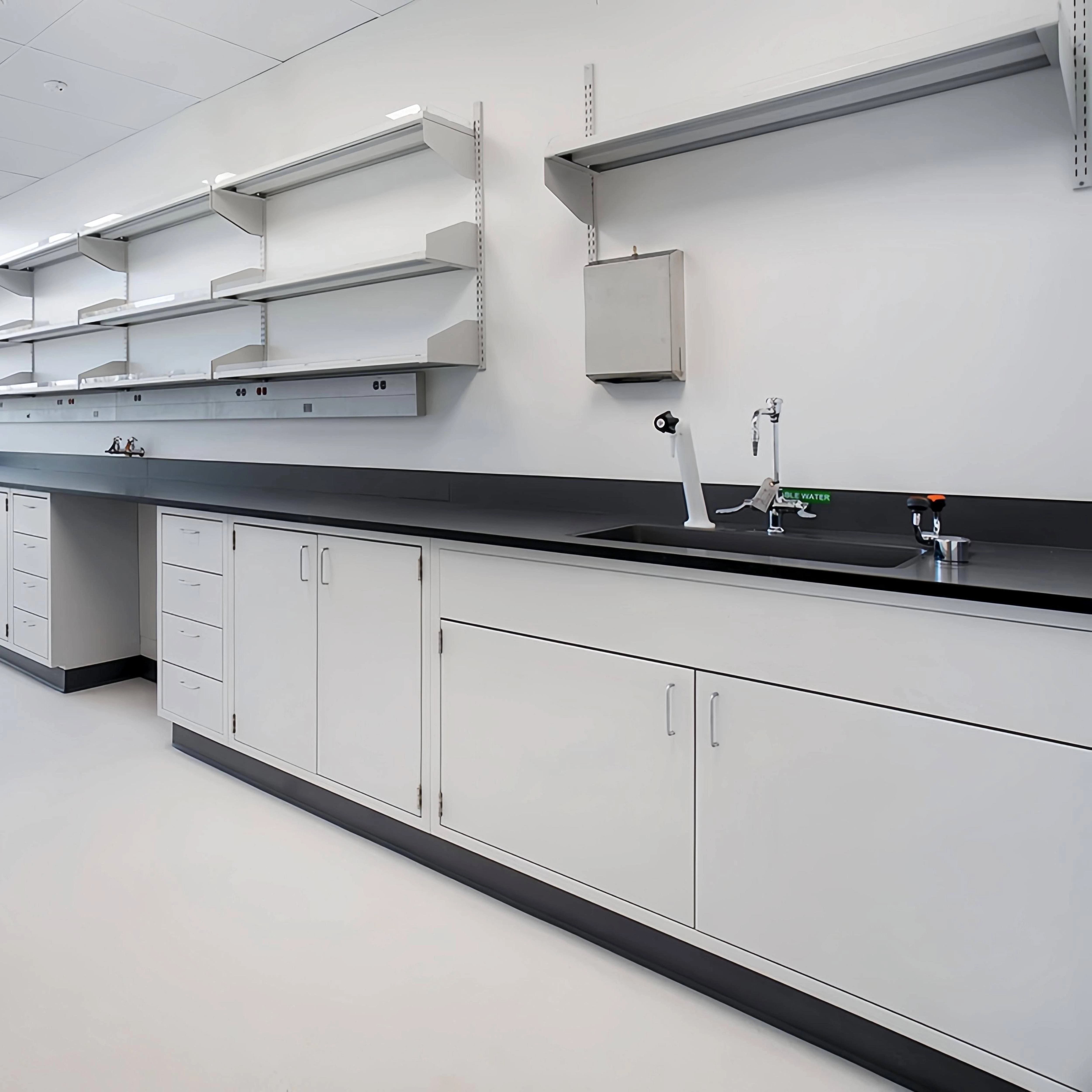
Why We Choose to Be Your Lab Furniture Solution Provider, Not Just a Manufacturer
Max Lab Introduction
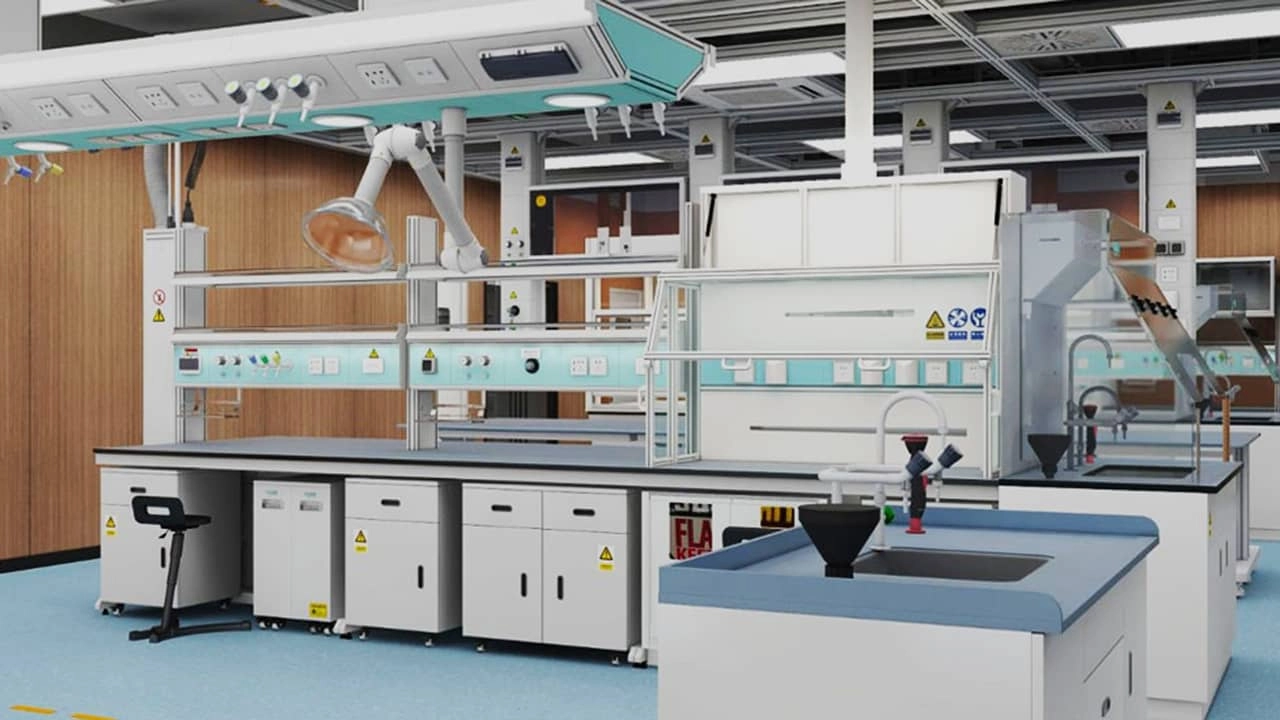
Electronics Lab Bench vs Chemistry Lab Bench: What You Need to Know
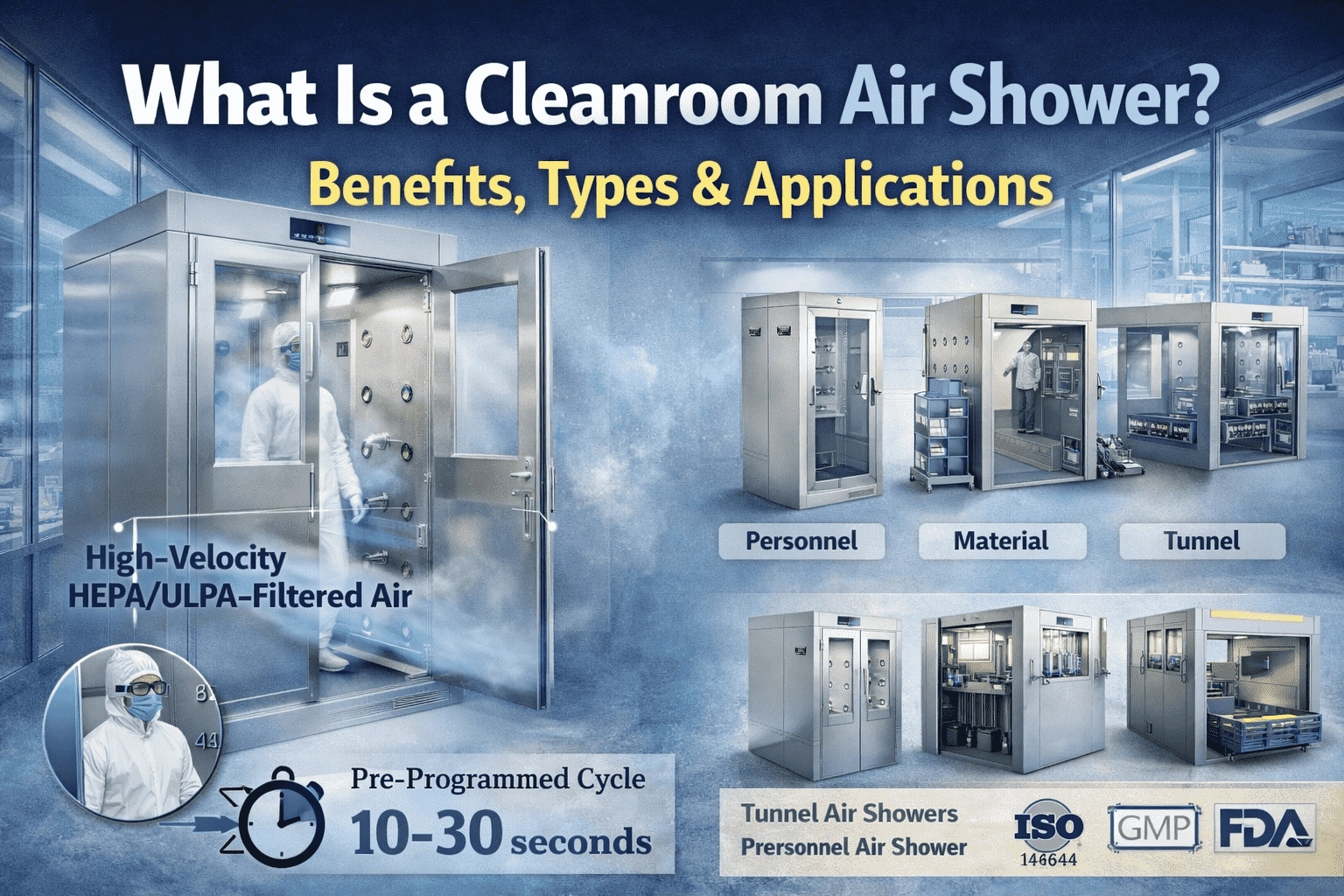
What Is an Air Shower for Cleanroom?
For After-Sales Support
Do you offer training for using your products?
Yes, we offer training for your staff on how to properly use and maintain the laboratory equipment we provide. Contact us to schedule a training session.
What do I do if I am not satisfied with my purchase?
We strive to ensure customer satisfaction. If you are not happy with your purchase, please contact us, and we will do our best to resolve any concerns.
Can you help with product troubleshooting?
Yes, our customer support team is available to help with any issues or troubleshooting you may need for your laboratory equipment.
For Company
Are you a factory or trade company?
Direct factory. We also have our sales and design team to offer better service to our valued customers.
Customization
Can equipment be customized to specific experimental safety standards?
Yes. We offer customized equipment to specific safety standards, such as ANSI/ASHRAE standards, UL certification and ISO safety standards.

Get in touch with us
If you have any comments or good suggestions, please leave us a message; later our professional staff will contact you as soon as possible.

 Scan QR Code
MaxLabFurniture
MaxLab Furniture
daihongada
Max Laboratory