
Resource
- Comprehensive Guide to Selecting Heavy-Duty Laboratory Tables
- 1. What Defines a Laboratory Table as 'Heavy-Duty'?
- 2. What Materials Are Best for Heavy-Duty Laboratory Tables?
- 3. What Features Should Be Included in a Heavy-Duty Laboratory Table?
- 4. How Do I Ensure the Table Meets Safety and Compliance Standards?
- 5. What Are the Cost Considerations for Heavy-Duty Laboratory Tables?
- 6. How Do I Maintain a Heavy-Duty Laboratory Table?
- 7. What Are the Latest Trends in Laboratory Table Design?
- 8. How Do I Choose Between Fixed and Mobile Laboratory Tables?
What criteria define a lab table as 'heavy-duty'?
Comprehensive Guide to Selecting Heavy-Duty Laboratory Tables
When outfitting a laboratory, selecting the right heavy-duty laboratory table is crucial for ensuring durability, safety, and efficiency. This guide addresses common questions and provides expert insights to assist in making informed purchasing decisions.
1. What Defines a Laboratory Table as 'Heavy-Duty'?
A 'heavy-duty' laboratory table is characterized by its ability to withstand substantial weight, resist chemical corrosion, and endure rigorous daily use. Key attributes include:
Material Strength: Utilizing robust materials such as epoxy resin or phenolic resin enhances durability and chemical resistance.
Structural Integrity: Frames constructed from high-quality steel with welded joints provide stability and support.
Load Capacity: Tables designed to support significant weight, often exceeding 1,200 lbs per square foot, are considered heavy-duty.
2. What Materials Are Best for Heavy-Duty Laboratory Tables?
Selecting the appropriate material is vital for the table's performance and longevity:
Epoxy Resin: Offers excellent chemical resistance and durability, making it suitable for labs handling corrosive substances.
Phenolic Resin: Provides water resistance and can withstand exposure to various solvents and chemicals, ideal for reagent racks and countertops.
Stainless Steel: Known for its strength and resistance to corrosion, stainless steel is a common choice for heavy-duty applications. ((https://www.maxlabfurniture.com/blog/ultimate-guide-to-laboratory-table-2026-choose-for-your-lab/))
3. What Features Should Be Included in a Heavy-Duty Laboratory Table?
Essential features to consider:
Chemical-Resistant Surfaces: To prevent damage from spills and exposure to hazardous substances.
Integrated Storage: Drawers and cabinets for organizing equipment and materials. ((https://www.maxlabfurniture.com/blog/ultimate-guide-to-laboratory-table-2026-choose-for-your-lab/))
Utility Connections: Built-in sinks, gas, and electrical outlets to support various laboratory functions.
4. How Do I Ensure the Table Meets Safety and Compliance Standards?
To verify safety and compliance:
Certification: Ensure the table meets relevant standards such as ASTM F2394 for chemical resistance and ANSI/SEFA 8-2020 for wet labs.
Material Testing: Request third-party validation reports to confirm material properties and performance.
5. What Are the Cost Considerations for Heavy-Duty Laboratory Tables?
Cost factors include:
Material Quality: High-quality materials like epoxy resin and stainless steel may have higher upfront costs but offer greater durability.
Customization: Additional features such as integrated utilities and specialized storage can increase the overall price.
Supplier Reputation: Purchasing from reputable suppliers may involve higher costs but ensures quality and compliance.
6. How Do I Maintain a Heavy-Duty Laboratory Table?
Maintenance tips include:
Regular Cleaning: Use appropriate cleaners for the table's surface material to prevent damage.
Routine Inspections: Check for signs of wear, corrosion, or structural issues and address them promptly.
Proper Usage: Avoid overloading the table beyond its specified weight capacity to maintain its integrity.
7. What Are the Latest Trends in Laboratory Table Design?
Current trends include:
Modular Designs: Tables with movable cabinets and adjustable configurations to adapt to various laboratory needs.
Sustainability: Use of recycled and eco-friendly materials in table construction.
Smart Integration: Incorporation of embedded power/data ports and height-adjustment systems for enhanced functionality.
8. How Do I Choose Between Fixed and Mobile Laboratory Tables?
Consider the following:
Fixed Tables: Offer stability and are suitable for permanent installations with integrated utilities. ((https://www.maxlabfurniture.com/blog/ultimate-guide-to-laboratory-table-2026-choose-for-your-lab/))
Mobile Tables: Provide flexibility and can be reconfigured as needed, ideal for dynamic laboratory environments. ((https://www.maxlabfurniture.com/blog/ultimate-guide-to-laboratory-table-2026-choose-for-your-lab/))
Conclusion
Selecting the right heavy-duty laboratory table involves careful consideration of materials, features, compliance standards, and cost. By addressing these factors, you can ensure a durable and functional workspace that meets your laboratory's specific needs.
MAXLAB's Advantages
MAXLAB offers a comprehensive range of laboratory furniture designed for durability and functionality. Their products feature high-quality materials, customizable options, and adherence to industry standards, ensuring a reliable and efficient laboratory environment.
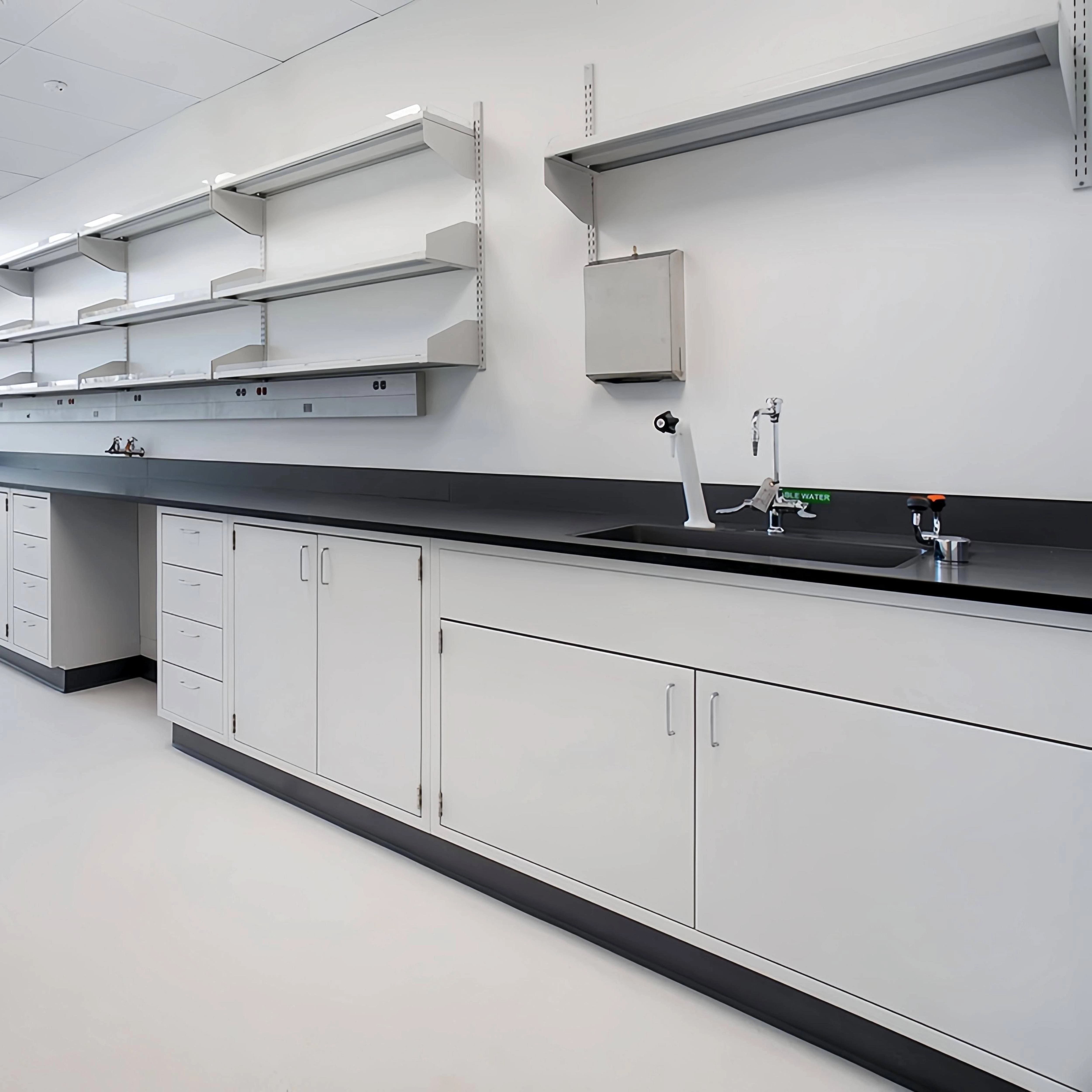
Why We Choose to Be Your Lab Furniture Solution Provider, Not Just a Manufacturer
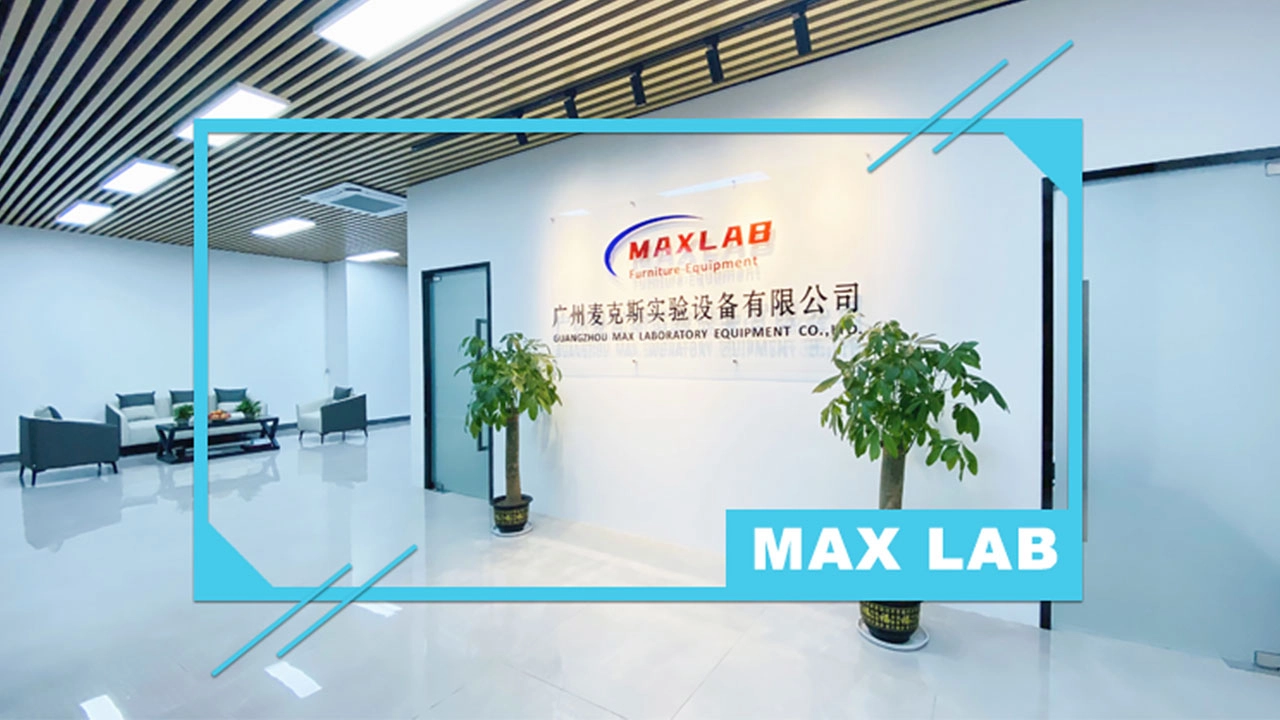
Max Lab Introduction
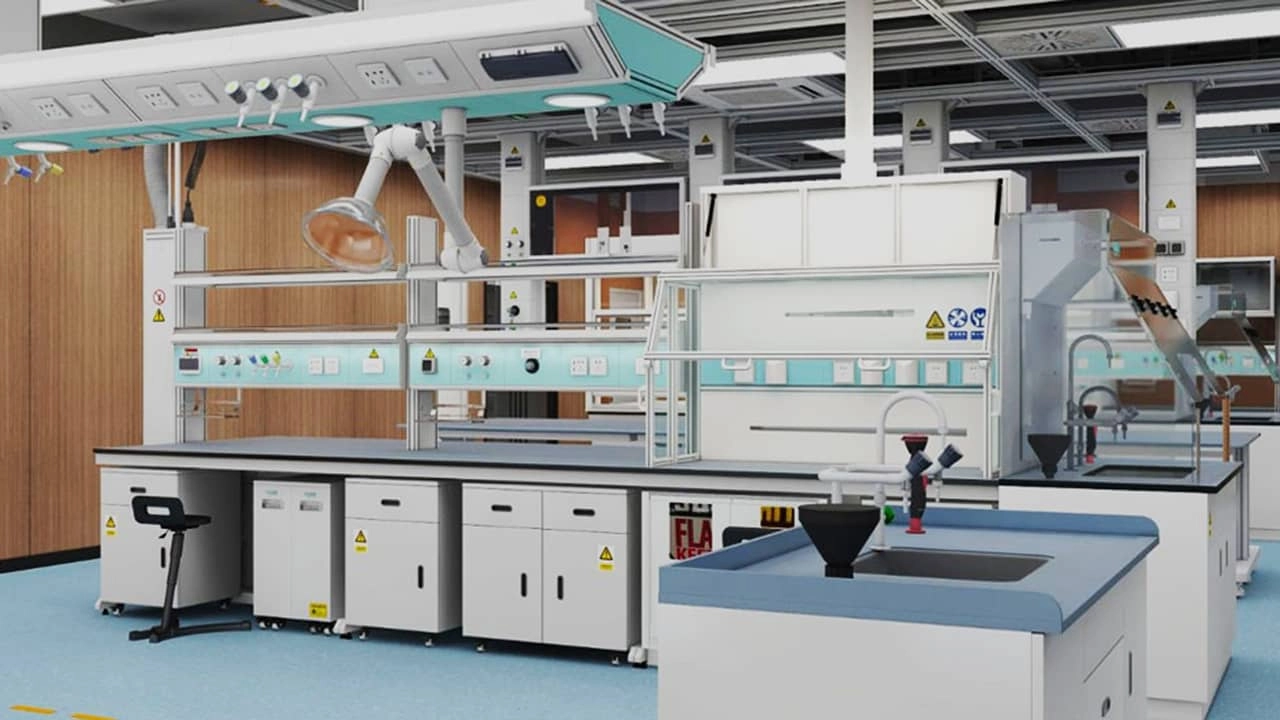
Electronics Lab Bench vs Chemistry Lab Bench: What You Need to Know
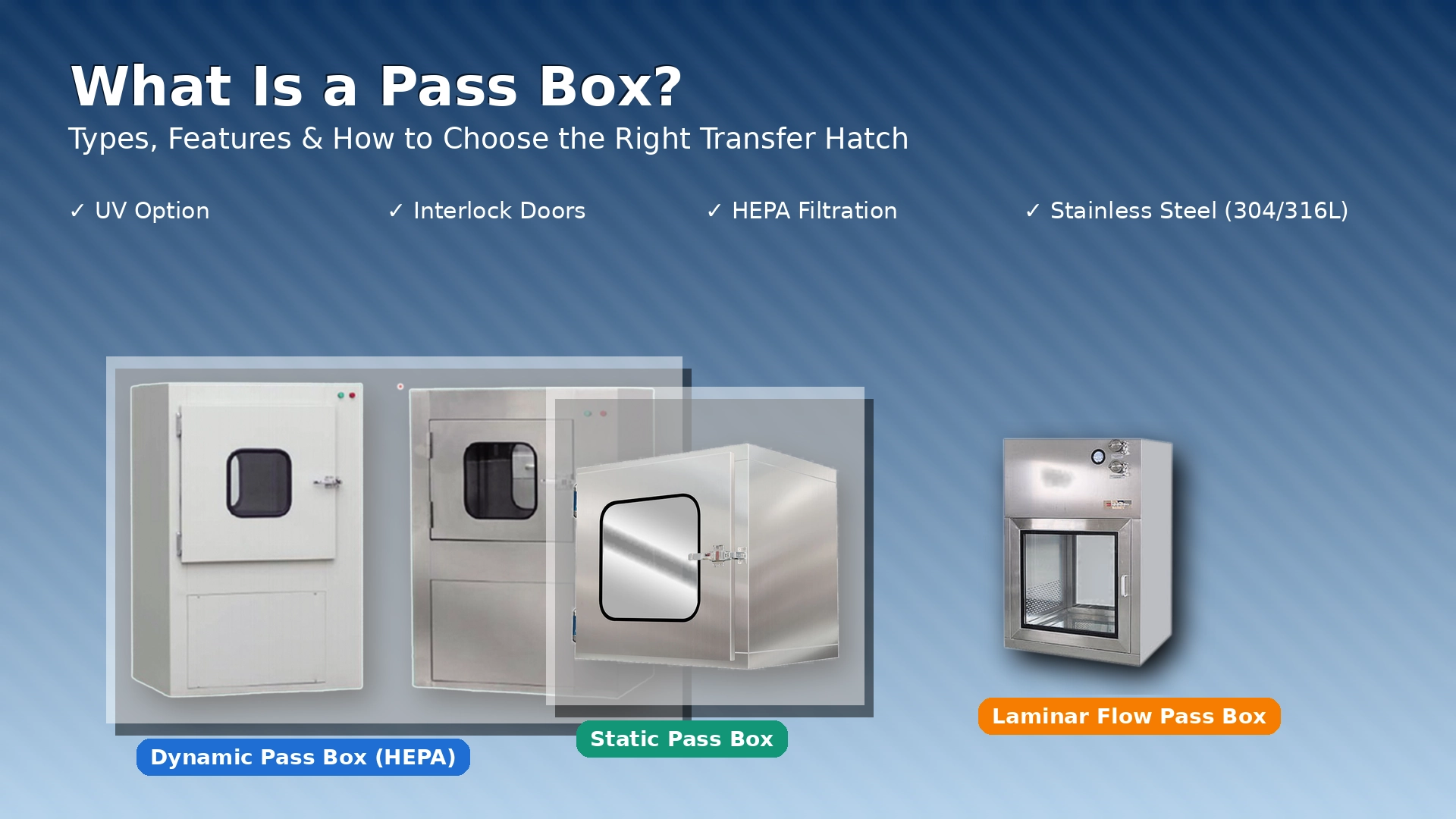
What Is a Pass Box? Types, Features, and How to Choose the Right Transfer Hatch
FAQS
How can I request a quote?
Simply contact us or fill out our online form with your project details. Our team will respond promptly with a free quote.
For Logistics
What is the lead time?
We usually will start to work after receiving 50% deposit, and as for the exact lead time, it depends on quantity and detailed requirement. We can promise it will be shipped on time as we negotiated.
Customization
Do you offer free design consultation?
Yes, we provide our clients with free preliminary design consulting services. Our design team will provide advice based on your needs and budget, and help you develop a laboratory layout and equipment plan that meets your requirements.
For Company
Do you provide installation services?
Yes, we offer professional installation services to ensure your laboratory furniture and equipment are set up properly and safely.
For Products
What kind of fume hoods do you offer?
We offer all steel fume hood, benchtop fume hood, multi-sided fume hood, walk-in fume hood, PP fume hood, ductless fume hood, stainless steel fume hood and perchloric acid fume hood to suit various laboratory needs and ensure safety.



Get in touch with us
If you have any comments or good suggestions, please leave us a message; later our professional staff will contact you as soon as possible.

 Scan QR Code
MaxLabFurniture
MaxLab Furniture
daihongada
Max Laboratory