
Resource
- Comprehensive Guide to Fume Cupboards in Laboratory Ventilation Systems
- 1. What are the different types of fume cupboards available?
- 2. How do fume cupboards impact overall lab ventilation systems?
- 3. What factors should be considered when selecting a fume cupboard?
- 4. How do fume cupboards contribute to laboratory safety?
- 5. What are the cost considerations when purchasing a fume cupboard?
- 6. How can laboratory design optimize fume cupboard performance?
- 7. What are the latest trends in fume cupboard technology?
- 8. How does MAXLAB ensure the quality and safety of its fume cupboards?
How do fume cupboards impact overall lab ventilation systems?
Comprehensive Guide to Fume Cupboards in Laboratory Ventilation Systems
Laboratories handling hazardous substances require effective ventilation systems to ensure the safety of personnel and the environment. Fume cupboards, also known as fume hoods, play a pivotal role in these systems by containing and exhausting harmful fumes, vapors, and dust. This guide addresses common questions regarding fume cupboards and their integration into laboratory ventilation systems.
1. What are the different types of fume cupboards available?
Fume cupboards come in various types, each suited to specific laboratory needs:
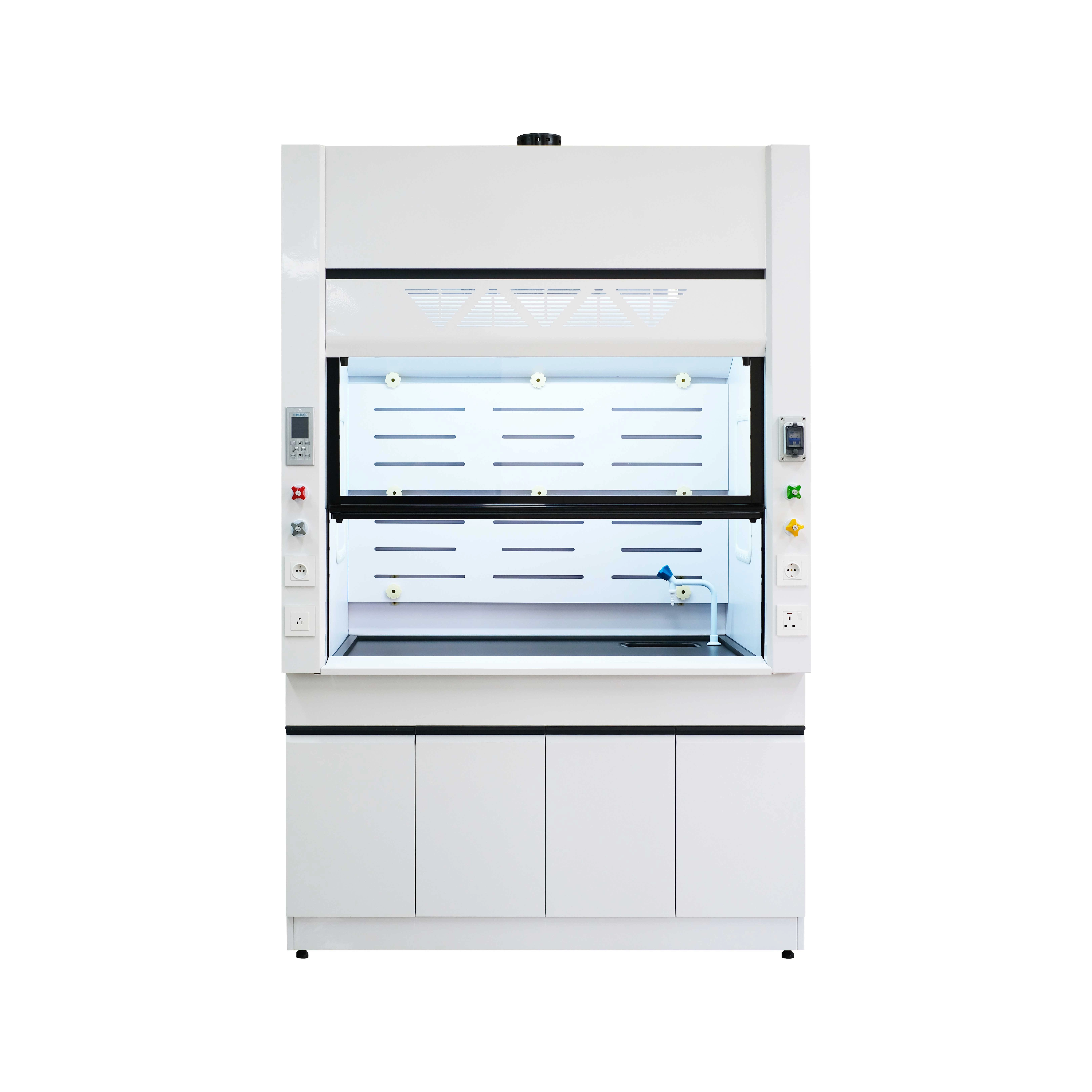
Ducted Fume Cupboards: Connected to an external exhaust system, they expel contaminated air outside the building.
Ductless Fume Cupboards: Utilize filters to clean the air before recirculating it back into the laboratory, eliminating the need for external ventilation.
Walk-in Fume Cupboards: Larger units designed to accommodate bulky equipment or allow multiple users to work simultaneously.
Laminar Flow Fume Cupboards: Provide a continuous flow of filtered air to protect sensitive processes from contamination.
Selecting the appropriate type depends on the specific applications and safety requirements of the laboratory.
2. How do fume cupboards impact overall lab ventilation systems?
Fume cupboards significantly influence laboratory ventilation by:
Airflow Management: They extract large volumes of air, necessitating a well-designed makeup air system to replace the exhausted air without compromising containment.
Room Air Currents: Proper placement and operation are crucial to prevent drafts and cross-flows that can disrupt the fume cupboard's performance.
Energy Consumption: Ducted fume cupboards can be energy-intensive, while ductless models with HEPA/ULPA filters offer energy savings by reducing HVAC dependency.
Integrating fume cupboards into the lab's ventilation system requires careful planning to maintain safety and efficiency.
3. What factors should be considered when selecting a fume cupboard?
Key considerations include:
Type and Application: Choose based on the specific tasks and substances handled.
Size and Dimensions: Ensure adequate space for equipment and materials.
Ventilation Requirements: Determine necessary airflow rates and compatibility with existing systems.
Material Construction: Select materials resistant to the chemicals used.
Compliance and Certifications: Verify adherence to safety standards like BS EN 14175.
Consulting with stakeholders and conducting site evaluations can help tailor the fume cupboard to the laboratory's needs.
4. How do fume cupboards contribute to laboratory safety?
Fume cupboards enhance safety by:
Containment: Preventing the release of hazardous fumes into the laboratory environment.
Protection: Shielding personnel from exposure to toxic substances.
Compliance: Meeting regulatory requirements for laboratory safety.
Regular maintenance and proper usage are essential to maintain these safety benefits.
5. What are the cost considerations when purchasing a fume cupboard?
Costs vary based on:
Type and Features: Ducted models may have higher installation costs, while ductless models can offer savings in energy and infrastructure.
Material and Construction: Durable materials like stainless steel may increase initial costs but offer longevity.
Compliance and Certification: Meeting standards like EN 14175 may add to the expense.
Balancing initial costs with long-term benefits and safety is crucial.
6. How can laboratory design optimize fume cupboard performance?
Optimal design involves:
Strategic Placement: Positioning fume cupboards away from drafts and high-traffic areas.
Adequate Space: Ensuring sufficient room for airflow and maintenance.
Integration with HVAC: Coordinating with the laboratory's ventilation system to maintain proper airflow.
Consulting design guidelines and standards can aid in creating an effective laboratory environment.
7. What are the latest trends in fume cupboard technology?
Recent advancements include:
Energy Efficiency: Development of ductless models with HEPA/ULPA filters to reduce energy consumption.
Smart Features: Integration of IoT sensors for real-time monitoring and automated controls.
Sustainability: Use of recyclable materials and designs that minimize environmental impact.
Staying informed about these trends can enhance laboratory safety and efficiency.
8. How does MAXLAB ensure the quality and safety of its fume cupboards?
MAXLAB is committed to providing high-quality fume cupboards that meet international safety standards. Our products are designed with durability, energy efficiency, and user safety in mind. We offer customizable solutions tailored to specific laboratory needs, ensuring optimal performance and compliance with regulatory requirements.
In conclusion, selecting the right fume cupboard is vital for laboratory safety and efficiency. By considering the factors outlined above and partnering with reputable manufacturers like MAXLAB, laboratories can create a safe and productive environment for their personnel.
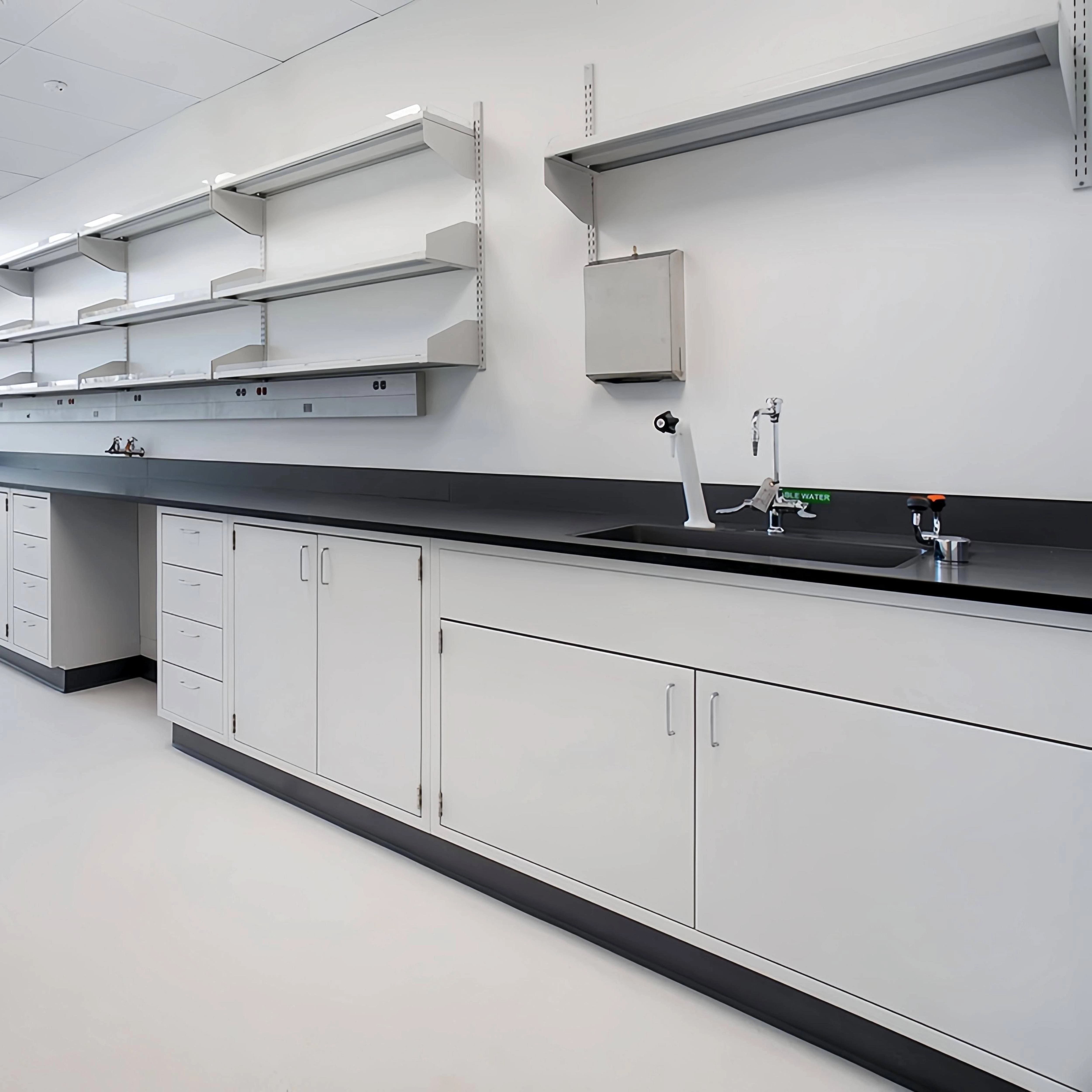
Why We Choose to Be Your Lab Furniture Solution Provider, Not Just a Manufacturer
Max Lab Introduction
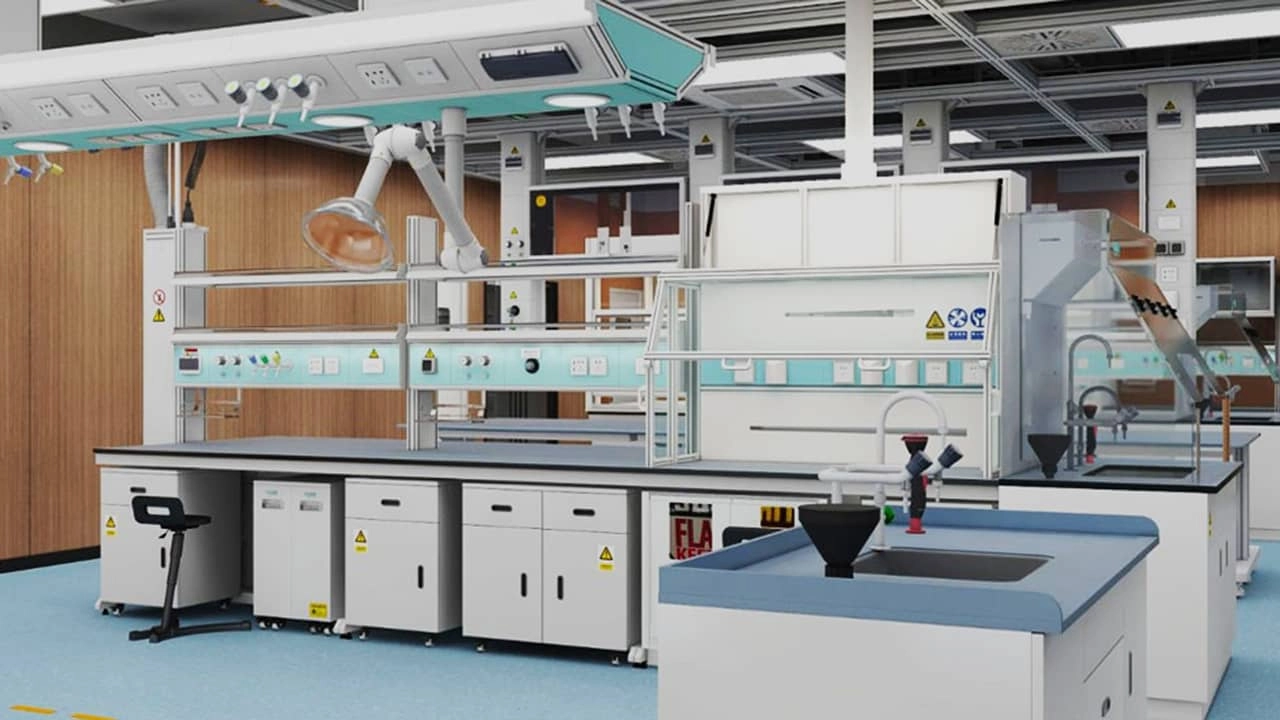
Electronics Lab Bench vs Chemistry Lab Bench: What You Need to Know
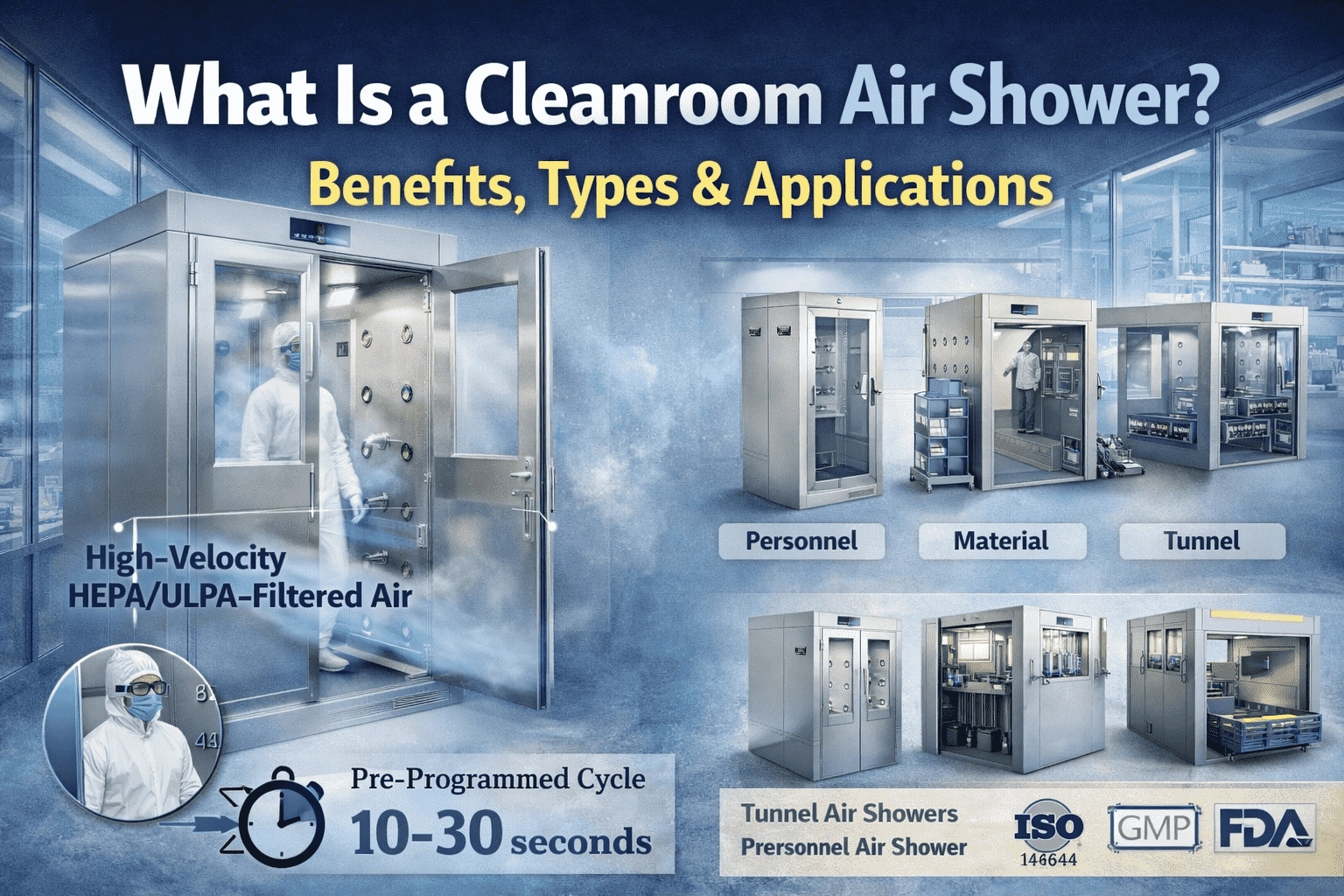
What Is an Air Shower for Cleanroom?
For Company
How long has your company been in business?
Our company has been in the laboratory furniture and equipment business for over 15 years, during which we have gained extensive experience and built a solid reputation in the industry. We specialize in serving a variety of industries, including academic research labs, pharmaceutical labs, healthcare, manufacturing, and more.
For Customization
Can you create furniture for labs with special requirements?
Yes, we specialize in designing and manufacturing lab furniture for specialized environments, including clean rooms, bio labs, and industrial labs.
About Solution
Do you have certifications for your products?
Yes, We have CE CERTIFICATIONS, Quality Management Systems Certificate ISO9001:2008 and Environmental Management Systems Certificate ISO14000:2004, etc.
How to ensure the safety performance of the fume hood?
Our fume hoods adopt high-efficiency filtration system and intelligent air speed control technology to ensure that harmful gases are effectively eliminated during experiments and protect users' health.
For Products
Do you provide laboratory tables with built-in power outlets?
Yes, we offer lab tables with integrated electrical outlets, power strips, and other features to support your laboratory's equipment needs.

Get in touch with us
If you have any comments or good suggestions, please leave us a message; later our professional staff will contact you as soon as possible.

 Scan QR Code
MaxLabFurniture
MaxLab Furniture
daihongada
Max Laboratory