
Resource
- Comprehensive Guide to Fume Cupboards in Laboratory Design
- 1. What Are Fume Cupboards and Their Primary Functions?
- 2. How Do High-Containment Fume Cupboards Affect Laboratory Design?
- 3. What Are the Different Types of Fume Cupboards Available?
- 4. How Do I Determine the Appropriate Size for a Fume Cupboard?
- 5. What Features Enhance Ergonomics in a Fume Cupboard?
- 6. How Do I Ensure the Fume Cupboard Meets Safety Standards?
- 7. What Are the Energy Efficiency Considerations for Fume Cupboards?
- 8. How Do I Integrate Service Fixtures into the Fume Cupboard?
- 9. What Are the Maintenance Requirements for Fume Cupboards?
- 10. How Do I Choose a Reliable Fume Cupboard Supplier?
- Conclusion: Why Choose MAXLAB?
What impact do high containment fume cupboards have on design?
Comprehensive Guide to Fume Cupboards in Laboratory Design
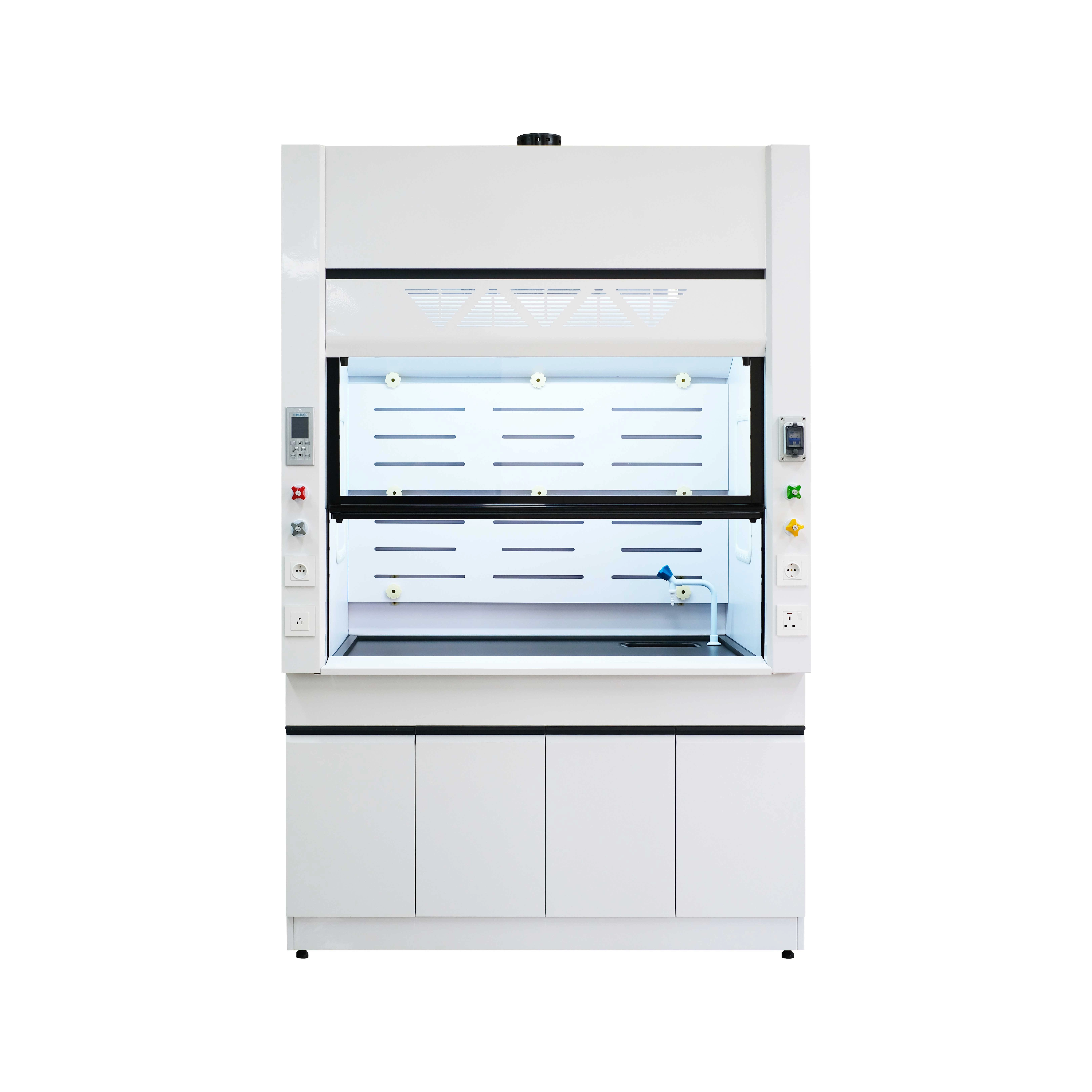
Laboratories handling hazardous substances require specialized equipment to ensure safety and efficiency. Fume cupboards, also known as fume hoods, are integral to this safety infrastructure. This guide addresses common questions regarding fume cupboards and their influence on laboratory design, providing essential insights for laboratory managers and designers.
1. What Are Fume Cupboards and Their Primary Functions?
Fume cupboards are ventilated enclosures designed to contain and exhaust hazardous fumes, vapors, and dust, protecting laboratory personnel from exposure. They maintain a controlled airflow to prevent contaminants from escaping into the laboratory environment.
2. How Do High-Containment Fume Cupboards Affect Laboratory Design?
High-containment fume cupboards require specific design considerations:
Airflow Management: To maintain the necessary face velocity, the laboratory's HVAC system must be capable of handling increased air volume.
Space Allocation: These units are typically larger, necessitating more floor space and potentially affecting the layout of the laboratory.
Utility Integration: Additional utilities, such as specialized exhaust systems, may be required to support the fume cupboard's operation.
Energy Consumption: The increased airflow demands can lead to higher energy usage, impacting operational costs.
3. What Are the Different Types of Fume Cupboards Available?
Fume cupboards come in various types, including:
Ducted Fume Cupboards: These are connected to an external exhaust system, expelling contaminants outside the building.
Recirculating Fume Cupboards: They filter and recirculate air back into the laboratory, suitable for non-toxic substances.
High-Containment Fume Cupboards: Designed for handling highly hazardous materials, they offer enhanced containment features.
4. How Do I Determine the Appropriate Size for a Fume Cupboard?
Selecting the right size involves:
Assessing Laboratory Space: Ensure sufficient room for the fume cupboard and safe operation.
Considering Workflow: The size should accommodate the types of experiments conducted without hindering movement.
Evaluating Equipment Needs: Larger fume cupboards can house more equipment but may increase energy consumption.
5. What Features Enhance Ergonomics in a Fume Cupboard?
Ergonomic features to consider include:
Adjustable Sash Heights: Allows users to set the sash at a comfortable working height.
Easy-to-Operate Sashes: Sashes should move smoothly to reduce physical strain.
Adequate Lighting: Proper illumination ensures visibility and reduces eye strain.
User-Friendly Controls: Intuitive controls for airflow and lighting enhance usability.
6. How Do I Ensure the Fume Cupboard Meets Safety Standards?
Compliance with safety standards involves:
Adhering to Regulatory Guidelines: Follow standards such as ANSI/AIHA Z9.5 and NFPA 45.
Regular Performance Testing: Conduct routine checks to ensure proper airflow and containment.
Maintenance Protocols: Establish regular maintenance schedules to keep the fume cupboard in optimal condition.
7. What Are the Energy Efficiency Considerations for Fume Cupboards?
To enhance energy efficiency:
Variable Air Volume (VAV) Systems: Adjust airflow based on usage to reduce energy consumption.
Energy-Efficient Motors: Use motors that consume less power while maintaining performance.
Proper Sash Management: Keep sashes closed when not in use to minimize energy loss.
8. How Do I Integrate Service Fixtures into the Fume Cupboard?
Integrating service fixtures requires:
Planning Utility Connections: Ensure that gas, water, and electrical connections are compatible with the fume cupboard design.
Maintaining Accessibility: Fixtures should be easily accessible for maintenance and operation.
Ensuring Safety Compliance: All fixtures must meet safety standards to prevent hazards.
9. What Are the Maintenance Requirements for Fume Cupboards?
Maintenance includes:
Regular Inspections: Check for signs of wear, damage, or contamination.
Cleaning: Keep the interior and exterior clean to maintain airflow and prevent contamination.
Component Replacement: Replace filters, sashes, and other components as needed to ensure optimal performance.
10. How Do I Choose a Reliable Fume Cupboard Supplier?
Selecting a supplier involves:
Evaluating Reputation: Research the supplier's history and customer reviews.
Assessing Product Quality: Ensure the fume cupboards meet industry standards and your specific requirements.
Considering Support Services: Look for suppliers offering installation, training, and maintenance services.
Conclusion: Why Choose MAXLAB?
MAXLAB offers comprehensive solutions for laboratory furniture, including high-quality fume cupboards tailored to your needs. Our products adhere to international safety standards, ensuring reliability and performance. With a focus on customization, ergonomic design, and energy efficiency, MAXLAB is committed to enhancing your laboratory's safety and operational efficiency.
((https://www.maxlabfurniture.com/guides/fume-cupboards-essential-guide/))
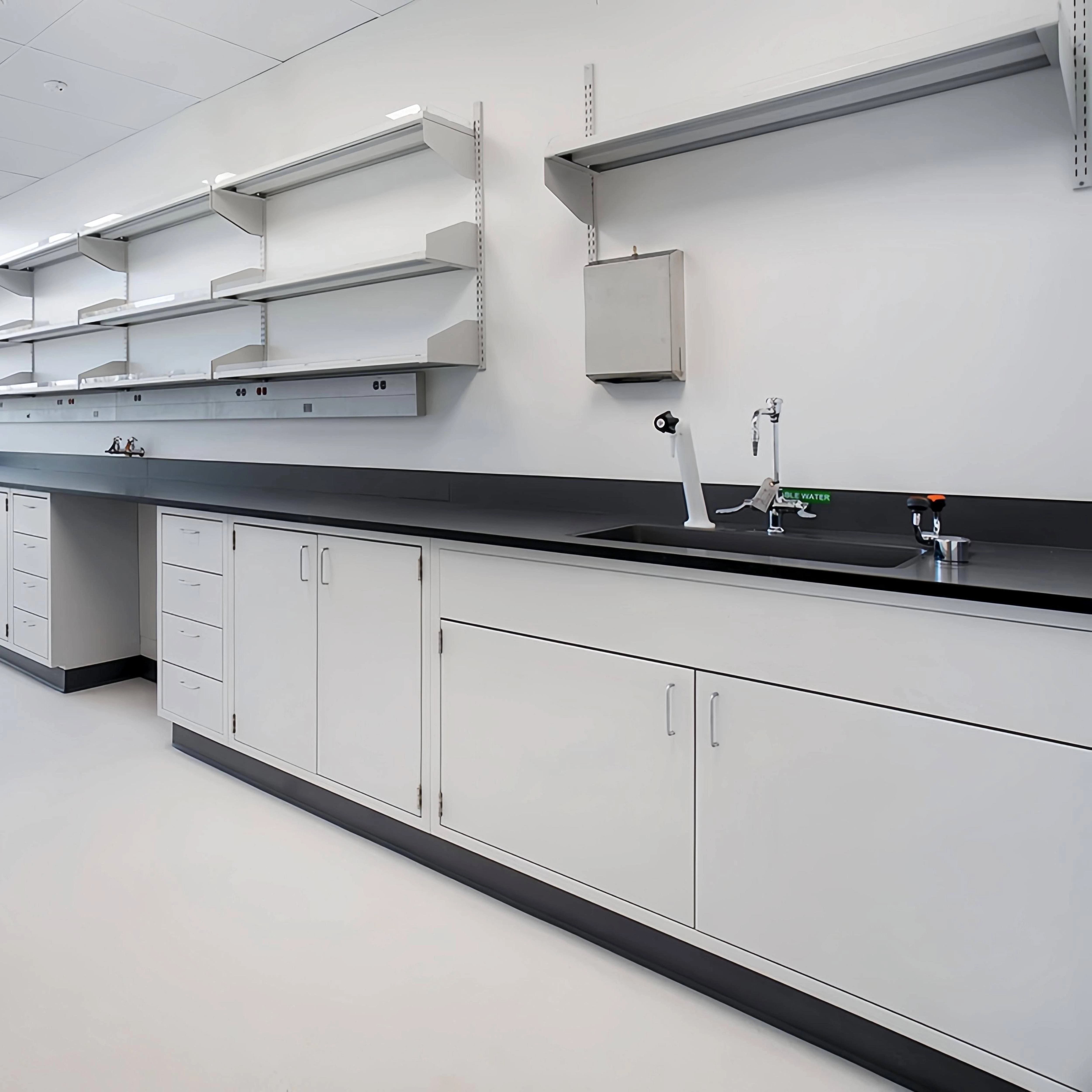
Why We Choose to Be Your Lab Furniture Solution Provider, Not Just a Manufacturer
Max Lab Introduction
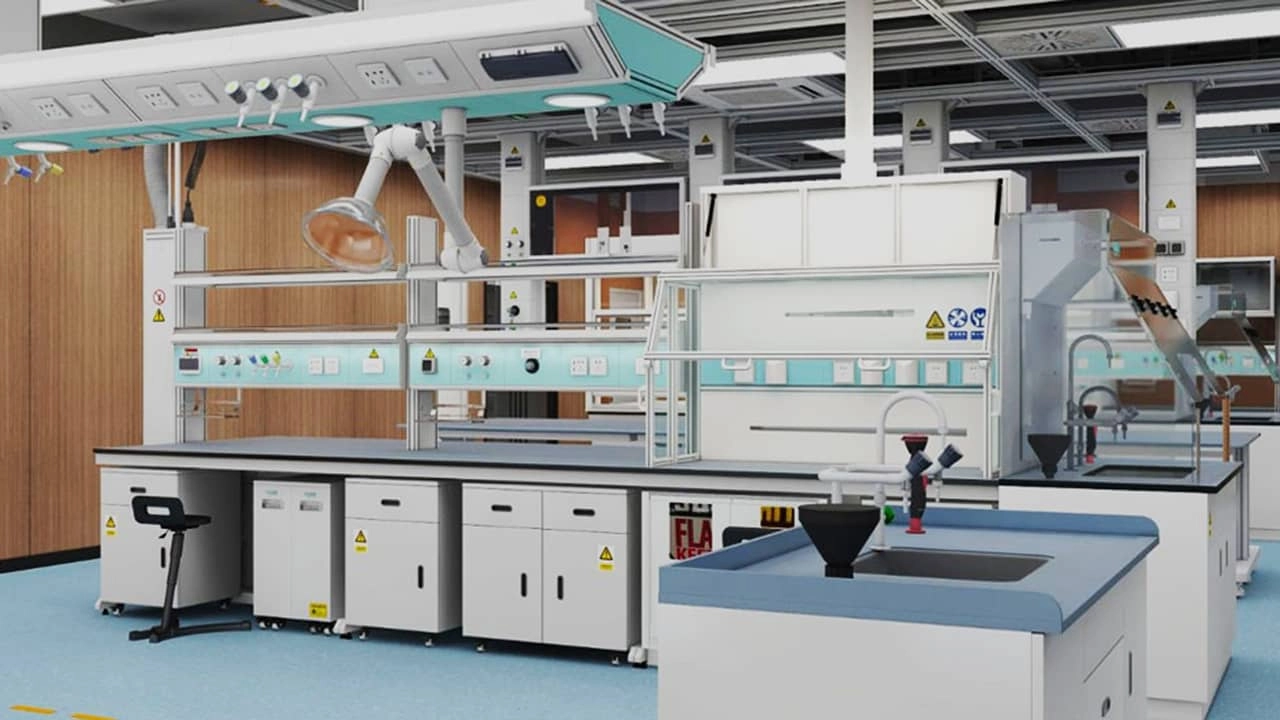
Electronics Lab Bench vs Chemistry Lab Bench: What You Need to Know
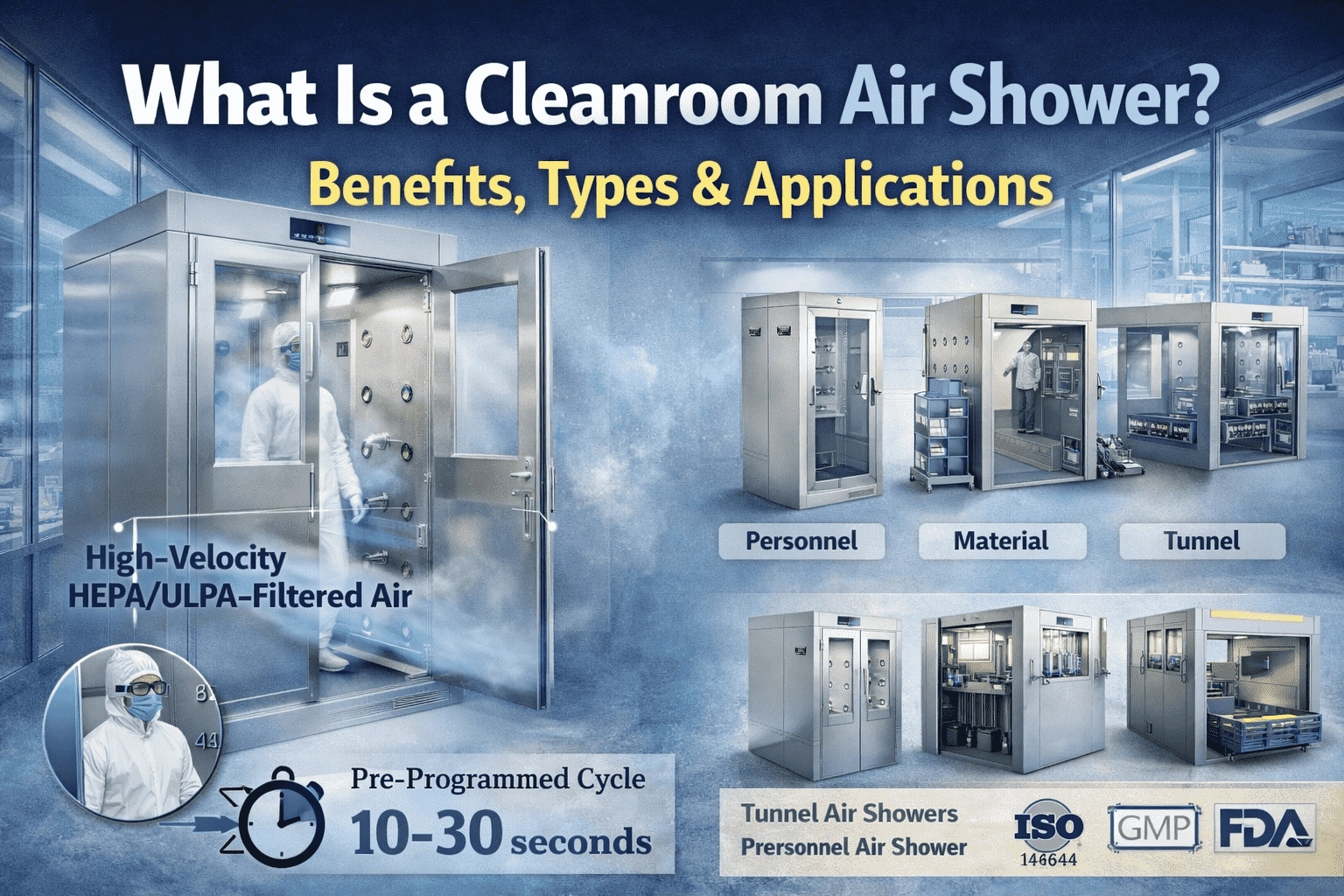
What Is an Air Shower for Cleanroom?
For Products
What products does MAX LAB offer?
We specialize in laboratory furniture and equipment, including lab benches, fume hoods, storage cabinets, lab accessories, and custom lab solutions.
For Logistics
How do you ensure the safety of items during shipping?
We have 15 years of experience in loading, fragile goods are packed in plywood boxes to ensure that they will not be damaged during transportation.
What is the lead time?
We usually will start to work after receiving 50% deposit, and as for the exact lead time, it depends on quantity and detailed requirement. We can promise it will be shipped on time as we negotiated.
For Customization
What is the process for requesting a custom quote?
To request a custom quote, please provide us with details about your lab’s size, needs, and desired specifications.
About Solution
Do you have certifications for your products?
Yes, We have CE CERTIFICATIONS, Quality Management Systems Certificate ISO9001:2008 and Environmental Management Systems Certificate ISO14000:2004, etc.

Get in touch with us
If you have any comments or good suggestions, please leave us a message; later our professional staff will contact you as soon as possible.

 Scan QR Code
MaxLabFurniture
MaxLab Furniture
daihongada
Max Laboratory