
Resource
- Comprehensive Guide to Fume Cupboards and Laboratory Bench Design
- 1. What Are the Different Types of Fume Cupboards?
- 2. How Do I Determine the Appropriate Size and Dimensions?
- 3. What Ventilation System Should Be Used?
- 4. What Materials Are Suitable for Fume Cupboard Construction?
- 5. How Do I Integrate Fume Cupboards with Laboratory Building Management Systems?
- 6. How Should Laboratory Benches Be Designed Around Fume Cupboards?
- 7. What Are the Safety Standards and Compliance Requirements?
- 8. How Do I Ensure Proper Maintenance and Longevity of Fume Cupboards?
- Conclusion: Why Choose MAXLAB for Your Laboratory Furniture Needs?
How to design bench height and layout around fume cupboards?
Comprehensive Guide to Fume Cupboards and Laboratory Bench Design
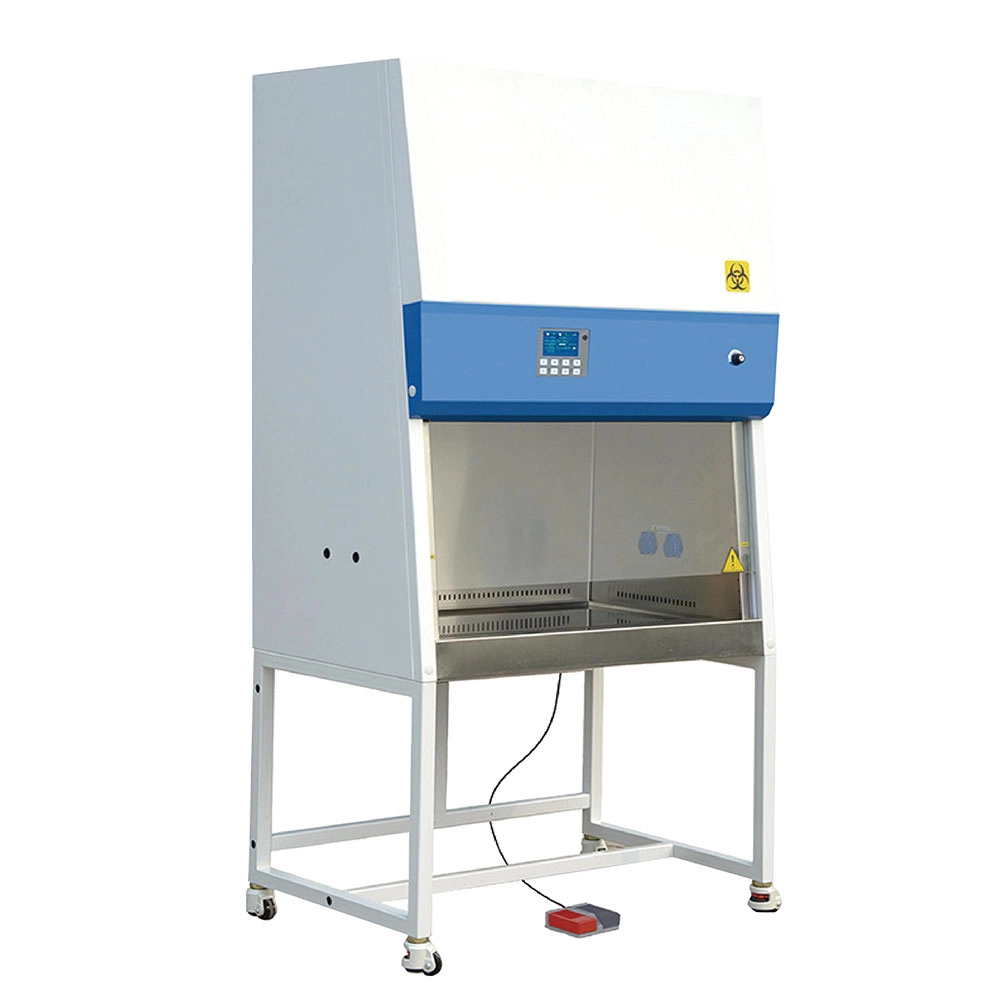
Fume cupboards, also known as fume hoods, are essential components in laboratory environments, providing localized ventilation to protect personnel from hazardous fumes, vapors, and dust. Selecting and integrating the right fume cupboard is crucial for laboratory safety, compliance, and operational efficiency. This guide addresses key considerations for laboratory professionals in the procurement and integration of fume cupboards, as well as optimal bench height and layout design around these units.
1. What Are the Different Types of Fume Cupboards?
Fume cupboards come in various types, each suited to specific laboratory applications:
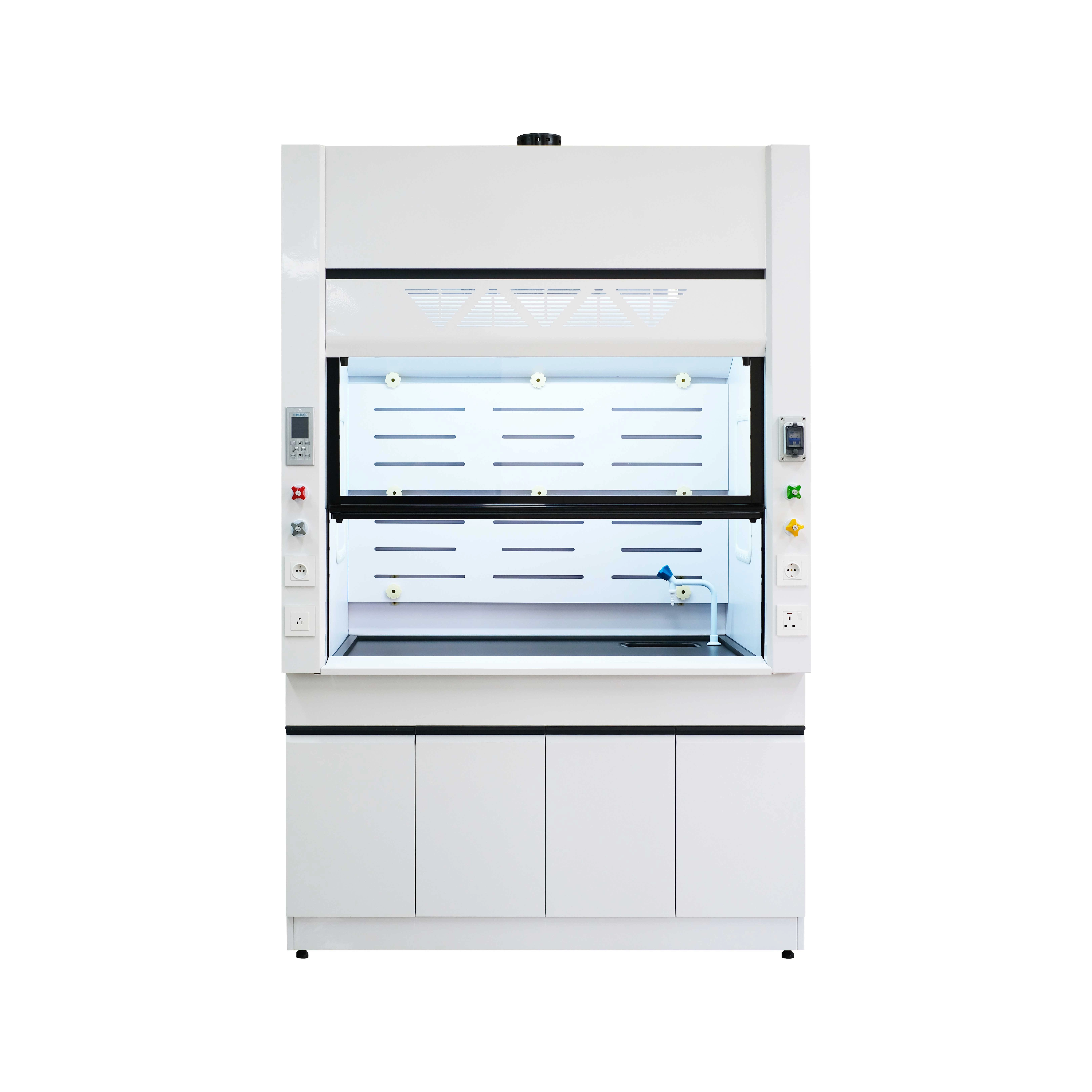
Ducted Fume Cupboards: These units exhaust contaminated air to the outside, ensuring the removal of hazardous substances from the laboratory environment.
Ductless (Recirculating) Fume Cupboards: Equipped with filtration systems, these units recirculate air back into the laboratory after removing contaminants. They are suitable for handling low-to-moderate risk substances.
Walk-in Fume Cupboards: Designed for large-scale operations, these units allow personnel to work inside the hood, providing ample space for extensive equipment and processes.
Laminar Flow Fume Cupboards: These provide a continuous flow of air to protect sensitive processes from contamination, commonly used in cleanroom environments.
Selecting the appropriate type depends on the specific laboratory requirements, including the nature of the work and the substances handled.
2. How Do I Determine the Appropriate Size and Dimensions?
The size and dimensions of a fume cupboard should accommodate the laboratory's workflow and equipment needs:
Workspace Requirements: Ensure the hood provides sufficient space for all necessary equipment and materials.
Available Laboratory Space: Measure the designated area to ensure the fume cupboard fits comfortably without obstructing other laboratory functions.
Airflow Considerations: Larger hoods require higher airflow rates, which can impact energy consumption and operational costs.
It's essential to balance the need for adequate workspace with the constraints of the laboratory environment and energy efficiency goals.
3. What Ventilation System Should Be Used?
The ventilation system is critical for the effective operation of a fume cupboard:
Airflow Rate: Determine the necessary airflow to maintain a safe face velocity, typically around 100 linear feet per minute (lfpm), to effectively contain hazardous substances.
Exhaust System: Decide between ducted systems, which expel air outside, and ductless systems, which filter and recirculate air within the laboratory.
Compatibility: Ensure the chosen system integrates seamlessly with the laboratory's existing HVAC infrastructure.
Proper ventilation is essential for maintaining air quality and ensuring the safety of laboratory personnel.
4. What Materials Are Suitable for Fume Cupboard Construction?
The construction material affects the durability, chemical resistance, and maintenance of the fume cupboard:
Stainless Steel: Offers high durability and resistance to corrosion, making it suitable for a wide range of chemicals.
Polypropylene: Provides excellent chemical resistance, particularly against acids and bases, and is lightweight.
Epoxy-Coated Steel: Combines the strength of steel with a protective coating to resist chemical damage.
Selecting the appropriate material depends on the specific chemicals and processes involved in the laboratory.
5. How Do I Integrate Fume Cupboards with Laboratory Building Management Systems?
Integrating fume cupboards with building management systems enhances operational efficiency and safety:
Automated Controls: Implement sensors and controllers to monitor and adjust airflow, sash positions, and lighting based on real-time conditions.
Energy Management: Use integration to optimize energy consumption by adjusting ventilation rates during periods of low activity.
Data Logging: Collect data on usage patterns and performance metrics to inform maintenance schedules and operational decisions.
Effective integration requires collaboration between laboratory personnel, HVAC engineers, and IT specialists to ensure seamless operation.
6. How Should Laboratory Benches Be Designed Around Fume Cupboards?
The design of laboratory benches around fume cupboards is crucial for safety and functionality:
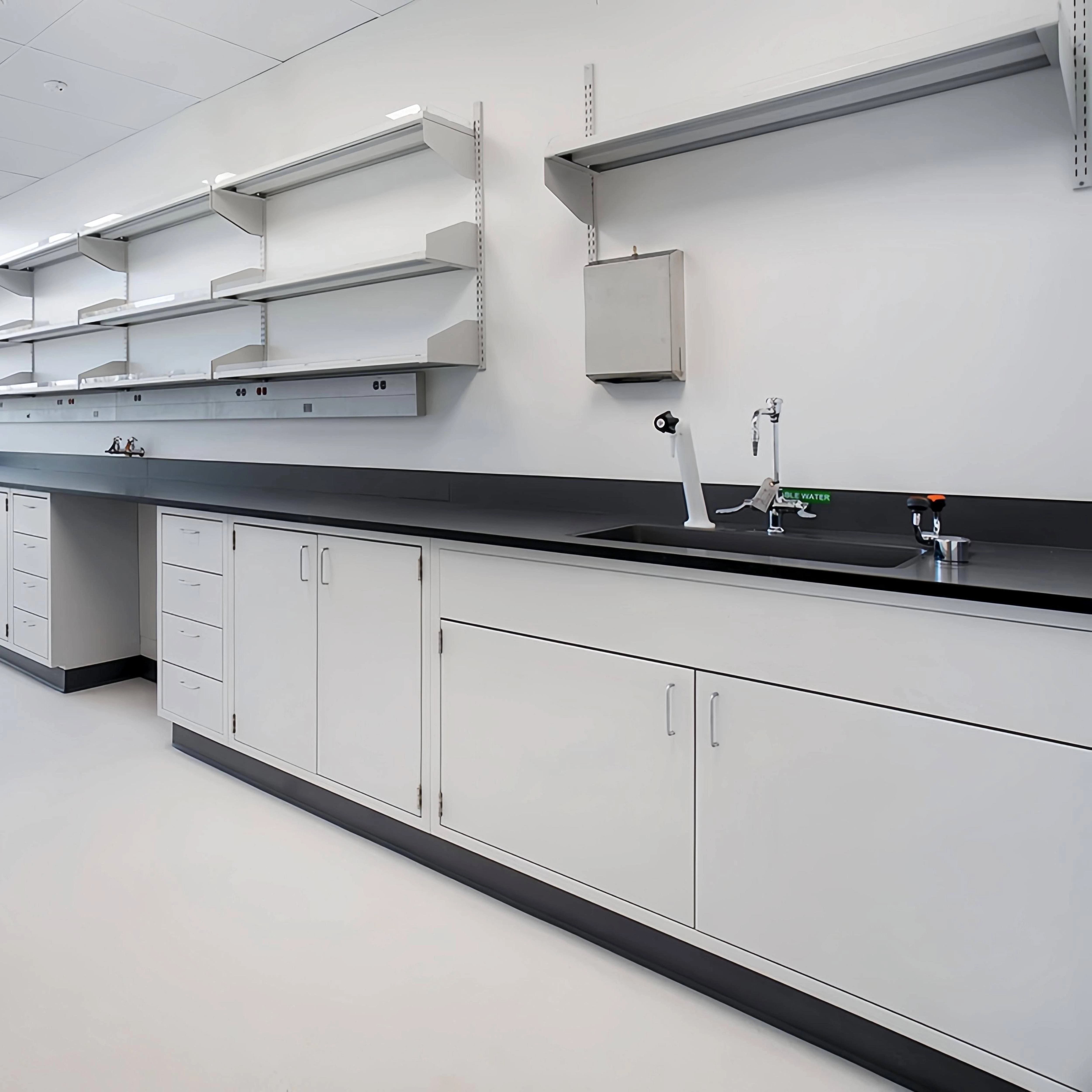
Bench Height: The standard height for laboratory benches is typically 36 inches (91.4 cm) from the floor. This height aligns with the sash height of most fume cupboards, ensuring ergonomic access and safety.
Layout Considerations: Position benches adjacent to fume cupboards to facilitate easy transfer of materials and minimize the risk of contamination. Ensure that the layout allows for unobstructed airflow into the fume cupboard.
Clearance Space: Maintain adequate clearance between the bench and the fume cupboard to allow for the full range of sash movement and to prevent airflow disruption.
Utility Integration: Plan for the integration of utilities such as gas, water, and electricity in the bench design to support equipment used within the fume cupboard.
Proper bench design enhances laboratory efficiency and ensures the safety of personnel working with hazardous materials.
7. What Are the Safety Standards and Compliance Requirements?
Adhering to safety standards and compliance requirements is essential:
Face Velocity: Laboratory fume hoods shall provide a minimum average effective face velocity of 100 feet per minute (fpm), with a minimum of 70 fpm at any point.
Certification: Fume hoods must be regularly tested and certified to ensure they meet performance standards.
Material Construction: Fume hood interior surfaces shall be constructed of corrosion-resistant, non-porous, non-combustible materials such as type 316 stainless steel.
Compliance with these standards ensures the safety and effectiveness of laboratory operations.
8. How Do I Ensure Proper Maintenance and Longevity of Fume Cupboards?
Regular maintenance is key to the longevity of fume cupboards:
Routine Inspections: Conduct regular inspections to identify and address issues such as airflow irregularities, sash malfunctions, or structural damage.
Filter Replacement: For ductless fume cupboards, replace filters according to the manufacturer's recommendations to maintain effective contaminant removal.
Cleaning Protocols: Establish cleaning protocols to prevent the buildup of hazardous substances and to maintain a safe working environment.
Professional Servicing: Engage qualified professionals for servicing and calibration to ensure optimal performance.
Proper maintenance extends the lifespan of fume cupboards and ensures ongoing safety and compliance.
Conclusion: Why Choose MAXLAB for Your Laboratory Furniture Needs?
MAXLAB specializes in laboratory furniture and equipment, including lab benches, fume hoods, storage cabinets, lab accessories, and custom lab solutions. With over 15 years of export experience, we have served clients in more than 60 countries and regions. Our products are CE certified and comply with international quality standards, ensuring durability and safety. We offer customization options to meet specific laboratory requirements, providing tailored solutions for your needs. ((https://www.maxlabfurniture.com/guides/essential-guide-to-fume-cupboards-selection-compliance-and-best-practices/))
For more information or to request a quote, please contact us at ada@maxlabfurniture.com or visit our website at www.maxlabfurniture.com.
Why We Choose to Be Your Lab Furniture Solution Provider, Not Just a Manufacturer

2026 HAPPY NEW YEAR
Electronics Lab Bench vs Chemistry Lab Bench: What You Need to Know

Merry Christmas!
FAQS
How can I request a quote?
Simply contact us or fill out our online form with your project details. Our team will respond promptly with a free quote.
For After-Sales Support
How about your after sale service?
We will reply you within 24 hours by email or phone.
If we have local agent,we will arrange him to your site within 24 hours to assist you to shoot the problem.
About Solution
What is the warranty policy of the product?
We provide 1-3 years warranty service, depending on the product type. Meanwhile, comprehensive after-sales support is provided, including repair and replacement services.
For Customization
Do you offer custom colors for lab furniture?
Yes, we offer a range of color options for laboratory furniture to match your lab’s aesthetic requirements or branding.
For Company
Can I visit your factory or showroom?
Yes, we welcome visits to our showroom and production facility. Please contact us in advance to schedule an appointment.

Get in touch with us
If you have any comments or good suggestions, please leave us a message; later our professional staff will contact you as soon as possible.

 Scan QR Code
MaxLabFurniture
MaxLab Furniture
daihongada
Max Laboratory