
Resource
- Understanding Fume Cupboards: Key Considerations
- 1. What are the primary types of fume cupboards?
- 2. What factors should be considered when procuring a fume cupboard?
- 3. How can the performance of a fume cupboard be evaluated?
- 4. What are the common issues affecting fume cupboard performance?
- 5. What are the emergency features that a fume cupboard should include?
- 6. How can laboratory design enhance safety in conjunction with fume cupboards?
- 7. What are the regulatory standards for fume cupboards?
- 8. How can laboratory personnel ensure the safe use of fume cupboards?
- Conclusion: The MAXLAB Advantage
What emergency features should a fume cupboard laboratory include?
Fume cupboards, also known as fume hoods, are vital components in laboratory environments, designed to protect users from hazardous fumes, vapors, and airborne particles. Selecting the appropriate fume cupboard and understanding its emergency features are crucial for maintaining a safe and efficient laboratory.
Understanding Fume Cupboards: Key Considerations
1. What are the primary types of fume cupboards?
Fume cupboards are primarily categorized into two types:
Ducted Fume Cupboards: These are the most commonly used and are connected to an external ventilation system, expelling hazardous substances outside the building.
Recirculating (Filtered) Fume Cupboards: These units filter the air and recirculate it back into the laboratory. They are suitable for substances that do not pose a significant health risk.
Specialized fume cupboards are also available for specific applications, such as handling perchloric acid or radioisotopes.
2. What factors should be considered when procuring a fume cupboard?
When selecting a fume cupboard, consider the following factors:
Type of Work: Determine the nature of the chemicals and processes involved to choose between ducted or recirculating models.
Airflow Requirements: Ensure the fume cupboard provides adequate airflow to effectively capture and remove contaminants.
Size and Configuration: Select a size that accommodates the equipment and materials used, with sufficient workspace.
Compliance with Standards: Verify that the fume cupboard meets relevant safety and performance standards.
Maintenance and Support: Consider the availability of maintenance services and after-sales support.
Engaging with reputable suppliers who offer comprehensive support can enhance the procurement process. ((https://www.maxlabfurniture.com/guides/fume-cupboards-essential-guide/))
3. How can the performance of a fume cupboard be evaluated?
Regular performance evaluations are essential to ensure the fume cupboard operates effectively:
Face Velocity Measurement: Measure the airflow velocity at the sash opening to ensure it meets the required standards.
Visual Inspection: Check for any obstructions, damage, or signs of wear.
Maintenance Records: Review maintenance logs to ensure timely servicing and repairs.
Institutions like Princeton University conduct annual surveys to assess fume hood performance, providing valuable data for maintenance decisions.
4. What are the common issues affecting fume cupboard performance?
Common issues include:
Obstructions: Items placed inside the cupboard can block airflow, reducing efficiency.
Mechanical Failures: Faulty components can lead to inadequate performance.
Improper Use: Incorrect operation, such as leaving the sash open when not in use, can compromise safety.
Regular inspections and adherence to operational guidelines can mitigate these issues.
5. What are the emergency features that a fume cupboard should include?
Fume cupboards should be equipped with several emergency features to enhance laboratory safety:
Emergency Power Off (EPO) Button: Located near the laboratory entrance, this button shuts off the natural gas supply in emergencies, preventing potential hazards.
Chemical Fume Hood Purge Button: This feature increases airflow inside the hood to exhaust more air out of the hood and the lab, especially useful during chemical spills or strong odors.
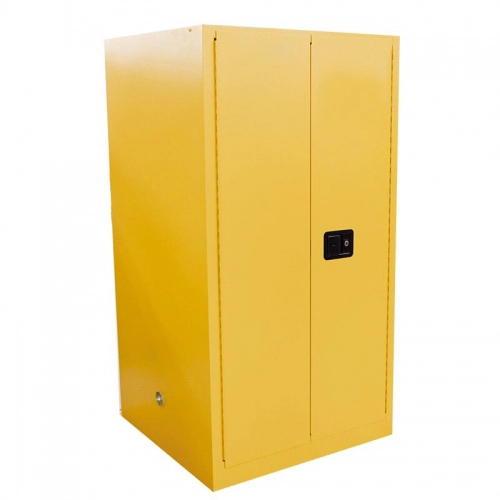
Self-Closing Doors: Safety cabinets with self-closing doors ensure that, in the event of a fire, the doors close automatically to prevent the spread of flames.
Fusible Links: These links hold doors open during normal operation and melt at a specific temperature (e.g., 165°F or 74°C) to allow doors to close automatically in case of fire.
Emergency Lighting: Provides illumination during power outages, ensuring safe evacuation and operation of emergency equipment.
Safety Showers and Eyewashes: Installed in laboratories to provide immediate decontamination in case of chemical spills or splashes.
6. How can laboratory design enhance safety in conjunction with fume cupboards?
Proper laboratory design complements the safety features of fume cupboards:
Adequate Ventilation: Ensures effective removal of airborne contaminants.
Clear Signage: Indicates emergency exits, equipment locations, and hazard warnings.
Ergonomic Layout: Reduces the risk of accidents and enhances user comfort.
Institutions like the University of Kentucky provide guidelines for laboratory design and emergency equipment to ensure safety and compliance.
7. What are the regulatory standards for fume cupboards?
Fume cupboards must comply with various safety standards, including:
ANSI/ASHRAE Standard 110: Specifies performance criteria for fume hoods.
OSHA Regulations: Sets forth requirements for laboratory ventilation.
Local Building Codes: May have additional requirements for laboratory safety features.
Adhering to these standards ensures the fume cupboard operates effectively and safely.
8. How can laboratory personnel ensure the safe use of fume cupboards?
Laboratory personnel can ensure safe use by:
Regular Training: Understanding the proper operation and maintenance of fume cupboards.
Routine Inspections: Checking for any issues or obstructions that may affect performance.
Adhering to Protocols: Following established safety procedures and guidelines.
The University of Bath provides detailed guidance on the safe use of fume cupboards, emphasizing the importance of proper operation and maintenance.
Conclusion: The MAXLAB Advantage
When selecting laboratory furniture, including fume cupboards, MAXLAB stands out as a leading provider. MAXLAB offers a comprehensive range of high-quality, customizable laboratory furniture solutions designed to meet diverse research needs. Their commitment to safety, compliance with international standards, and exceptional after-sales support make them a preferred choice for laboratories worldwide.
By choosing MAXLAB, laboratories can ensure they are equipped with reliable and efficient fume cupboards that enhance safety and operational efficiency.
For more information on MAXLAB's products and services, visit their official website.
Note: The information provided in this article is based on current industry standards and practices as of December 2025.
Data sources include: University of Bath, University of Kentucky, University of Vermont, Justrite, and the Health and Safety Executive.
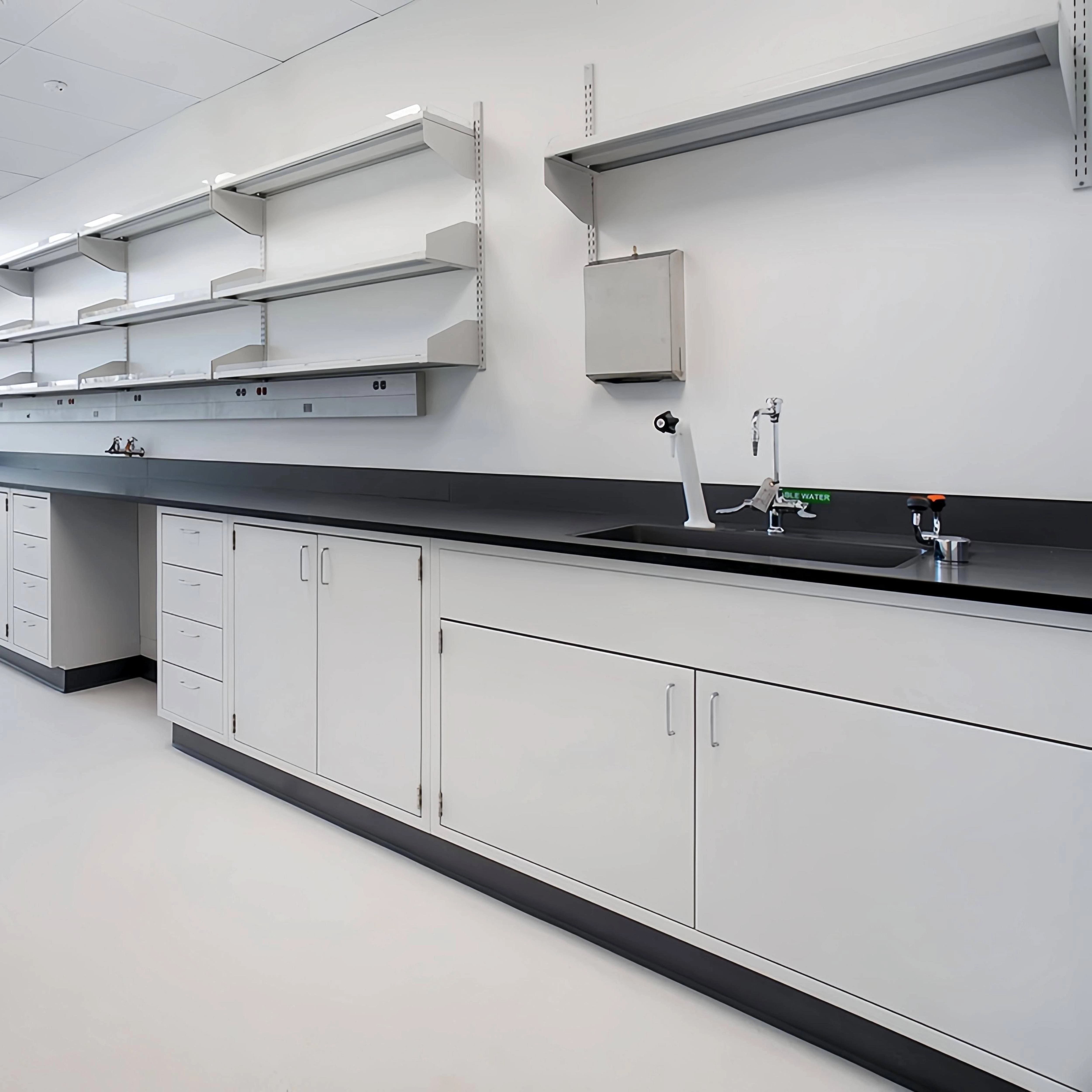
Why We Choose to Be Your Lab Furniture Solution Provider, Not Just a Manufacturer

Merry Christmas!
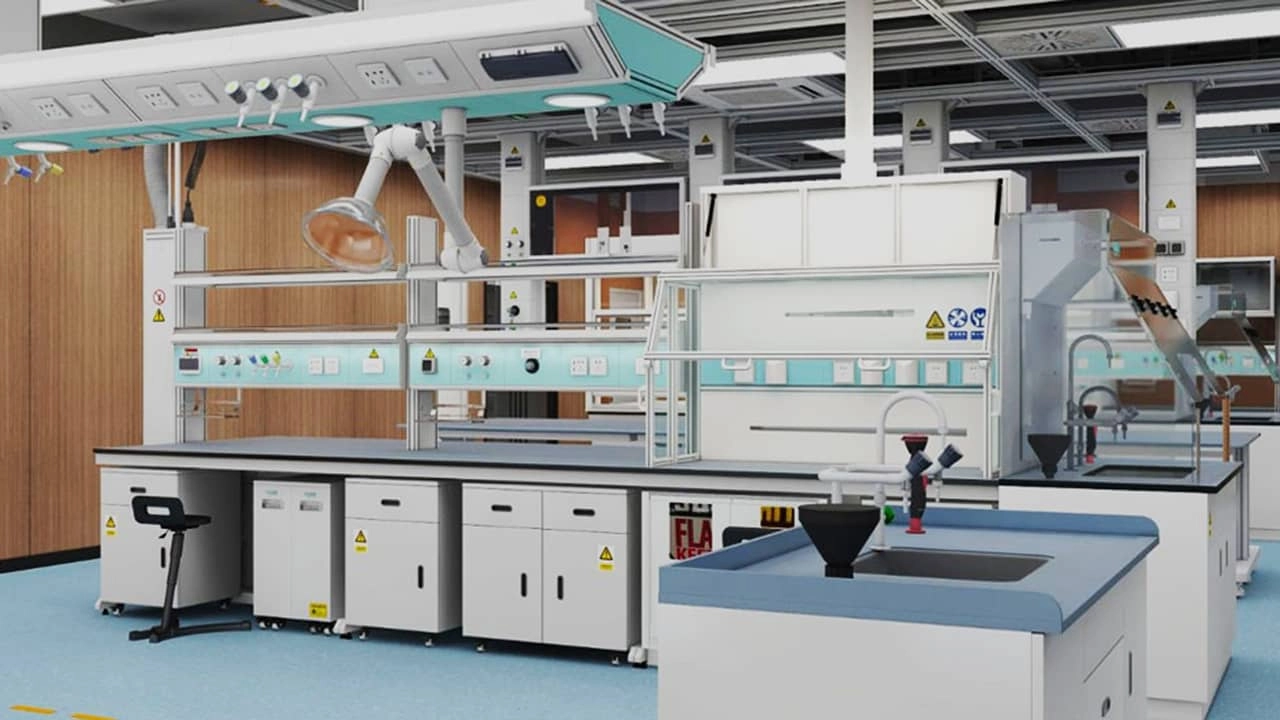
Electronics Lab Bench vs Chemistry Lab Bench: What You Need to Know
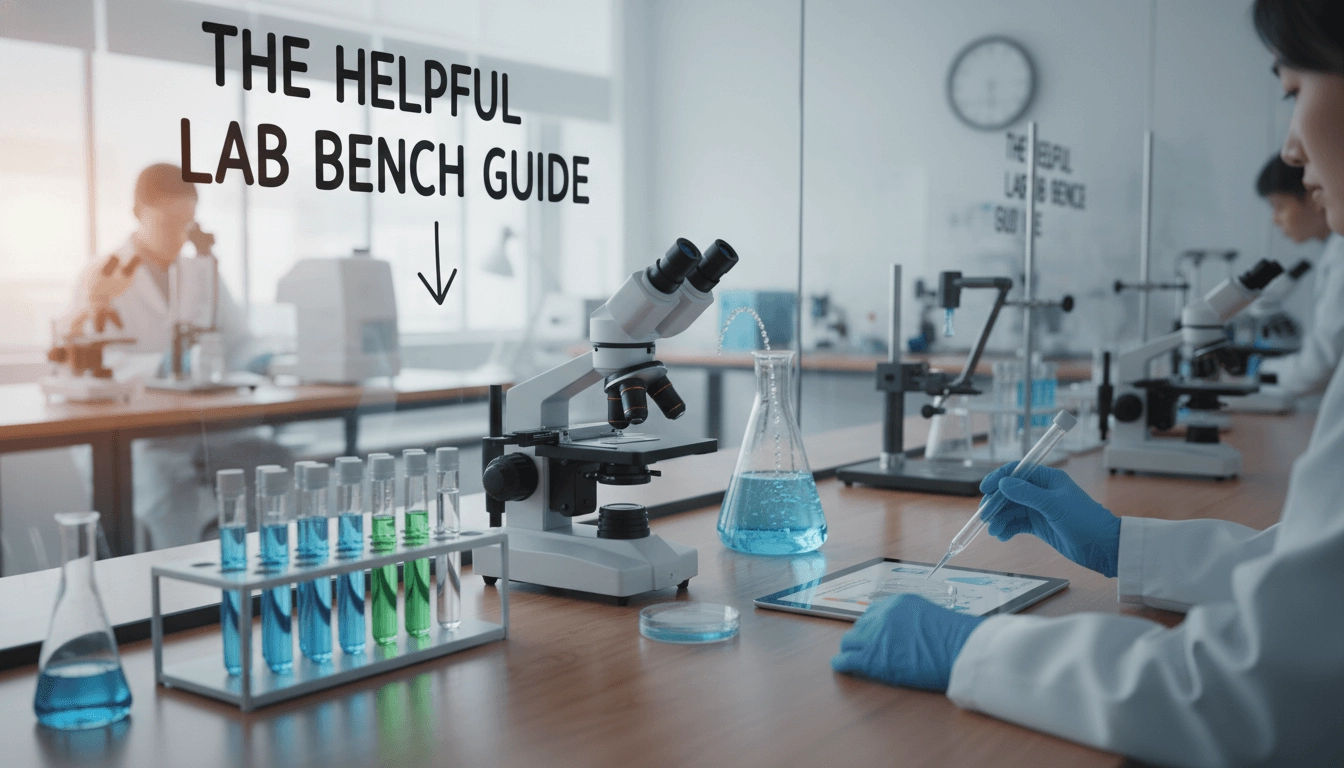
Choosing the Right Lab Bench for Your Research Needs: 2026 Guide
For Logistics
Do you offer express shipping options?
Yes, we offer express shipping for urgent orders. Please contact our sales team to inquire about availability and additional costs.
For After-Sales Support
What do I do if I am not satisfied with my purchase?
We strive to ensure customer satisfaction. If you are not happy with your purchase, please contact us, and we will do our best to resolve any concerns.
What happens if my product is damaged during delivery?
If your product is damaged during shipping, please contact our customer service team immediately. We will arrange for a replacement or repair at no additional cost.
For Products
Do you provide laboratory tables with built-in power outlets?
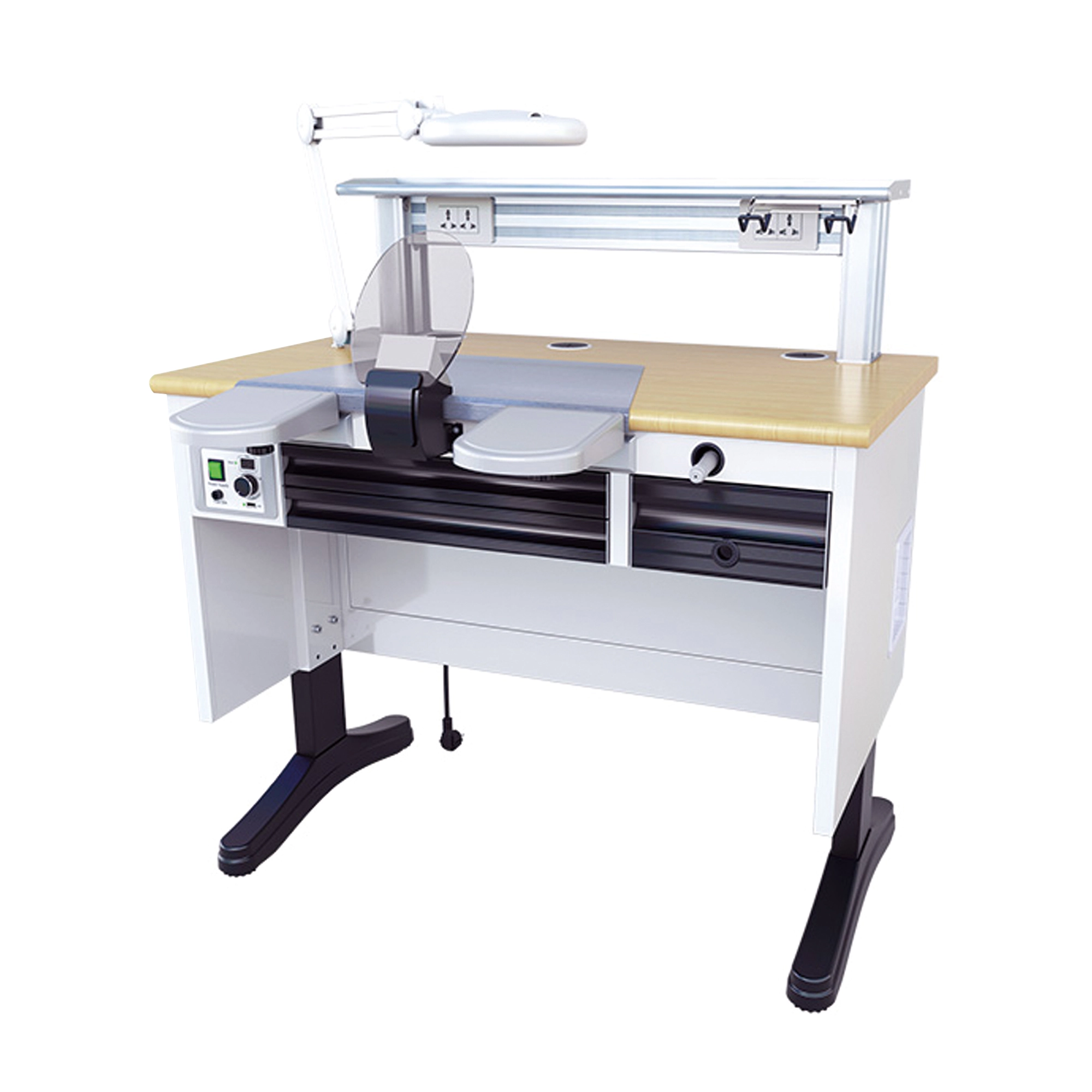
Yes, we offer lab tables with integrated electrical outlets, power strips, and other features to support your laboratory's equipment needs.

Get in touch with us
If you have any comments or good suggestions, please leave us a message; later our professional staff will contact you as soon as possible.

 Scan QR Code
MaxLabFurniture
MaxLab Furniture
daihongada
Max Laboratory