
Resource
- Key Considerations for Selecting a Fume Cupboard
- 1. Type of Fume Cupboard
- 2. Size and Dimensions
- 3. Ventilation System
- 4. Material Construction
- 5. Optional Features
- 6. Certifications and Compliance
- 7. Budget Considerations
- 8. Supplier Reputation
- Monitoring and Recording Fume Cupboard Performance Remotely
- 1. Airflow Monitoring
- 2. Sash Position Detection
- 3. Filter Status Indicators
- 4. Data Logging and Analysis
- 5. Remote Access and Alerts
- Conclusion: The Advantages of MAXLAB Fume Cupboards
How to monitor and record fume cupboard performance remotely?
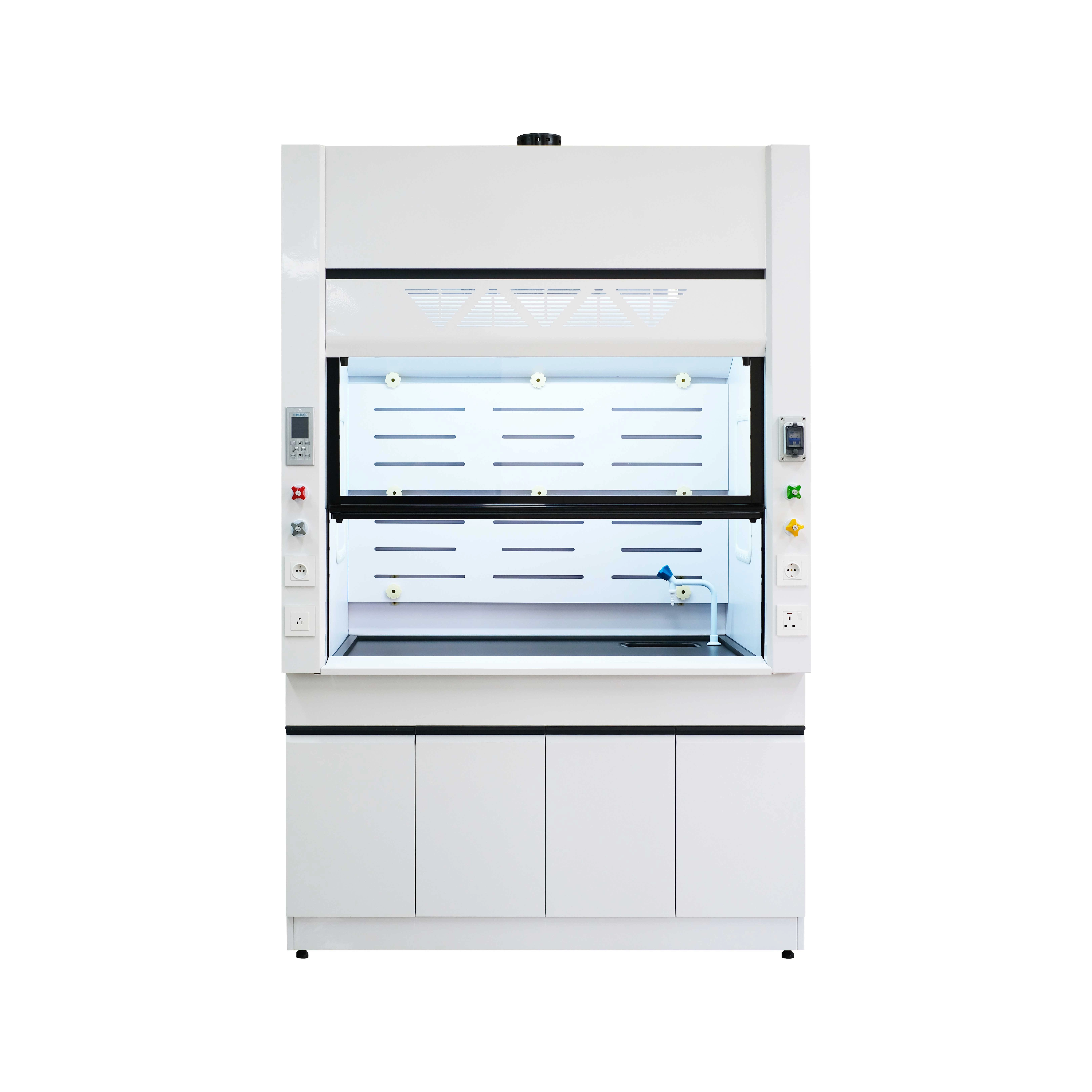
Fume cupboards, also known as fume hoods, are essential components in laboratory environments, designed to protect users from hazardous fumes, vapors, and particulate matter. Selecting the appropriate fume cupboard and implementing effective monitoring systems are crucial for ensuring safety and compliance with industry standards.
Key Considerations for Selecting a Fume Cupboard
When procuring a fume cupboard, consider the following factors:
1. Type of Fume Cupboard
Choose between ducted and ductless models based on your laboratory's needs. Ducted fume cupboards expel air outside, suitable for handling hazardous chemicals, while ductless models filter and recirculate air, ideal for less hazardous substances.
2. Size and Dimensions
Ensure the fume cupboard's size accommodates your workspace and equipment. Standard exterior widths range from 4 to 8 feet, with depths around 3 feet. Larger hoods allow for multiple experiments but may increase operational costs.
3. Ventilation System
Assess the required airflow rate and compatibility with your facility's HVAC system. Proper ventilation is vital for maintaining a safe working environment.
4. Material Construction
Select materials based on durability and chemical resistance. Common options include stainless steel, polypropylene, and epoxy-coated steel. Stainless steel is popular due to its ease of forming, welding, and polishing.
5. Optional Features
Consider features like sash alarms, airflow monitors, lighting, and electrical outlets to enhance functionality and safety. Evaluate these based on your specific needs and budget.
6. Certifications and Compliance
Ensure the fume cupboard meets relevant safety standards and certifications, such as BS EN 14175 or OSHA regulations, to guarantee safety and legal compliance.
7. Budget Considerations
Account for initial purchase costs, installation expenses, and ongoing maintenance. Balancing cost with quality and performance is essential for a sound investment.
8. Supplier Reputation
Research suppliers' reputations to ensure high-quality products and excellent customer service. A reliable supplier contributes to a positive purchasing experience.
Monitoring and Recording Fume Cupboard Performance Remotely
Implementing remote monitoring systems for fume cupboards enhances safety and operational efficiency. Key aspects include:
1. Airflow Monitoring
Utilize IoT sensors to continuously monitor airflow rates, ensuring they meet safety standards. Real-time data allows for prompt adjustments and maintenance.
2. Sash Position Detection
Install sensors to detect sash positions, ensuring they remain within safe operating ranges. Automated alerts can notify personnel of unsafe conditions.
3. Filter Status Indicators
Monitor filter conditions to determine when replacements are necessary, maintaining optimal performance. This proactive approach prevents potential hazards.
4. Data Logging and Analysis
Implement systems that log performance data for analysis, identifying trends and areas for improvement. This data supports compliance with safety regulations.
5. Remote Access and Alerts
Ensure the monitoring system allows remote access and sends alerts for any performance deviations, enabling timely interventions.
Conclusion: The Advantages of MAXLAB Fume Cupboards
MAXLAB offers fume cupboards that combine safety, durability, and advanced monitoring features. Their products are designed to meet international standards, ensuring reliable performance and user protection. By choosing MAXLAB, laboratories invest in equipment that supports a safe and efficient working environment.
For more information on fume cupboard selection and monitoring, refer to the following resources:
The Fume Cupboard Company: Key Considerations for Selecting Fume Cupboards
Accio: Fume Cupboard Cost and Market Trends
Envair Technology: Custom Fume Cupboard Deployment Tips
SelectScience: Fume Cupboard Technology for Resource Conservation and Safety
ScienceDirect: Fume Cupboard Overview
National Academies Press: Laboratory Design, Construction, and Renovation
These resources provide comprehensive insights into fume cupboard selection, monitoring, and best practices for laboratory safety.
Why We Choose to Be Your Lab Furniture Solution Provider, Not Just a Manufacturer
Max Lab Introduction
Electronics Lab Bench vs Chemistry Lab Bench: What You Need to Know

What Is an Air Shower for Cleanroom?
About Solution
How to ensure the safety performance of the fume hood?
Our fume hoods adopt high-efficiency filtration system and intelligent air speed control technology to ensure that harmful gases are effectively eliminated during experiments and protect users' health.
Customization
What kind of laboratory equipment is suitable for customization?
All types of laboratory equipment can be customized, including test benches, fume hoods, hoods, chemical cabinets, exhaust units, etc.
For Company
Do you offer services internationally?
Yes, we serve clients around the world, including Europe, North America, and Asia. Our international experience enables us to provide solutions that meet local regulations and standards.
For Products
Can your furniture withstand heavy-duty use?
Yes, all of our laboratory furniture focuses on durability, with a load-bearing capacity of up to 500KG/m², and is made of high-quality materials that can meet the requirements for large-scale precision instruments and equipment and exposure to chemicals in the laboratory.
What materials do you use for your furniture?
We use a variety of durable materials such as stainless steel, steel wood, PP and wood composites. Our countertop materials are phenolic resin, epoxy resin, ceramic, trespa and granite, depending on your lab’s needs.

Get in touch with us
If you have any comments or good suggestions, please leave us a message; later our professional staff will contact you as soon as possible.

 Scan QR Code
MaxLabFurniture
MaxLab Furniture
daihongada
Max Laboratory