
Resource
- Comprehensive Guide to Fume Cupboard Procurement and Success Metrics
- 1. What are the essential standards and certifications for laboratory fume cupboards?
- 2. How do I assess the performance of a fume cupboard?
- 3. What are the key performance indicators (KPIs) for fume cupboard projects?
- 4. How can I ensure the fume cupboard is energy-efficient?
- 5. What are the common challenges in fume cupboard procurement?
- 6. How do I select the right supplier for a fume cupboard?
- 7. What are the latest trends in fume cupboard technology?
- 8. How do I ensure compliance with safety regulations in fume cupboard procurement?
- Conclusion: The Advantages of MAXLAB Fume Cupboards
What procurement KPIs measure success for fume cupboard projects?
Comprehensive Guide to Fume Cupboard Procurement and Success Metrics
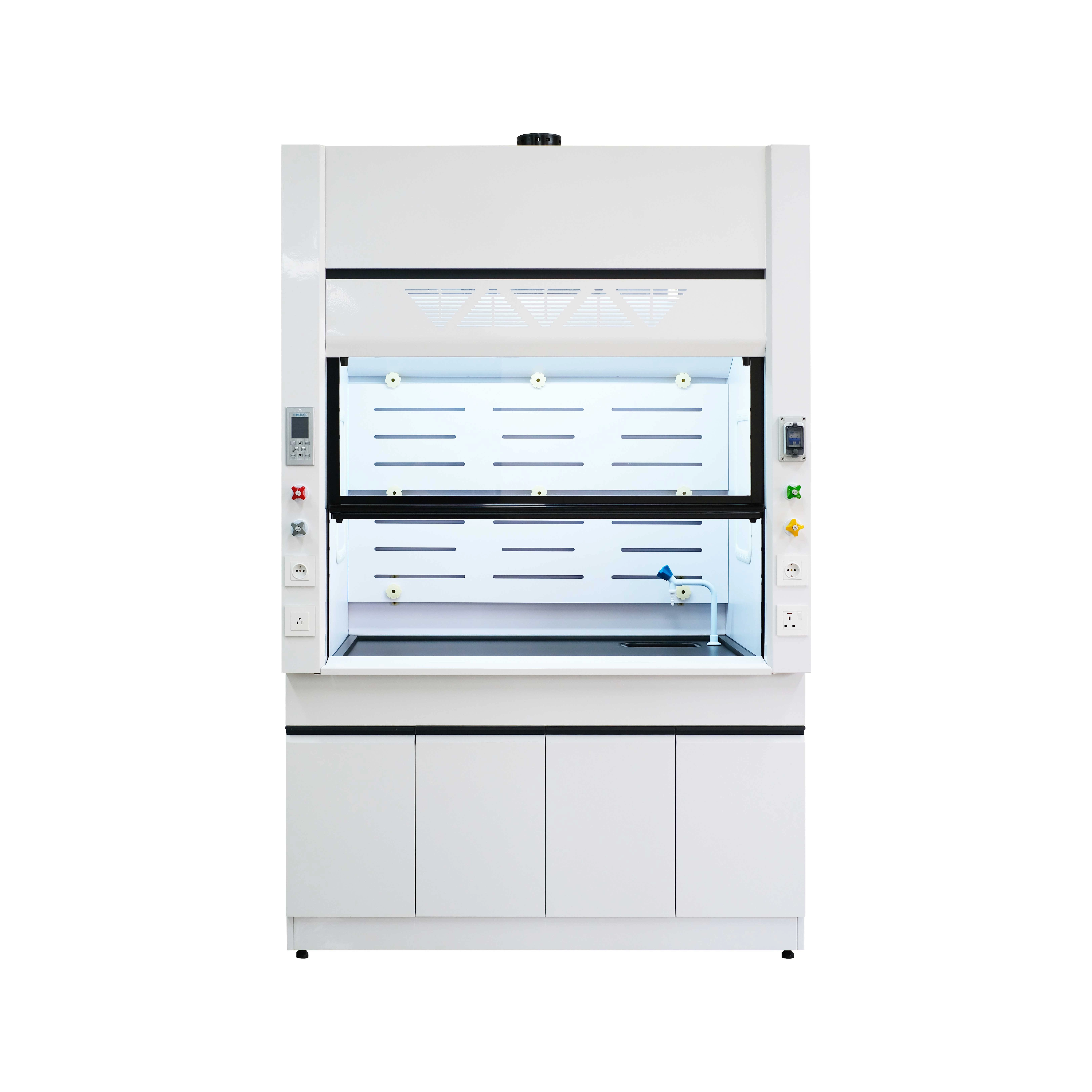
Laboratory fume cupboards are vital for maintaining safety and air quality in research environments. When procuring these units, it's crucial to consider various factors to ensure optimal performance and compliance. Additionally, establishing clear Key Performance Indicators (KPIs) allows for effective monitoring and assessment of their success. Below are some common questions and answers to guide you through the procurement process and performance evaluation.
1. What are the essential standards and certifications for laboratory fume cupboards?
Laboratory fume cupboards must comply with international standards to ensure safety and performance. Key standards include:
ANSI/ASHRAE 110: Specifies performance requirements for laboratory fume hoods in the United States.
EN 14175: Provides performance standards for laboratory fume cupboards in Europe.
ISO 9001: Ensures quality management systems are in place for consistent product quality.
ISO 14001: Addresses environmental management, promoting sustainable practices.
OHSAS 18001: Focuses on occupational health and safety management systems.
Ensuring compliance with these standards guarantees that the fume cupboard meets safety, quality, and environmental requirements. ((https://www.maxlabfurniture.com/guides/fume-cupboard-laboratories-performance-metrics-procurement-insights/))
2. How do I assess the performance of a fume cupboard?
Assessing the performance of a fume cupboard involves evaluating several factors:
Airflow Visualization: Observing airflow patterns helps identify potential issues in containment and ventilation.
Face Velocity Measurements: Measuring the speed of air entering the fume cupboard ensures it meets required standards for effective containment.
Containment Efficiency: Testing how well the fume cupboard contains hazardous substances is crucial for safety.
Maintenance Requirements: Regular checks and maintenance are essential to ensure ongoing performance and safety.
Implementing a comprehensive assessment strategy that includes these factors allows for effective monitoring and maintenance of fume cupboard performance.
3. What are the key performance indicators (KPIs) for fume cupboard projects?
Key Performance Indicators (KPIs) for fume cupboard projects include:
Energy Efficiency: Monitoring energy consumption to ensure the fume cupboard operates efficiently, reducing operational costs.
Compliance Rate: Tracking adherence to relevant standards and regulations to maintain safety and quality.
Maintenance Frequency: Measuring how often maintenance is required to keep the fume cupboard in optimal condition.
User Satisfaction: Gathering feedback from laboratory personnel to assess the usability and effectiveness of the fume cupboard.
Operational Downtime: Monitoring periods when the fume cupboard is out of service to minimize disruptions in laboratory operations.
Establishing and monitoring these KPIs enables laboratory managers to evaluate the success of fume cupboard projects and make informed decisions for continuous improvement.
4. How can I ensure the fume cupboard is energy-efficient?
To enhance the energy efficiency of a fume cupboard:
Variable Air Volume (VAV) Systems: Implementing VAV systems adjusts airflow based on usage, reducing energy consumption during low-demand periods.
Energy-Efficient Materials: Selecting materials with good thermal insulation properties can help maintain internal temperatures and reduce energy usage.
Regular Maintenance: Ensuring that filters and components are clean and functioning optimally prevents energy waste.
Smart Controls: Utilizing digital controls and monitoring systems can optimize performance and energy use.
By integrating these strategies, laboratories can achieve significant energy savings and contribute to sustainability goals.
5. What are the common challenges in fume cupboard procurement?
Common challenges in fume cupboard procurement include:
Budget Constraints: Balancing the need for high-quality, compliant units with available funding.
Supply Chain Disruptions: Delays in manufacturing and delivery can impact project timelines.
Compliance with Standards: Ensuring that the fume cupboard meets all relevant standards and certifications can be complex.
Customization Needs: Tailoring the fume cupboard to specific laboratory requirements may require additional time and resources.
Addressing these challenges requires careful planning, clear communication with suppliers, and thorough evaluation of options to ensure the procurement process is successful.
6. How do I select the right supplier for a fume cupboard?
Selecting the right supplier involves:
Reputation and Experience: Choosing suppliers with a proven track record in providing high-quality laboratory furniture.
Compliance with Standards: Ensuring the supplier's products meet relevant international standards and certifications.
Customization Capabilities: Assessing the supplier's ability to customize the fume cupboard to meet specific laboratory needs.
Support and Service: Evaluating the level of customer support, including installation, maintenance, and warranty services.
Cost Considerations: Comparing pricing to ensure it aligns with the laboratory's budget while meeting quality and performance requirements.
By carefully evaluating these factors, laboratories can select a supplier that aligns with their needs and ensures the procurement of a reliable and effective fume cupboard. ((https://www.maxlabfurniture.com/article/fume-hood-procurement-guide-key-specs/))
7. What are the latest trends in fume cupboard technology?
Recent trends in fume cupboard technology include:
Smart Fume Cupboards: Integration of IoT sensors and monitoring systems for real-time data on air quality and performance.
Energy-Efficient Designs: Adoption of VAV systems and energy-saving materials to reduce operational costs and environmental impact.
Modular and Customizable Units: Increased demand for fume cupboards that can be tailored to specific laboratory requirements.
Sustainable Materials: Use of eco-friendly materials in construction to promote sustainability.
Staying informed about these trends helps laboratories make informed decisions and adopt technologies that enhance safety, efficiency, and sustainability.
8. How do I ensure compliance with safety regulations in fume cupboard procurement?
To ensure compliance with safety regulations:
Understand Applicable Standards: Familiarize yourself with relevant standards such as ANSI/ASHRAE 110 and EN 14175.
Verify Supplier Certifications: Confirm that the supplier's products are certified and meet the required standards.
Conduct Performance Testing: Implement testing procedures to verify the fume cupboard's performance and safety features.
Regular Maintenance and Audits: Establish a schedule for regular maintenance and safety audits to ensure ongoing compliance.
By proactively addressing these aspects, laboratories can maintain a safe working environment and adhere to regulatory requirements.
Conclusion: The Advantages of MAXLAB Fume Cupboards
MAXLAB offers fume cupboards that adhere to international standards, featuring advanced design elements for optimal airflow and containment. Their products are energy-efficient, easy to maintain, and equipped with essential safety features, making them a reliable choice for laboratory environments. By considering these performance metrics and procurement factors, laboratory managers can make informed decisions to ensure a safe and efficient working environment. ((https://www.maxlabfurniture.com/guides/fume-cupboard-laboratories-performance-metrics-procurement-insights/))
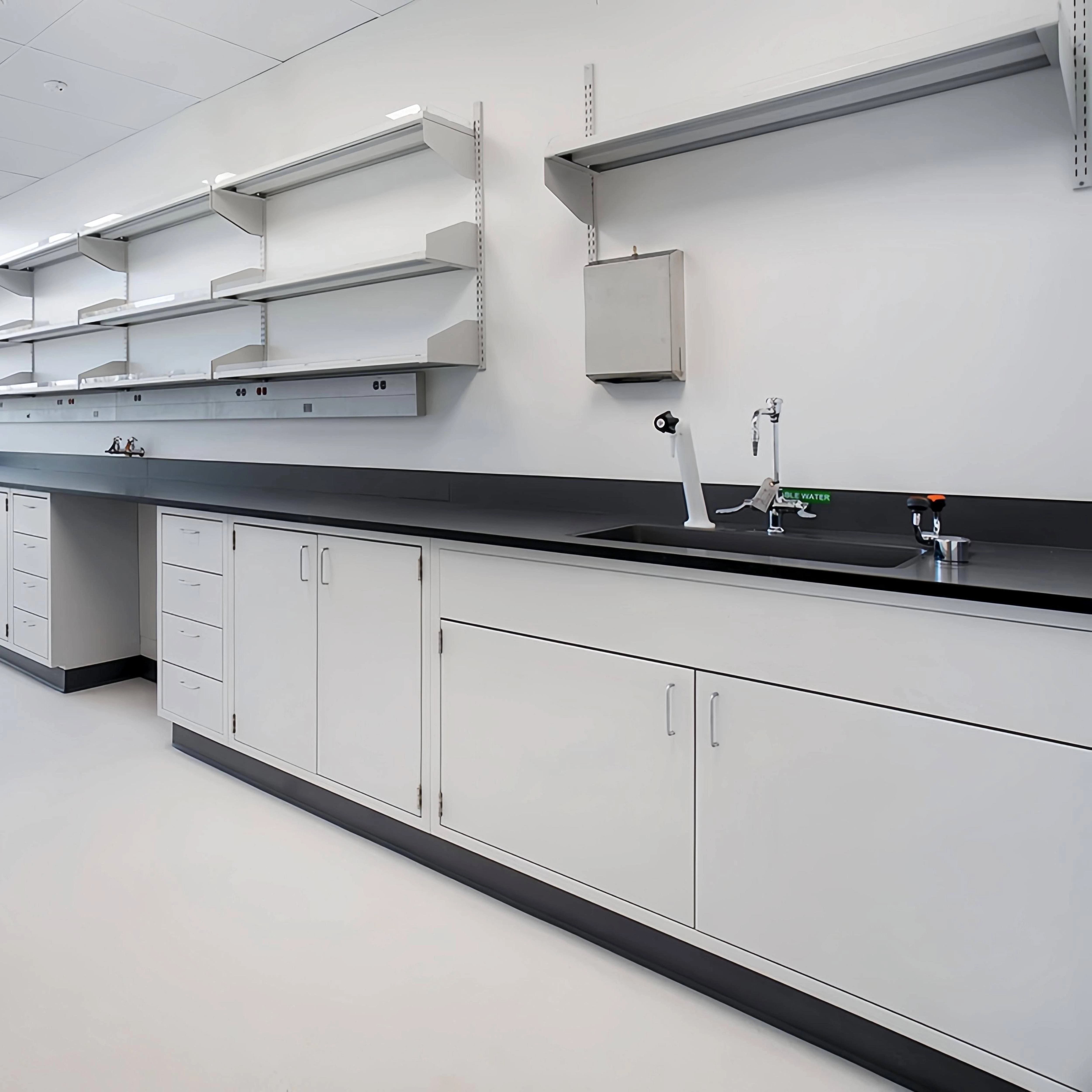
Why We Choose to Be Your Lab Furniture Solution Provider, Not Just a Manufacturer
Max Lab Introduction
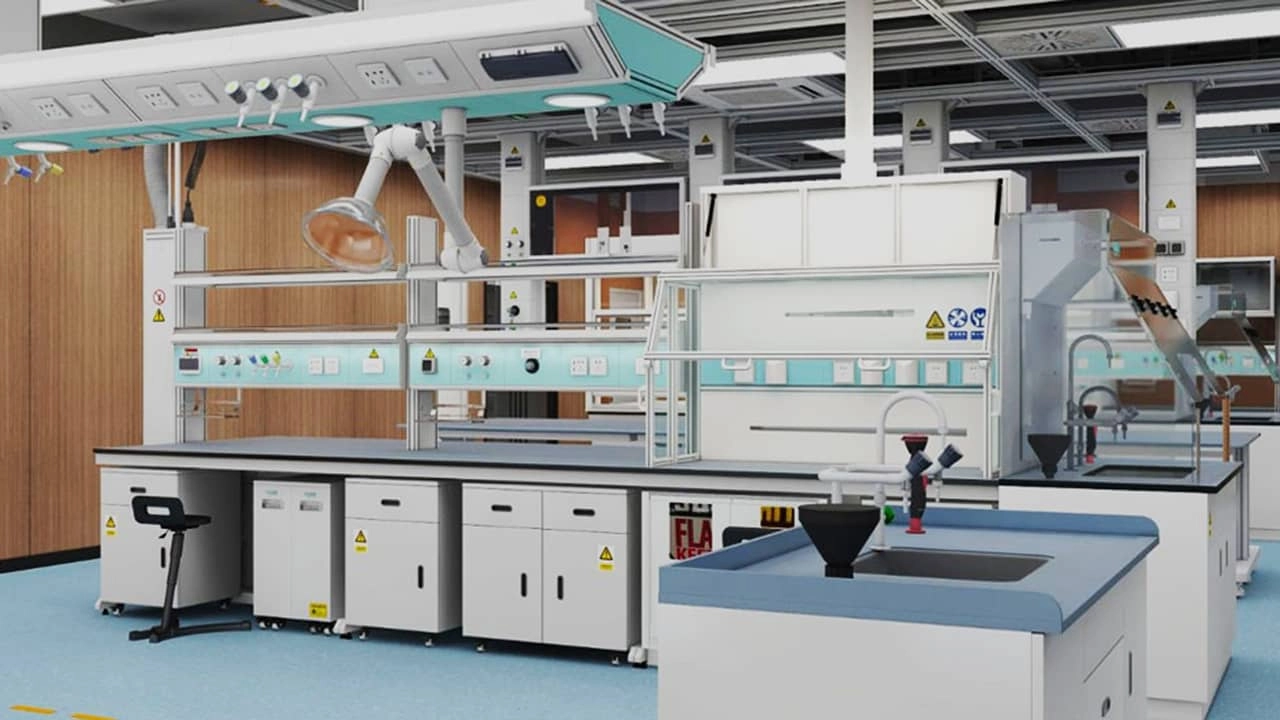
Electronics Lab Bench vs Chemistry Lab Bench: What You Need to Know
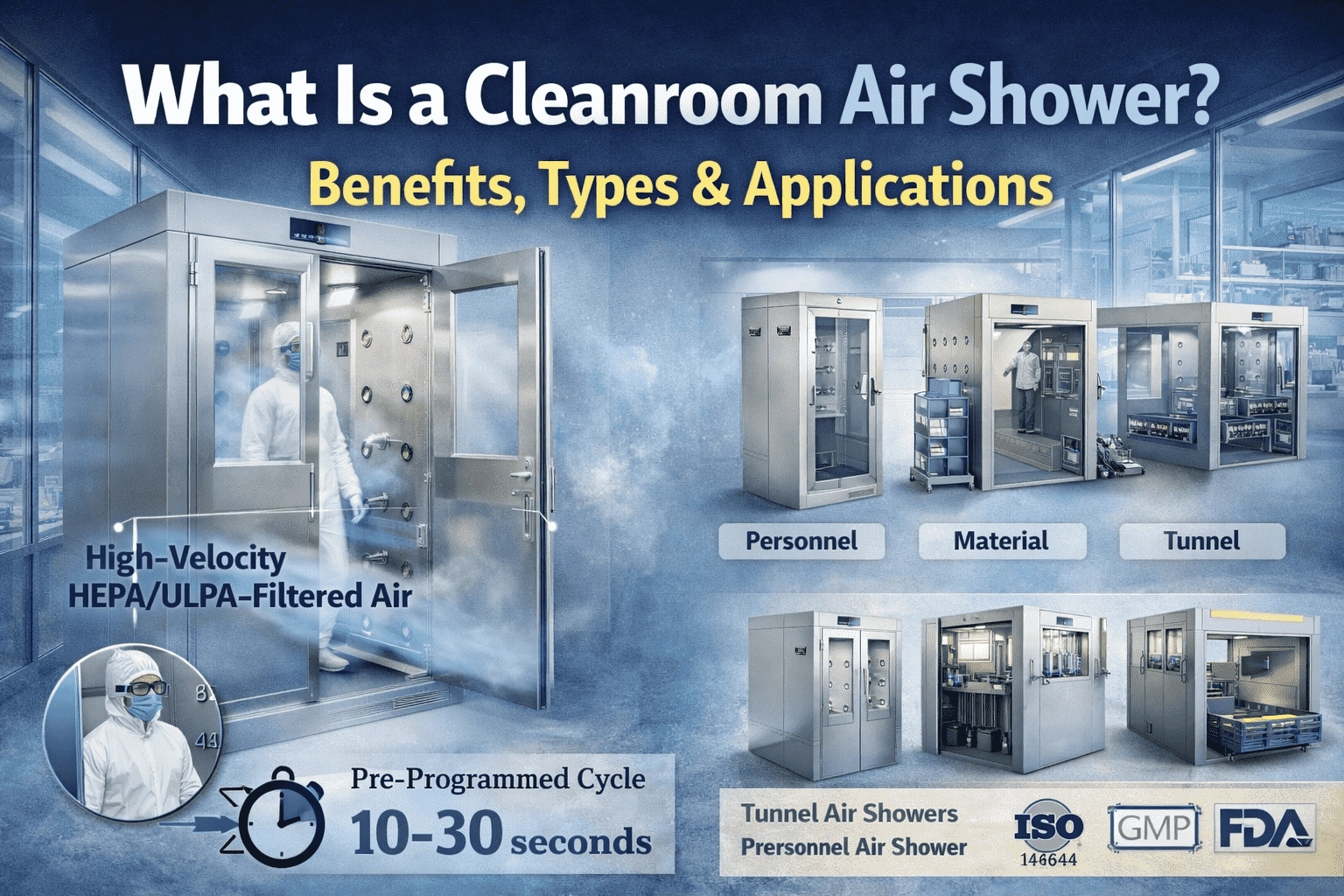
What Is an Air Shower for Cleanroom?
For Customization
Do you offer custom colors for lab furniture?
Yes, we offer a range of color options for laboratory furniture to match your lab’s aesthetic requirements or branding.
FAQS
Do you offer custom design services?
Yes, we provide full design support tailored to your lab’s specific needs, including layout planning and furniture customization.
For After-Sales Support
Can you help with product troubleshooting?
Yes, our customer support team is available to help with any issues or troubleshooting you may need for your laboratory equipment.
For Products
Can I change the size and color?
Yes, of course. Custom-made items are welcome, if you have any need, please feel free to contact us at anytime.
For Logistics
Do you offer international shipping?
Yes, we offer international shipping to most regions worldwide. Our logistics team ensures that all items are carefully packaged and delivered on time.

Get in touch with us
If you have any comments or good suggestions, please leave us a message; later our professional staff will contact you as soon as possible.

 Scan QR Code
MaxLabFurniture
MaxLab Furniture
daihongada
Max Laboratory