
Resource
- Comprehensive Guide to Fume Cupboard Procurement and Supplier Lead Time Evaluation
- 1. What are the different types of fume cupboards available?
- 2. How do I determine the appropriate size for a fume cupboard?
- 3. What are the key performance metrics to consider?
- 4. How do I evaluate supplier lead times for fume cupboard procurement?
- 5. What are the maintenance and operational costs associated with fume cupboards?
- 6. How do I ensure compliance with safety standards and regulations?
- 7. What are the latest trends in fume cupboard technology?
- 8. How do I assess the total cost of ownership for a fume cupboard?
How to evaluate supplier lead times for fume cupboard procurement?
Comprehensive Guide to Fume Cupboard Procurement and Supplier Lead Time Evaluation
Laboratories require specialized equipment to ensure safety and efficiency, with fume cupboards being a critical component. This guide addresses common questions related to fume cupboard procurement and offers strategies for evaluating supplier lead times.
1. What are the different types of fume cupboards available?
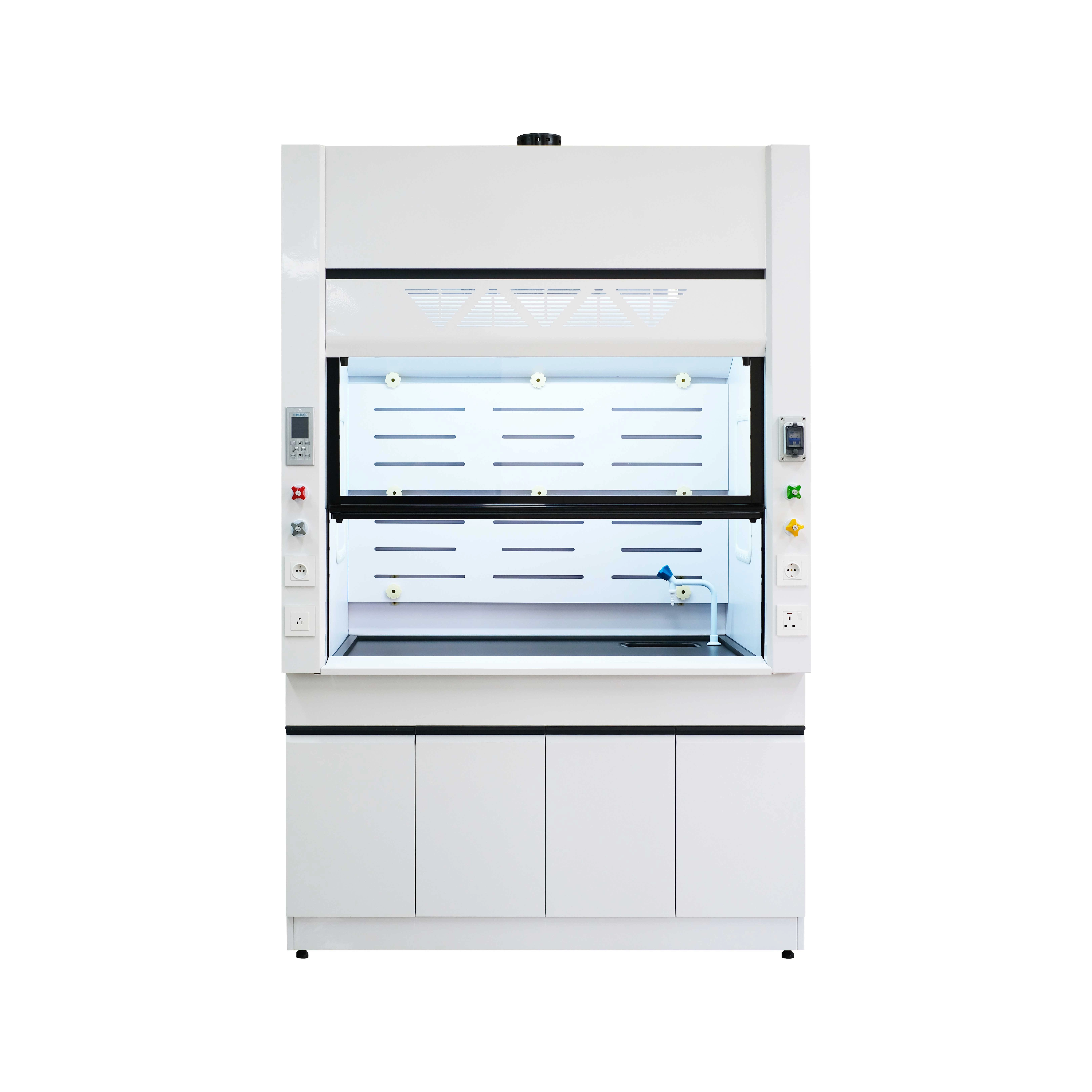
Fume cupboards, also known as fume hoods, are essential for safely handling hazardous fumes and vapors in laboratory settings. The primary types include:
Ducted Fume Cupboards: These units expel contaminated air outside the building through a ventilation system. They are suitable for laboratories with existing exhaust infrastructure.
Ductless (Recirculating) Fume Cupboards: These use filters to clean the air before recirculating it back into the laboratory. They are ideal for labs without external ventilation systems and offer greater installation flexibility.
Walk-In Fume Cupboards: Designed for large-scale operations, these allow personnel to work inside the hood, providing ample space for extensive equipment.
Laminar Flow Fume Cupboards: These provide a continuous flow of air to protect sensitive processes from contamination, commonly used in cleanroom environments.
2. How do I determine the appropriate size for a fume cupboard?
Selecting the right size involves:
Assessing Laboratory Space: Measure the available area to ensure the fume cupboard fits comfortably without obstructing workflows.
Considering Equipment Dimensions: Ensure the internal dimensions accommodate all equipment and materials intended for use.
Evaluating Workflow Requirements: Choose a size that allows for safe and efficient movement and operation within the hood.
3. What are the key performance metrics to consider?
Critical performance metrics include:
Face Velocity: The average speed at which air enters the fume cupboard, typically measured in feet per minute (fpm). A minimum average effective face velocity of 100 fpm is recommended, with a minimum of 70 fpm at any point.
Containment Efficiency: The ability of the fume cupboard to prevent the escape of hazardous substances into the laboratory environment.
Noise Levels: Operational noise should be within acceptable limits to maintain a comfortable working environment.
4. How do I evaluate supplier lead times for fume cupboard procurement?
To assess supplier lead times effectively:
Request Detailed Timelines: Obtain clear delivery and installation schedules from potential suppliers.
Assess Supplier Reliability: Review the supplier's history for on-time deliveries and their capacity to meet deadlines.
Consider Customization Requirements: Understand that custom-built fume cupboards may have longer lead times due to design and manufacturing processes.
Evaluate Communication Channels: Ensure the supplier maintains transparent and responsive communication throughout the procurement process.
5. What are the maintenance and operational costs associated with fume cupboards?
Maintenance and operational costs encompass:
Filter Replacement: For ductless systems, regular filter changes are necessary to maintain air quality and safety.
Energy Consumption: Ducted systems may consume significant conditioned air, impacting energy costs.
Routine Maintenance: Regular inspections and servicing to ensure optimal performance and compliance with safety standards.
6. How do I ensure compliance with safety standards and regulations?
To ensure compliance:
Adhere to Standards: Ensure the fume cupboard meets relevant international safety standards like EN 14175 (Europe) and ANSI/ASHRAE 110 (USA). ((https://www.maxlabfurniture.com/article/fume-hood-selection-safety-compliance/))
Regular Testing: Conduct performance tests, such as face velocity measurements and containment efficiency assessments, at least every 14 months under regulations like COSHH.
Documentation: Maintain records of inspections, certifications, and maintenance activities for accountability and future reference.
7. What are the latest trends in fume cupboard technology?
Recent advancements include:
Smart Fume Cupboards: Equipped with sensors for real-time monitoring of face velocity, filter saturation, and air quality, integrating with Building Management Systems (BMS) for optimized airflow control and energy savings.
Sustainable Materials: Use of high-performance polypropylene (PP) and other durable materials to enhance chemical resistance and extend the lifespan of fume cupboards.
Modular Designs: Integration with laboratory furniture systems, allowing seamless incorporation with benches and storage units for a cohesive laboratory setup.
8. How do I assess the total cost of ownership for a fume cupboard?
To evaluate the total cost of ownership:
Initial Purchase Price: Consider the upfront cost of the fume cupboard.
Installation Costs: Account for expenses related to installation, including any necessary ductwork or electrical work.
Operational Costs: Evaluate ongoing expenses such as energy consumption, filter replacements, and routine maintenance.
Expected Lifespan: Consider the durability and expected operational life of the fume cupboard to assess long-term value.
In conclusion, selecting the right fume cupboard involves careful consideration of laboratory needs, compliance with safety standards, and thorough evaluation of suppliers. By addressing these factors, laboratories can ensure a safe and efficient working environment.
MAXLAB offers a range of high-quality fume cupboards designed to meet diverse laboratory requirements. With a focus on safety, efficiency, and compliance, MAXLAB provides solutions that integrate seamlessly into laboratory settings, ensuring optimal performance and user protection.
References:
Occupational Safety and Health Administration (OSHA) — Laboratory Safety and Health Topics: https://www.osha.gov/laboratory
American Society of Heating, Refrigerating and Air-Conditioning Engineers (ASHRAE) Standard 110 — Method of Testing Performance of Laboratory Fume Hoods: https://www.ashrae.org/ (search for ASHRAE 110)
European Committee for Standardization — EN 14175 (Fume cupboards): https://standards.cen.eu
National Institute for Occupational Safety and Health (NIOSH) — Laboratory Safety: https://www.cdc.gov/niosh/topics/labs/default.
Wikipedia — Fume hood (for general overview): https://en.wikipedia.org/wiki/Fume_hood
Purchasing Guide: Fume Hoods | Lab Manager: https://www.labmanager.com/purchasing-guide-fume-hoods-1-29311
Laboratory Standard & Design Guidelines – Stanford Environmental Health & Safety: https://ehs.stanford.edu/manual/laboratory-standard-design-guidelines
February 2017 – Laboratory Design: https://www.laboratorydesign.com/2017/02/
Emergency Fume Hood and Biological Cabinets Testing and Repair: https://www.highergov.com/contract-opportunity/emergency-fume-hood-and-biological-cabinets-testin-36c24225q0362-o-be742/
Purchasing Guide (https://procurement.lbl.gov/purchasing-guide-2/):
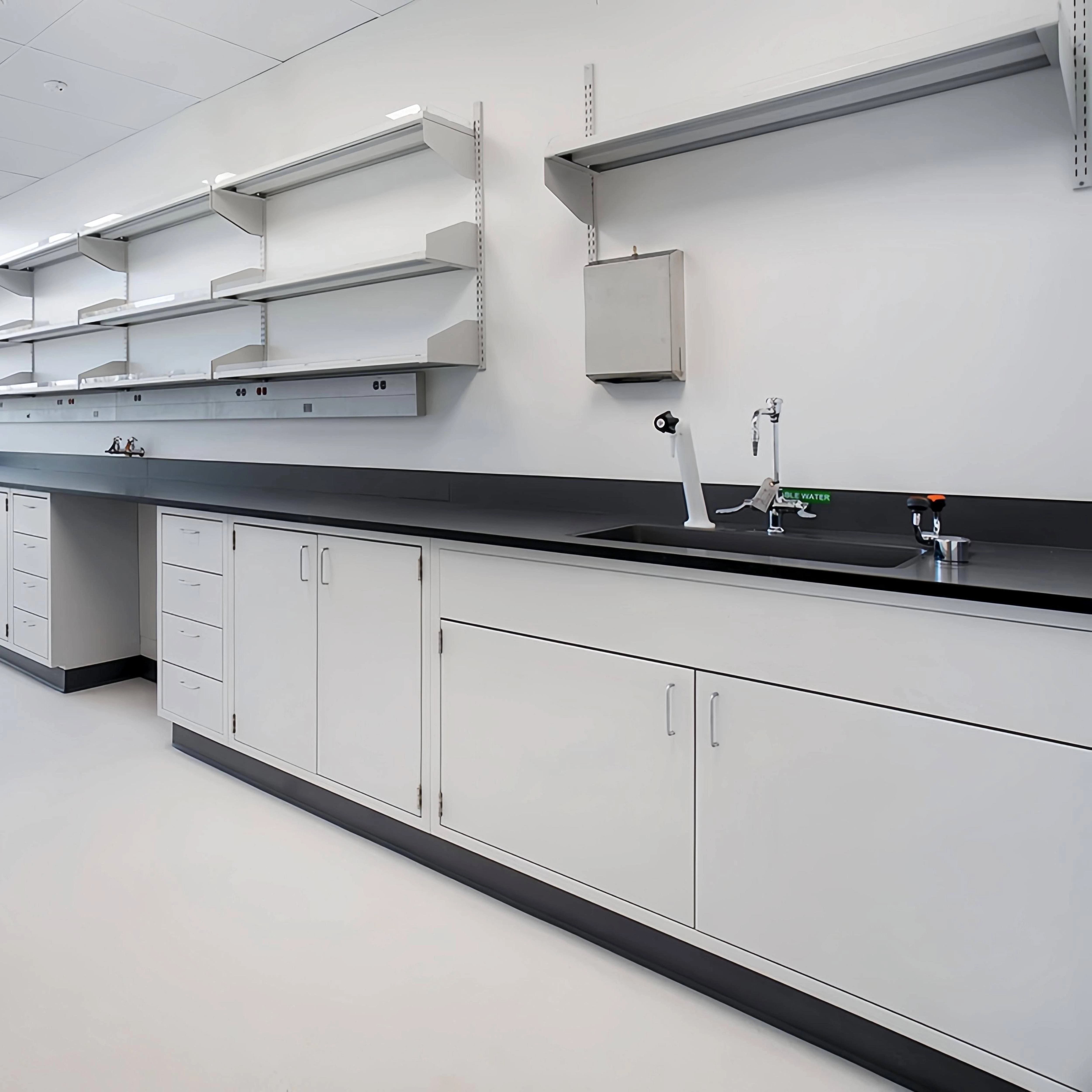
Why We Choose to Be Your Lab Furniture Solution Provider, Not Just a Manufacturer

Merry Christmas!
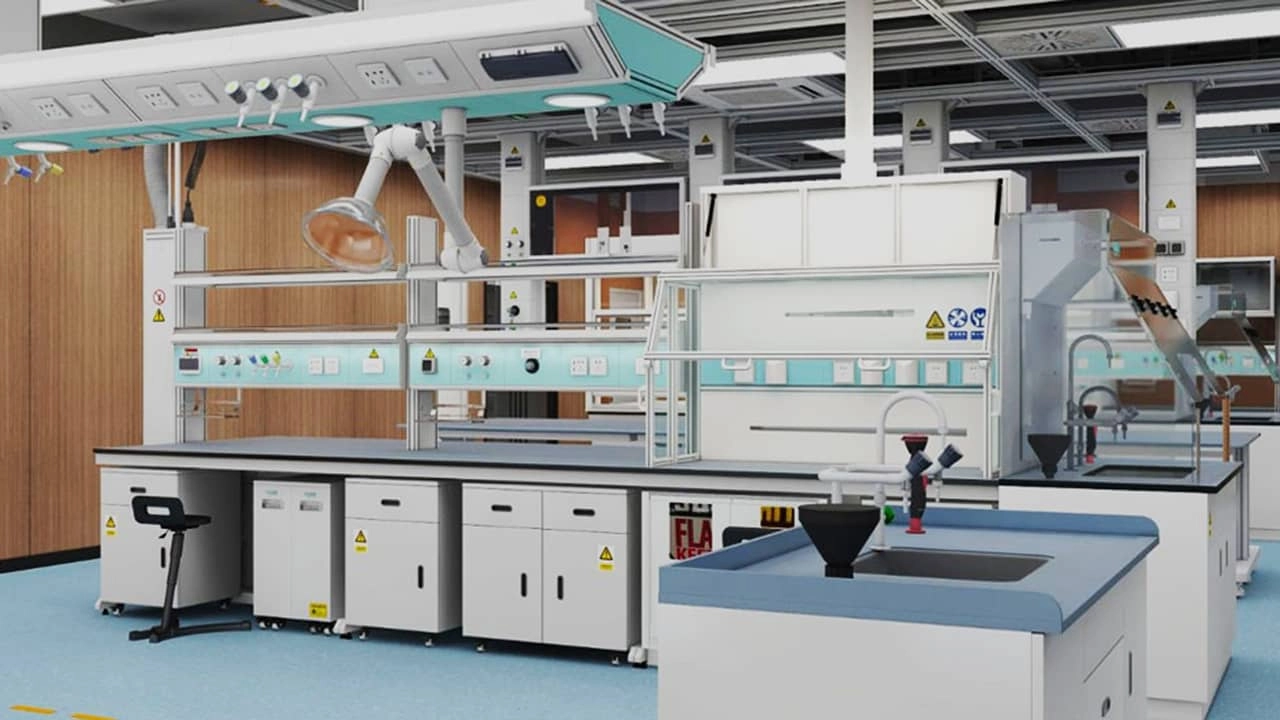
Electronics Lab Bench vs Chemistry Lab Bench: What You Need to Know

Choosing the Right Lab Bench for Your Research Needs: 2026 Guide
Customization
How long does it take to customize the product?
The delivery time of the custom equipment depends on the specific customization program and production cycle, which generally takes 4 to 8 weeks. We will keep you updated during the production process.
For Customization
What is the process for requesting a custom quote?
To request a custom quote, please provide us with details about your lab’s size, needs, and desired specifications.
Can I make changes to my order once it has been placed?
We offer limited flexibility to make changes to your order after it has been placed. Contact our sales team as soon as possible if you need to make modifications.
About Solution
Do you provide installation service?
Yes, we provide professional installation service and make sure all the equipment are working properly, meanwhile, we provide usage training to help customers get started quickly.
For After-Sales Support
How can I get technical support for my equipment?
You can contact our technical support team via email or phone for assistance with installation, troubleshooting, or any issues you encounter with your laboratory equipment.

Get in touch with us
If you have any comments or good suggestions, please leave us a message; later our professional staff will contact you as soon as possible.

 Scan QR Code
MaxLabFurniture
MaxLab Furniture
daihongada
Max Laboratory