
Resource
- Choosing the Right Materials for Fume Cupboard Interiors and Linings
- 1. What Are the Key Factors to Consider When Selecting Materials for Fume Cupboard Interiors?
- 2. What Are the Common Materials Used for Fume Cupboard Interiors?
- 3. How Do I Ensure Compliance with International Fume Cupboard Standards?
- 4. How Can I Optimize Energy Efficiency in Fume Cupboards?
- 5. What Are the Common Pitfalls to Avoid When Deploying Fume Cupboards?
- 6. How Do I Maintain Fume Cupboards for Optimal Performance?
- 7. What Are the Benefits of Choosing MAXLAB for Fume Cupboard Solutions?
How to choose materials for fume cupboard interiors and linings?
Choosing the Right Materials for Fume Cupboard Interiors and Linings
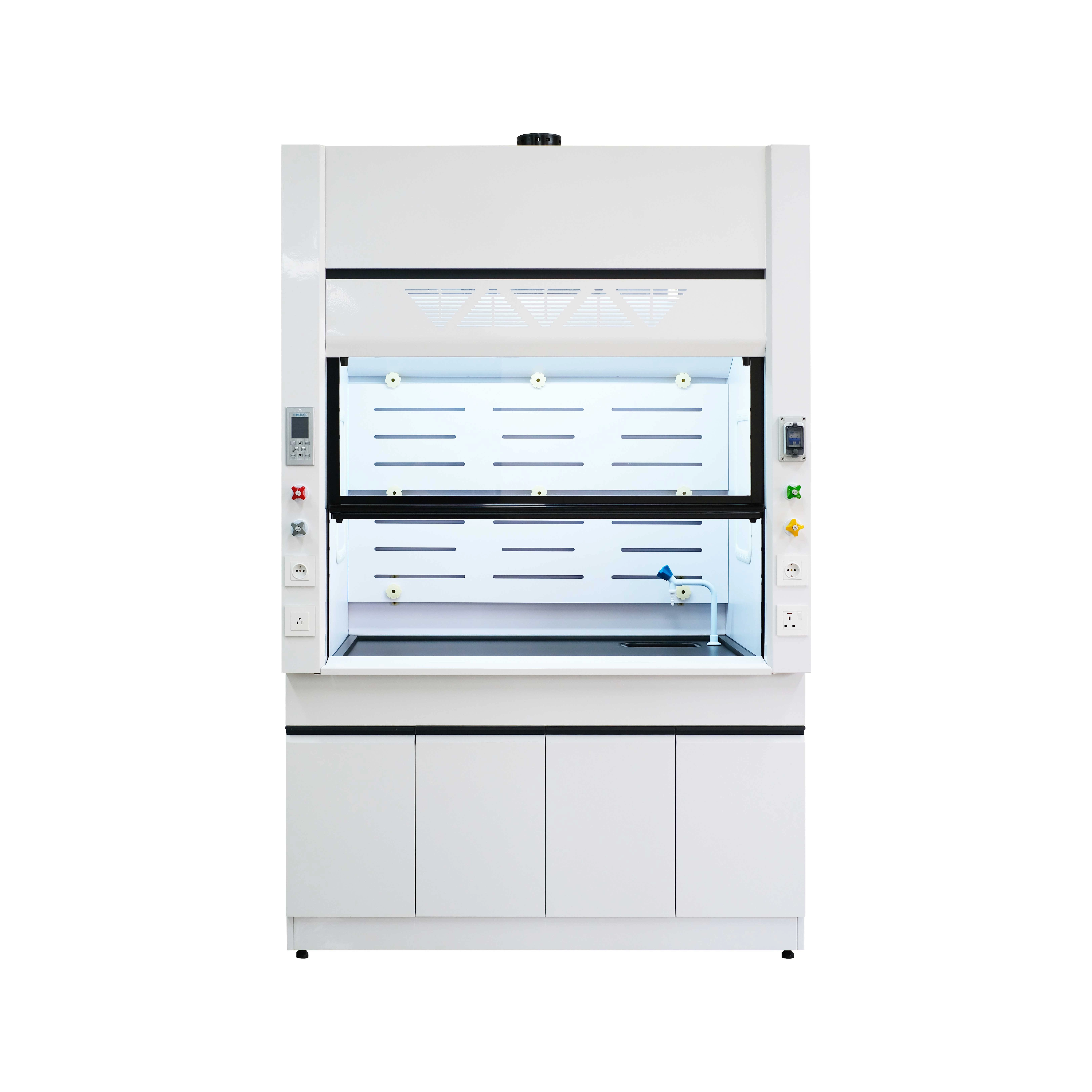
Fume cupboards, also known as fume hoods, are essential in laboratories for containing and exhausting hazardous fumes, vapors, and dust, thereby protecting personnel from exposure. The selection of materials for the interior linings of these cupboards significantly influences their performance, durability, and safety. This guide addresses common questions and considerations to assist in making informed decisions when choosing materials for fume cupboard interiors and linings.
1. What Are the Key Factors to Consider When Selecting Materials for Fume Cupboard Interiors?
When choosing materials for fume cupboard interiors, consider the following factors:
Chemical Compatibility: Ensure the material is resistant to the chemicals used in your laboratory to prevent corrosion and degradation.
Heat Resistance: Select materials that can withstand the maximum temperatures encountered during laboratory processes.
Durability: Opt for materials that offer long-term performance and can endure daily wear and tear.
Ease of Maintenance: Choose materials that are easy to clean and maintain to ensure a safe working environment.
Compliance with Standards: Verify that the materials meet relevant safety and performance standards.
2. What Are the Common Materials Used for Fume Cupboard Interiors?
Several materials are commonly used for fume cupboard interiors, each with distinct advantages and limitations:
Epoxy-Coated Steel: An economical option suitable for general applications with minimal corrosive chemical exposure. However, it is not recommended for environments with strong acids or solvents.
Stainless Steel: Offers high durability and heat resistance, making it suitable for labs requiring robust performance. However, it is more expensive and may not be ideal for environments with strong acids or halogen compounds.
Polypropylene: Known for its excellent chemical resistance and ease of maintenance, polypropylene is suitable for labs handling a wide range of chemicals.
Fiberglass Reinforced Composite Panels: Provide strong chemical resistance and durability, making them suitable for labs with routine exposure to corrosive substances.
3. How Do I Ensure Compliance with International Fume Cupboard Standards?
To ensure compliance with international standards:
Understand Relevant Standards: Familiarize yourself with standards such as ANSI/AIHA Z9.5, NFPA 45, and EN 14175, which provide guidelines for fume cupboard design, performance, and testing. ((https://www.maxlabfurniture.com/guides/essential-guide-to-fume-cupboards-selection-compliance-and-best-practices/))
Select Certified Equipment: Choose fume cupboards that meet these standards, ensuring they have been tested for performance and safety.
Regular Maintenance and Testing: Implement a routine maintenance schedule and conduct performance tests to verify compliance over time.
Stay Updated: Keep abreast of updates to standards and regulations to maintain ongoing compliance.
4. How Can I Optimize Energy Efficiency in Fume Cupboards?
Optimizing energy efficiency in fume cupboards not only reduces operational costs but also supports sustainability efforts:
Variable Air Volume (VAV) Systems: Implement VAV systems that adjust airflow based on usage, maintaining safety while conserving energy.
Energy-Efficient Materials: Choose materials and designs that minimize energy consumption without compromising safety.
Regular Maintenance: Ensure that the fume cupboard is well-maintained to operate efficiently, including cleaning filters and checking for leaks.
Monitor Performance: Use sensors and monitoring systems to track energy usage and identify areas for improvement.
5. What Are the Common Pitfalls to Avoid When Deploying Fume Cupboards?
Avoiding common pitfalls ensures the effective deployment of fume cupboards:
Inadequate Customization: Tailor fume cupboards to the specific needs of your laboratory, considering the types of chemicals used and the required containment levels.
Neglecting Site Reviews: Conduct thorough site assessments to ensure that environmental factors, such as room size and HVAC systems, do not impede fume cupboard performance.
Skipping Prototyping: Before finalizing designs, create prototypes to evaluate ergonomics and functionality, preventing costly mistakes.
Overlooking Compliance Testing: Ensure that fume cupboards undergo comprehensive testing to verify they meet all safety and performance standards.
6. How Do I Maintain Fume Cupboards for Optimal Performance?
Regular maintenance is crucial for the longevity and effectiveness of fume cupboards:
Routine Inspections: Conduct regular checks for signs of wear, damage, or contamination.
Filter Replacement: Replace filters as recommended by the manufacturer to maintain air quality and safety.
Cleaning: Keep the interior and exterior clean to prevent buildup of hazardous substances.
Performance Testing: Periodically test airflow and containment performance to ensure compliance with safety standards.
7. What Are the Benefits of Choosing MAXLAB for Fume Cupboard Solutions?
MAXLAB offers several advantages for your fume cupboard needs:
Customization: Provides tailored solutions to meet the specific requirements of your laboratory.
Quality Assurance: Ensures that all products meet international safety and performance standards.
Expertise: Offers comprehensive support, from selection to installation and maintenance.
Sustainability: Focuses on energy-efficient designs that reduce operational costs and environmental impact.
By considering these factors and partnering with reputable suppliers like MAXLAB, laboratories can enhance safety, ensure compliance, and improve operational efficiency.
References:
The Fume Cupboard Company. (2023). Key Considerations for Selecting Fume Cupboards for Your Laboratory or Facility.
JSG Laboratory Equipment. (2023). What is a Fume Cupboard? Exploring Safety Standards and Global Market Trends for Lab Environments.
Accio. (2023). Fume cupboard cost: Find affordable lab safety solutions.
MAXLAB Furniture. (2023). Fume Hood Selection: Lab Safety & Regulatory Compliance.
Envair Technology. (2022). Custom Fume Cupboard Deployment Tips.
SelectScience. (2023). Fume cupboard technology as a combination of resource conservation, cost reduction and safety.
ScienceDirect. (2023). Fume Cupboard - an overview.
National Academies Press. (2000). Laboratory Design, Construction, and Renovation: Participants, Process, and Product.
Why We Choose to Be Your Lab Furniture Solution Provider, Not Just a Manufacturer
Max Lab Introduction
Electronics Lab Bench vs Chemistry Lab Bench: What You Need to Know

What Is an Air Shower for Cleanroom?
For Logistics
How can I track my shipment?
Once your order has been shipped, we will provide tracking information so you can monitor the status of your delivery.
For After-Sales Support
What happens if my product is damaged during delivery?
If your product is damaged during shipping, please contact our customer service team immediately. We will arrange for a replacement or repair at no additional cost.
Why choose your company?
We have been engaged in the manufacturing of various packing machines professionally over 15 years, and we can provide better after-sales service.
About Solution
How to ensure the safety performance of the fume hood?
Our fume hoods adopt high-efficiency filtration system and intelligent air speed control technology to ensure that harmful gases are effectively eliminated during experiments and protect users' health.
For Products
Do you offer ergonomic solutions for lab furniture?
Yes, our laboratory furniture includes ergonomic designs such as height-adjustable lab benches and chairs that reduce strain during long hours of work.

Get in touch with us
If you have any comments or good suggestions, please leave us a message; later our professional staff will contact you as soon as possible.

 Scan QR Code
MaxLabFurniture
MaxLab Furniture
daihongada
Max Laboratory