
Resource
What maintenance KPIs should labs track for fume cupboards?
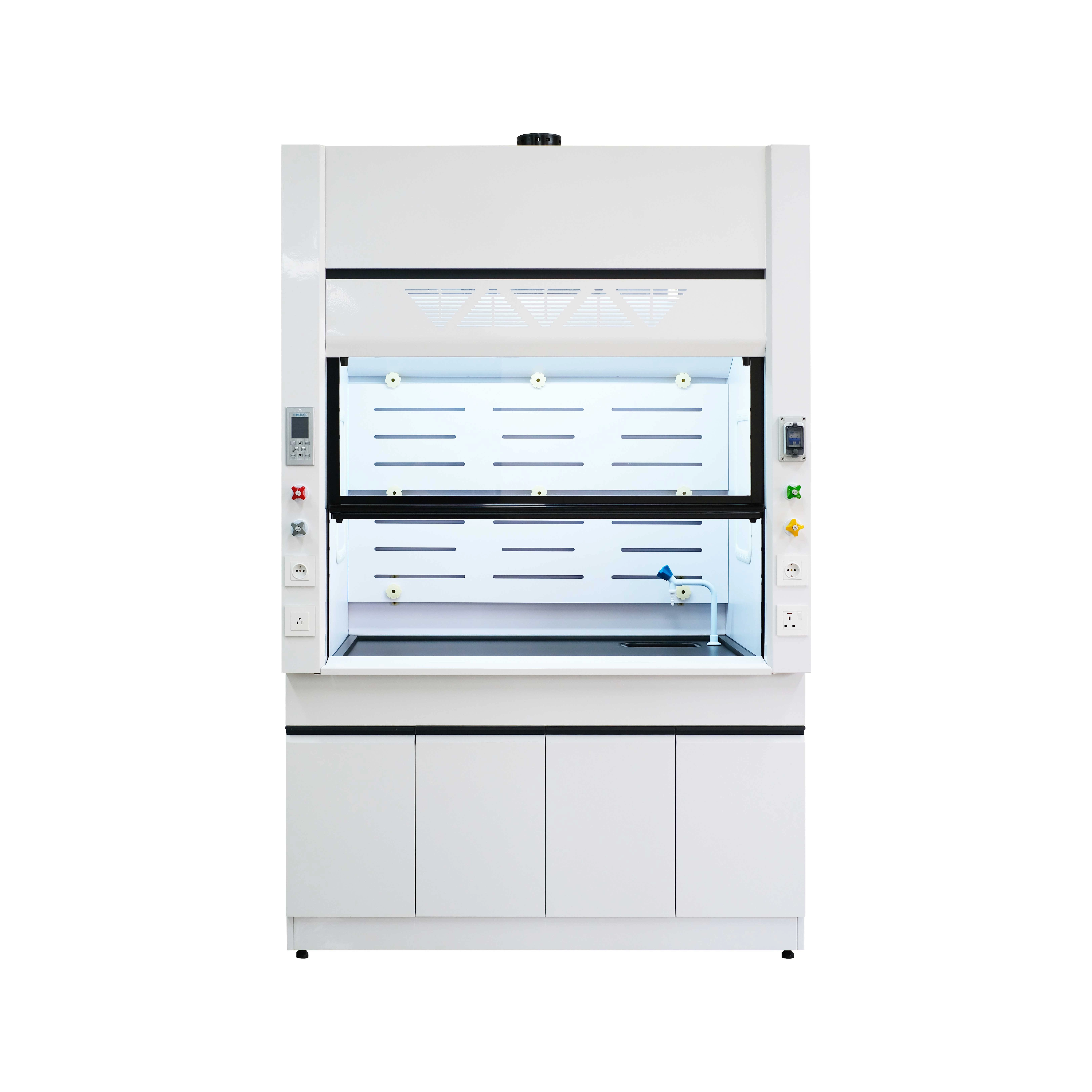
Fume cupboards, also known as fume hoods, are essential in laboratory settings to protect personnel from hazardous fumes, vapors, and particulates. Understanding their performance metrics, maintenance requirements, and procurement considerations is crucial for ensuring safety and compliance with industry standards.
Key Performance Metrics for Fume Cupboard Laboratories
1. What Are the Standard Face Velocity Requirements for Fume Cupboards?
Face velocity refers to the speed at which air enters the fume cupboard. Standard guidelines recommend an average face velocity of 100 feet per minute (fpm), with a minimum of 80 fpm at any point. This ensures effective containment of hazardous substances. ((https://www.maxlabfurniture.com/guides/fume-cupboard-laboratories-performance-metrics-procurement-insights/))
2. How Is Airflow Uniformity Ensured in Fume Cupboards?
Uniform airflow is vital for consistent containment. Design features such as baffles and airfoils help streamline airflow, minimizing turbulence and eddies at the fume cupboard face. This design approach enhances the hood's performance and safety. ((https://www.maxlabfurniture.com/guides/fume-cupboard-laboratories-performance-metrics-procurement-insights/))
3. What Are the Qualitative Methods for Evaluating Airflow Performance?
Qualitative assessments, like smoke tests, involve introducing a visible smoke near the fume cupboard face to observe airflow patterns. Effective containment is indicated when the smoke is drawn into the hood without escaping, confirming proper airflow dynamics. ((https://www.maxlabfurniture.com/guides/fume-cupboard-laboratories-performance-metrics-procurement-insights/))
4. How Do Variable Air Volume (VAV) Systems Impact Energy Efficiency?
VAV systems adjust airflow based on real-time needs, reducing energy consumption. By lowering airflow during inactive periods or when the sash is closed, VAV systems can achieve energy savings of 30-60% compared to constant air volume systems. ((https://www.maxlabfurniture.com/guides/fume-cupboard-laboratories-performance-metrics-procurement-insights/))
5. What Are the Maintenance Requirements for Fume Cupboards?
Regular maintenance is essential for optimal performance. OSHA recommends that the quality and quantity of ventilation be evaluated upon installation, regularly monitored (at least every three months), and re-evaluated whenever changes are made to local ventilation devices. ((https://www.maxlabfurniture.com/guides/fume-cupboard-laboratories-performance-metrics-procurement-insights/))
6. How Do International Standards Govern Fume Hood Performance?
International standards, such as ANSI/ASHRAE 110, provide methods for testing fume hood performance, including airflow measurements and containment efficiency. Compliance with these standards ensures that fume cupboards meet safety and operational benchmarks. ((https://www.maxlabfurniture.com/guides/fume-cupboard-laboratories-performance-metrics-procurement-insights/))
7. What Are the Key Safety Objectives for Fume Cupboards?
Fume cupboards must meet safety objectives, including containment (preventing hazardous substances from entering the laboratory), purging (avoiding explosive atmospheres inside the cupboard), and splash and shatter protection (protecting personnel from flying parts or splashes). ((https://www.maxlabfurniture.com/guides/fume-cupboard-laboratories-performance-metrics-procurement-insights/))
8. How Do Embedded Fume Hoods Differ from Conventional Ones?
Embedded fume hoods are integrated into laboratory work surfaces, offering space-saving designs and enhanced aerodynamic efficiency. They provide flexibility in laboratory layouts and are optimal for modern, compact laboratory environments. ((https://www.maxlabfurniture.com/guides/fume-cupboard-laboratories-performance-metrics-procurement-insights/))
Procurement Considerations for Fume Cupboard Laboratories
When procuring fume cupboards, consider the following factors:
Compliance with Standards: Ensure the fume cupboard meets international standards such as ANSI/ASHRAE 110.
Design Features: Opt for designs that promote uniform airflow and energy efficiency, such as those with VAV systems.
Maintenance Accessibility: Choose models that allow easy access for regular maintenance and inspections.
Safety Features: Verify the presence of safety features like splash and shatter protection.
Conclusion: The Advantages of MAXLAB Fume Cupboards
MAXLAB offers fume cupboards that adhere to international standards, incorporate advanced design features for optimal airflow and energy efficiency, and include comprehensive safety mechanisms. Our products are designed for easy maintenance and are tailored to meet the specific needs of modern laboratory environments.
By choosing MAXLAB, laboratories can ensure a safe, efficient, and compliant workspace for their personnel.
References:
Fume Cupboard Laboratories: Performance Metrics and Procurement Insights. MAXLAB. (https://www.maxlabfurniture.com/guides/fume-cupboard-laboratories-performance-metrics-procurement-insights/)
A Simple Method for Fume Cupboard Performance Assessment. ScienceDirect. (https://www.sciencedirect.com/science/article/abs/pii/S0003487899001076)
Maintenance and Testing of Fume Cupboard. Scientific Research Publishing. (https://www.scirp.org/journal/paperinformation?paperid=75094)
Top Maintenance Practices for Your Chemical Fume Cupboards. Topfea Lab. (https://www.topfealab.com/a-top-maintenance-practices-for-your-chemical-fume-cupboards.html)
Kewaunee Fume Hoods: Use, Inspection and Maintenance. Kewaunee Lab. (https://kewauneelab.blogspot.com/2021/09/kewaunee-fume-hoods-use-inspection-and.html)
Top 10 Maintenance Practices For Laboratory Fume Hoods. E3 Green. (https://www.e3-green.com/resources/top-10-maintenance-practices-for-laboratory-fume-hoods.html)
Ensuring Proper Use and Maintenance of Fume Hoods. Data Calculus. (https://datacalculus.com/en/blog/medical-and-diagnostic-laboratories/lab-safety-officer/ensuring-proper-use-and-maintenance-of-fume-hoods)
Laboratory Fume Hood Standards, Recommended for the U.S. Environmental Protection Agency. EPA. (https://nepis.epa.gov/Exe/ZyPURL.cgi?Dockey=9400A8MA.TXT)
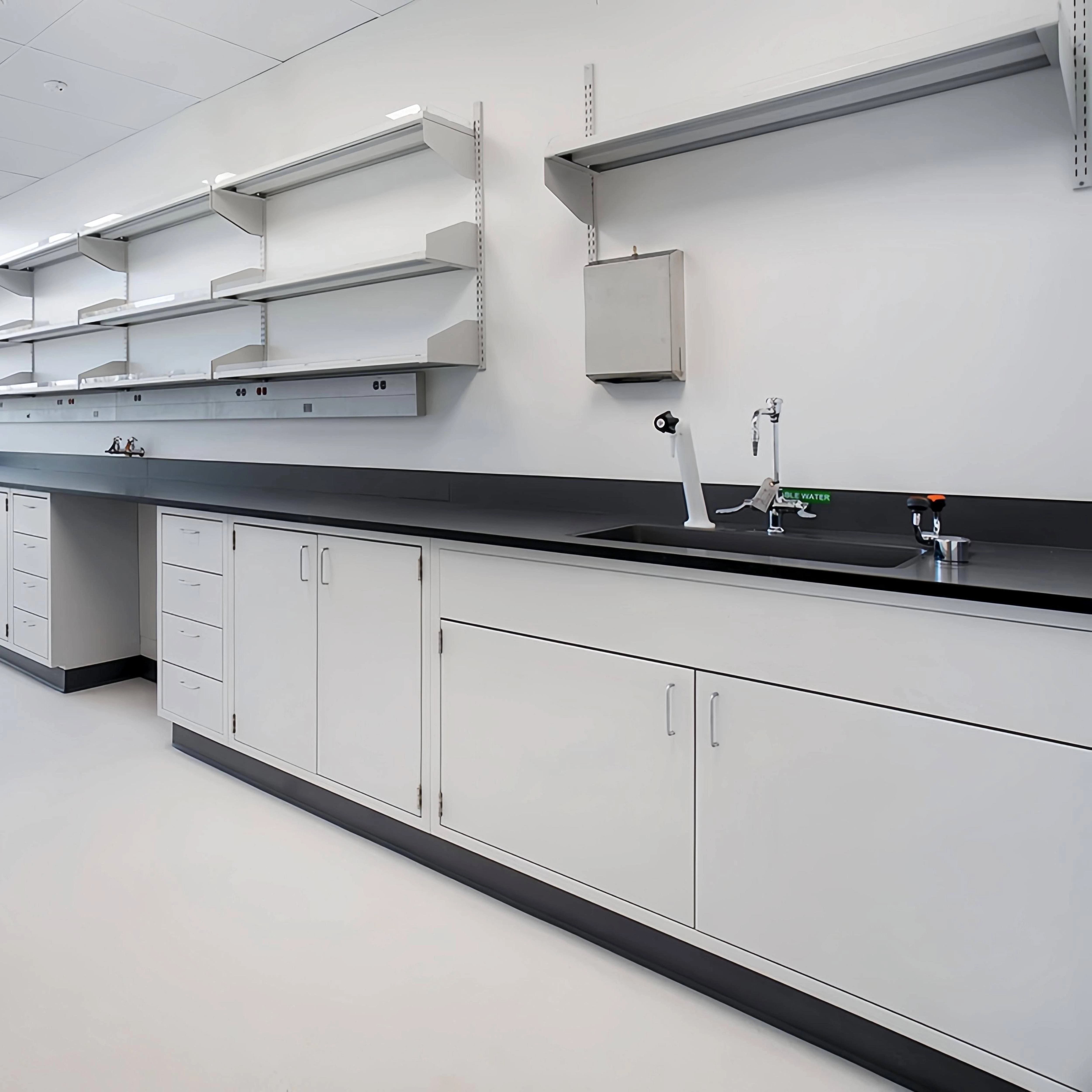
Why We Choose to Be Your Lab Furniture Solution Provider, Not Just a Manufacturer
Max Lab Introduction
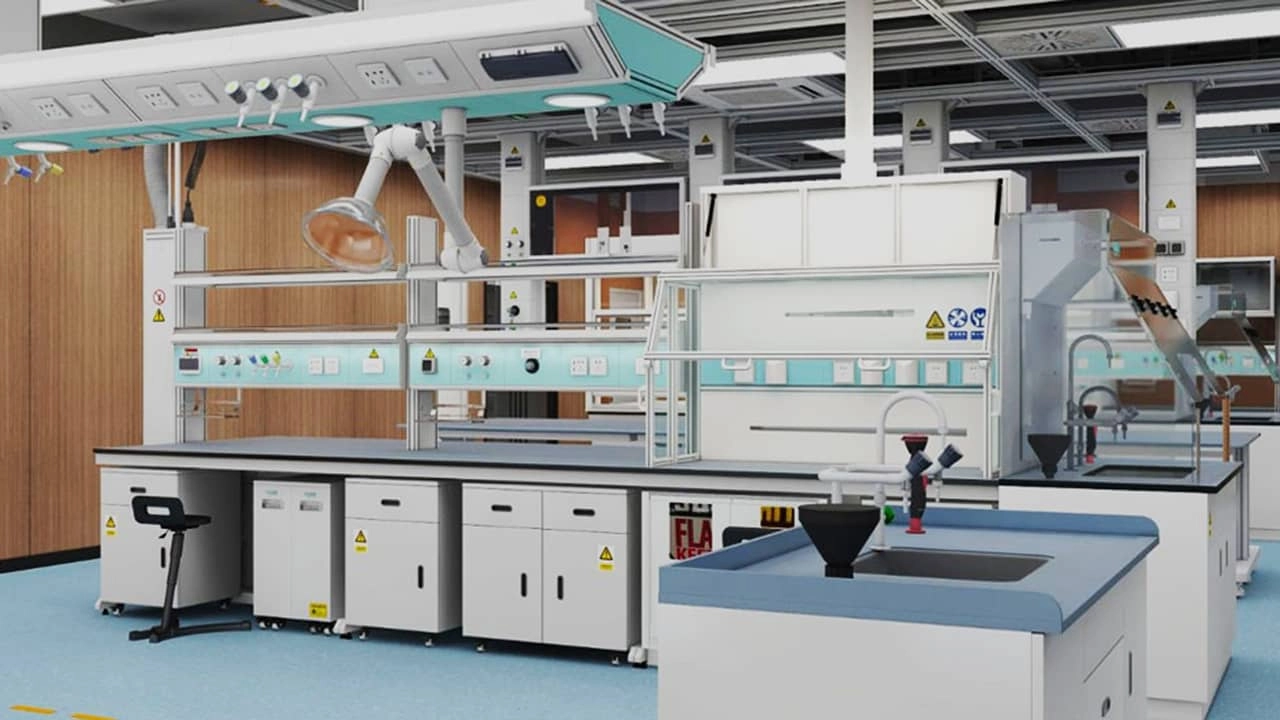
Electronics Lab Bench vs Chemistry Lab Bench: What You Need to Know
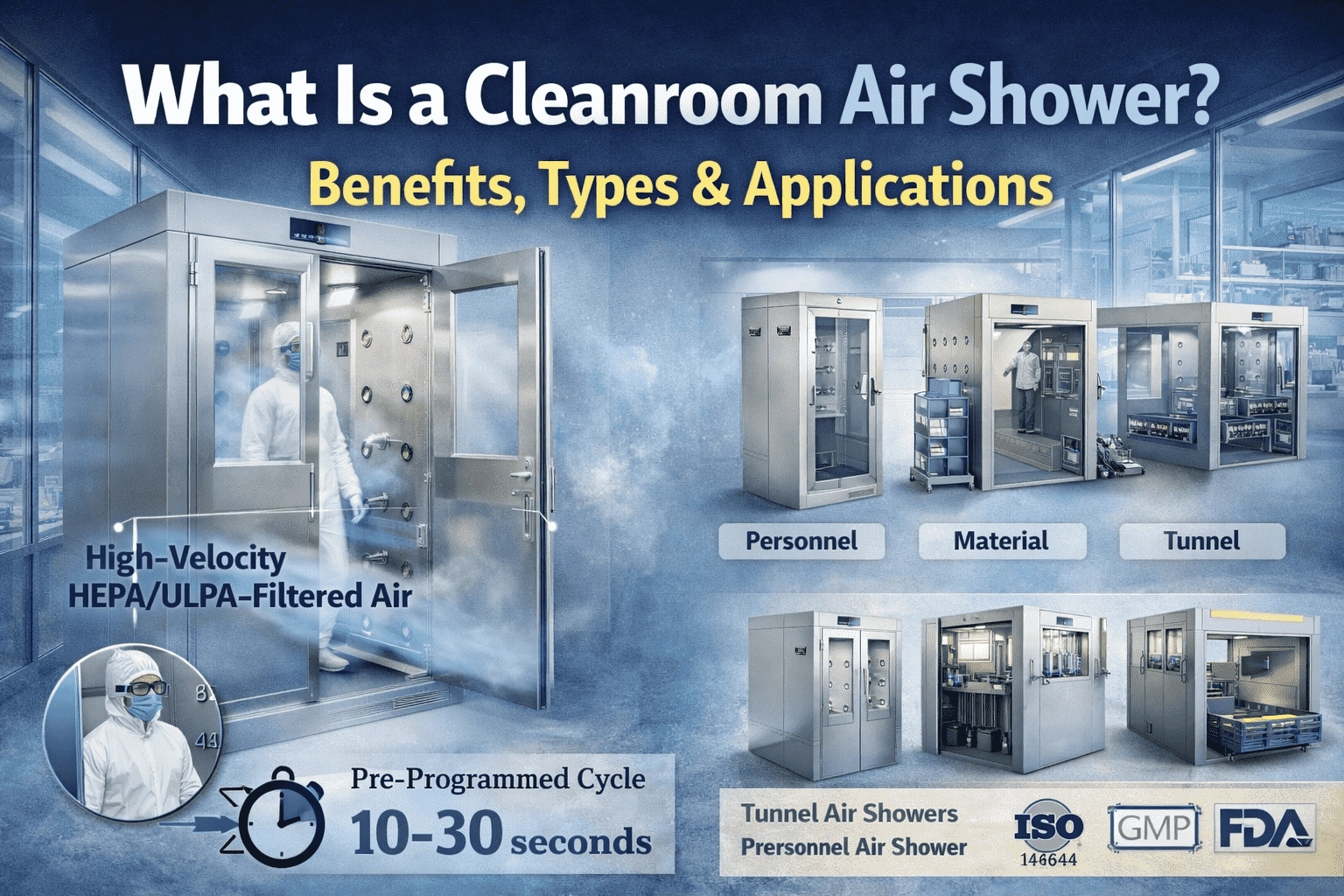
What Is an Air Shower for Cleanroom?
For Company
How long has your company been in business?
Our company has been in the laboratory furniture and equipment business for over 15 years, during which we have gained extensive experience and built a solid reputation in the industry. We specialize in serving a variety of industries, including academic research labs, pharmaceutical labs, healthcare, manufacturing, and more.
Customization
How long does it take to customize the product?
The delivery time of the custom equipment depends on the specific customization program and production cycle, which generally takes 4 to 8 weeks. We will keep you updated during the production process.
What is the after-sales support for customized services?
We provide a full range of after-sales service, including equipment installation guidance, regular maintenance, troubleshooting, operation training, etc., to ensure the safe and efficient operation of equipment.
For Customization
Can you create a lab design layout for us?
Yes, we'll provide preliminary layout, confirm 3D drawings and rendering drawings.
For Products
What products does MAX LAB offer?
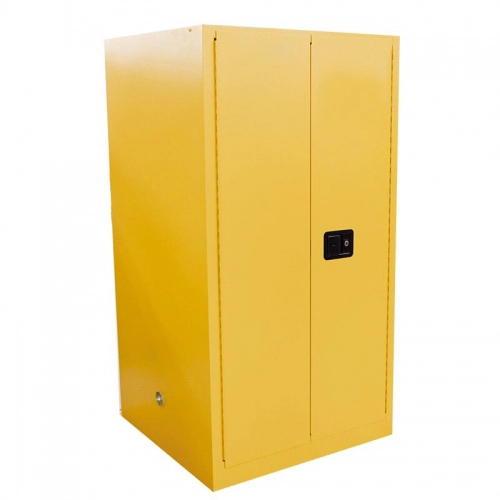
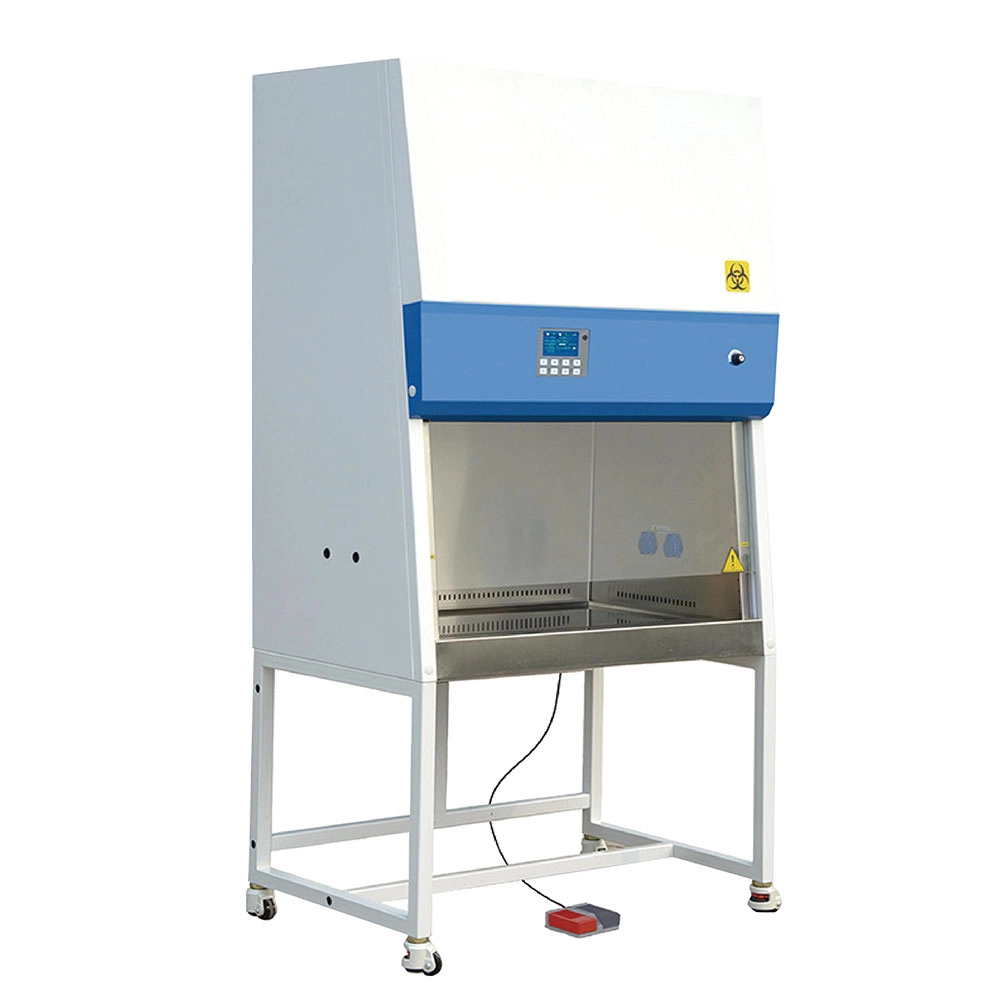
We specialize in laboratory furniture and equipment, including lab benches, fume hoods, storage cabinets, lab accessories, and custom lab solutions.

Get in touch with us
If you have any comments or good suggestions, please leave us a message; later our professional staff will contact you as soon as possible.

 Scan QR Code
MaxLabFurniture
MaxLab Furniture
daihongada
Max Laboratory