
Resource
- Designing Laboratory Layouts with Integrated Fume Cupboards
- 1. What are the key safety standards for fume cupboard design?
- 2. How should fume cupboards be integrated into laboratory layouts?
- 3. What materials are recommended for fume cupboard construction?
- 4. What are the best practices for chemical storage in fume cupboards?
- 5. What are the key considerations when procuring fume cupboards?
- 6. How can laboratory airflow be optimized for fume cupboard efficiency?
- 7. What are the maintenance requirements for fume cupboards?
- 8. How can laboratory personnel be trained on fume cupboard safety?
How to design lab layouts integrating fume cupboard laboratories?
Designing a laboratory that integrates fume cupboards requires meticulous planning to ensure safety, functionality, and compliance with industry standards. Below are some frequently asked questions (FAQs) to guide you through the process.
Designing Laboratory Layouts with Integrated Fume Cupboards
1. What are the key safety standards for fume cupboard design?
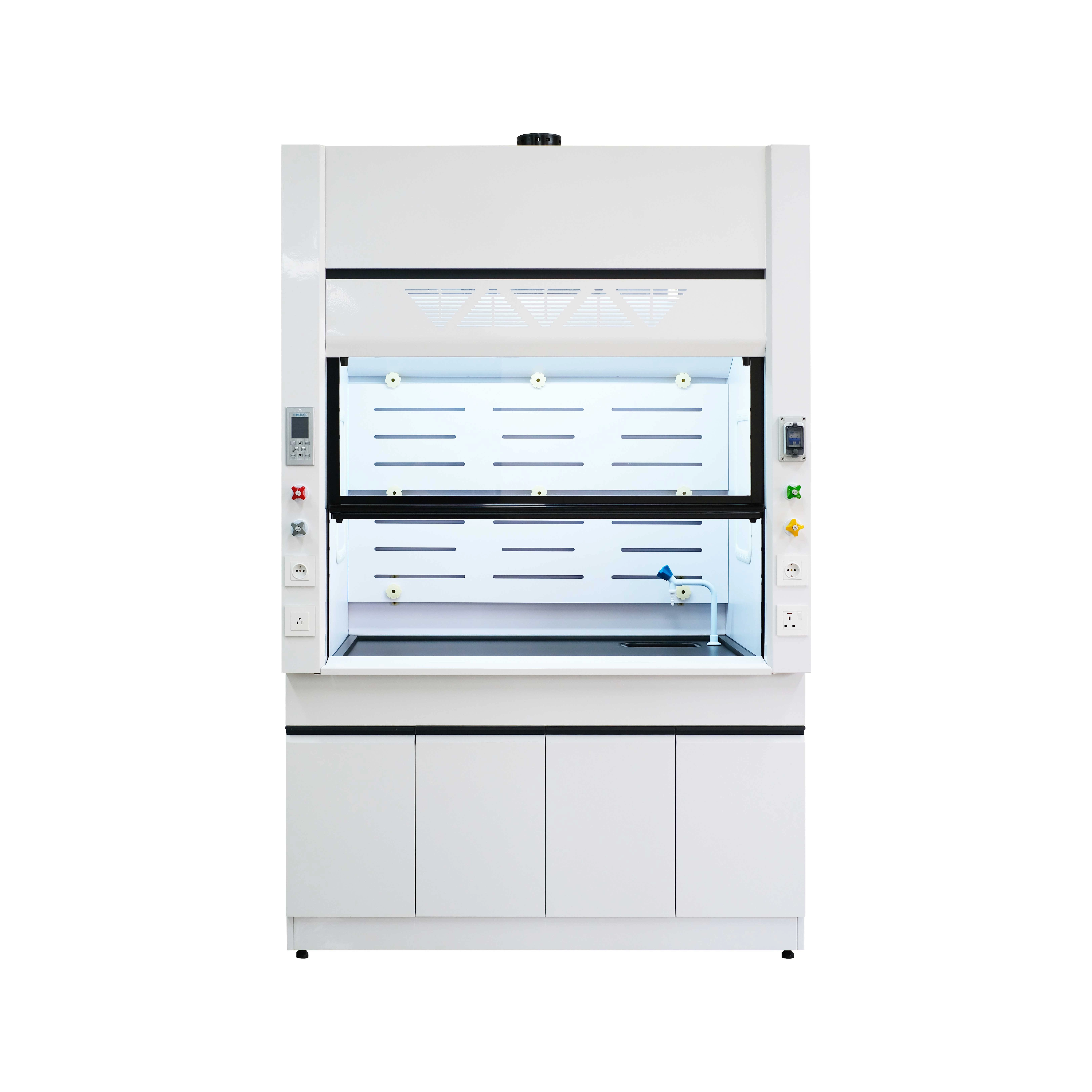
Fume cupboards must adhere to specific safety standards to protect laboratory personnel. Key considerations include:
Face Velocity: Maintain an average effective face velocity of 100 feet per minute (fpm), with a minimum of 70 fpm at any point.
Construction Materials: Use corrosion-resistant, non-porous, non-combustible materials such as type 316 stainless steel for interior surfaces.
Airflow Design: Ensure horizontal bottom airfoil inlets and adjustable baffles with horizontal slots to achieve uniform face velocity.
2. How should fume cupboards be integrated into laboratory layouts?
Proper integration of fume cupboards involves:
Placement: Position fume cupboards away from doors and not facing each other across narrow aisles to prevent airflow disturbances.
Airflow Management: Design the laboratory to maintain negative pressure relative to adjacent areas, ensuring contaminants are drawn into the fume cupboard.
Accessibility: Ensure that fume cupboards are easily accessible and that sash openings are not obstructed to maintain effective airflow.
3. What materials are recommended for fume cupboard construction?
Selecting appropriate materials is crucial for durability and safety:
Interior Surfaces: Use type 316 stainless steel for its corrosion resistance and ease of cleaning.
Exterior Surfaces: Epoxy-coated metal is commonly used for fume hood and base cabinet enclosures.
Work Surfaces: Molded epoxy resin or stainless steel are preferred for their durability and resistance to chemical spills.
4. What are the best practices for chemical storage in fume cupboards?
To ensure safe chemical storage:
Segregation: Store incompatible chemicals separately to prevent hazardous reactions.
Container Management: Use chemical-resistant containers with tight-sealing caps and avoid overfilling to reduce spill risks.
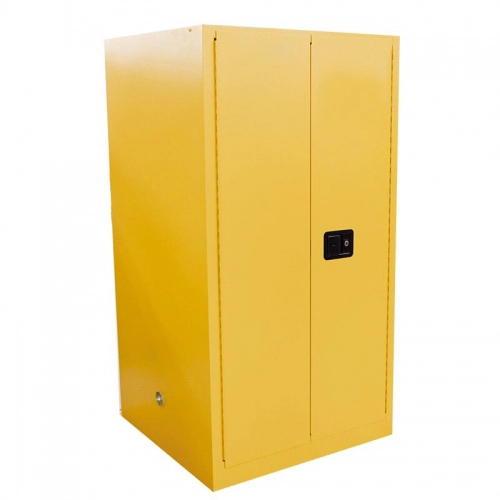
Minimizing Storage: Keep only active-use chemicals inside the fume cupboard and store large stock bottles in dedicated flammable storage cabinets.
5. What are the key considerations when procuring fume cupboards?
When procuring fume cupboards, consider:
Compliance: Ensure the fume cupboard meets relevant safety standards and certifications.
Customization: Assess if the fume cupboard can be tailored to specific laboratory needs, such as size, materials, and features.
Maintenance: Consider the ease of maintenance and availability of replacement parts.
Cost: Evaluate the total cost of ownership, including installation, operation, and maintenance expenses.
6. How can laboratory airflow be optimized for fume cupboard efficiency?
Optimizing airflow involves:
Air Exchange Rates: Ensure 8-10 air changes per hour minimum for occupied spaces and 6 air changes per hour minimum when unoccupied.
Supply Air Vents: Place supply air vents away from fume cupboards to avoid interference, ensuring air velocity at the face of the hood does not exceed 25 feet per minute.
Noise Levels: Maintain noise levels from the fume cupboard not exceeding 65 dBA at the face of the hood.
7. What are the maintenance requirements for fume cupboards?
Regular maintenance includes:
Performance Testing: Conduct regular performance testing to ensure the fume cupboard operates within specified parameters.
Cleaning: Regularly clean interior and exterior surfaces to prevent chemical buildup and maintain airflow efficiency.
Inspection: Periodically inspect for signs of wear, corrosion, or damage and address issues promptly.
8. How can laboratory personnel be trained on fume cupboard safety?
Training should cover:
Proper Use: Educate on correct operation, including sash height and placement of materials.
Maintenance Procedures: Train on routine maintenance tasks and reporting procedures for issues.
Emergency Protocols: Provide guidance on emergency procedures, including spill response and evacuation plans.
In conclusion, integrating fume cupboards into laboratory designs requires careful planning, adherence to safety standards, and thoughtful procurement decisions. By considering the factors outlined above, laboratories can create safe and efficient environments for their personnel.
MAXLAB offers a range of high-quality fume cupboards designed to meet industry standards, ensuring safety and durability in laboratory settings.
References:
Stanford Environmental Health & Safety. (n.d.). Laboratory Standard & Design Guidelines. Retrieved from
Office of Environmental Health and Safety, Princeton University. (n.d.). Appendix D: Health & Safety Design Considerations for Laboratories. Retrieved from
National Research Council. (2000). Laboratory Design, Construction, and Renovation: Participants, Process, and Product. The National Academies Press. Retrieved from
E3 Green. (n.d.). Laboratory Fume Hoods Airflow: Standards and Best Practices. Retrieved from
National Environmental Performance Standards. (n.d.). Laboratory Fume Hood Standards, Recommended for the U.S. Environmental Protection Agency. Retrieved from
Laboratory Design. (2017). February 2017 – Laboratory Design. Retrieved from
University of Kentucky. (n.d.). Laboratory Design Guidelines. Retrieved from
NEBB. (n.d.). Lab Fume Hoods Explained: Design & Control Considerations. Retrieved from
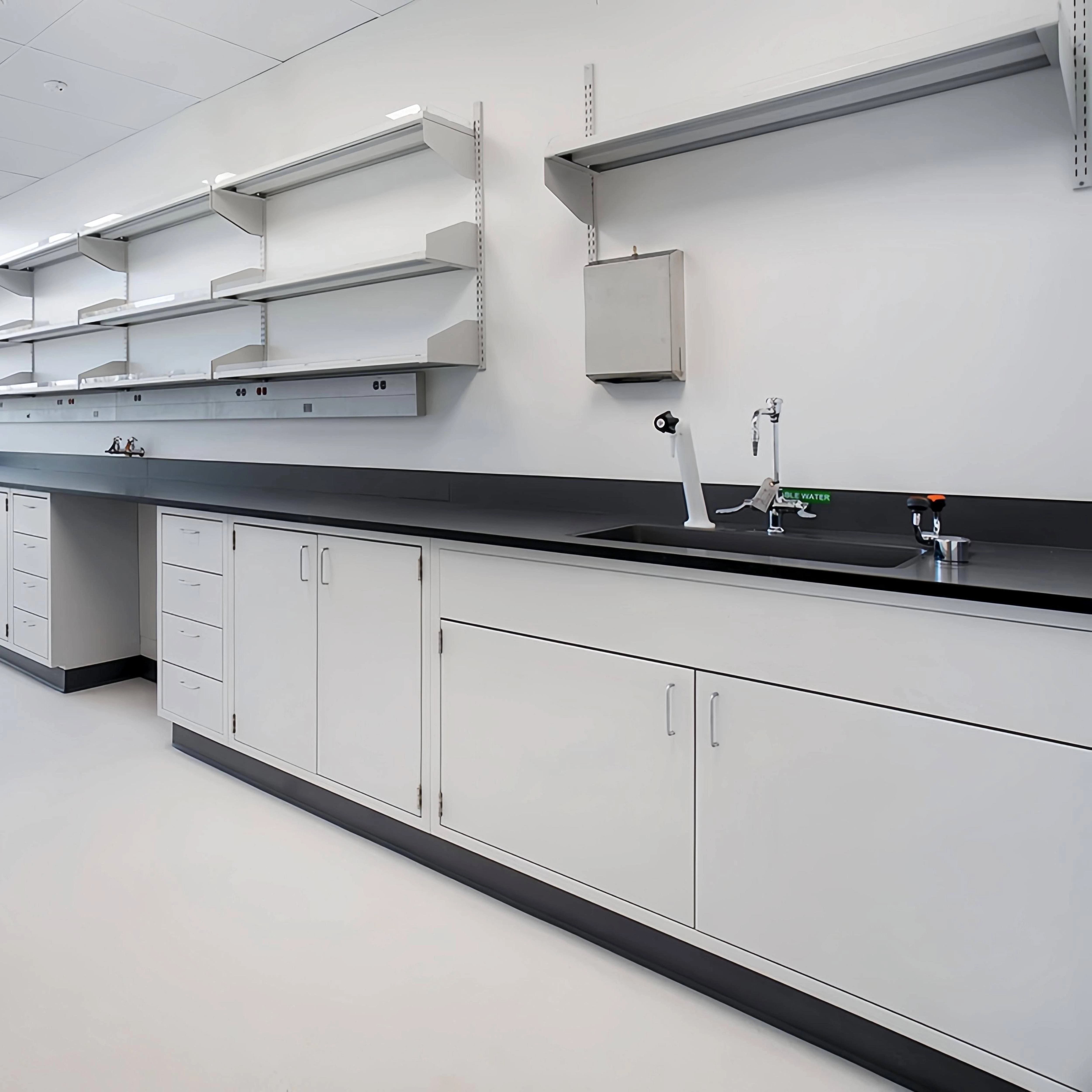
Why We Choose to Be Your Lab Furniture Solution Provider, Not Just a Manufacturer

Max Lab Introduction
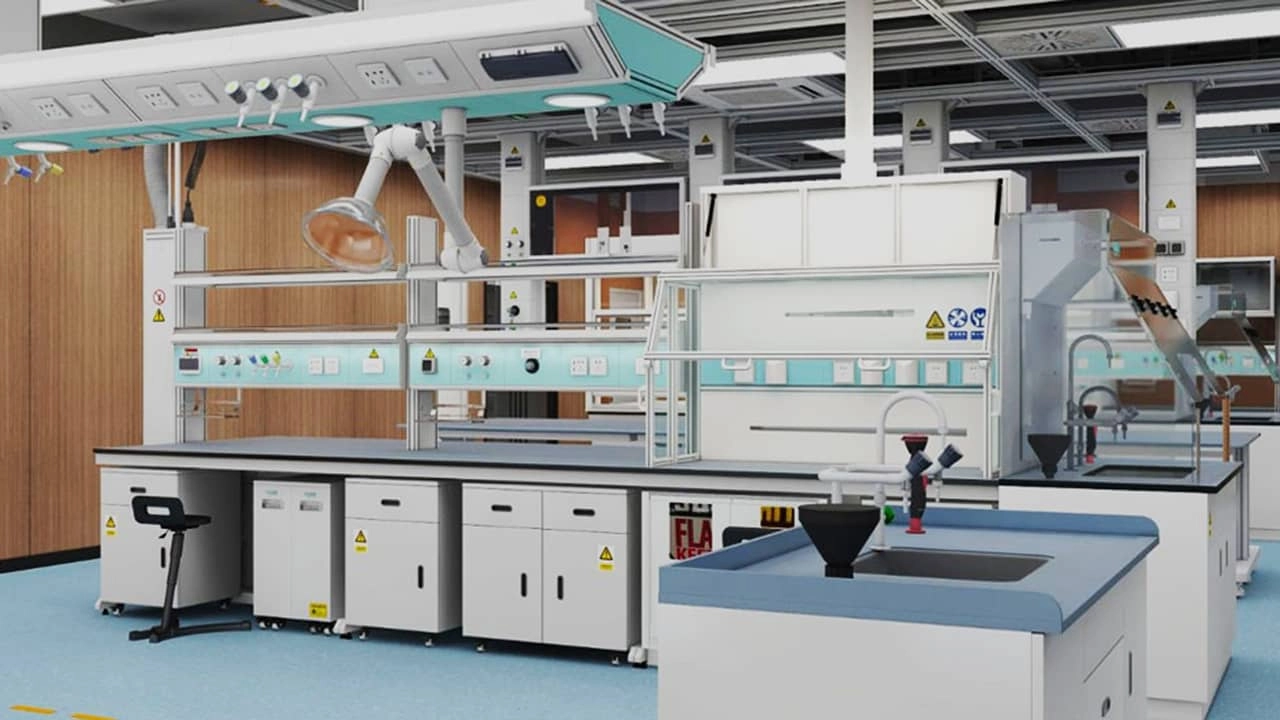
Electronics Lab Bench vs Chemistry Lab Bench: What You Need to Know

What Is an Air Shower for Cleanroom?
For Customization
Can I request a specific material for my lab furniture?
Yes, we can customize the material for your lab benches, fume hoods, and other equipment based on your preferences and the type of work being done in your lab.
FAQS
Where are your products manufactured?
All products are manufactured in our advanced facility—the largest laboratory furniture factory in Guangzhou—ensuring strict quality control.
For Products
Do you have certifications for your products?
Yes, We have CE, ISO9001, ISO14001, OHSASI18001 and so on.
For Company
What sets your company apart from other lab furniture providers?
Our commitment to quality, innovation, and customer satisfaction sets us apart. We offer customized solutions, high-quality materials, and a full range of laboratory furniture and equipment to ensure optimal functionality and safety for every lab.
Customization
Do you offer free design consultation?
Yes, we provide our clients with free preliminary design consulting services. Our design team will provide advice based on your needs and budget, and help you develop a laboratory layout and equipment plan that meets your requirements.

Get in touch with us
If you have any comments or good suggestions, please leave us a message; later our professional staff will contact you as soon as possible.

 Scan QR Code
MaxLabFurniture
MaxLab Furniture
daihongada
Max Laboratory