
Resource
- 1. What Are the Key Inspection Protocols for Fume Cupboard Laboratories?
- 2. How Often Should Fume Cupboards Be Inspected?
- 3. What Are the Common Causes of Fume Cupboard Malfunctions?
- 4. What Are the Recommended Materials for Fume Cupboard Construction?
- 5. How Can Laboratories Ensure Compliance with Safety Standards?
- 6. What Are the Key Considerations When Procuring a Fume Cupboard?
- 7. How Can Laboratories Optimize the Performance of Their Fume Cupboards?
- 8. What Are the Benefits of Choosing MAXLAB for Fume Cupboard Solutions?
What inspection protocols should fume cupboard labs follow?
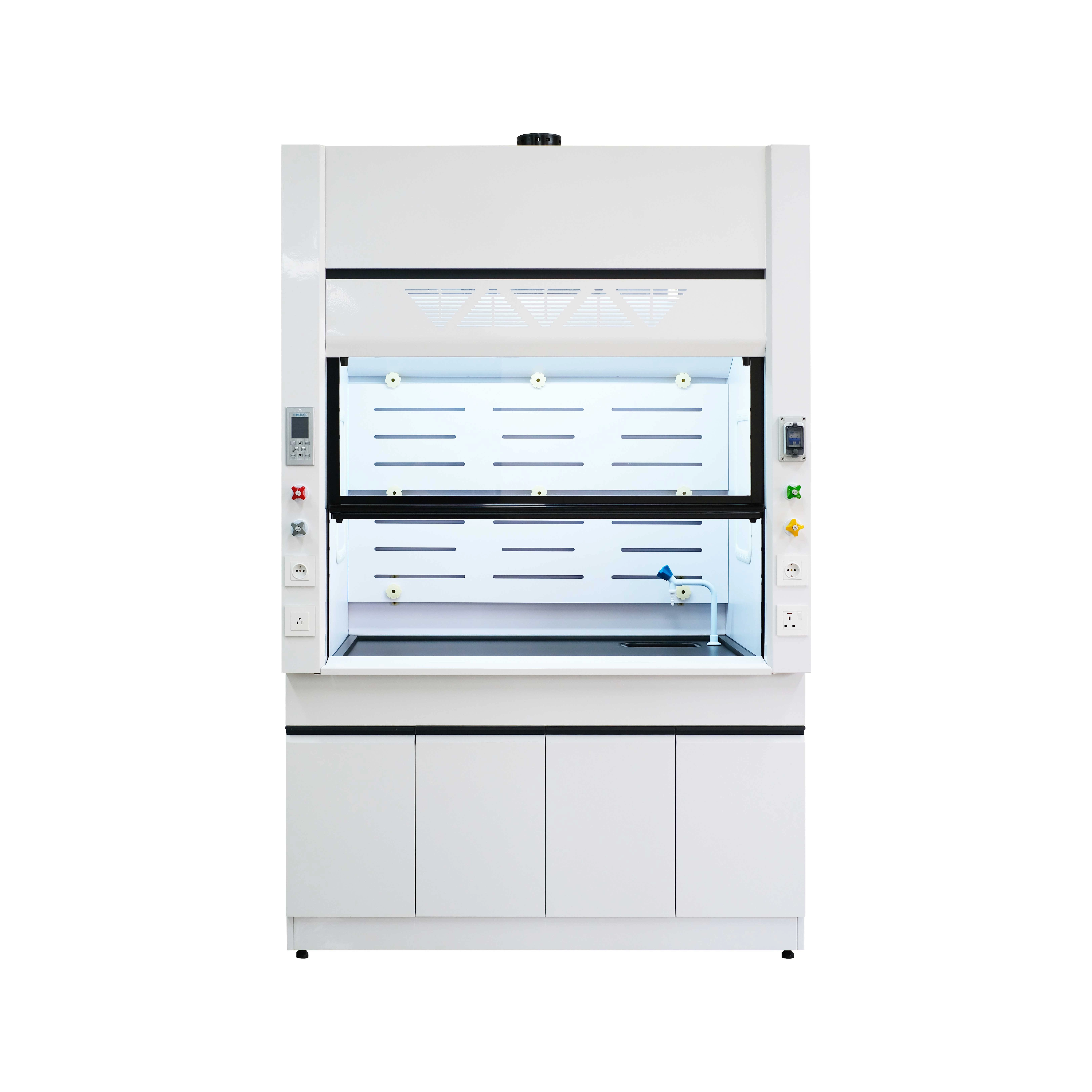
Fume cupboards, also known as fume hoods, are essential safety devices in laboratories, designed to contain hazardous fumes, vapors, and dusts, thereby protecting laboratory personnel and maintaining air quality. Ensuring their proper inspection and maintenance is crucial for laboratory safety and compliance with regulatory standards.
1. What Are the Key Inspection Protocols for Fume Cupboard Laboratories?
Regular inspection and maintenance of fume cupboards are vital to ensure their effective operation. Key protocols include:
Annual Performance Testing: Conducted to verify compliance with ventilation standards, including measurement of average face velocity and visual performance checks.
Airflow Monitoring: Utilizing airflow monitors to ensure the fume cupboard is operating within the recommended face velocity range, typically around 0.5 m/s ± 10%.
Housekeeping and Utilization Review: Assessing the fume cupboard for obstructions, improper storage, or practices that may affect performance.
Labeling: Affixing labels indicating the date of the last inspection, average face velocity, and inspector’s initials to ensure transparency and accountability.
2. How Often Should Fume Cupboards Be Inspected?
Fume cupboards should undergo a thorough examination and test at least once every 14 months, as per COSHH Regulation 9. However, more frequent inspections may be necessary depending on the laboratory's specific needs and the nature of the substances handled.
3. What Are the Common Causes of Fume Cupboard Malfunctions?
Common issues leading to fume cupboard malfunctions include:
Clogged or Dirty Filters: Accumulation of contaminants can impede airflow and reduce efficiency.
Mechanical Failures: Issues with fans, motors, or sash mechanisms can compromise performance.
Improper Use: Storing chemicals or equipment inside the fume cupboard can obstruct airflow and increase the risk of contamination.
4. What Are the Recommended Materials for Fume Cupboard Construction?
Fume cupboards should be constructed from corrosion-resistant, non-porous, and non-combustible materials. Type 316 stainless steel is commonly used for interior surfaces due to its durability and resistance to corrosion.
5. How Can Laboratories Ensure Compliance with Safety Standards?
Laboratories can ensure compliance by:
Adhering to Regulatory Standards: Following guidelines set by organizations such as the National Fire Protection Association (NFPA) and the American National Standards Institute (ANSI).
Regular Training: Providing ongoing training for laboratory personnel on proper fume cupboard usage and maintenance.
Maintaining Documentation: Keeping detailed records of inspections, maintenance, and repairs to demonstrate compliance during audits.
6. What Are the Key Considerations When Procuring a Fume Cupboard?
When procuring a fume cupboard, consider the following factors:
Intended Use: Ensure the fume cupboard is suitable for the specific chemicals and processes in your laboratory.
Size and Capacity: Choose a size that accommodates your laboratory's workflow and equipment.
Compliance with Standards: Verify that the fume cupboard meets relevant safety and performance standards.
Maintenance Requirements: Consider the ease of maintenance and availability of replacement parts.
Budget Constraints: Balance cost considerations with the need for quality and safety.
7. How Can Laboratories Optimize the Performance of Their Fume Cupboards?
To optimize performance, laboratories should:
Maintain Cleanliness: Regularly clean the fume cupboard to prevent buildup of contaminants.
Proper Usage: Avoid using the fume cupboard for storage; keep it clear to ensure optimal airflow.
Regular Monitoring: Use airflow monitors to ensure the fume cupboard is operating within the recommended face velocity range.
8. What Are the Benefits of Choosing MAXLAB for Fume Cupboard Solutions?
MAXLAB offers comprehensive lab furniture solutions, including fume cupboards, designed with safety, durability, and compliance in mind. Their products are constructed from high-quality materials and adhere to international safety standards, ensuring reliable performance and longevity. Additionally, MAXLAB provides excellent customer support and maintenance services, assisting laboratories in maintaining optimal safety and functionality.
In conclusion, ensuring the proper inspection, maintenance, and procurement of fume cupboards is essential for laboratory safety and compliance. By adhering to established protocols and considering key factors during procurement, laboratories can create a safer working environment for their personnel.
For more information on fume cupboard maintenance and safety, visit MAXLAB's comprehensive guide. ((https://www.maxlabfurniture.com/guides/fume-cupboard-maintenance-safety-guide/))
Note: The information provided in this article is based on current industry standards and guidelines. For specific requirements, consult local regulations and standards.
Why We Choose to Be Your Lab Furniture Solution Provider, Not Just a Manufacturer
Max Lab Introduction
Electronics Lab Bench vs Chemistry Lab Bench: What You Need to Know

What Is an Air Shower for Cleanroom?
For After-Sales Support
Why choose your company?
We have been engaged in the manufacturing of various packing machines professionally over 15 years, and we can provide better after-sales service.
Do you offer training for using your products?
Yes, we offer training for your staff on how to properly use and maintain the laboratory equipment we provide. Contact us to schedule a training session.
For Company
Can I visit your factory or showroom?
Yes, we welcome visits to our showroom and production facility. Please contact us in advance to schedule an appointment.
FAQS
Where are your products manufactured?
All products are manufactured in our advanced facility—the largest laboratory furniture factory in Guangzhou—ensuring strict quality control.
About Solution
How about your after sale service?
We will reply to you within 24 hours by email or phone.
If we have a local agent, we will arrange for him to be at your site within 24 hours to assist you in shooting the problem.

Get in touch with us
If you have any comments or good suggestions, please leave us a message; later our professional staff will contact you as soon as possible.

 Scan QR Code
MaxLabFurniture
MaxLab Furniture
daihongada
Max Laboratory