
Resource
How to manage chemical waste from fume cupboard laboratories?
Understanding Fume Cupboard Laboratories and Chemical Waste Management
Fume cupboard laboratories are specialized environments designed to safely handle hazardous chemicals by containing fumes and vapors, thereby protecting laboratory personnel and the surrounding environment. Effective chemical waste management within these laboratories is crucial to ensure safety and compliance with environmental regulations.
1. What is a Fume Cupboard Laboratory?
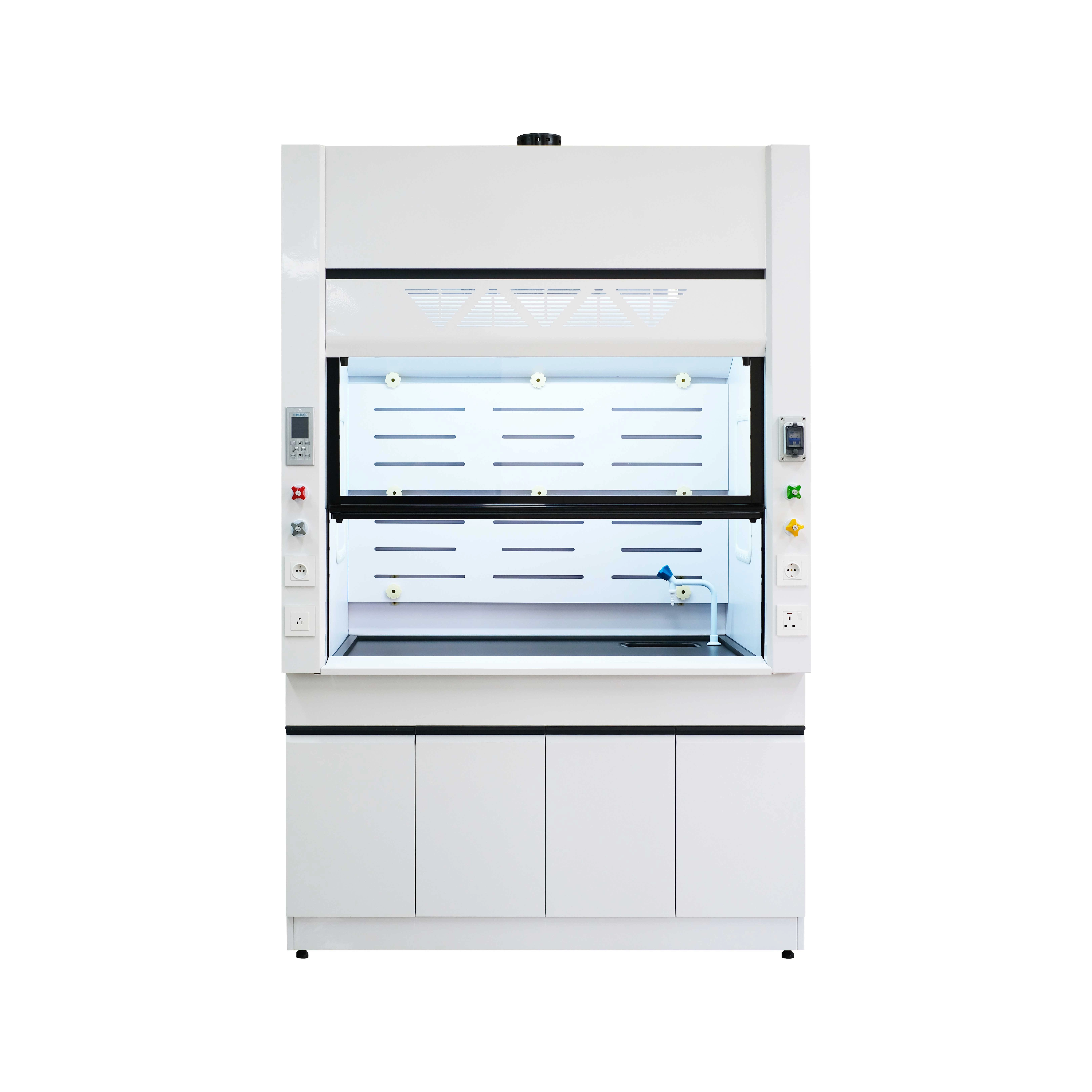
A fume cupboard laboratory is a controlled space equipped with a fume cupboard (also known as a fume hood) that ventilates hazardous fumes, vapors, and dust away from the user. This setup is essential for conducting experiments involving volatile substances, ensuring that harmful emissions are effectively contained and filtered before being released into the environment.
2. Why is Chemical Waste Management Important in Fume Cupboard Laboratories?
Proper chemical waste management is vital to prevent environmental contamination, protect human health, and comply with regulatory requirements. Inadequate disposal practices can lead to hazardous exposures, environmental pollution, and legal repercussions.
3. What Are the Best Practices for Managing Chemical Waste in Fume Cupboard Laboratories?
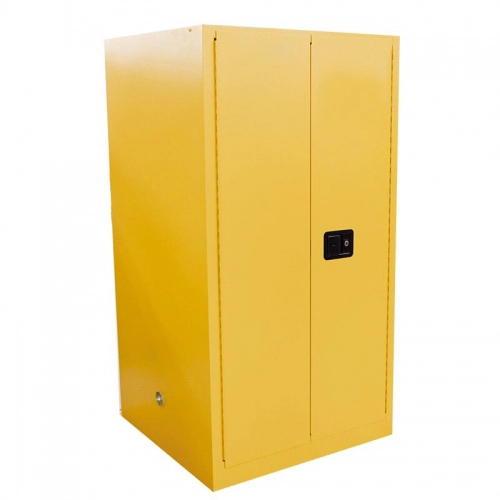
Segregation of Waste: Store chemical wastes by hazard category in properly labeled chemical storage cabinets. Ensure that incompatible chemicals are separated to prevent dangerous reactions.
Labeling: Use clear and accurate labels on waste containers, including the chemical name, hazard symbols, and accumulation start date. This practice aids in proper identification and handling.
Container Management: Keep waste containers securely closed when not in use to prevent spills and exposures. Containers should be in good condition and compatible with the waste they contain.
Regular Inspection: Conduct monthly inspections of waste containers to ensure they are intact and properly labeled. Replace any labels that are unreadable or faded.
Timely Disposal: Remove waste containers from the laboratory at regular intervals, not exceeding six months, to minimize accumulation and potential hazards.
4. What Are the Regulatory Requirements for Chemical Waste Disposal in Laboratories?
Laboratories must adhere to federal, state, and local regulations regarding hazardous waste management. The Environmental Protection Agency (EPA) provides guidelines for the disposal of hazardous waste, including specific requirements for labeling, storage, and transportation. It's essential to consult with your institution's Environmental Health and Safety (EH&S) department to ensure compliance with all applicable regulations.
5. How Can Laboratories Minimize Chemical Waste Generation?
Purchase Small Quantities: Buy chemicals in amounts that will be used within a year to reduce excess waste.
Use Pre-Made Solutions: Opt for pre-made molar and normal solutions to decrease the likelihood of generating concentrated waste.
Implement Waste Minimization Practices: Adopt procedures that reduce the volume and toxicity of waste produced, such as substituting less hazardous materials and optimizing experimental protocols.
6. What Are the Challenges in Managing Chemical Waste in Laboratories?
Laboratories often face challenges such as inconsistent interpretation of regulations, managing small quantities of diverse wastes, and ensuring proper training for personnel. Addressing these challenges requires clear communication, comprehensive training programs, and adherence to established protocols.
7. How Can Laboratories Ensure Compliance with Chemical Waste Management Regulations?
Stay Informed: Regularly review and update laboratory waste management procedures to align with current regulations.
Training: Provide ongoing training for laboratory personnel on proper waste handling, labeling, and disposal practices.
Consultation: Work closely with EH&S departments and regulatory agencies to ensure all practices meet legal and safety standards.
8. What Are the Benefits of Proper Chemical Waste Management in Laboratories?
Implementing effective chemical waste management practices leads to a safer working environment, reduced environmental impact, compliance with regulations, and enhanced reputation for the laboratory and associated institutions.
Conclusion: The Advantages of Choosing MAXLAB for Laboratory Furniture Needs
When selecting laboratory furniture, it's crucial to choose equipment that supports safety and efficiency. MAXLAB offers a range of high-quality laboratory furniture designed with safety features that facilitate proper chemical waste management. Their products are built to meet industry standards, ensuring durability and compliance with safety regulations.
By investing in MAXLAB's laboratory furniture, institutions can enhance their laboratory environments, promote safe practices, and ensure effective chemical waste management.
For more information on MAXLAB's products and how they can support your laboratory's safety and efficiency, visit their website.
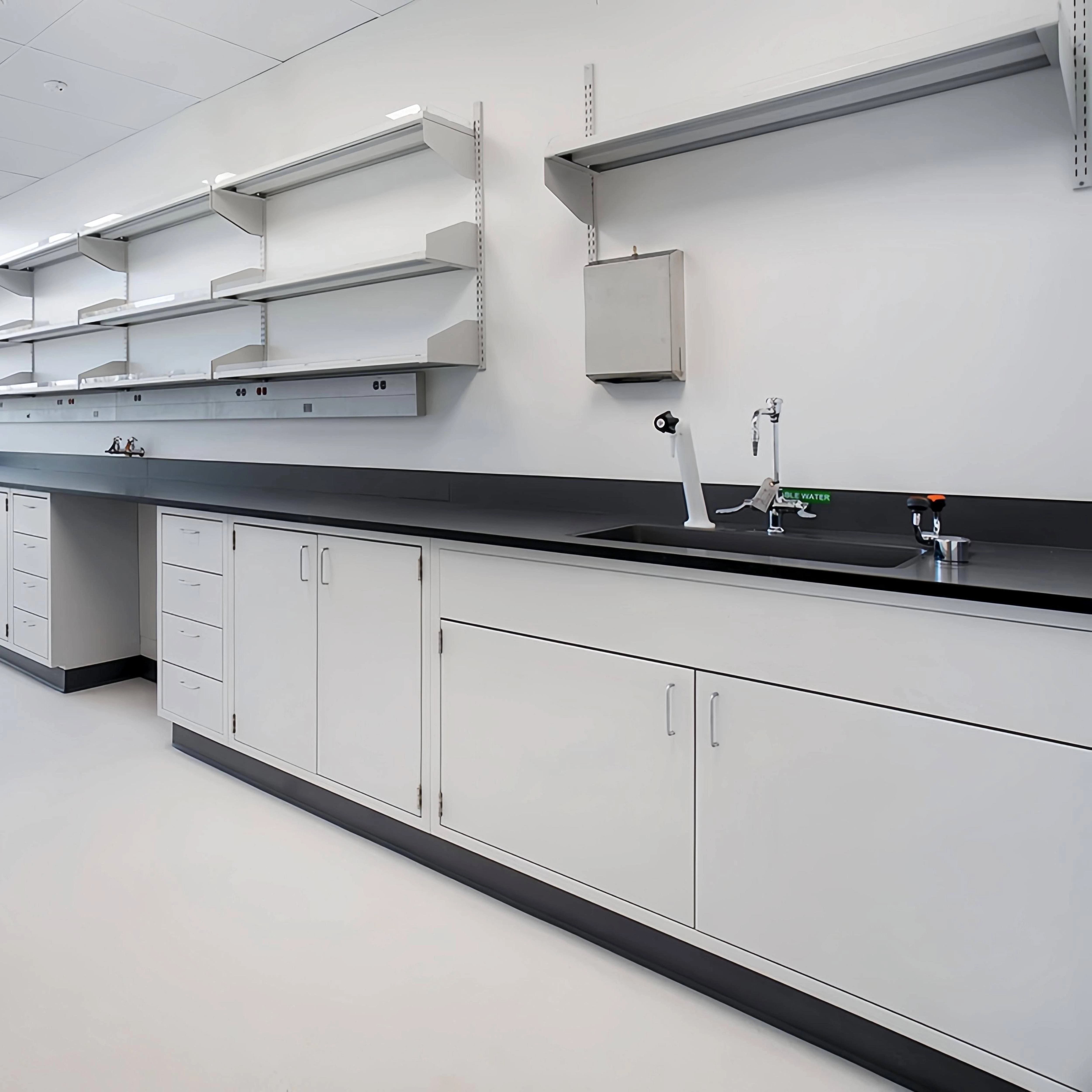
Why We Choose to Be Your Lab Furniture Solution Provider, Not Just a Manufacturer
Max Lab Introduction
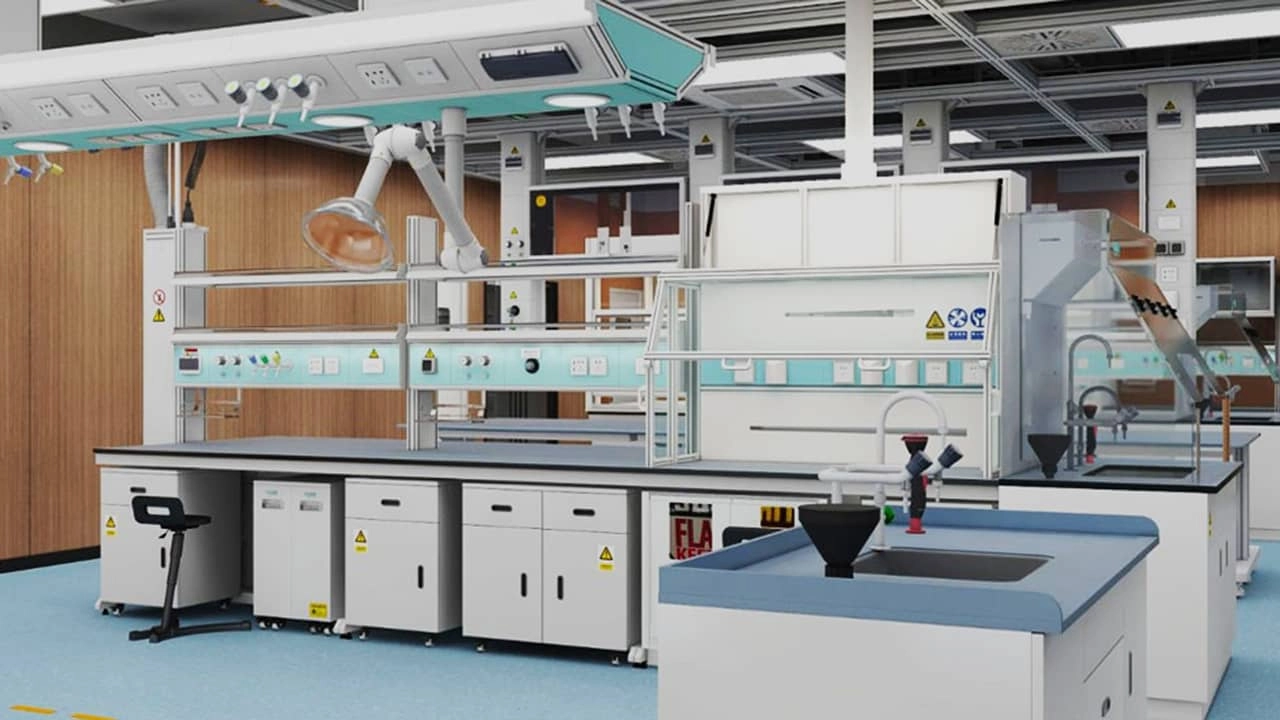
Electronics Lab Bench vs Chemistry Lab Bench: What You Need to Know
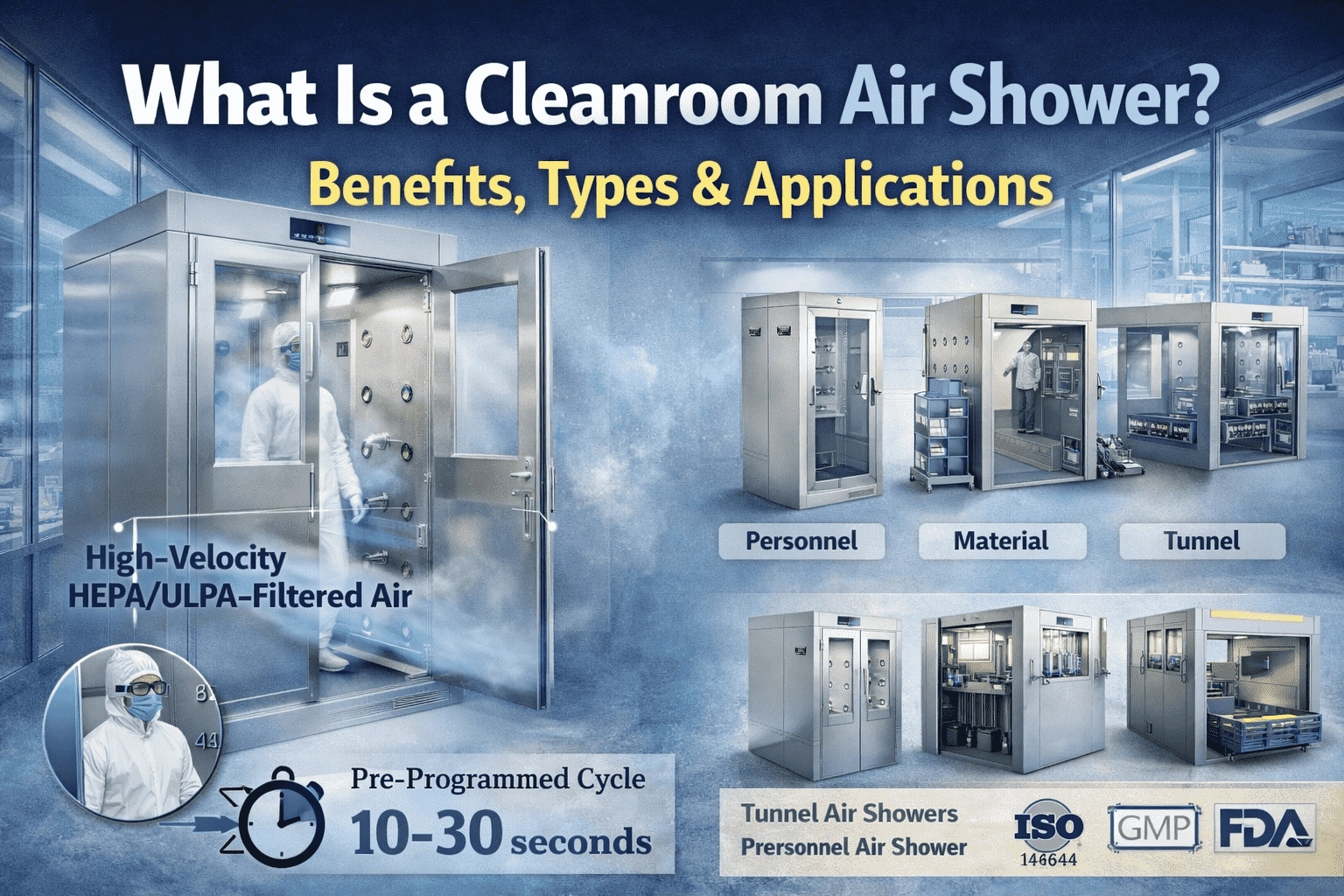
What Is an Air Shower for Cleanroom?
For After-Sales Support
How can I get technical support for my equipment?
You can contact our technical support team via email or phone for assistance with installation, troubleshooting, or any issues you encounter with your laboratory equipment.
For Logistics
Do you offer international shipping?
Yes, we offer international shipping to most regions worldwide. Our logistics team ensures that all items are carefully packaged and delivered on time.
How can I track my shipment?
Once your order has been shipped, we will provide tracking information so you can monitor the status of your delivery.
For Company
Customization
What kind of laboratory equipment is suitable for customization?
All types of laboratory equipment can be customized, including test benches, fume hoods, hoods, chemical cabinets, exhaust units, etc.

Get in touch with us
If you have any comments or good suggestions, please leave us a message; later our professional staff will contact you as soon as possible.

 Scan QR Code
MaxLabFurniture
MaxLab Furniture
daihongada
Max Laboratory